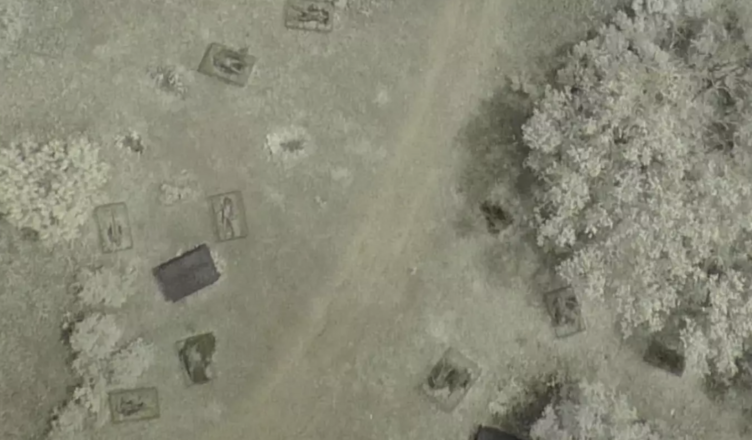
Contrary to the expectation of a true-crime narrative, the focus here is on The Forensic Anthropology Research Facility (FARF), an essential 26-acre outdoor ranch dedicated to significant research. The recent attention on this facility, thanks to a post by Morbid Knowledge on X (formerly Twitter), highlights its crucial role.
Commissioned by the Texas State University Department of Anthropology and directed by Dr. Michelle Hamilton, FARF plays a pivotal role in forensic research. With a substantial financial donation of over $100,000 from a Distinguished Professor Emeritus of Texas State University and efforts from Dr. Jerry Melbye, the facility serves a unique purpose.
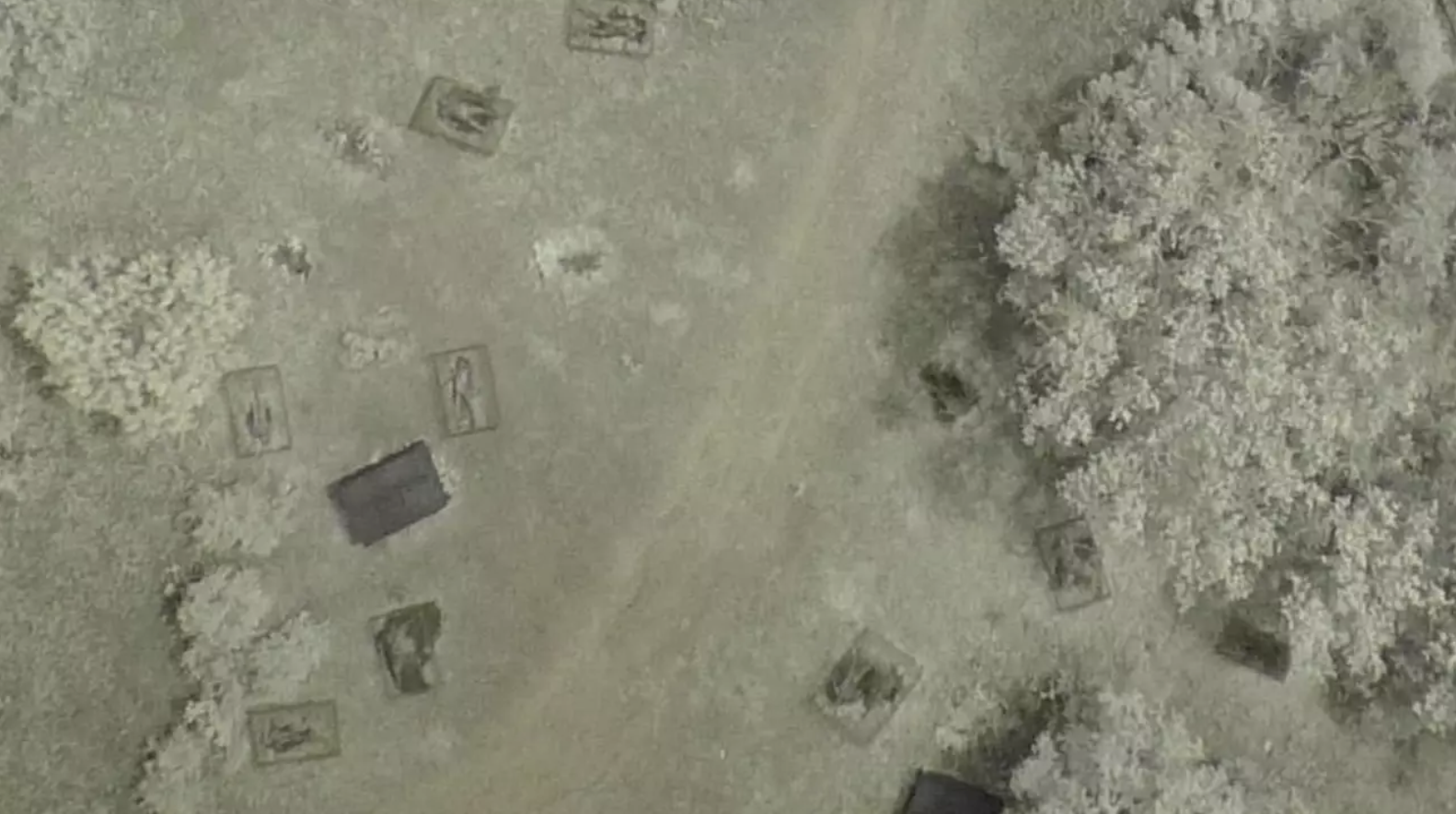
FARF houses around 50 donated bodies, with some cadavers confined in cages for the study of bacterial decomposition. Others are left unprotected in the sun to observe the effects of scavenging. Anthropology students collaborate with law enforcement officials and researchers to study these corpses, enhancing their understanding of human decay.
Since its opening in 2008, the lab has studied 150 individuals as of 2017, making it a valuable resource not just for the U.S. but also the international forensic science community. Individuals brought to the ranch for research are there based on their own or their families’ wishes, serving as a cost-effective alternative to funerary expenses.
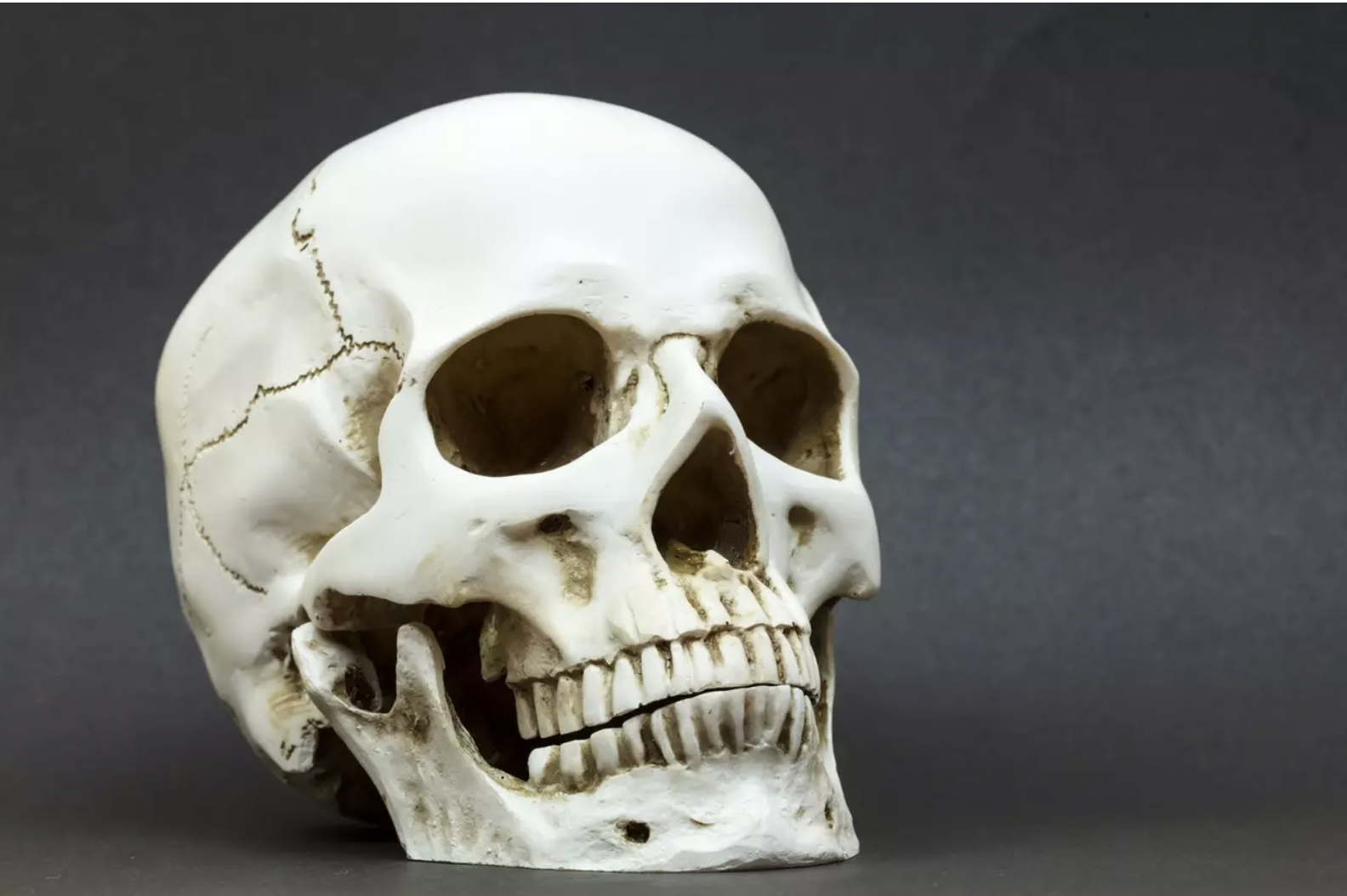
Daniel Wescott, an anthropology professor at Texas State and the director of the body farm, emphasized the facility’s goal: “What we really want to figure out is, at a basic level, how decomposition works. There’s a whole little ecosystem going on right here.” The ranch aids researchers in understanding the intricacies of decomposition and contributes to identifying bodies of individuals who succumb to dehydration or heat stroke each year.