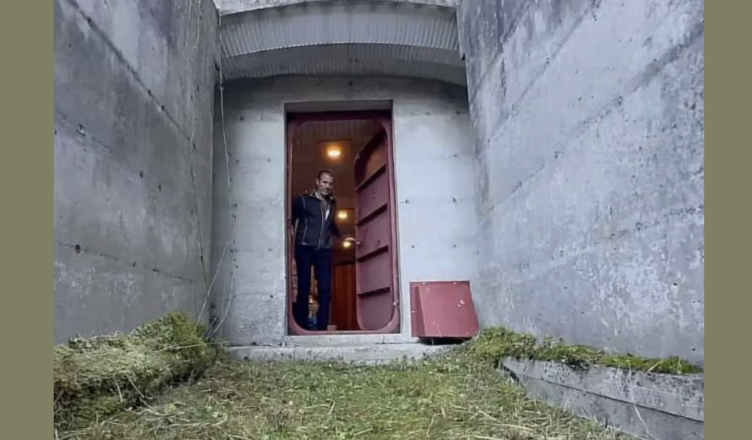
People construct bunker houses for various reasons, often influenced by practical, security, and personal considerations. One individual chose to create a bunker by burying a Quonset Hut, presenting a unique approach to shelter and protection.
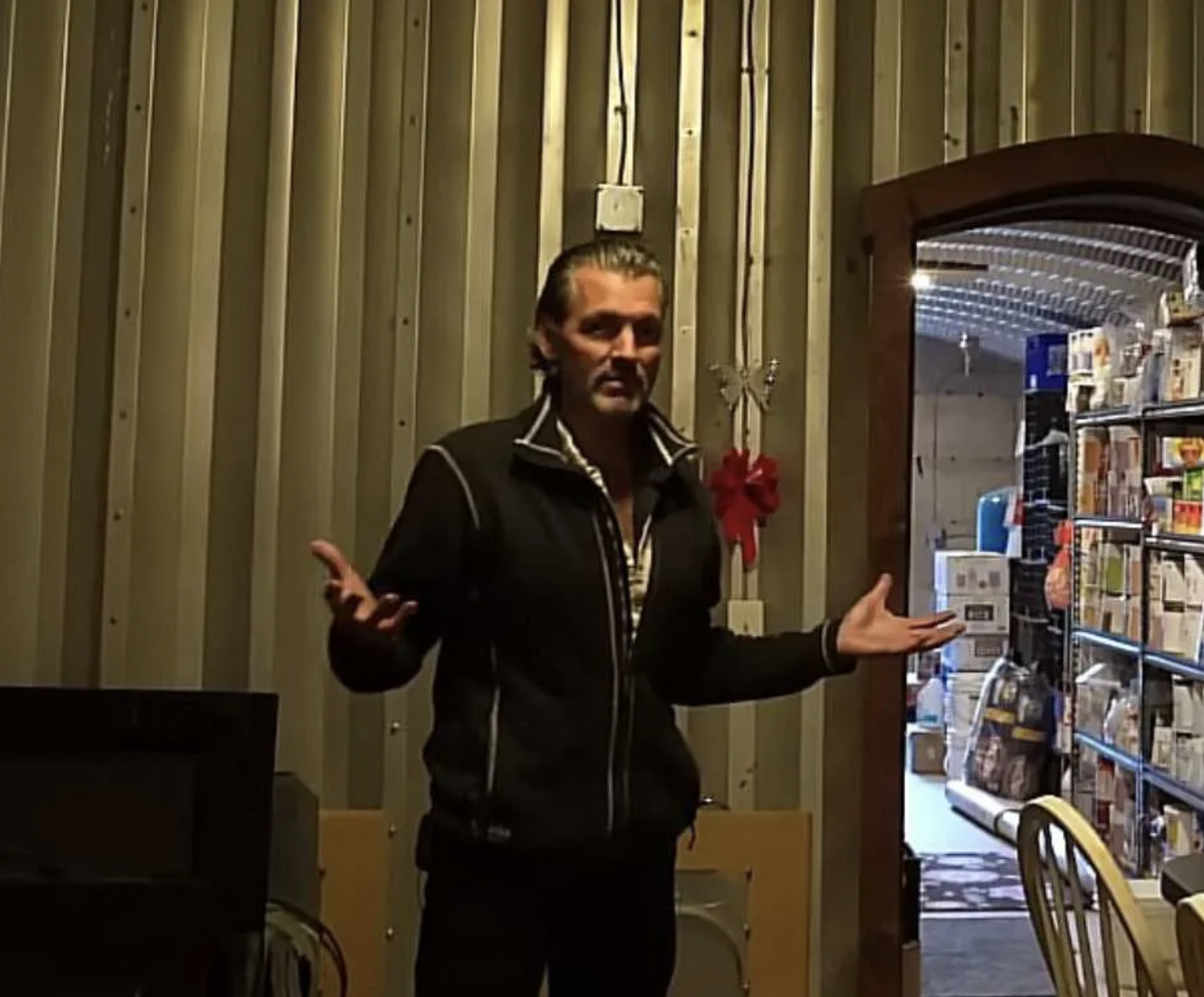
Fifteen years ago, David couldn’t comprehend why his friends built underground shelters or bunkers. It wasn’t until an ice storm left him without power for weeks that he realized the necessity of such preparations. This experience prompted David to build his bunker, but it wasn’t an ordinary one.
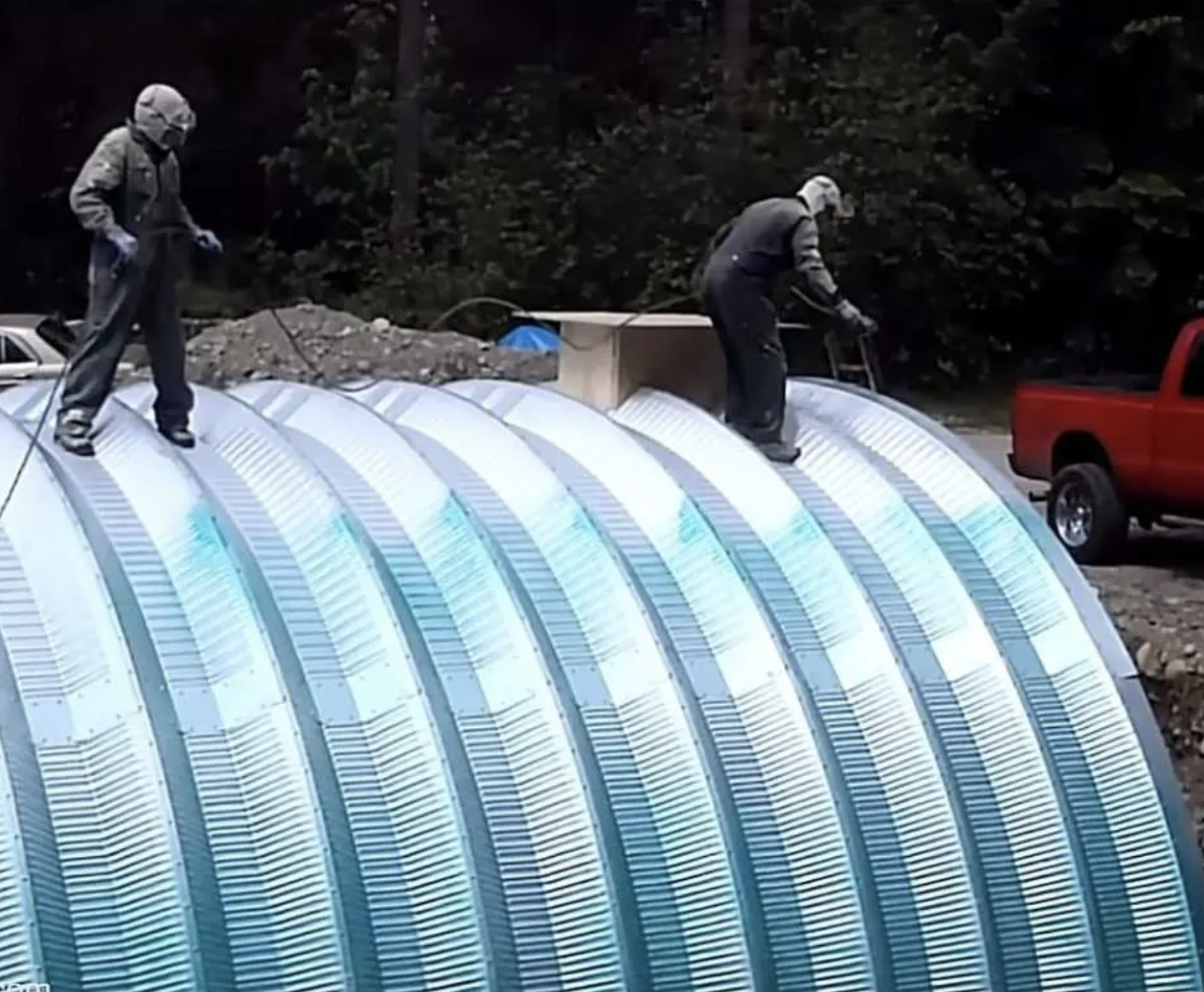
Instead of opting for the traditional monolithic port, he selected a Quonset Hut – an arched metal structure known for affordability, simplicity, and ease of construction. The Quonset Hut was assembled on a concrete floor, providing a quick and cost-effective alternative to regular underground building methods.
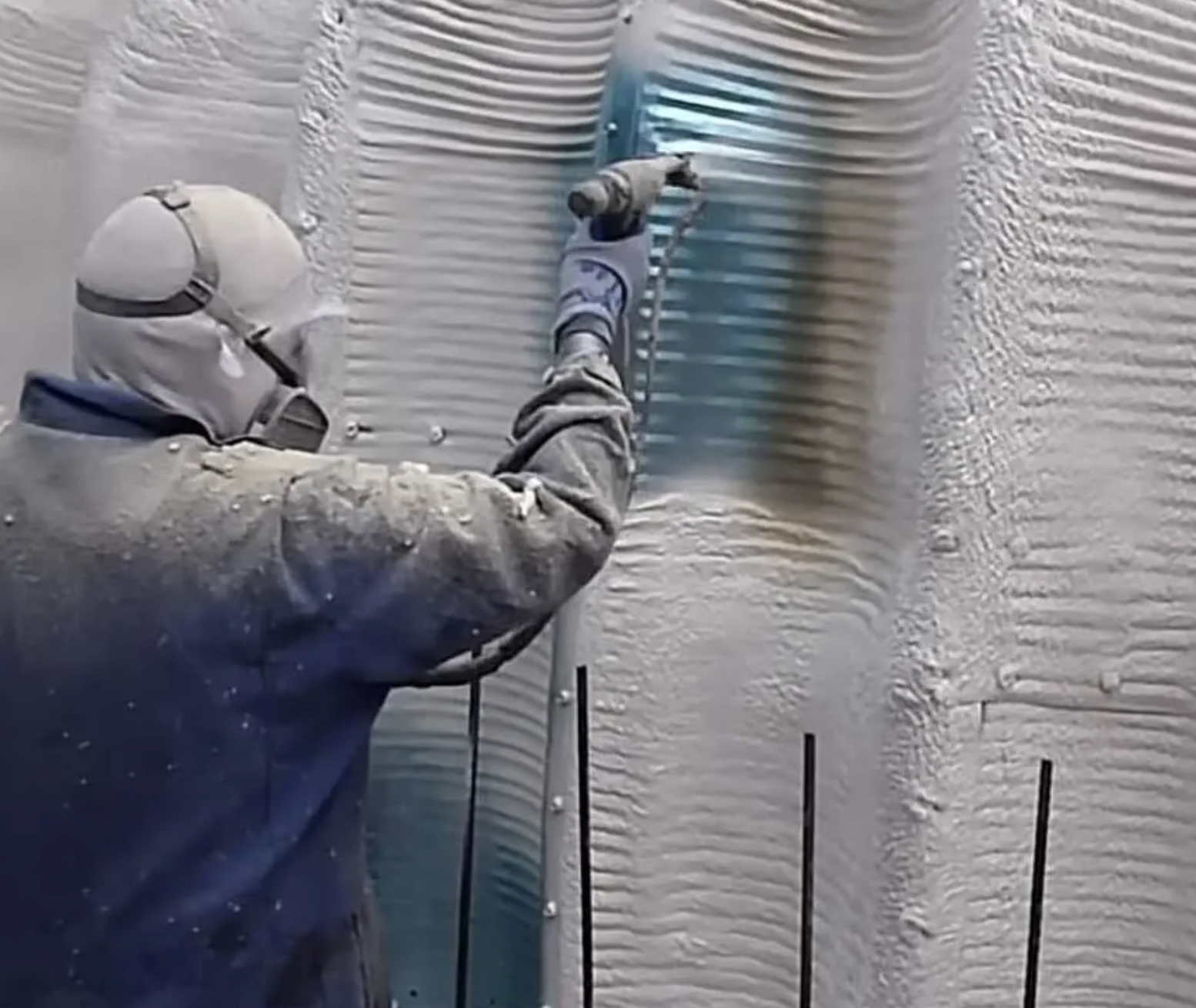
Enhanced insulation through spray foam created a solid four-inch-thick layer for optimal temperature control. A shotcrete application with Helix Steel reinforcement was employed for durability. David emphasized the practicality and cost-effectiveness of the Quonset Hut approach, citing a relatively modest expenditure of approximately $8,000 for the entire structure, compared to $150,000 for a traditional concrete-based structure of the same size.
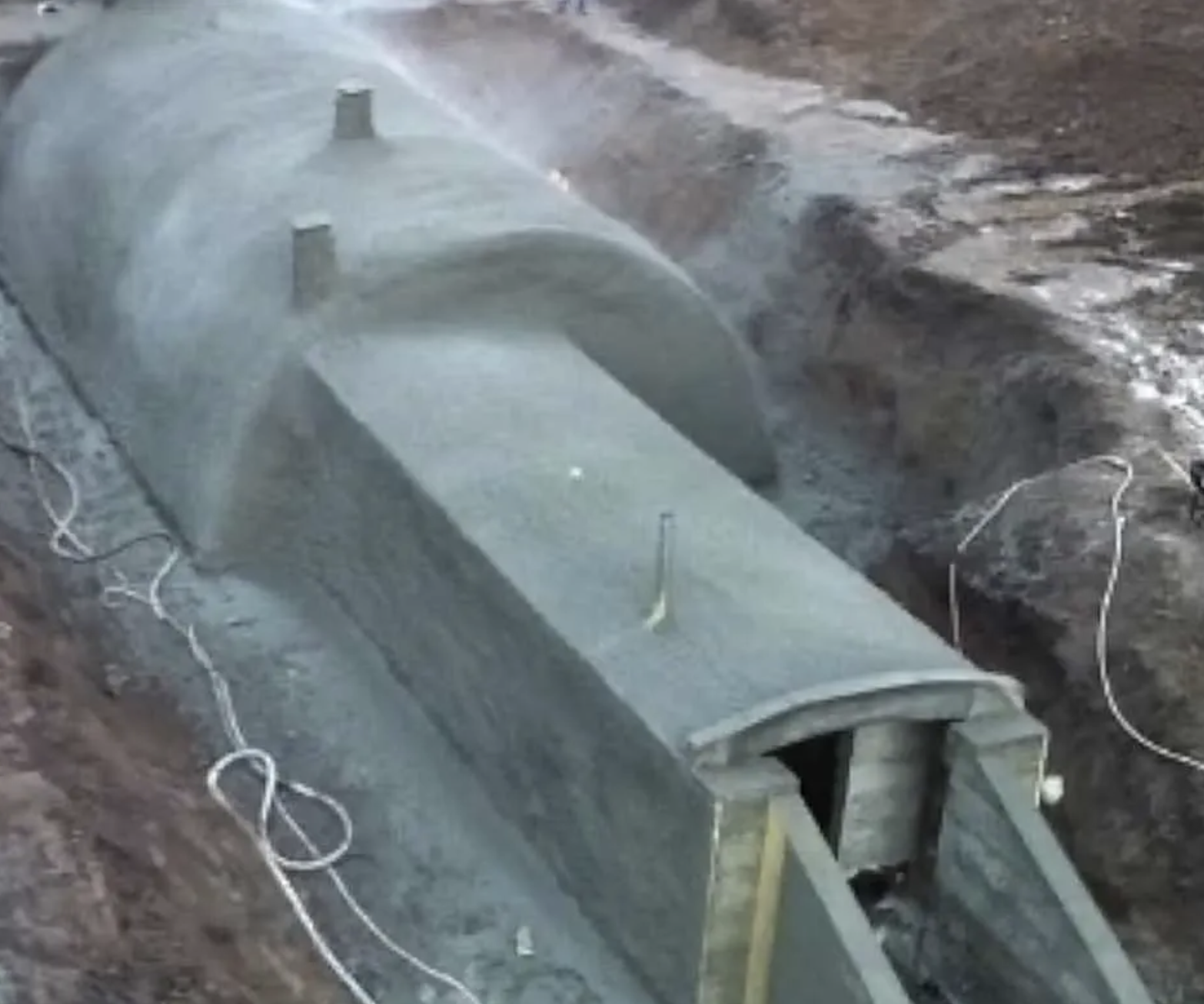
The Quonset Hut design offers resilience against various weather conditions, making it a secure escape in emergencies. The construction process involved assembling the sections, with each securely bolted in place, a task manageable within a day by a small team.
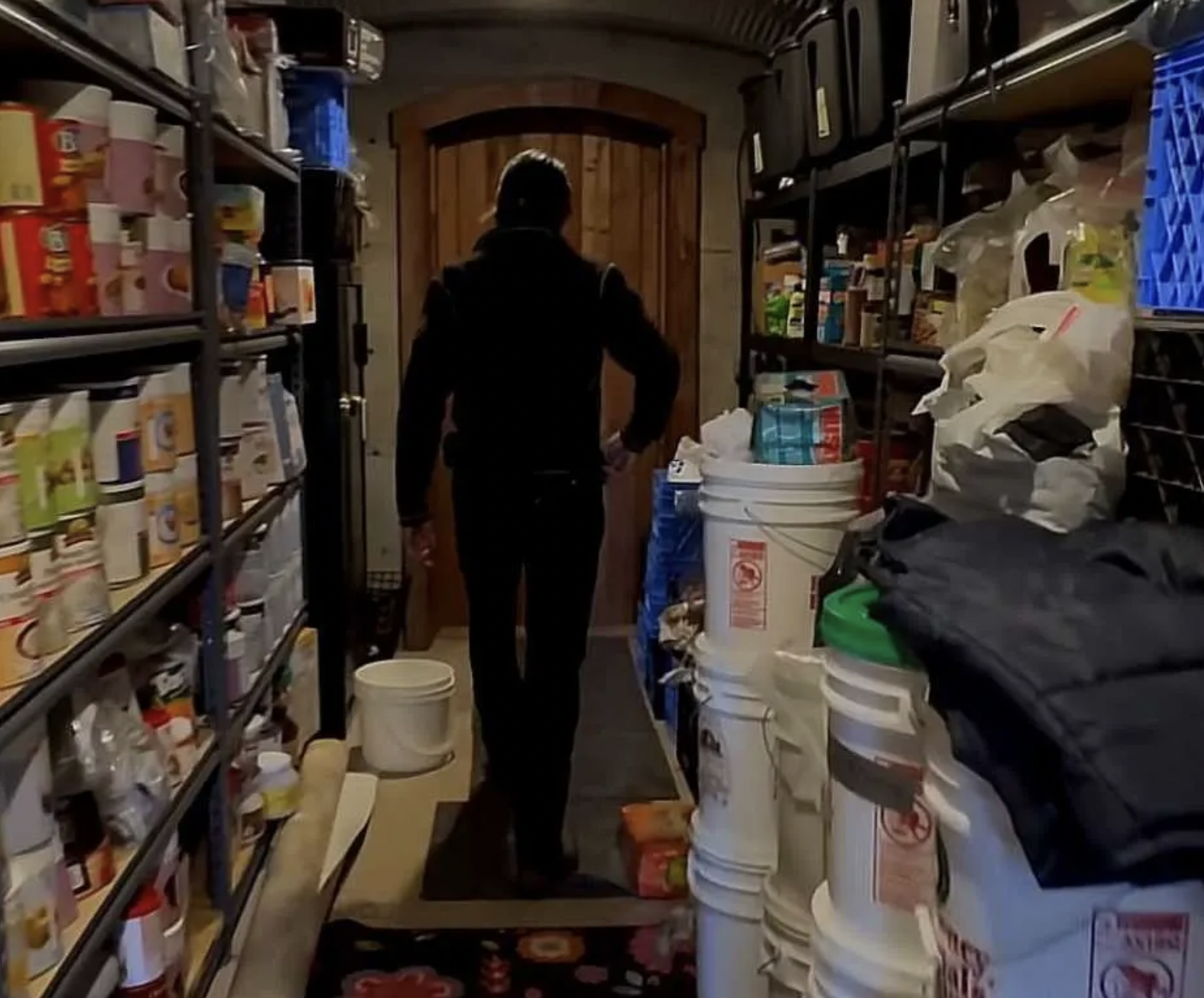
The bunker entrance features a rugged metal door resembling a submarine’s, and the 40-foot-long, eight-foot-wide hallway serves as an efficient storage space for food supplies. The entrance also has a hand pump for water with a 1300-gallon tank.
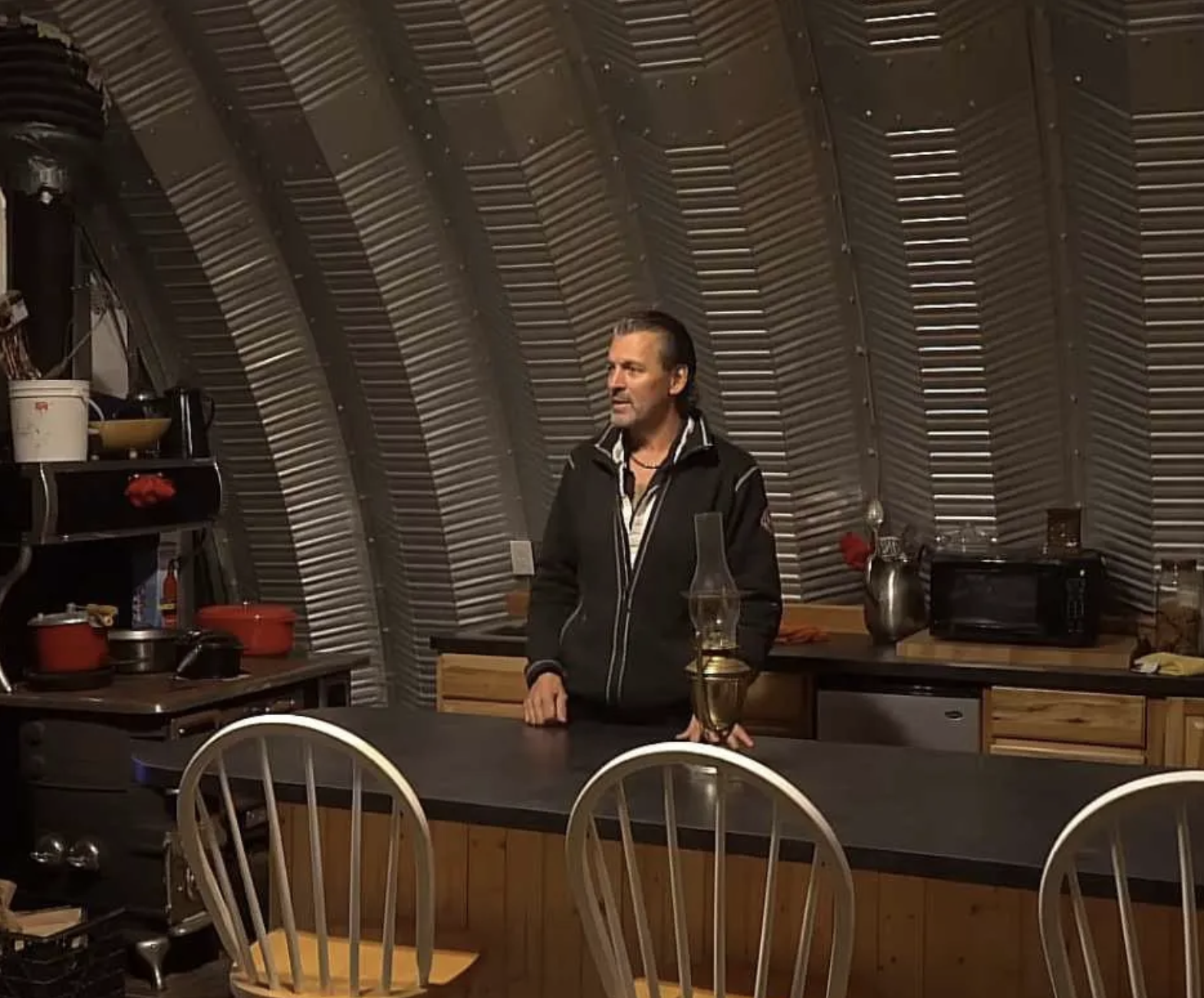
During the tour, David showcased the bunker’s functional kitchen, master bedroom, regular bedrooms, and bathroom with a standard shower. The bunker includes a ventilation system with guillotine vents and a 60-foot pipe system for air circulation. It maintains a comfortable temperature of 55 degrees throughout the seasons.
The Quonset Hut’s simplicity makes it accessible for both construction professionals and enthusiasts. David’s decision showcased a keen understanding of the property’s natural topography, minimizing issues associated with water runoff.
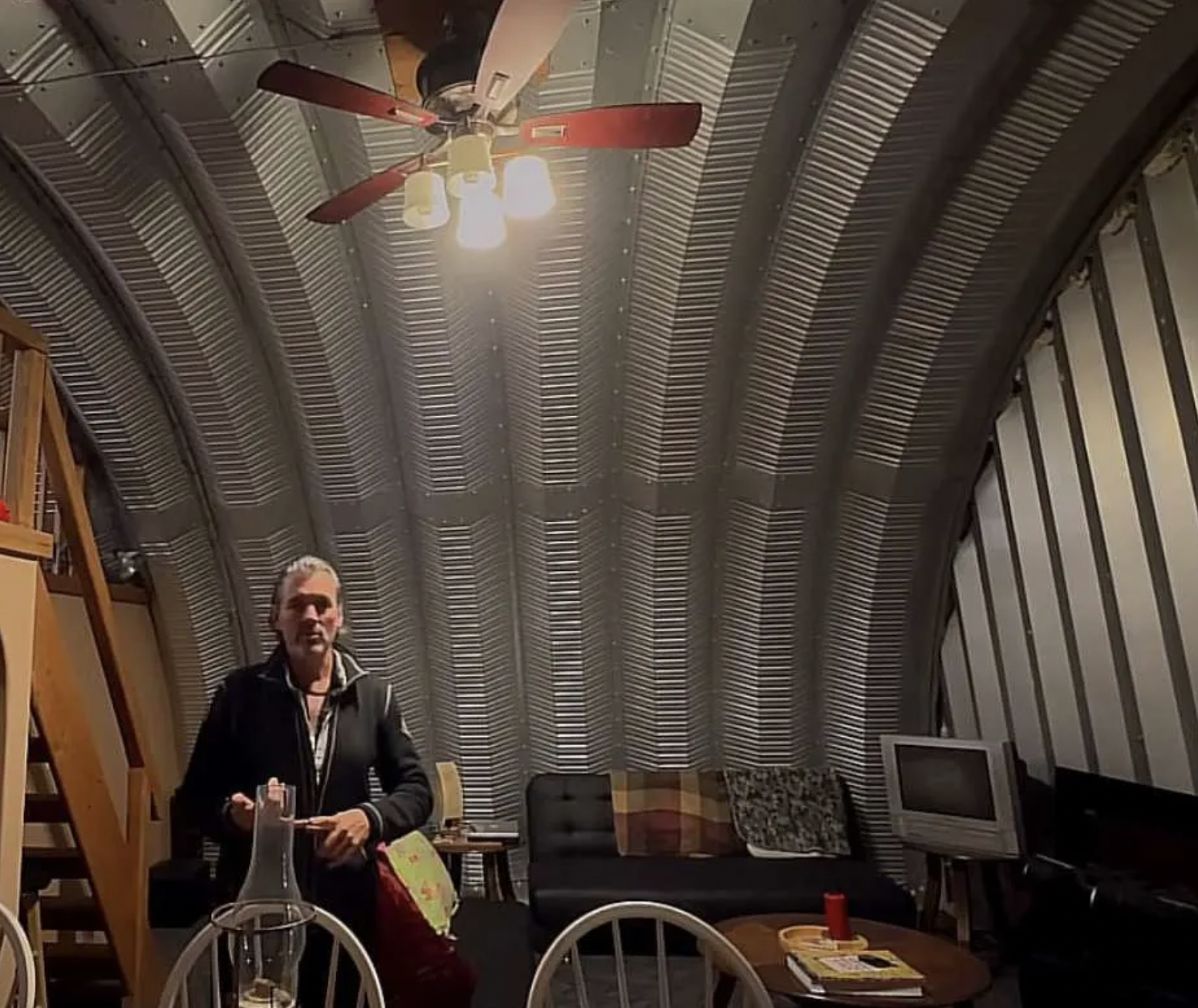
After constructing his Quonset Hut bunker, David found a faster and cheaper method for building bunkers, demonstrating innovation, practicality, and economic efficiency. This project serves as a viable alternative for those seeking functional shelter during emergencies, successfully integrating simple yet cost-effective construction methods. David’s underground Quonset Hut has proven to be a comfortable, practical, and cost-effective solution for emergency preparation or a secret getaway over the past 13 years. The best part is that anyone can build one!