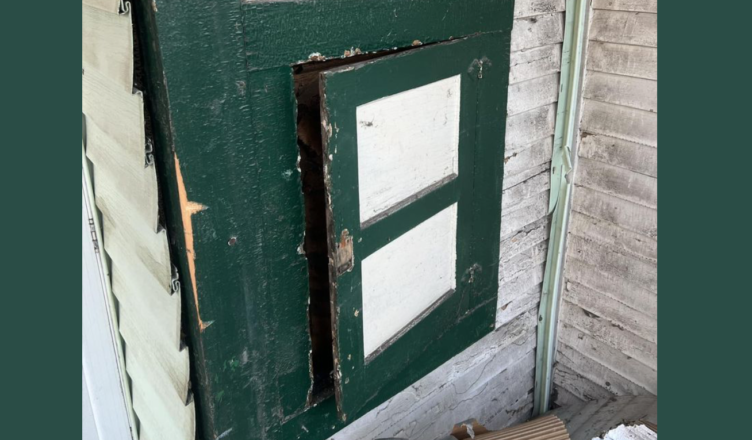
Before electric refrigerators became widely available, preserving food and keeping it fresh presented a significant challenge. To address this need, the innovative solution of ice delivery emerged, providing a crucial service to households from the late 19th century to the early 20th century. At the heart of this service were ice delivery doors, ingeniously integrated into home architecture to facilitate direct and convenient ice block delivery.
These doors, typically small and insulated, were positioned on the exterior of houses, often leading directly into the kitchen or a designated icebox area. They allowed ice delivery workers, known as icemen, to deposit ice blocks directly into the home’s icebox without entering, preserving the ice and maintaining household privacy and security.
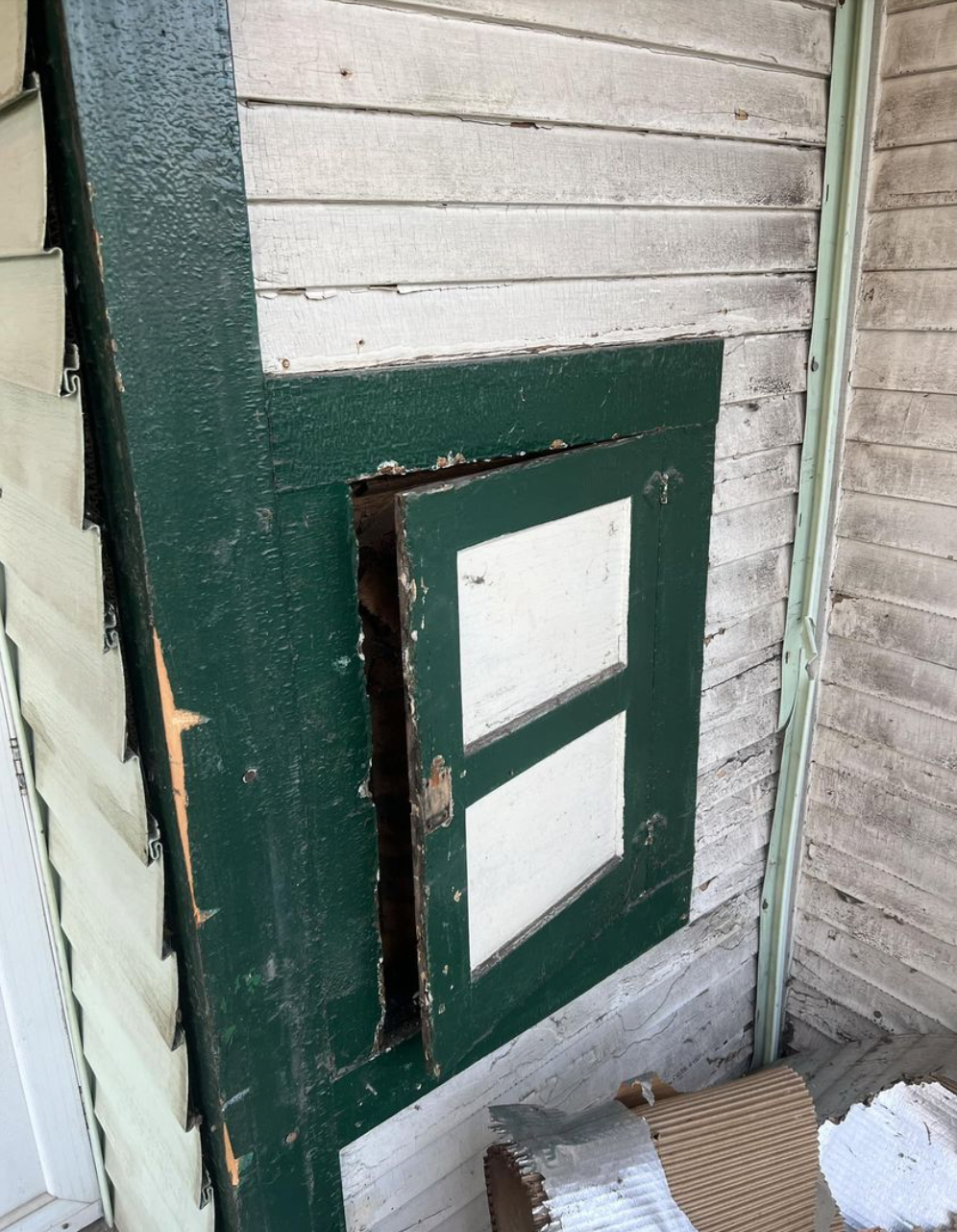
Ice was typically harvested during winter from lakes and ponds, then stored in insulated ice houses until needed. The introduction of ice delivery doors revolutionized food storage, enabling families to keep perishable items fresh for longer. This service, preceding modern refrigeration, played a crucial role in improving public health by reducing the risk of foodborne illnesses.
The design and function of ice delivery doors demonstrate the era’s ingenuity in solving everyday challenges. Carefully crafted to minimize air exchange, they featured heavy insulation and sometimes double-door systems to retain cold air effectively.
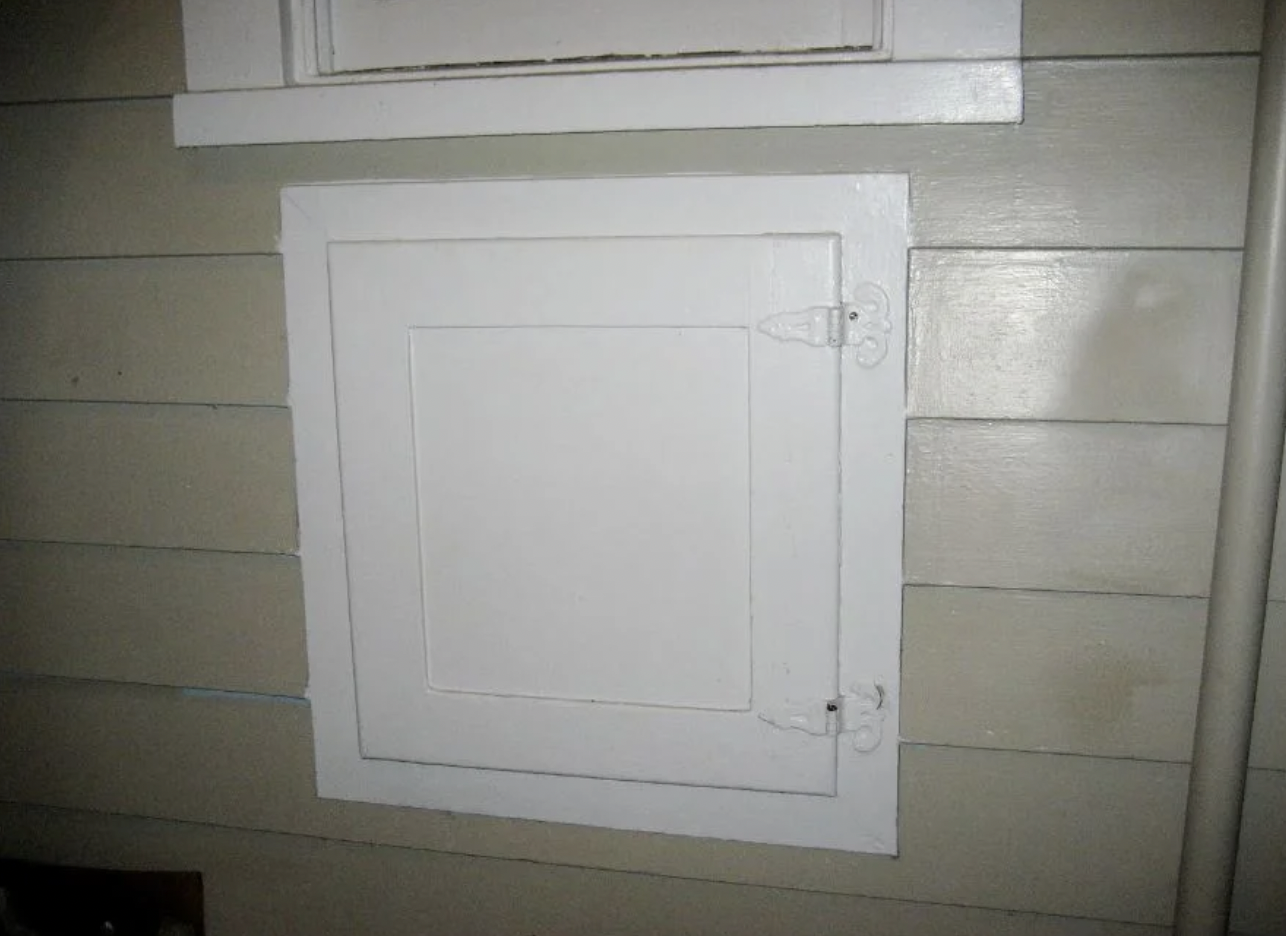
As electric refrigerators became more affordable and widespread in the mid-20th century, the demand for ice delivery services, and consequently ice delivery doors, declined. Today, these doors are rare artifacts, offering a captivating glimpse into the past. Some homeowners choose to preserve or restore them for historical value, while others repurpose them for modern uses, such as package delivery.
The legacy of ice delivery doors reflects a time when communities relied on direct, physical interaction for essential services. These small architectural features narrate a broader story of technological advancement, evolving lifestyles, and innovative adaptation to meet changing needs throughout history.