Living with some unwelcome guests comes with the territory of homeownership. But don’t worry, we’re not talking about odd individuals lurking in your crawl space. Instead, we’re referring to pesky insects that can find their way into your home. Personally, I’m not a fan of sharing my living space with earwigs, spiders, or ants, and I’m sure many of you feel the same way.
Unfortunately, it’s something we can’t entirely avoid. These tiny creatures don’t see it as an intentional invasion of your home; they simply see it as their natural habitat. However, there’s one insect I simply cannot tolerate, and that’s ticks. While I’ve learned to tolerate most of the insects that inhabit my walls, ticks are a different story.
I’m willing to bet that nobody enjoys dealing with ticks. They’re truly repulsive creatures that can spread illness quickly. That’s why it’s crucial to know how to identify tick egg clusters and what steps to take if you come across them in your yard. Luckily, we’ve gathered some helpful information to address your concerns.
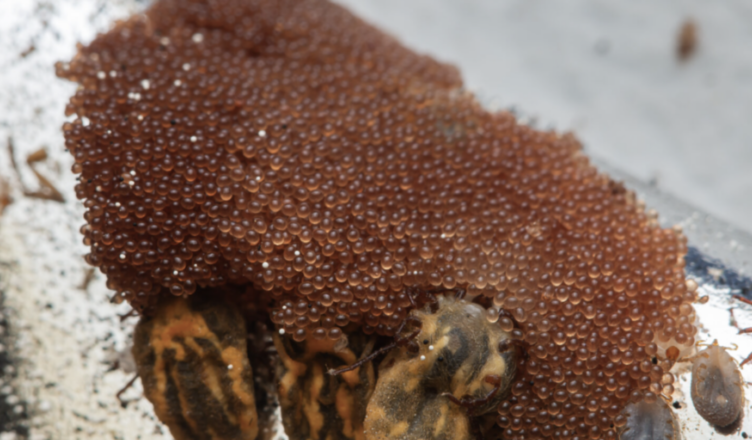
Tick eggs are extremely small and nearly invisible to the naked eye, measuring about 0.5mm in diameter, roughly the size of a poppy seed. They typically have an oval or pear shape and appear translucent. You’ll often find them grouped together on foliage, plants, or other surfaces close to the ground.
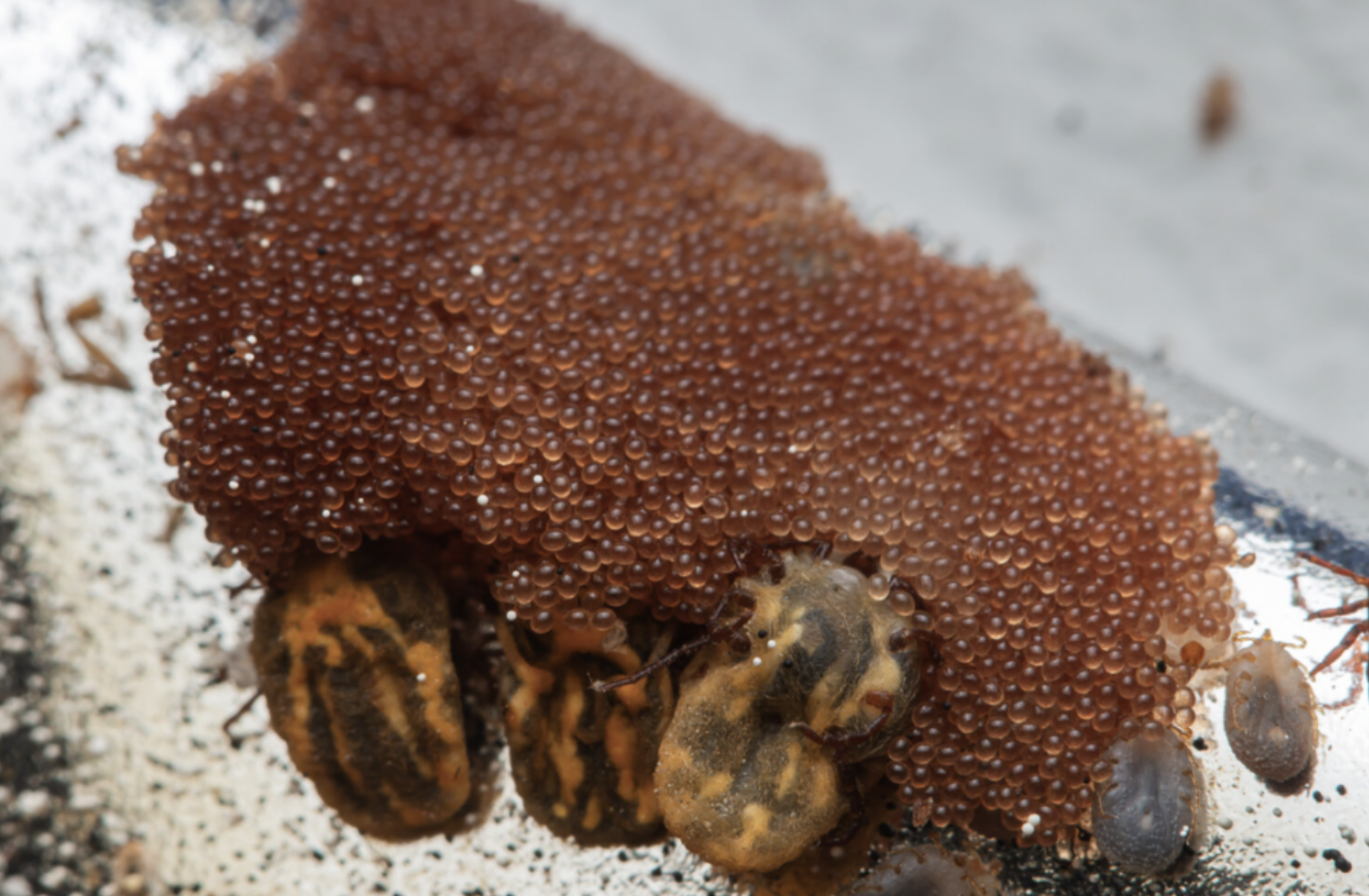
As tick eggs age, they become smoother and more opaque, with a light brown or pale yellow color and a glossy texture.
Discovering what seems to be a cluster of tick eggs can be alarming. Tick eggs pose a significant problem because ticks can transmit diseases such as Lyme disease and Rocky Mountain spotted fever. Therefore, it’s essential to safely remove the eggs.
For accurate identification and advice on how to proceed, we strongly recommend consulting with a local veterinarian or professional pest control specialist.
It’s no secret that finding tick eggs in your yard is undesirable. Therefore, it’s crucial to take proactive measures to reduce the likelihood of their presence.
This includes removing plants that attract deer, as ticks often feed on them. Examples of such plants include hostas, azaleas, and tulips. Additionally, consider planting tick-repellent plants and herbs like chrysanthemums, mint, and rosemary.
Keeping your yard well-maintained and eliminating shrubbery where ticks can hide is also essential. Furthermore, store wood piles off the ground, as ticks prefer damp, dark environments to lay their eggs.
You can also create a tick-free yard by using natural tick repellents and taking steps to keep small mammals like mice and rabbits out of your garden. If necessary, insecticides can be used, but always exercise caution to protect the environment.