
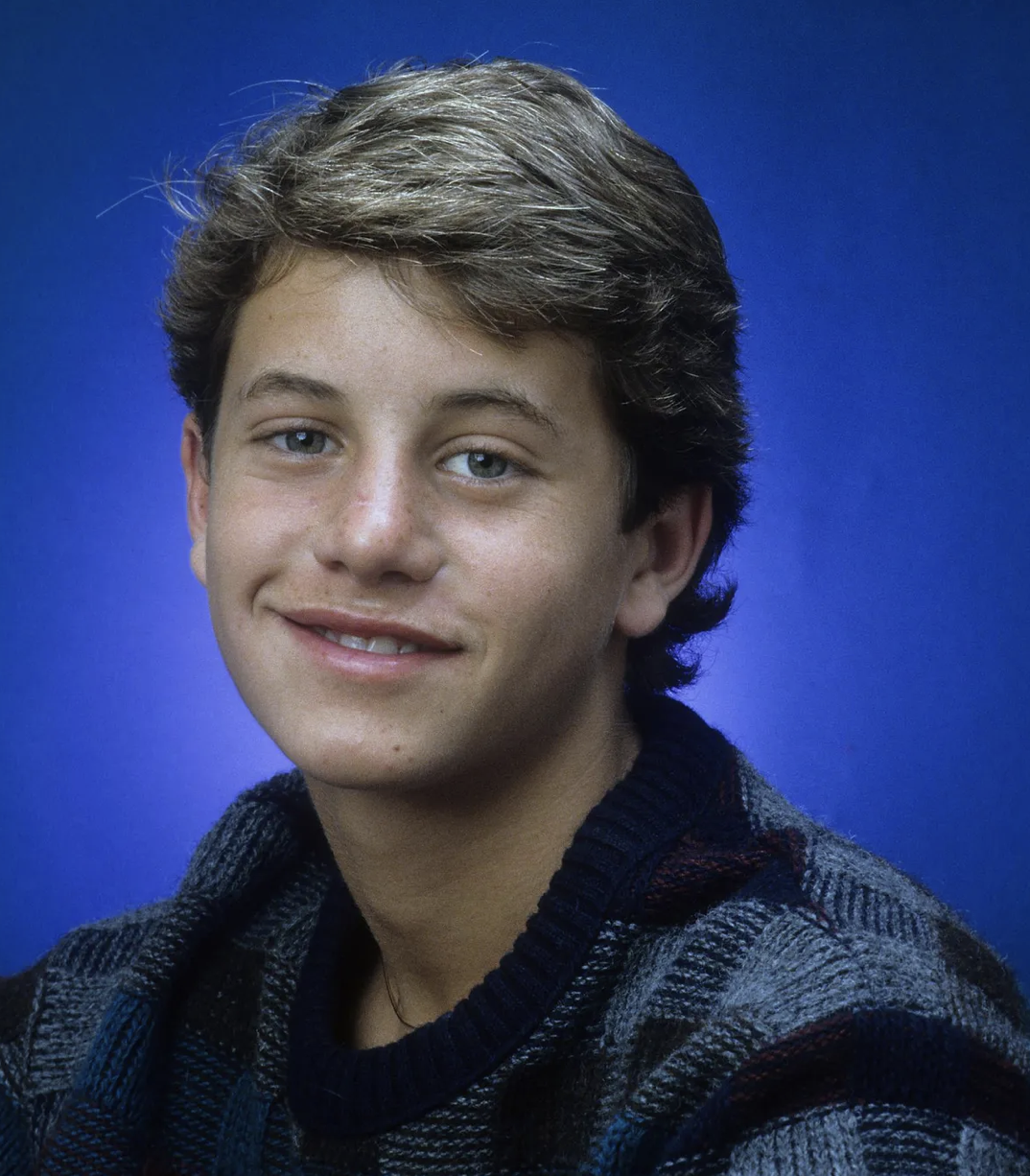
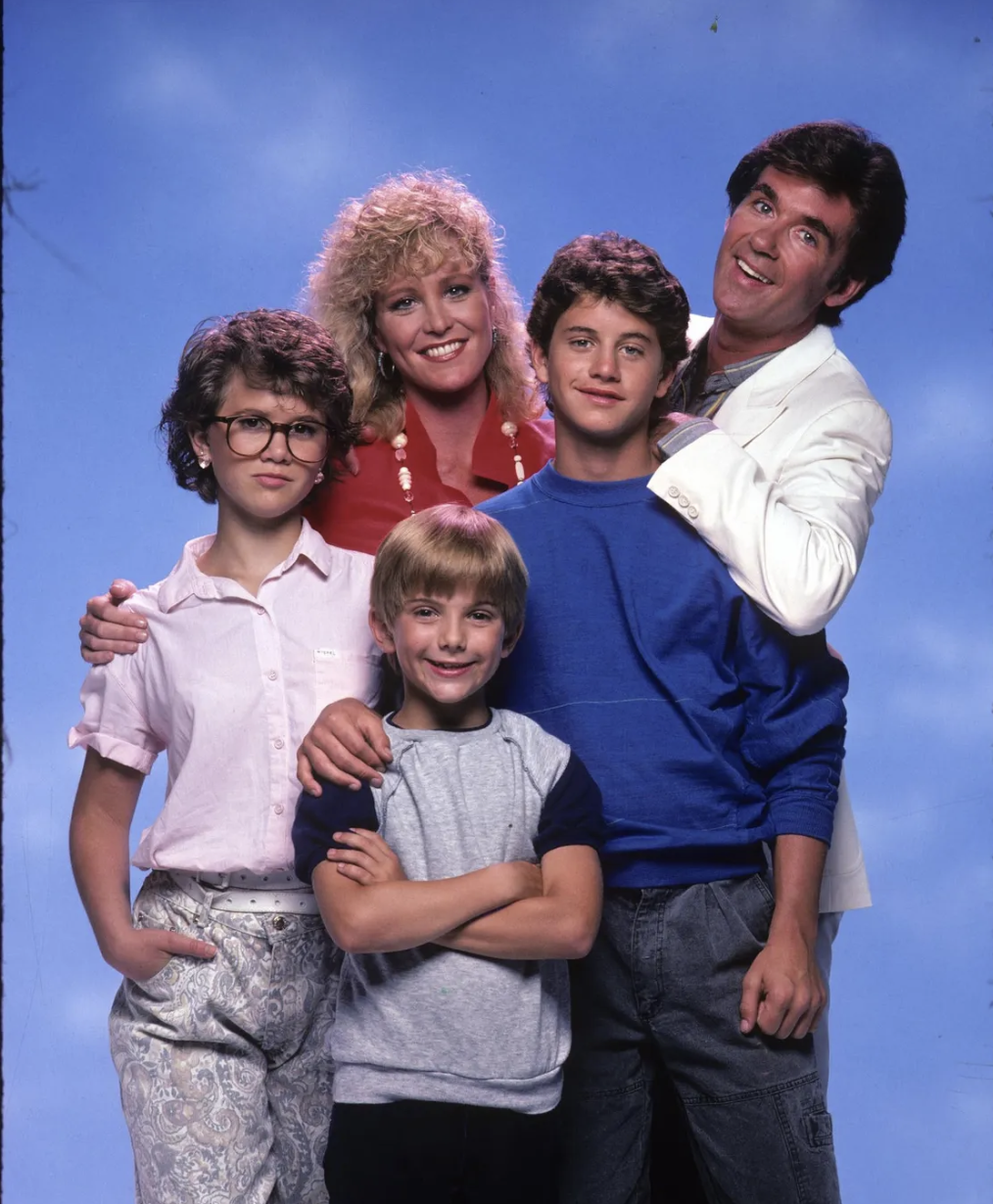
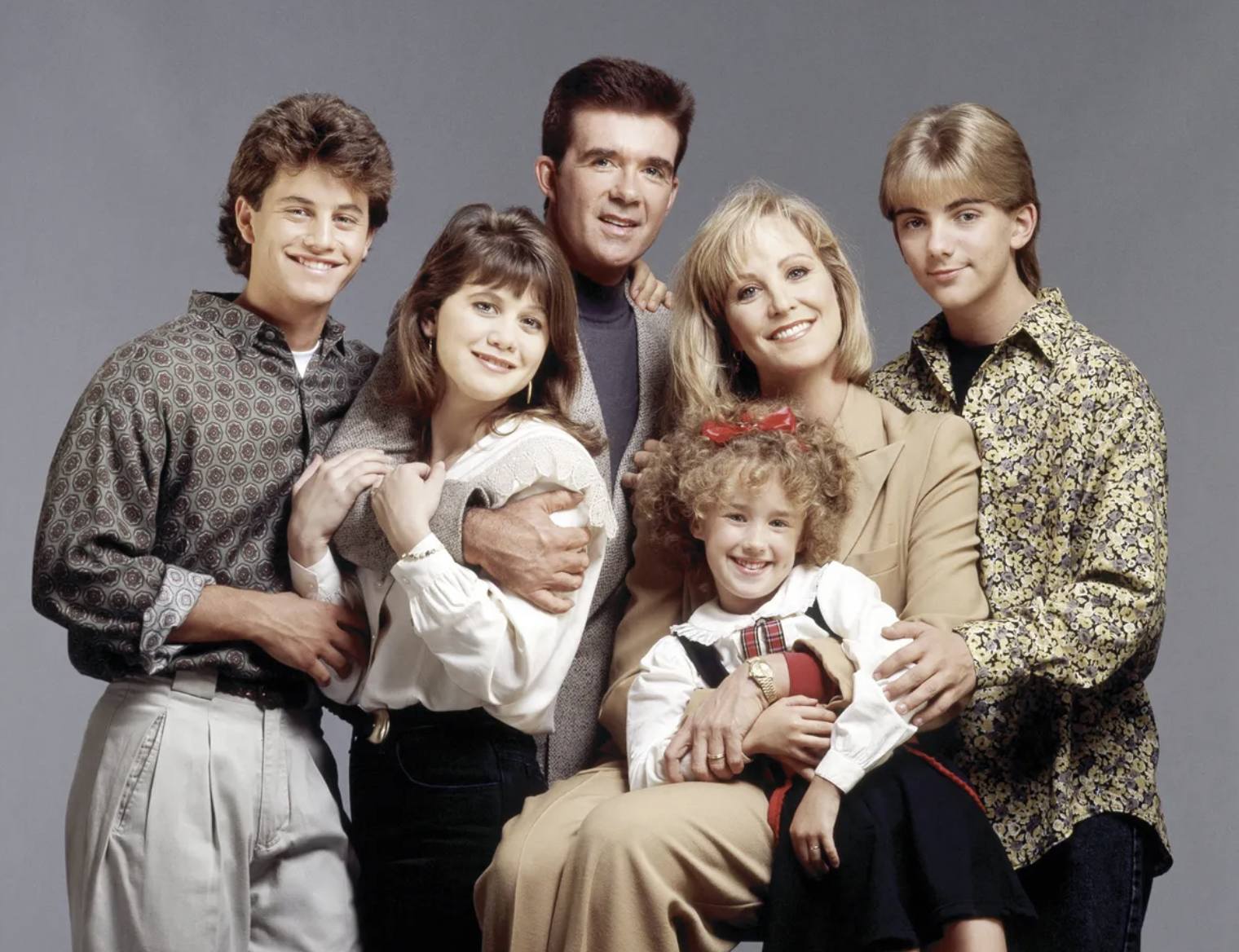
As a beloved kid actor in “Growing Pains,” he rose to prominence in the 1980s. Teen publications featured him on their covers, and he was a popular heartthrob among many admirers. However, behind the scenes, he struggled with the developing realization that Hollywood was not where he truly belonged.
In the early 1990s, at the height of his popularity, the celebrity made a decision that surprised many in the industry. He abandoned performing in favor of a faith-based lifestyle. This choice altered not just his profession but also his whole worldview. How did his life continue after he left Hollywood?
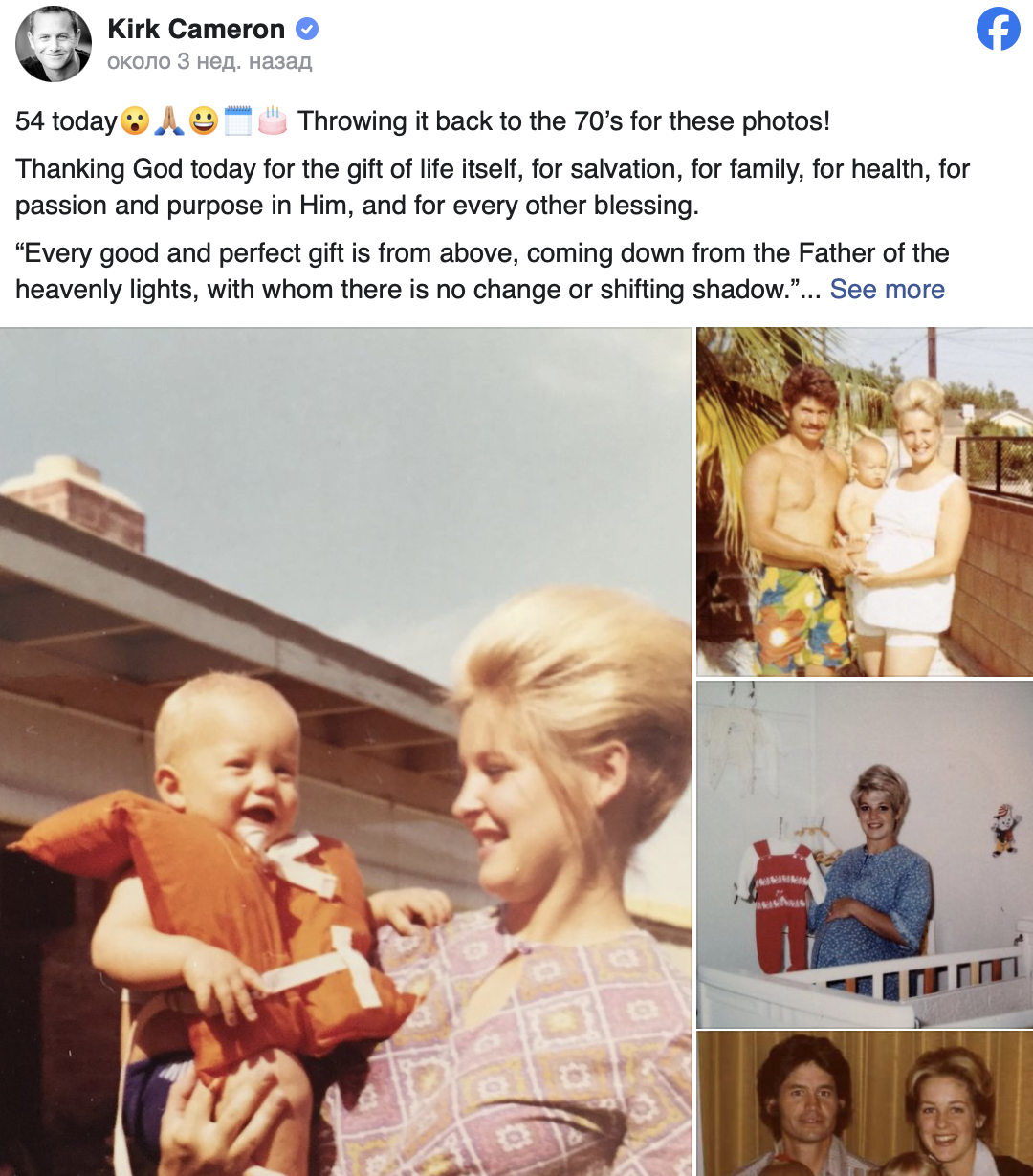
He did not set out to be an actor. In reality, as a young child, he had set his sights on something quite different: becoming a doctor. His ambition was to become a physician, but his career took an unexpected turn when his mother, under the influence of a friend, introduced him to acting.
That buddy happened to be the mother of Adam Rich, a child actor best known for his part in “Eight is Enough.” She suggested that the boy’s mother should bring him to an agency to explore his potential in advertising.
His mother reluctantly accepted the advice, and the nine-year-old soon began landing modest jobs. His early acting jobs included advertisements, such as those for McDonald’s. Although he found himself working consistently, the little child disliked performing.
“I was always annoyed having to brush my hair and tuck my shirt in to go drive an hour in traffic to audition,” he once said about his early years. Despite his lack of excitement, his acting career took off, eventually culminating in his breakthrough role as Mike Seaver in “Growing Pains.”
His psychological conflict intensified as his celebrity expanded. Hollywood had plenty to offer, but he began to wonder if it was enough. What would finally draw him in an entirely other route was something unexpected: faith.
He grew up without discussions about religion or God. “When I was growing up, we didn’t go to church,” he once said.
“If you had asked me, I would have said I would be in the category of an atheist at 16 and 17 years old,” according to him.
People around him, especially his instructors, influenced his atheism. “I think I caught my atheism—it was by contagion,” he remarked, referencing the effect of his science and history instructors, who regarded religion as “just a fairy tale.”
He had no interest in pursuing faith or spirituality at the time, fully engrossed in his Hollywood profession. Despite his reluctance, a fortuitous encounter would quickly alter the direction of his ideas.
It wasn’t a lengthy theological discussion that drew him to church. Drawn to a girl he liked, he accepted her offer to church with her family. “I will be honest. “It wasn’t because I was interested in God,” he said.
He had no idea that this seemingly insignificant action would cause such a deep change in his life. As his beliefs became stronger, they began to influence his life and profession, causing anxiety among his Hollywood colleagues.
By the time he was 17, his dedication to his newfound convictions began to impact how he approached his role in “Growing Pains.” Producers and cast members of the show observed the rapid shift, growing increasingly concerned about its potential impact on the series.
As one of the show’s main characters, his actions were crucial. The success of the concert, as well as everyone’s jobs, hinged on him. The producers were concerned that his growing religious convictions might lead him in a route that could threaten the show’s sustainability.
“Is he getting into something that will really take him to Looney Town?” And if it is, we must stop it,” he said, recalling their fears. He, on the other hand, was intent on living out his beliefs, even if he confesses that he did not always do it elegantly.
I made an effort to uphold moral principles. I sincerely tried to serve God, and I believe that was often misread,” he stated. What was evident was that his objectives were shifting—and Hollywood didn’t know how to react.
As his beliefs became stronger, he became more conscious of the disturbing practices that surrounded him in Hollywood. He apparently observed unsettling things over time, which separated him from the profession even further.
“The evil, darkness, and twisted sickness of Hollywood has been going on for a long time,” he remarked, recalling his days as a kid actor. The former adolescent idol, who started acting at the age of nine, admitted to becoming skeptical of what was going on behind the scenes on “Growing Pains.”
One of the most unsettling revelations involved his personal conversation coach on the show, Brian Peck, who ultimately faced a conviction for s8xual a8sault offenses. A recent documentary that explored the dark side of the entertainment industry included Peck’s name.
The actor stated how these facts verified what he had always suspected: that Hollywood was not always the wholesome place it purported to be. Power, pride, and ego in this milieu only fueled his desire to escape the spotlight.
He grew even more dedicated to his faith and the principles it embodied, thinking that the chase of fame and money frequently led people down perilous roads. “When that becomes your God, rather than the God who laid down His life on a cross 2,000 years ago, you’re in for a world of hurt,” he told me.
His growing disillusionment with Hollywood cemented his resolve to leave acting. His life would change again, with him focusing on family and faith.
Kirk Cameron’s departure from Hollywood signaled the start of a new chapter in his life. At the age of 20, he married his “Growing Pains” co-star, actress Chelsea Noble, and the two began forging a life together outside of the entertainment world. The couple welcomed six children into their family, including four adopted ones.
Having experienced adoption themselves, Cameron and Noble shared a deep passion for the process. They always made sure their children recognized their roots and helped them reunite with their birth family when the time came.
Cameron’s emphasis on family became fundamental to his life, as did his need to preserve a solid moral basis. One of the most stunning demonstrations of his commitment to family values occurred during the production of his 2008 picture “Fireproof.”
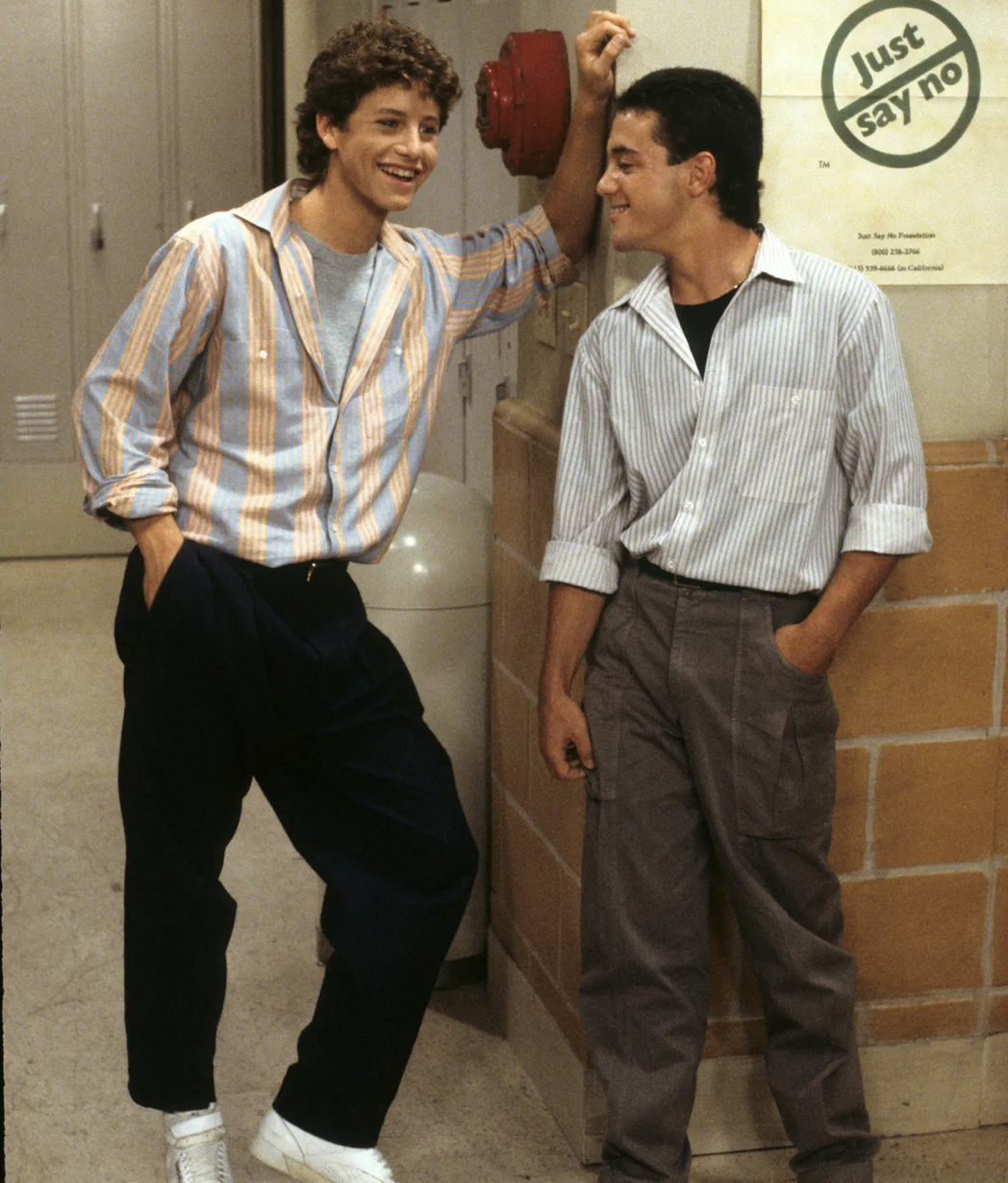
Cameron stars in the film as a firefighter who is attempting to rescue his marriage. However, when it came time to film a kissing scene with the woman who played his wife, Cameron refused to kiss anybody other than his real-life wife.
To respect his marital vows, the producers dressed Noble as the female protagonist and shot the moment in shadow. Cameron subsequently stated, “I have committed not to kiss any other woman,” demonstrating how seriously he took his views.
After leaving Hollywood behind, Cameron shifted his focus from fame to upholding his principles. His adventure continued when he made another life-changing decision.

Cameron recently made another bold life decision: he left the city where he had spent the majority of his life and focused on developing his profession. Cameron announced on social media in early 2021 that he would be leaving California.
“I asked on social media what states people recommend for a Californian looking to relocate, and the top responses were Tennessee, Florida, and Texas,” he said on his Facebook page. Ultimately, Tennessee won his heart.
In the following interviews, he explained his reasoning for the action. Cameron thought that California had grown unsafe and wished for a place that upheld more of the “wholesome values” he valued.
Three of his children currently reside there, which provided another compelling reason for him to move. It allowed me to be closer to my family while also enjoying Tennessee’s slower pace and community.
Cameron also mentioned Tennessee’s “healthy freedom mindset,” which contrasted sharply with California’s expanding constraints. He also described Tennessee as a “hub for Christian projects.”
In Tennessee, he found a community of like-minded people, including other creatives who had fled Hollywood. The state, with its thriving entertainment sector, has even attracted a number of California “refugees,” providing a fresh start for those seeking a more grounded existence.
Cameron discovered not just a new home in Tennessee but also a community that reflected the principles he had accepted. Despite leaving Hollywood and California, his enthusiasm for family, faith, and storytelling remains unwavering.
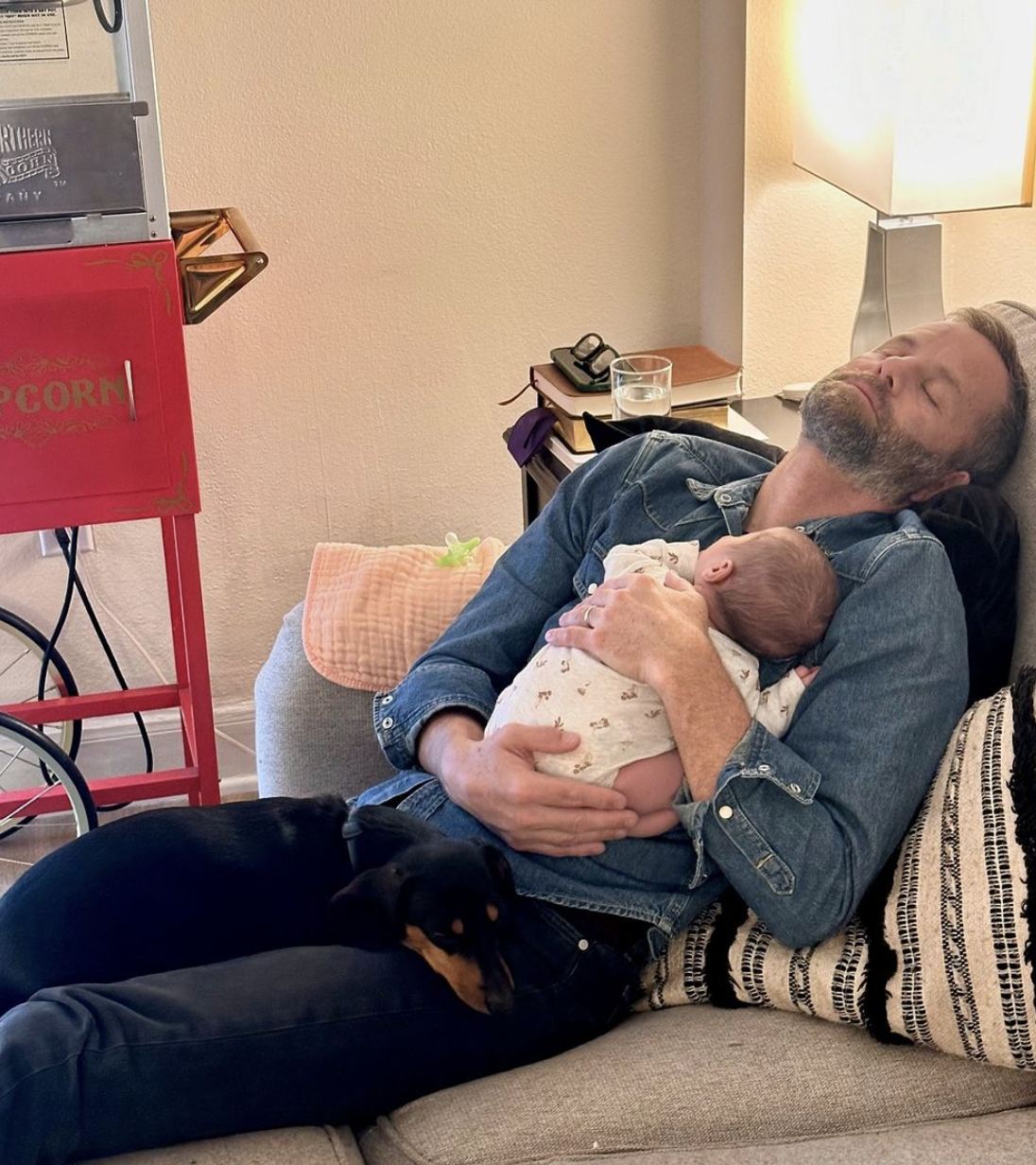
Cameron’s life has been full of milestones, but one of the most memorable occurred in July 2024, when he and Noble became grandparents. Cameron happily announced the birth of their granddaughter, Maya Jeanne Noble Bower, on social media with a loving letter.
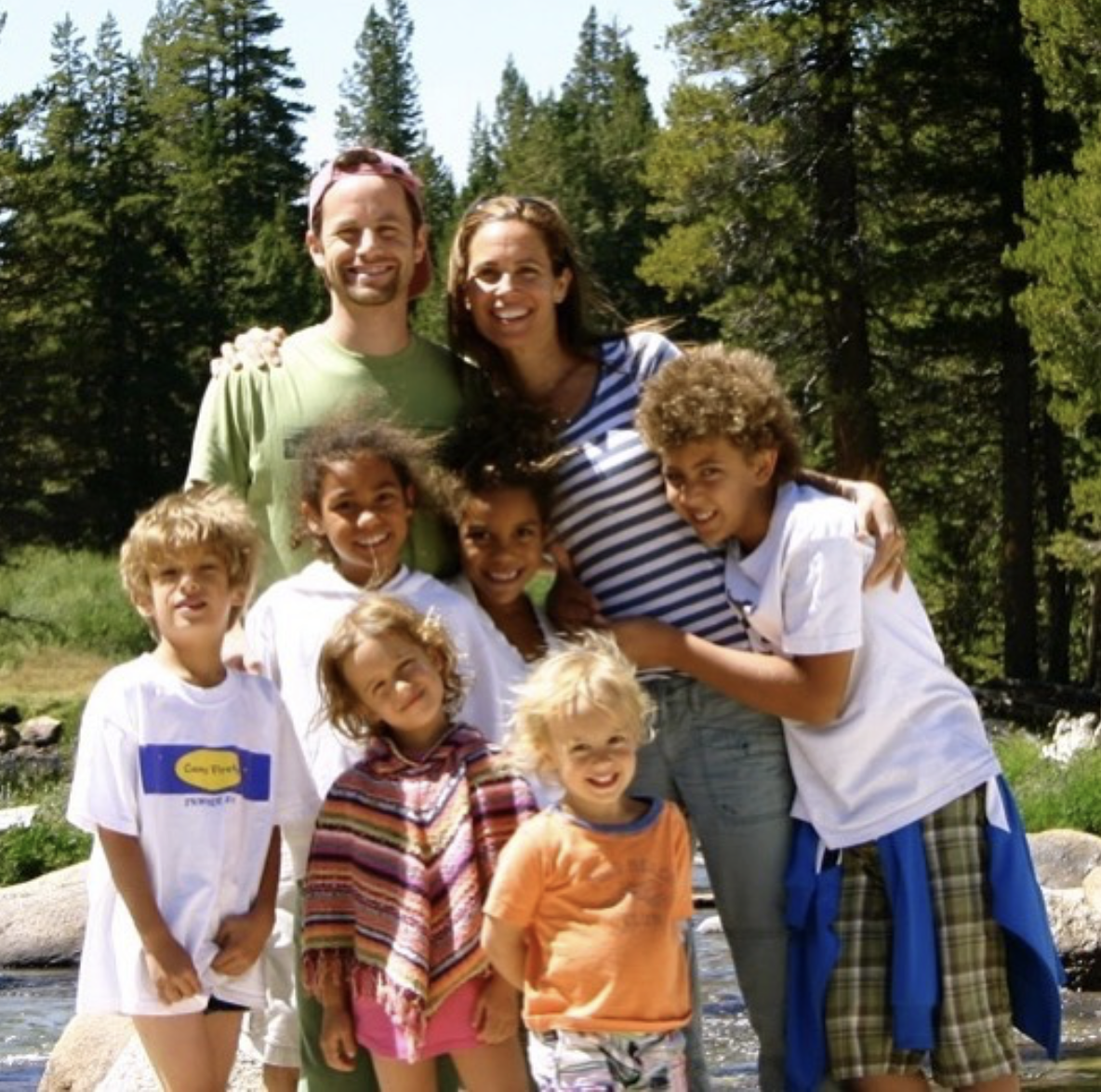
He told us, “Our hearts are overflowing with love.” “Our beautiful baby girl has given birth to a beautiful baby girl, and we are eager to spend every moment with her and show her affection.” Cameron’s new journey as a grandparent adds even more delight and significance to his family-oriented existence.
In addition to enjoying his growing family, Cameron pursued causes that reflected his beliefs and ideals. In 2022, he released the film “Lifemark,” which examines the beauty of adoption and the dignity of life.

The film was very relevant to him since he is the father of four adopted children, and his wife has her own adoption story. Cameron expressed his enthusiasm for the film, emphasizing how deeply the plot resonated with him.
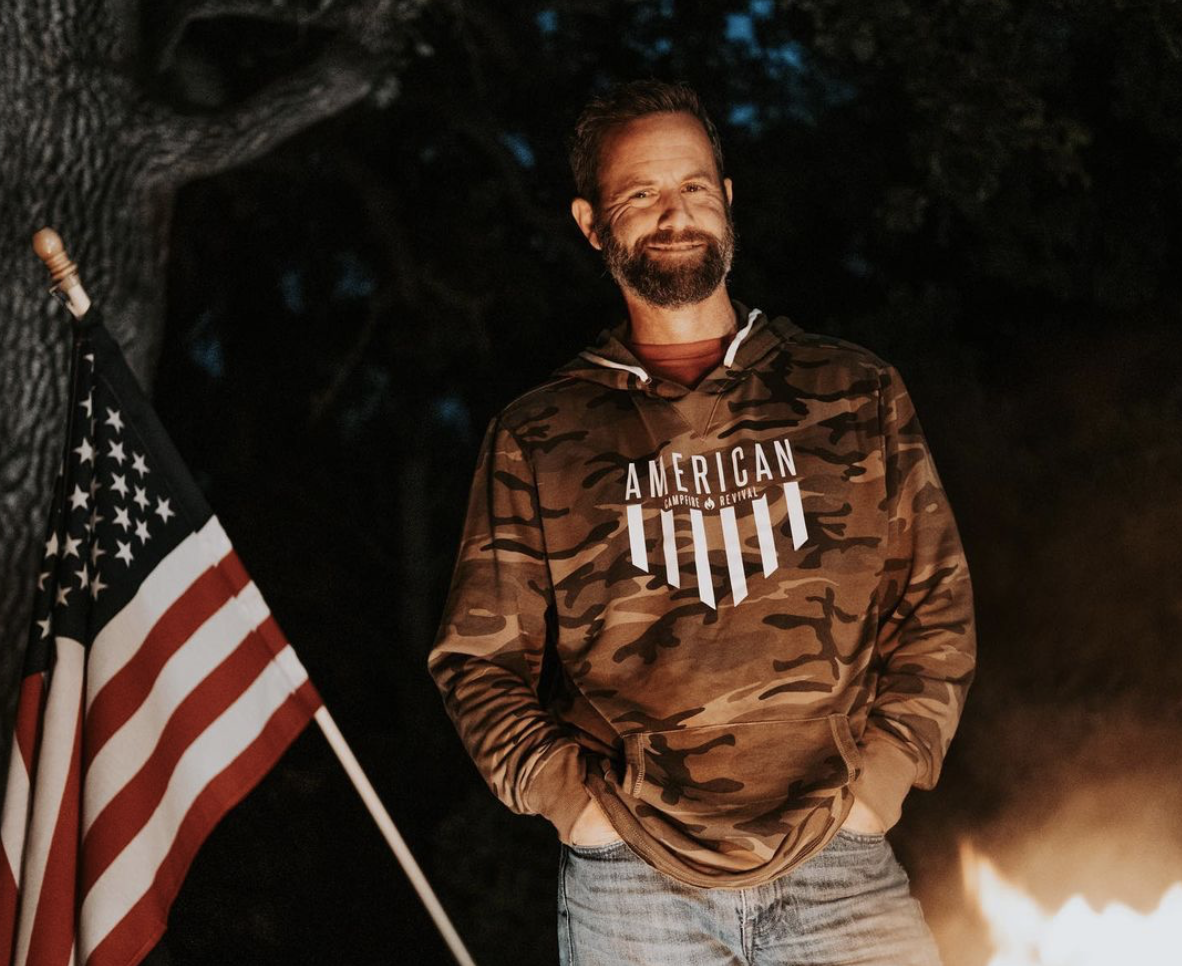
Cameron has long distanced himself from Hollywood’s mainstream, yet he continues to make faith-based films and media that represent his values. His post-Hollywood career has been defined by a concentration on positive, uplifting stories about family and faith.
With a growing family and a steady stream of projects aligning with his principles, Cameron’s life today is significantly different from his adolescent days as a heartthrob on “Growing Pains.” But Kirk Cameron’s chosen career has provided him with a profound feeling of contentment and purpose.