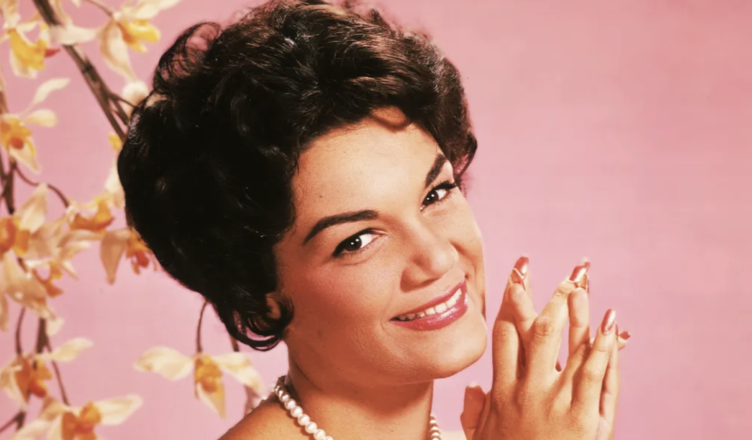
She rose to prominence in the late 1950s and became one of the best-selling female vocalists of all time, selling more than 80 million albums over her remarkable career. However, her achievement came at a high emotional cost, as family involvement, heartache, and heartbreaking catastrophes marred her private life.
She was born in Newark, New Jersey, to an Italian family that worked hard. By the time she was a teenager, her father had planned her career as a celebrity. His stringent direction insured her career’s success, but it came at the cost of her independence.
Her big break came in the ’50s, but as her celebrity increased, her father’s influence over her life laid the stage for the heartbreaks and tragedies that would follow. Her relationship with the man she still holds dear was one of the first casualties of her father’s influence.
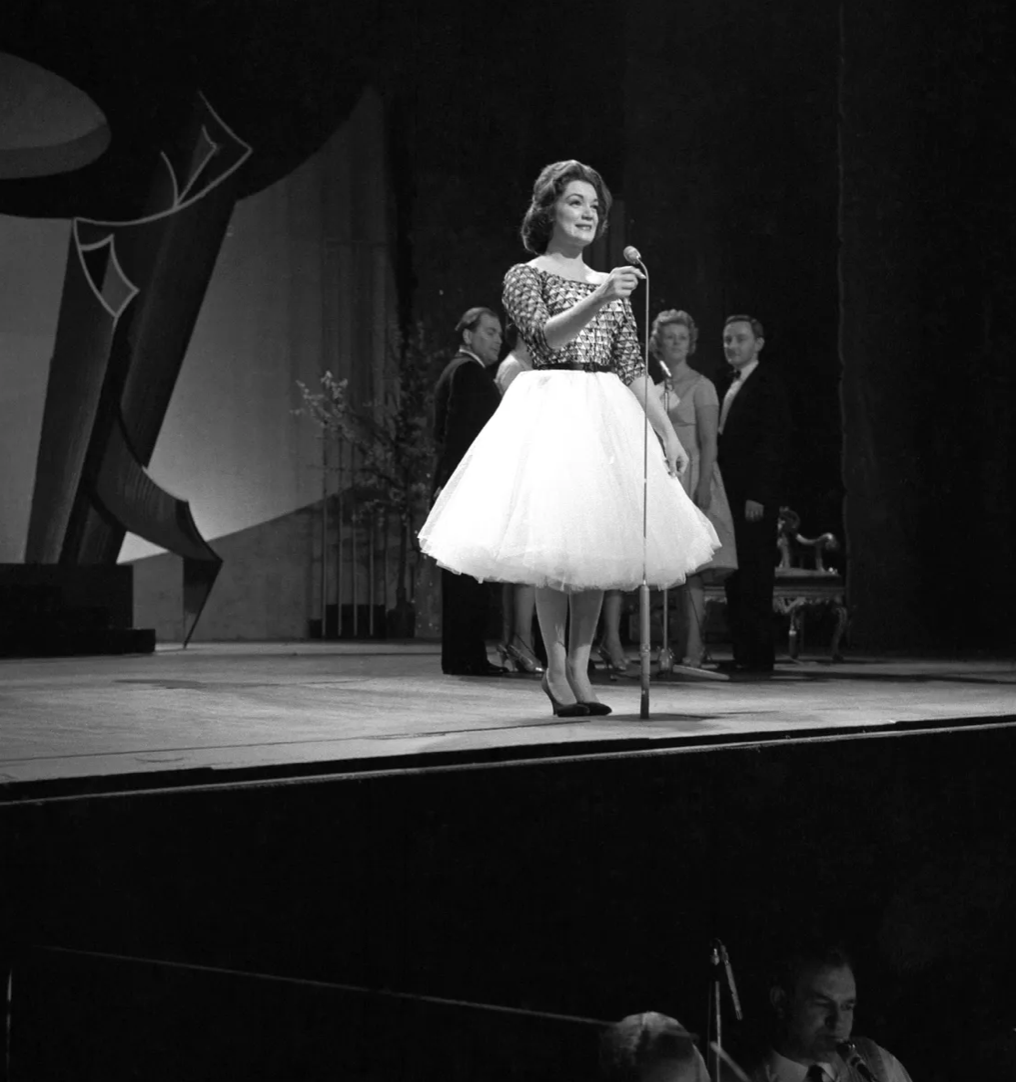
Her passion for music began at an early age, inspired by her father, George Franconero, who played the concertina, a traditional Italian instrument, in their family home. By the age of four, she began performing songs like “O Sole Mio” in public. Her father, certain that she was destined for fame, became the driving factor behind her career.
She spent her adolescence performing on the television show “Startime Kids,” but her early solo albums failed to make an impression. Everything changed just as she was about to abandon her musical ambitions in favor of a scholarship to New York University.
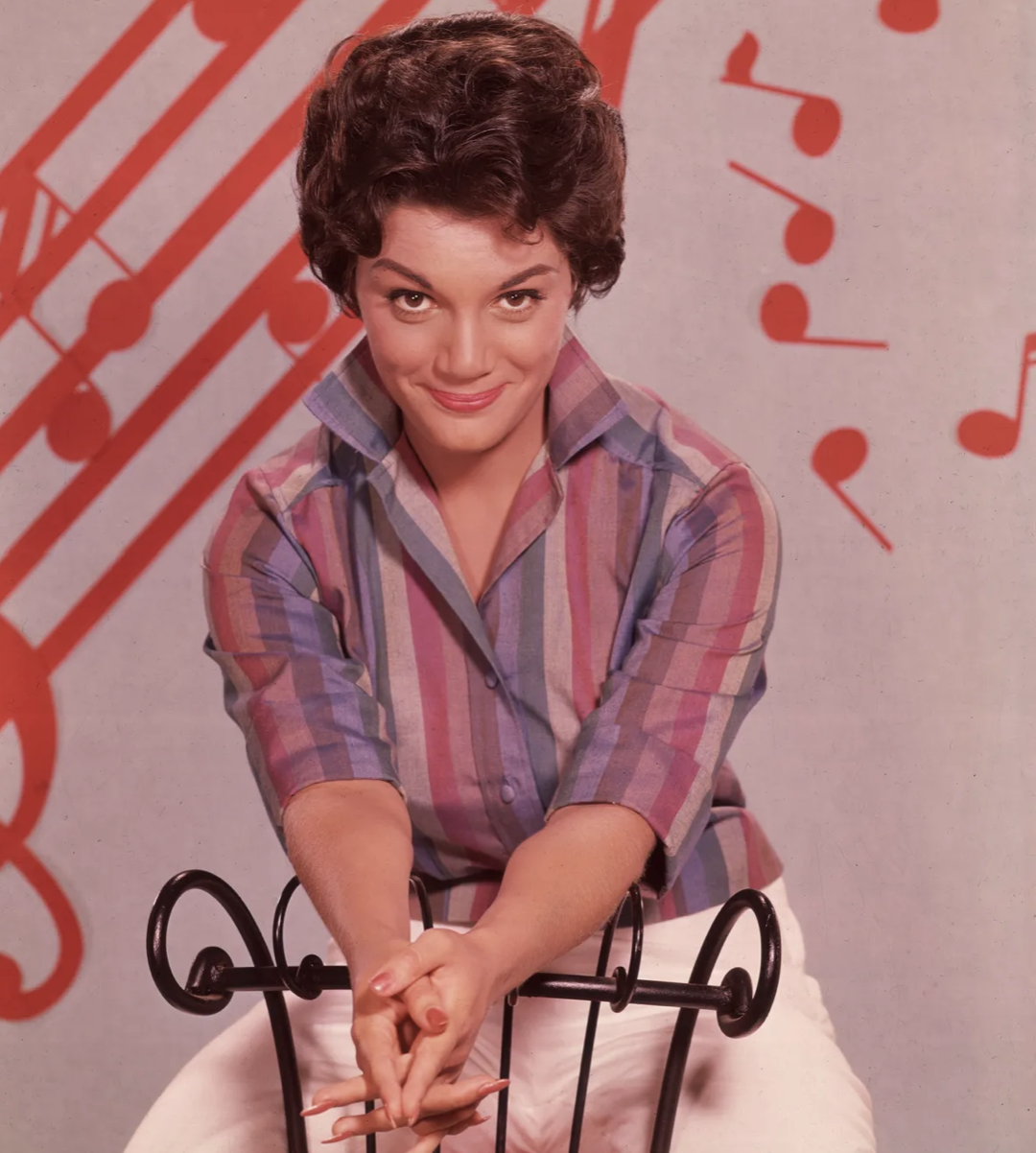
Her father encouraged her to release “Who’s Sorry Now?” in 1958. The song sold 1.5 million copies, propelling her to stardom. Over the next decade, she ruled the charts with songs such as “Stupid Cupid,” “Lipstick on Your Collar,” and “Where the Boys Are.”
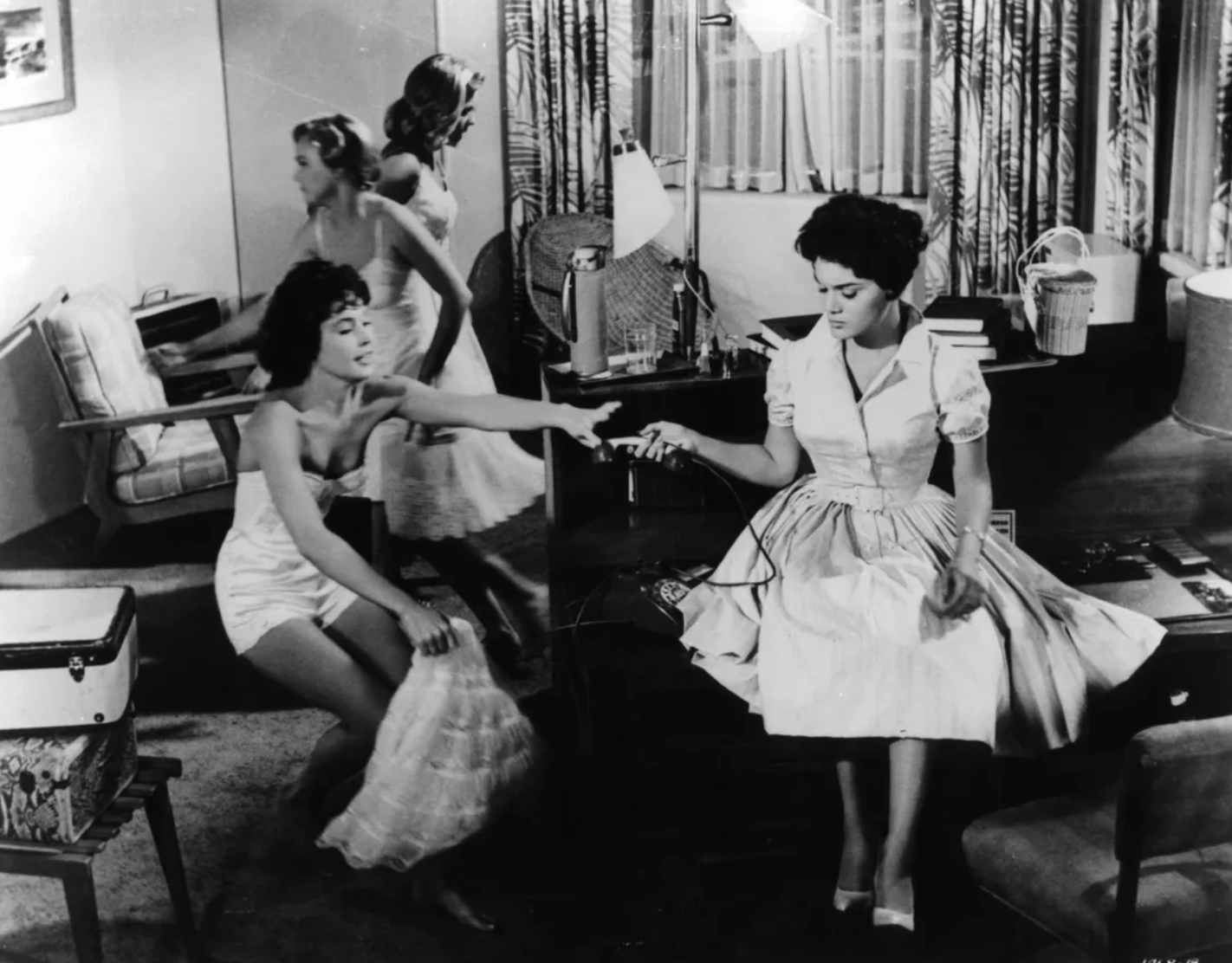
Her fame spread to Hollywood, where she appeared in musicals including “Follow the Boys” and “Looking for Love.” Despite her celebrity and money, her father’s strict control over her life would eventually strain her personal ties.
In 1956, she met Bobby Darin, a young composer looking to create a name for himself. Their first encounter was far from perfect; he departed frustrated following a discussion about one of his songs. But as they worked together, they became closer.
By the time she was 18, their connection had developed into a serious romance. Her father, on the other hand, was adamantly opposed to their relationship, fearing that it would jeopardize her promising career. He allegedly made tremendous efforts to end their relationship.
He once forced Darin to leave a rehearsal at gunpoint after learning of the young couple’s intentions to elope. She reluctantly kept away from Darin out of concern for his safety, yet the two continued to exchange loving letters for a while.
Darin, crushed by his separation, finally moved on and married actress Sandra Dee in 1960. Years later, she grappled with unresolved emotions and recollections of their conflicted passion.
Darin’s life and career were both exciting and brief. By the age of 24, he had attained legendary status, with four million-selling albums, two Grammy Awards, and an Oscar nomination for his appearance in the 1963 film “Captain Newman, M.D.”
However, a childhood rheumatic fever-induced cardiac disease hampered his achievements throughout his life. He had the conviction that his time was limited, famously remarking, “I have to be a legend by the time I’m 25 because that’s how long doctors gave me to live.”
Darin died in 1973, aged 37, as a result of complications from heart surgery. The news of his demise shook the singer. Years later, she acknowledged, “I never felt quite the same way about anyone the way I still feel about Bobby to this day.”
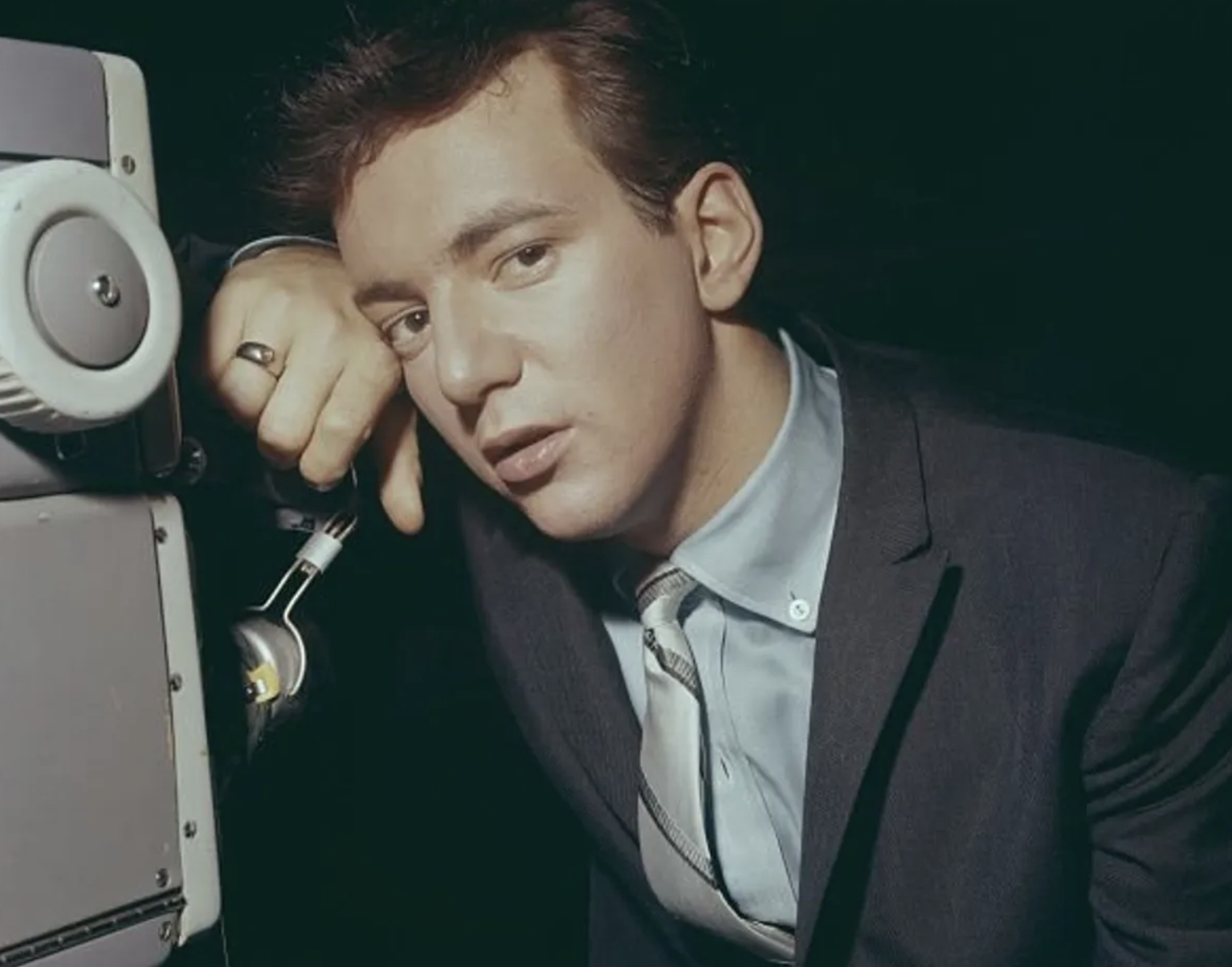
The realization that not only fate had cut short their love, but also her father’s rigorous meddling compounded her sadness. Nearly half a century after his death, the letters she wrote to him reappeared.
In 2016, she retrieved the 18 love letters placed up for auction by Darin’s family. A Darin admirer eventually outbid her, but the fan returned the letters to her without asking for cash, claiming they belonged to her.
She described the sensation of holding those letters again as bittersweet, bringing back memories of a love never fully realized. Her romance with Darin was her worst loss, but she would face more terrible tragedies.
In 1974, while vacationing in a Long Island motel, she had a terrifying incident. A guy entered into her bedroom while she was sleeping and raped her at knifepoint. The incident frightened her, and she subsequently regarded it as the start of her darkest phase.
A month after the incident, she adopted her son, Joey, as an infant. She then characterized him as her biggest source of delight in the years since. At the same time, her professional career came to a halt.
A botched nose surgery exacerbated her problems, rendering her unable to sing for seven years. Traumatized by the incident, she retreated from public life and became reclusive, unable to understand the awful experience.
She spent years enduring more remedial surgeries before regaining her voice. Her religion, family, and close friends all aided her in the arduous process of recovering. Years later, she spoke about the value of resilience and finding meaning after suffering.
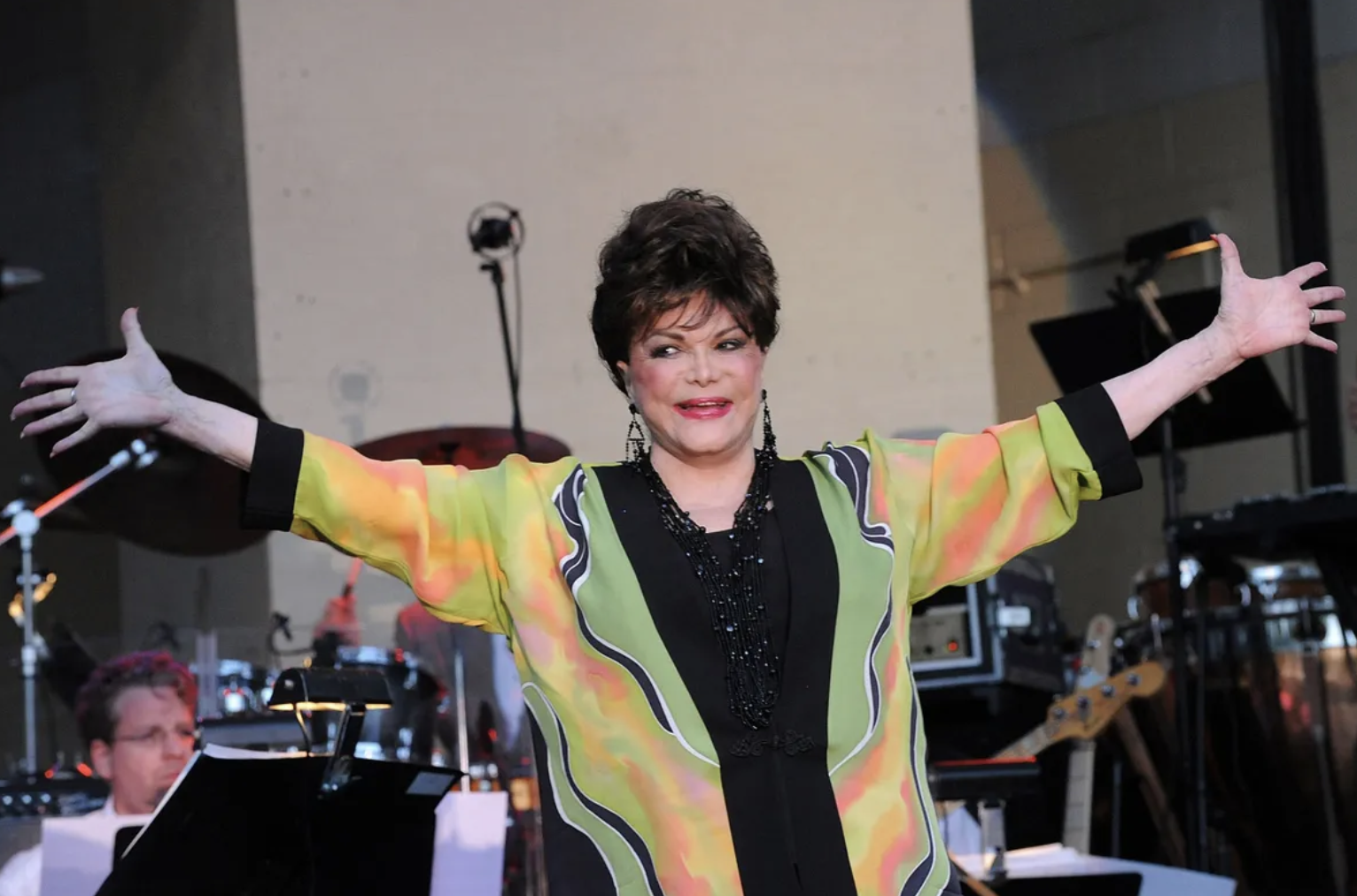
After years of striving to heal from this horrible occurrence, another catastrophic catastrophe hit her family, forever changing their lives.
In 1981, an execution-style killing claimed the life of her younger brother, George Franconero Jr., leaving her family devastated. On a cold morning in New Jersey, George, 40, was scraping ice off his car window when he was shot.
The death of her only sibling saddened the actress and her family. It was only after his death that she discovered George’s ties to organized crime, which she said she was ignorant of until too late. She characterized her mother’s anguish as excruciating.
The murder sent her into a downward spiral, prompting her to attempt suicide in the early 1980s by overdosing on sleeping pills. She subsequently stated, “I could not accept my brother’s murder. That was simply sad.
Her mental health issues necessitated many hospitalizations. However, with treatment and the support of family and friends, she gradually found the fortitude to carry on.
In the years that followed, she assumed the position of matriarch in her family, caring for her brother’s wife and children, as well as her parents and adopted son. After surviving so much loss and grief, she set out on a mission to find love.
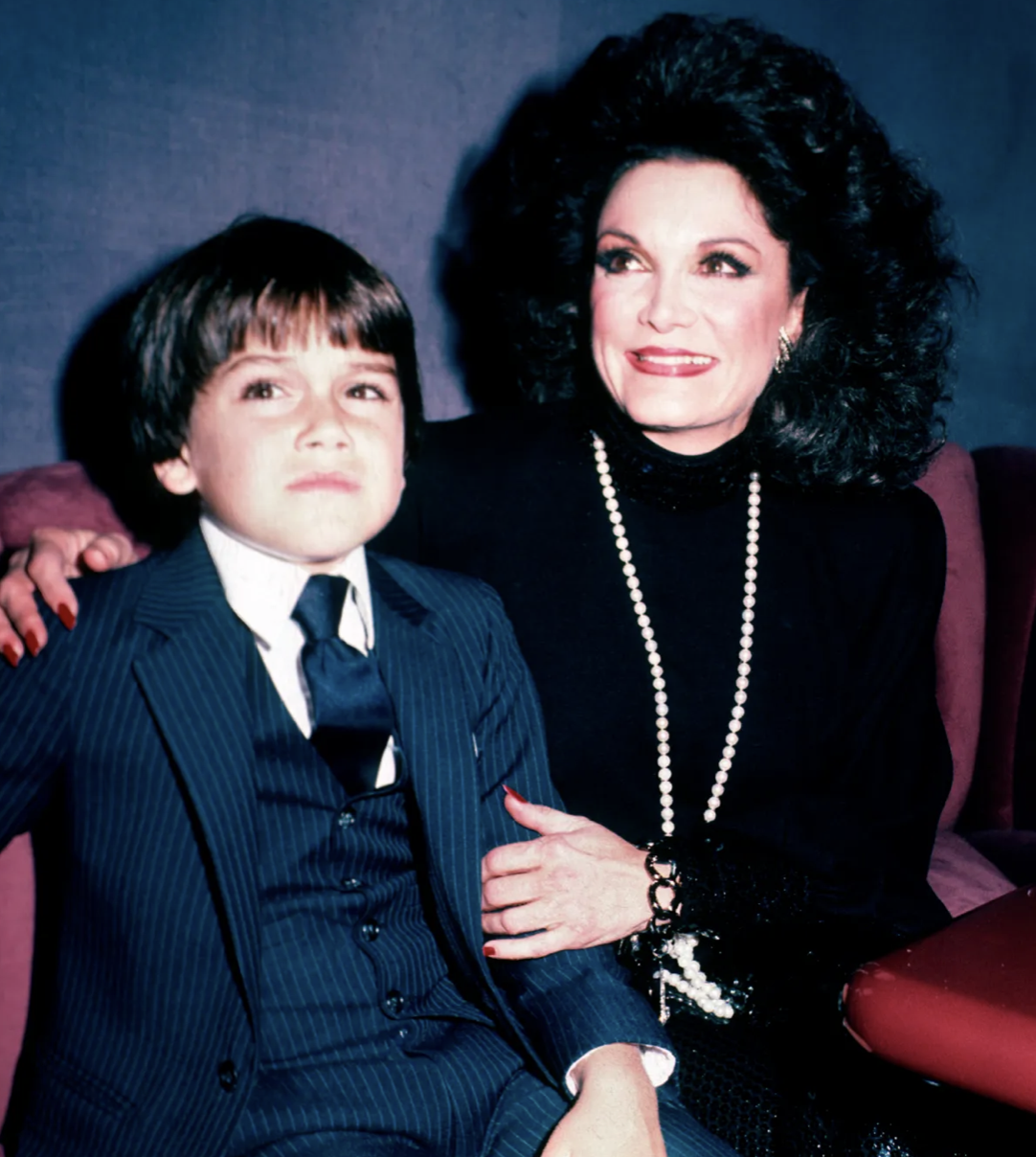
In the years after her breakup with Darin, she sought love in other relationships and married four times. Each union, however, resulted in divorce. Her marriages, she subsequently revealed, were efforts to reestablish the bond she had lost with Darin.
Joseph Garzilli, her third husband, was a writer most known for his work on the 1997 film “Opposite Corners.”. Bob Parkinson, her fourth and final spouse, produced projects such as “I Challenge You” (1985).
Despite her aspirations, none of her marriages lasted more than five years, with the shortest dissolving after only four months. Reflecting on her decisions, she stated that her personal life frequently took a second place to her job.
“If I had put as much thought into selecting husbands as I did with Vegas openings, I would have been fine,” she once told me. She also mentioned how her success in show business occasionally caused a strain on her relationships. “I spent most of my life apologizing to men for my success,” she told me.
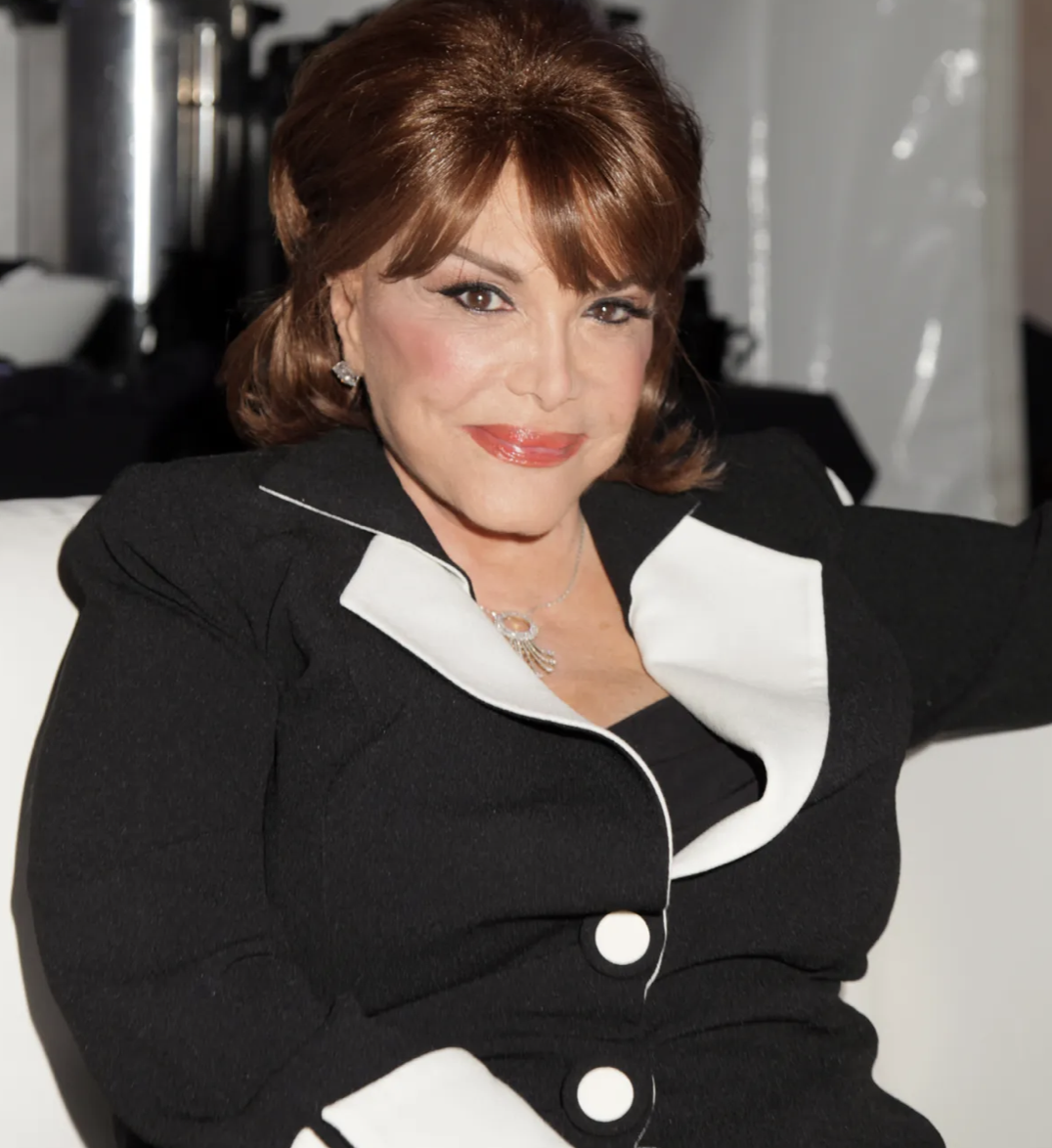
Despite a dismal love life, Connie Francis, at 87, is still one of the most famous characters of the twentieth century. Throughout her career, she sold over 80 million albums, making her one of the most successful female vocalists of her day.
Her famous anthems defined a generation, and her cinematic roles demonstrated her versatility as a performer. In addition to her achievements in music and movies, Connie found meaning in sharing her experience with the world.
She authored two memoirs: “Who’s Sorry Now?” in 1984, about her early career and personal hardships, and “Among My Souvenirs” in 2017, which delves further into her life’s ups and downs. In 2022, she said that she was working on new volumes to continue recounting her incredible story.
Francis has also utilized her position to campaign for issues important to her heart, such as victims’ rights, mental health awareness, and veteran assistance.
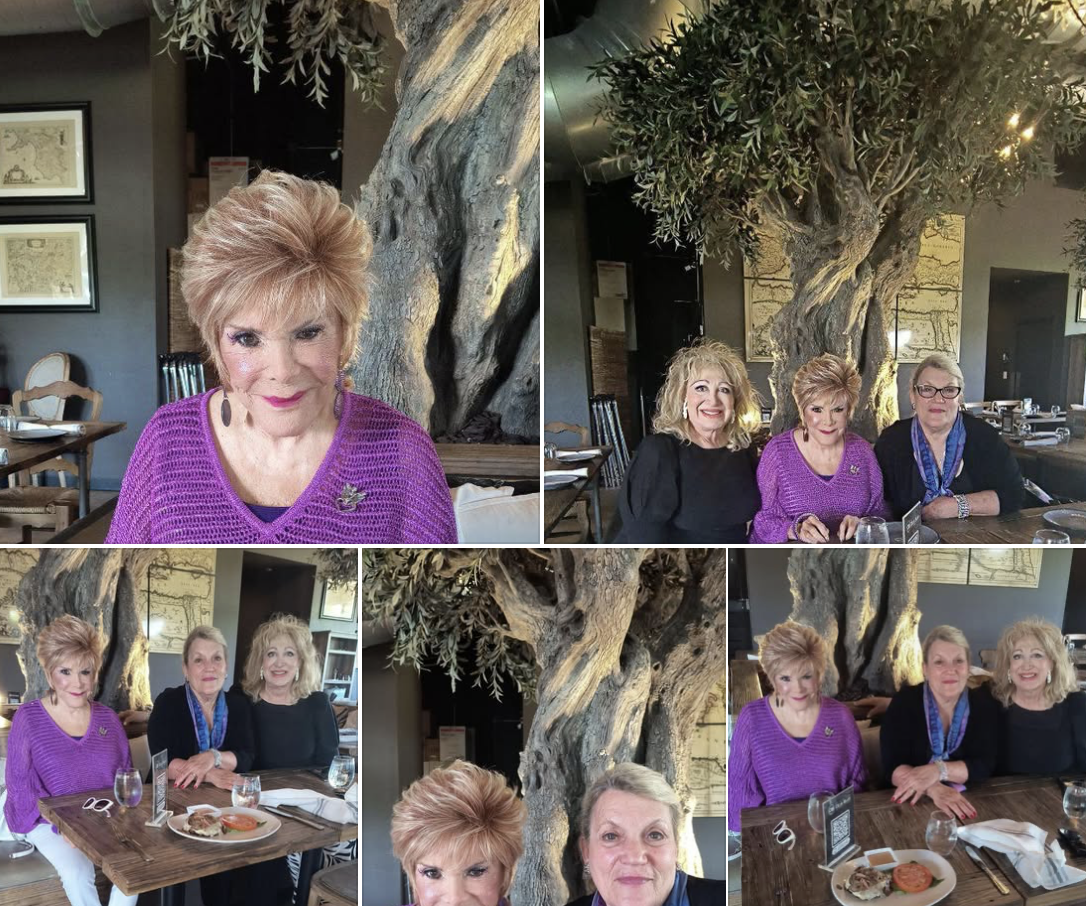
She currently lives a peaceful life in Florida. In recent years, she has concentrated on writing extensions to her book and reflecting on her incredible adventure. “For the first time, I have free time on my hands to do only what I want,” she said in 2022.
Despite her retirement, her supporters continue to honor her legacy with sincere remarks such as, “You are just as beautiful as ever, Connie,” and “She’s so gorgeous, and what a classy lady.” Another fan remarked, “Connie looking great like always,” while others simply said, “Beautiful!”
These tributes illustrate the tremendous regard and devotion that she continues to command decades after her ascent to stardom. Even now, her music and narrative continue to inspire many people.