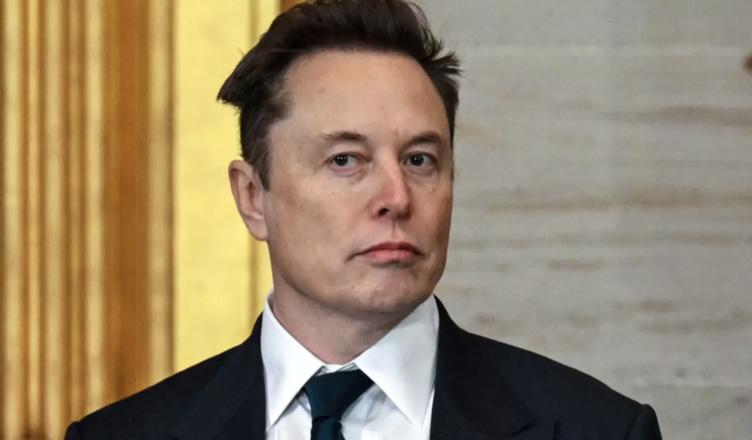
A federal judge has refused a ‘final’ motion to exclude Elon Musk and the Department of Government Efficiency (DOGE) from accessing government data during cost-cutting audits.
Despite not being an official government agency, DOGE, led by Musk, the world’s richest individual, has been entrusted with significantly lowering the federal personnel and eliminating any needless US tax spending.
Over the previous two weeks, the advisory council has committed to reducing the US national debt, which now stands at $36 trillion.
It has also terminated several government contracts, abolished Diversity, Equity, and Inclusion (DEI) initiatives, and made significant cuts to the United States Agency for International Development (USAID).
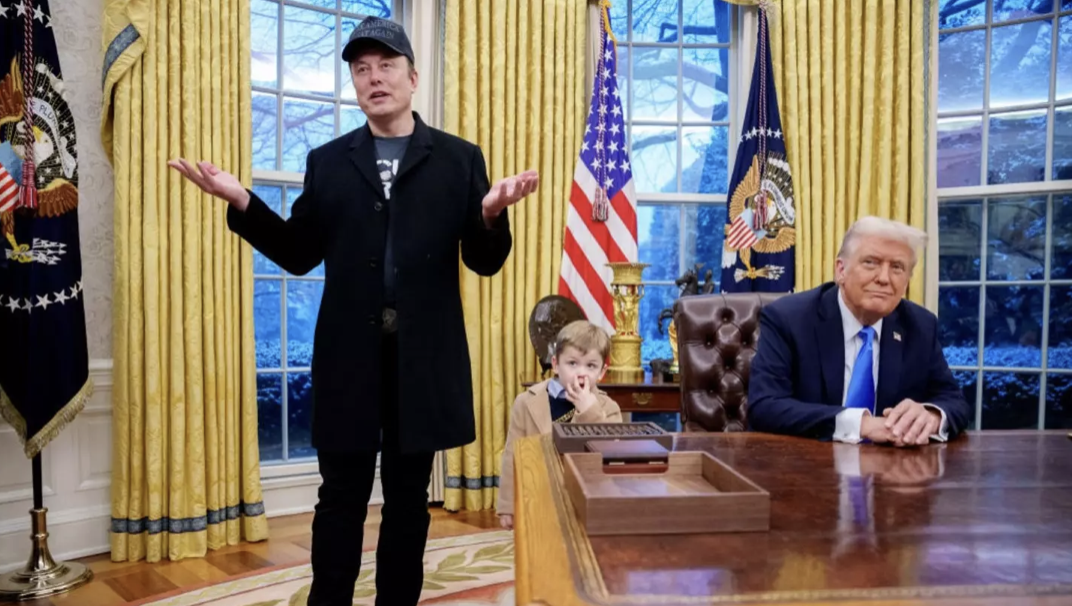
Several Democratic states have banded together to thwart these cost-cutting measures, requesting a temporary restraining order.
The case, filed in Congress, aimed to prevent DOGE from accessing information systems or terminating personnel in many federal agencies, including Energy, Transportation, and Commerce.
The states also wanted people working in Labor, the Office of Personnel Management, Health and Human Services, and Education to be exempt from a possible cull.
Other DOGE activities listed in the suit include ‘accessing sensitive and confidential government data’ and terminating federal contracts.
However, U.S. District Judge Tanya Chutkan stated on Tuesday (February 18) that the ‘possibility’ that DOGE may hurt the country by accessing data systems or making personnel choices was ‘not enough’ to suspend its activities.
“The court is aware that DOGE’s unpredictable actions have resulted in considerable uncertainty and confusion for Plaintiffs and many of their agencies and residents,” Chutkan said, according to NBC News.
“Plaintiffs correctly dispute what seems to be the unbridled authority of an unelected man and an agency that Congress did not create and has no supervision over.
“In these circumstances, it must be clear that this court is acting within the scope of its power. So, it can’t issue a TRO, especially one as broad as the Plaintiffs’ request, unless there is strong evidence that these Plaintiffs will be hurt right away and in a way that can’t be fixed.
According to Reuters, Chutkan stated that the plaintiffs, led by New Mexico, had not satisfied the ‘high bar for irreparable loss’ and that the states had failed to demonstrate why they were entitled to an urgent restraining injunction.
“The court is aware that DOGE’s unpredictable actions have resulted in considerable uncertainty and confusion for Plaintiffs and many of their agencies and residents,” the judge said.
“When litigants have identified specific individuals or programs imminently targeted by Defendants, courts have issued appropriately tailored [temporary restraining orders].”
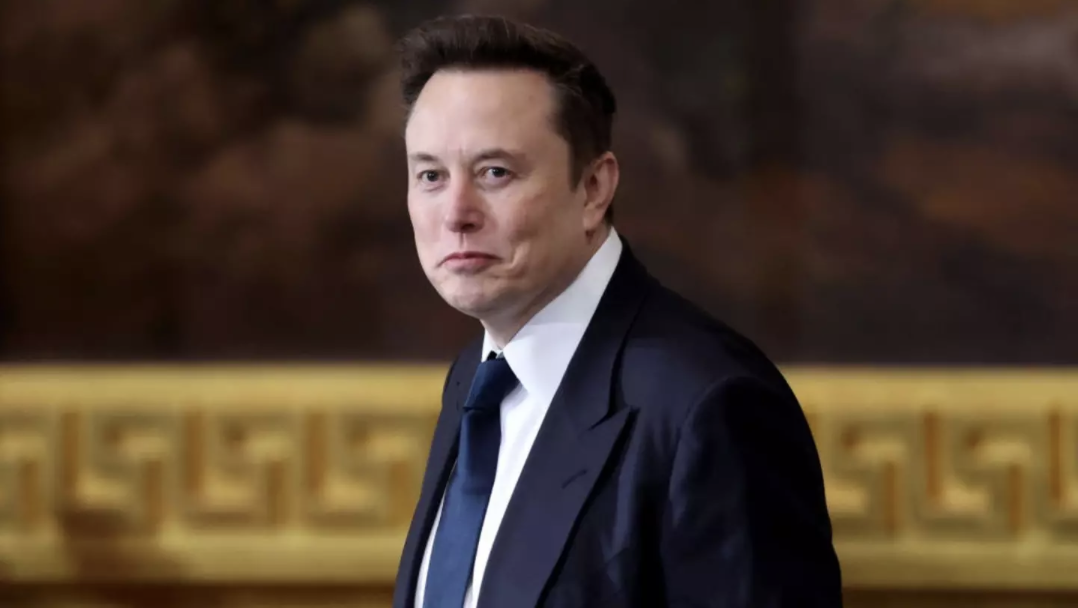
New Mexico Attorney General Raúl Torrez stated that he will pursue legal action against Musk and DOGE for ‘as long as it takes to bring this pandemonium to a stop.’.
According to the New York Post, Torrez stated that while he was ‘disappointed’ that the court would not give a temporary restraining order, he will continue to advocate for Musk’s ‘unlawful power grab’ to be stopped.
“Every day that he is allowed to operate without a congressional mandate and with little apparent supervision, Musk is destabilizing our government and disrupting critical funding for education, public health, and national security,” the doctor explained.
“His move fast and break things mentality is not only reckless but also unconstitutional, and we are prepared to pursue this case for as long as it takes to bring this chaos to an end.”
Following Musk’s ‘last attempt to halt,’ Chutkan has requested that the Democratic states supporting the block submit a suggested briefing schedule by 5 p.m. today (February 19) if they want to seek a preliminary injunction.