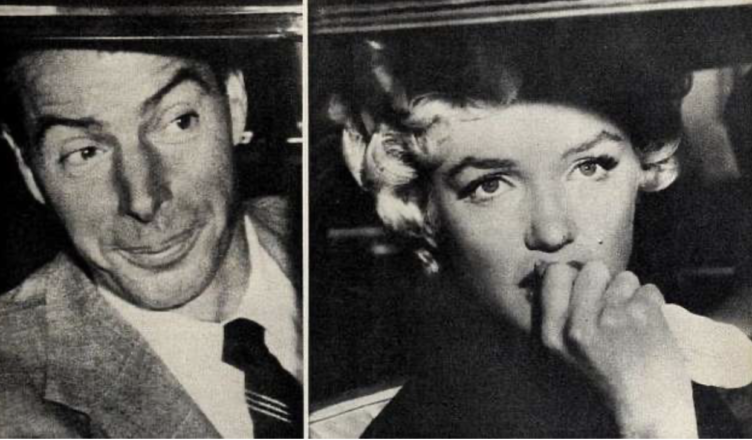
Marilyn Monroe, the famed Hollywood star, and Joe DiMaggio, the legendary baseball player, had a brief but passionate marriage.
Despite their widely publicized divorce, Joe’s strong feelings for Marilyn lasted long after her untimely death in 1962.
In a kind and strange gesture, he had flowers brought to her grave three times a week for almost two decades.
But what was the secret to his unshakable promise?
When Marilyn Monroe and Joe DiMaggio met on a blind date in 1952, a year after the Yankees icon retired from professional baseball, it was the start of a romance that would eventually become one of Hollywood’s most renowned love tales.
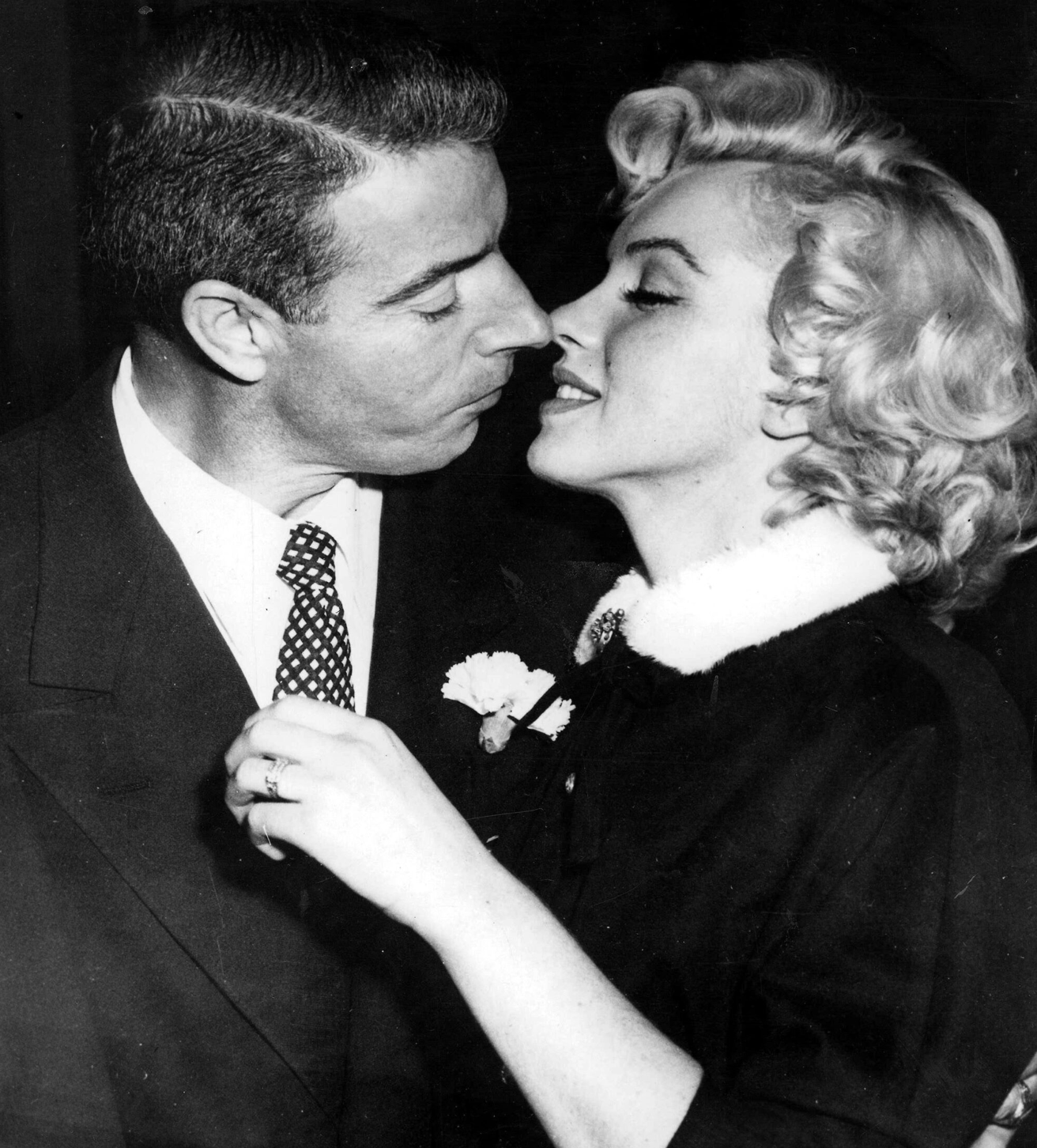
But their paths almost never intersected, as the blonde movie star was afraid to begin dating Joltin’ Joe. Marilyn thought he would be the archetypal, self-centered athlete. Unfortunately, her first concerns about DiMaggio proved to be justified.
But let’s start from the beginning.
Chaotic wedding
Marilyn Monroe and Joe DiMaggio’s love affair is considered epic because it brought together two of the most legendary people of their eras: Hollywood’s brightest star and baseball’s greatest hero.
Their 1954 wedding in San Francisco appeared like a dream come true, representing the peak of Hollywood elegance and the American Dream.
The New York Times called their relationship “one of America’s ultimate romantic fantasies: the tall, dark, and handsome baseball hero wooing and winning the woman who epitomized Hollywood beauty, glamour, and sexuality.”
Even though they were two of the world’s most renowned faces, they were still just two ordinary individuals who happened to fall in love.
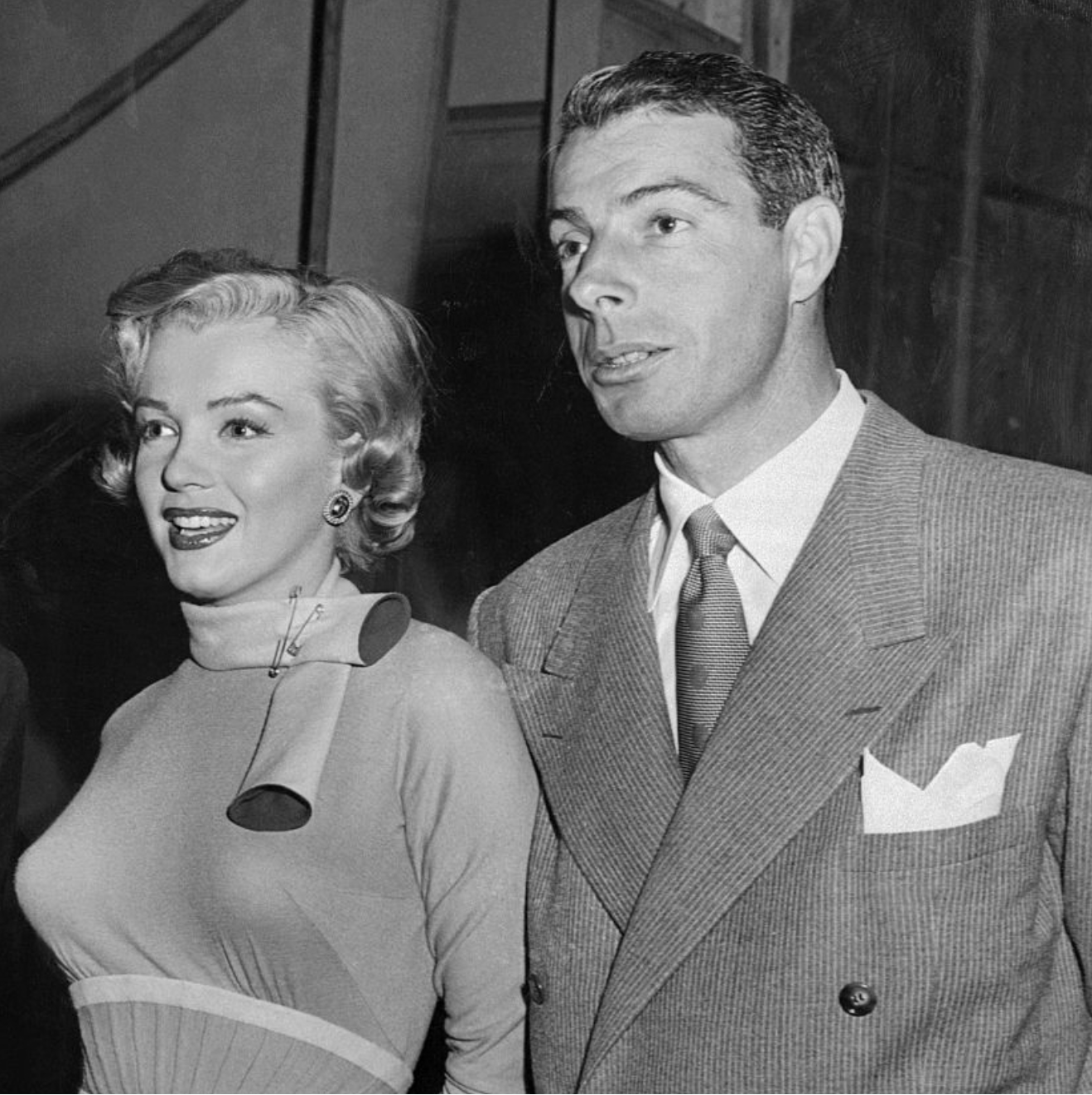
Joe was a devout Roman Catholic Italian lad who valued the comfort of his close-knit family and home, whereas she was a free-spirited woman raised in foster homes. He was uninterested in Hollywood’s flashy life, and she was unfamiliar with baseball, yet their paths met and sparks flared.
“I expected a flashy New York sports type, and instead I met this reserved guy who didn’t make a pass at me right away,” Marilyn remarked of DiMaggio in Spoto’s 1993 biography of her. “He treated me like something special.”
The legendary ex-New York Yankee slugger regarded Marilyn as “a beautiful blonde showgirl who might double as a devoted mother and homemaker.”
Both had prior marriages, and not everyone was delighted with Marilyn and DiMaggio’s relationship. The church, in particular, had a lot to say. As a consequence, their wedding was more muted than it may have been if it had been their first time being married.
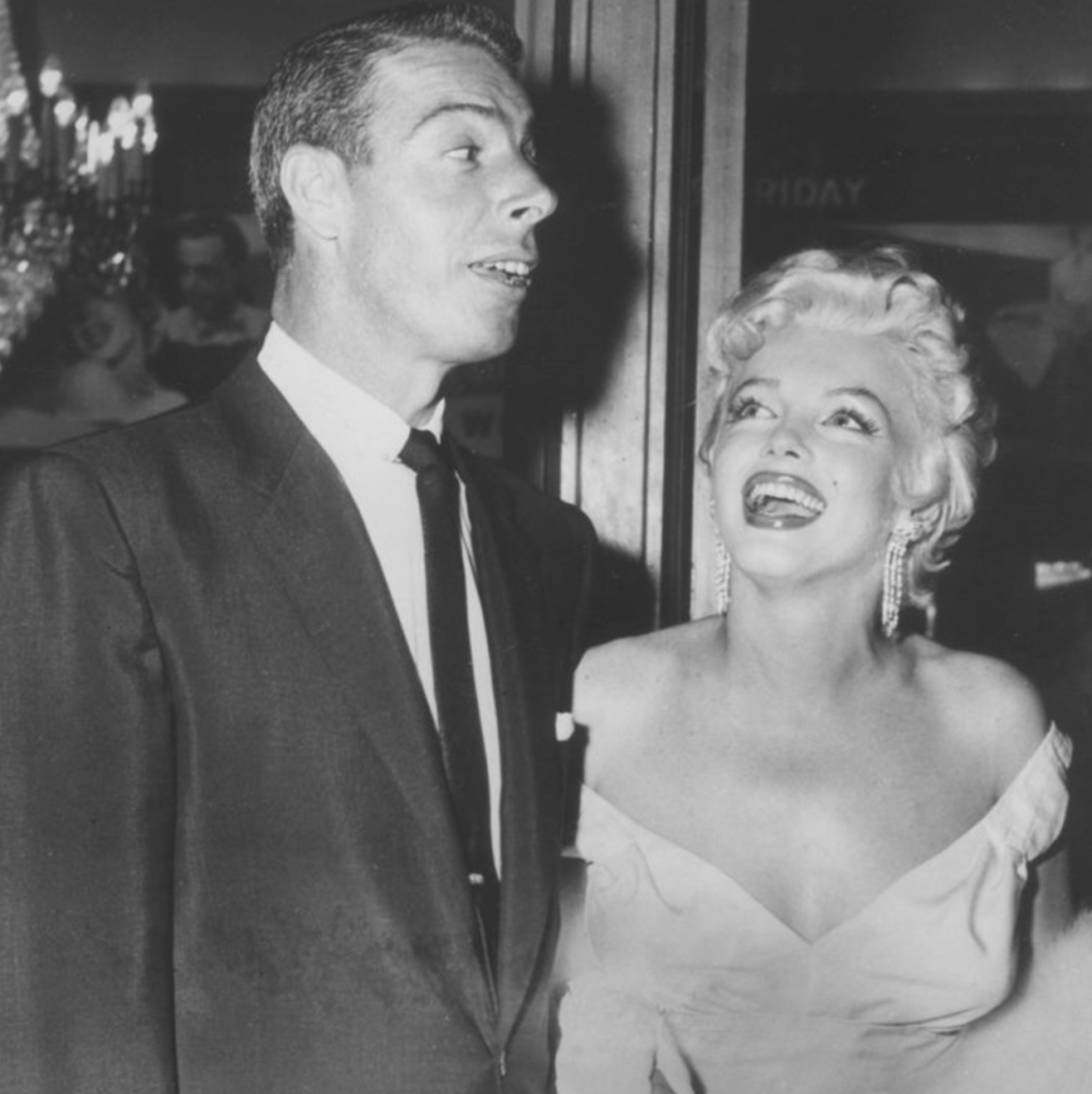
“Becoming the wife of a wonderful guy was not something I had planned or fantasized about. Joe had never considered marrying a lady who appeared to be 80% publicity. The reality is that we were pretty similar. My publicity, like Joe’s grandeur, exists on the outside. It has nothing to do with who we really are,” Marilyn explained.
“I don’t want to rush you…”
Back in 1954, the couple’s wedding preparations were the subject of weeks of speculation, with the press buzzing about possible venues. Many expected the couple to marry in the opulent surroundings of Las Vegas.
However, the pair elected to marry in Joe DiMaggio’s hometown of San Francisco, at Judge Charles S. Peery’s City Hall. Despite their efforts to keep the location a secret, the media discovered the venue and gathered outside well before the couple arrived.
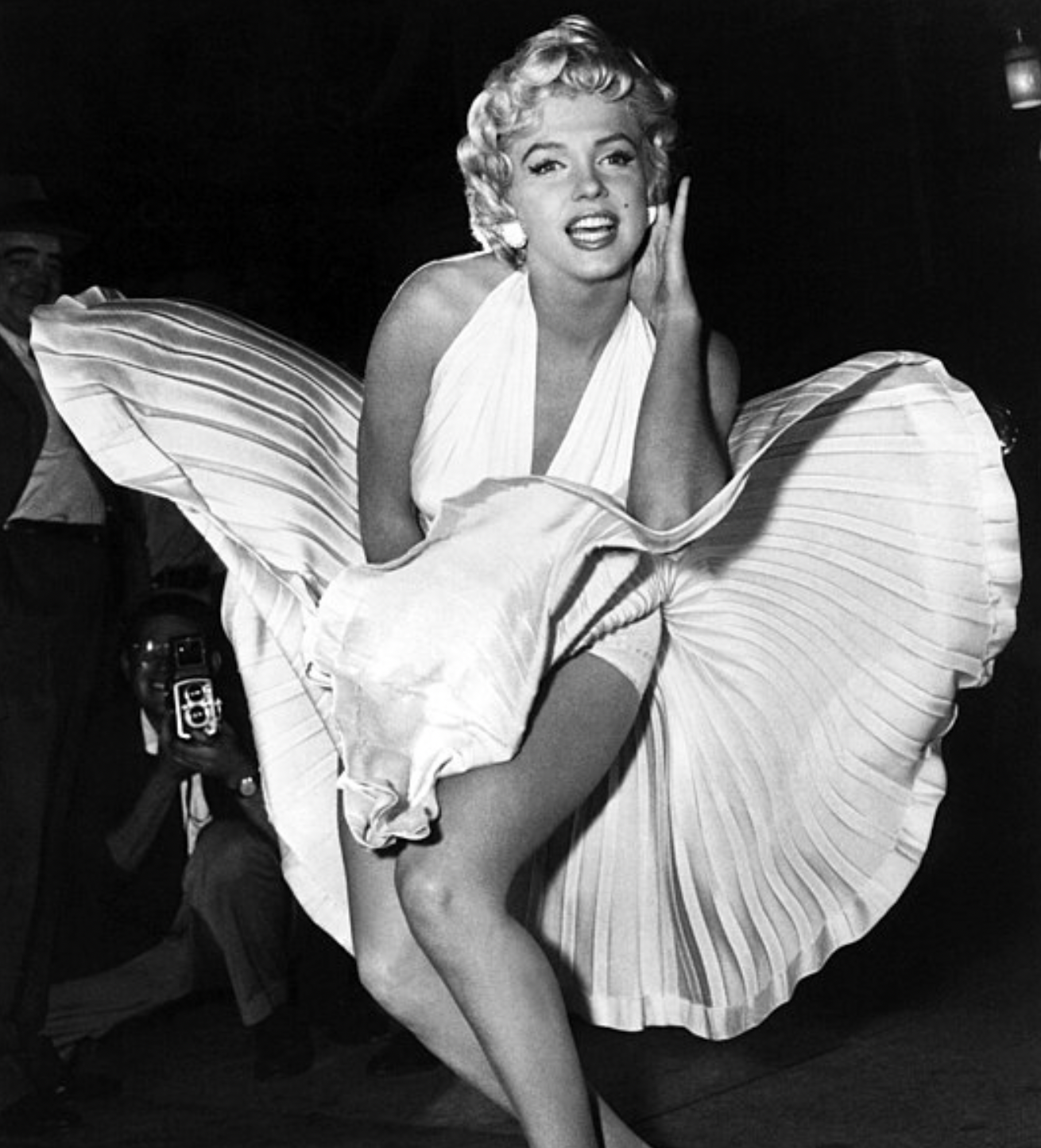
When Monroe and DiMaggio arrived, they were met by a crowd of reporters and photographers. Marilyn responded to their queries in a professional manner. In contrast, the typically secretive DiMaggio remained quiet, making few comments to the excited press.
“All right, fellas, I don’t want to rush you,” DiMaggio remarked, adding, “but we’ve got to get on with the ceremony.”
The stars exchanged vows during an intimate ceremony witnessed by only a few people. However, the true test came when they attempted to depart City Hall.
Throngs of people practically rushed the newlyweds in the halls, and over 300 fans had waited outside, demanding autographs or simply a sight of the celebrity pair. Reporters also wanted to know where DiMaggio and Monroe would spend their honeymoon. Before the duo stepped into a waiting Cadillac, the Yankees star responded cryptically.
“North, south, west, and east,” DiMaggio said.
Later, it was reported that the couple spent their honeymoon in Idyllwild, California, before traveling to Japan.
Despite becoming newlyweds, they could not entirely abandon their occupations. In Japan, DiMaggio helped to teach Japanese baseball players. Meanwhile, Marilyn Monroe traveled to Korea, where she entertained and sang for 100,000 Americans. Marines. Joe recognized, for the first time, how much Marilyn’s reputation eclipsed his own.
As a sports icon and American hero, he was used to being the center of attention, but suddenly Marilyn piqued everyone’s interest and curiosity.
When she returned from Korea, she enthusiastically informed DiMaggio.
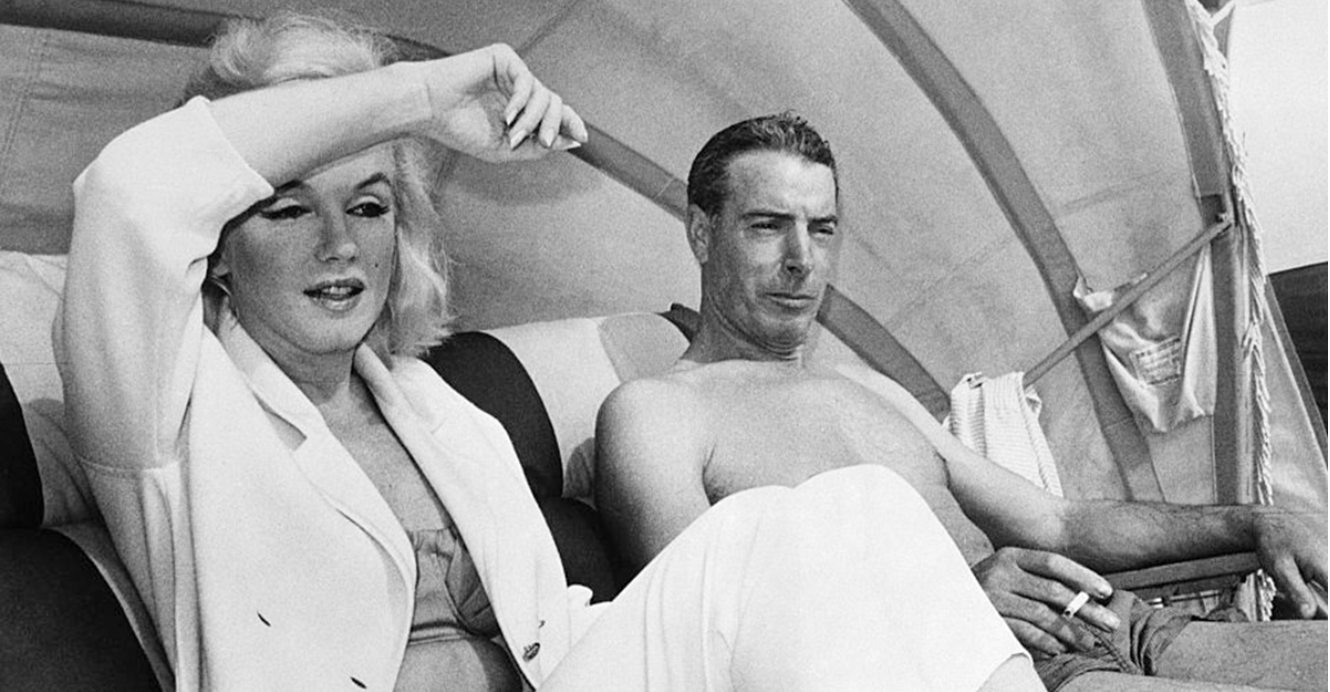
“It was great, Joe.” You’ve never heard such cheering.”
“Yes, I have,” he answered.
Joe DiMaggio and Marilyn Monroe had children.
DiMaggio made it obvious from the outset of their marriage that he wanted to avoid the spotlight. The stars wished to start a family, but Marilyn wasn’t interested in being a housewife.
Monroe said in her memoirs that she and DiMaggio shared several interests, including a wish to have children despite her endometriosis diagnosis.
After returning to the United States, the couple moved to Beverly Hills and endeavored to live a regular life. However, early signals indicated that their position was far from ideal or typical. DiMaggio, an exceedingly private person, never felt entirely at home in Los Angeles, but this was far from the marriage’s main difficulty.
Instead, DiMaggio’s jealousy, alcoholism, and inability to deal with Monroe’s popularity eventually ended their marriage. To make matters even worse, he physically abused Marilyn.
DiMaggio, described by reporter Jim Cannon as “the shyest public man I ever met,” reportedly desired a stay-at-home wife.
He loathed being photographed or questioned, and he battled with Marilyn’s growing celebrity. Monroe, on the other hand, desired to broaden her cultural horizons with a partner who was interested in her profession.
The climax occurred in September 1954, when Monroe began filming Billy Wilder’s comedy The Seven Year Itch, in which she portrays a lady who becomes the focus of her married neighbor’s (Tom Ewell) sexual obsessions. Hollywood shot the film, but to garner more attention, the studio set up a famous scene on Lexington Avenue in Manhattan.
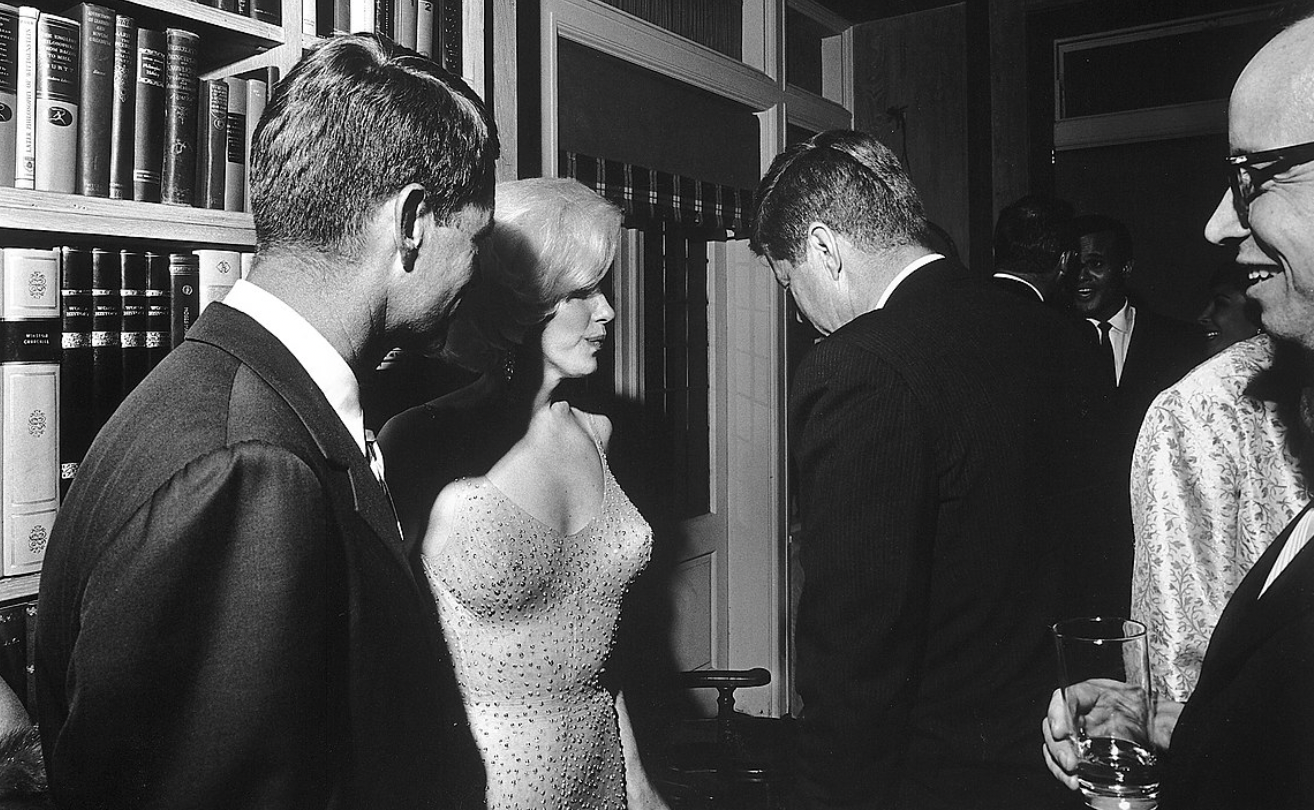
Marilyn stood over a subway grate, the breeze from passing trains blowing her white dress higher. The classic session lasted many hours and attracted approximately 2,000 people. The subway grate sequence became one of Monroe’s most memorable moments, and The Seven Year Itch was one of the year’s biggest commercial triumphs when it debuted in June 1955.
The final straw.
The memorable incident, however, deeply disturbed her spouse. According to eyewitnesses at the time, DiMaggio remained on the sidelines while fans stared at Monroe’s famed legs. His pals subsequently reported that he despised the entire event.
Some claim he displayed little public emotion throughout the shooting, while director Billy Wilder noted that the baseball star “had the look of death.”
And, clearly, the skirt-blowing scenario disturbed him. Only minutes after the filming concluded, Joltin’ Joe lost his composure. A furious quarrel occurred in the theater foyer, culminating in a yelling confrontation between Monroe and DiMaggio.
“He said … exposing my legs and thighs, even my crotch — that was the last straw,” Monroe told reporters afterwards.
Reason for Divorce
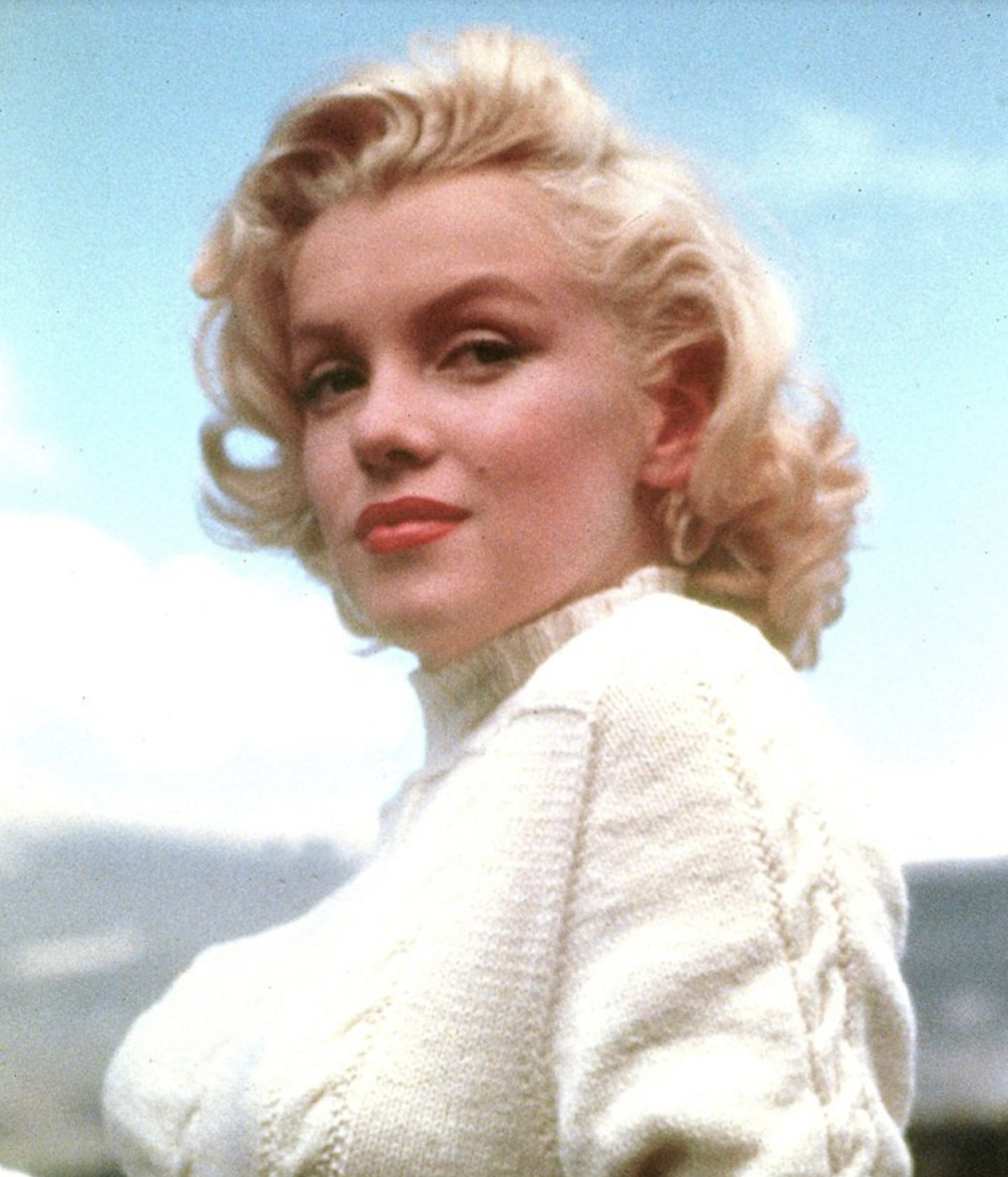
Their inner suffering during the shooting of The Seven Year Itch contrasted sharply with the public picture of their beautiful existence. Except for the two persons involved, no one has any idea what transpired later that evening. However, Monroe’s bruises on her arms the next day fueled speculation that DiMaggio had turned aggressive.
On October 6, 1954, Monroe emerged from her Beverly Hills home on North Palm Drive, apparently teary and distressed, to announce her separation from DiMaggio.
She filed for divorce from the former baseball great, alleging “mental cruelty.” He was 39 at the time, and she was 27.
Weeks later, the legendary blonde, her voice sometimes cracking with emotion, told Santa Monica Superior Court Judge Orlando Rhodes that the former New York Yankee star was grumpy and even prohibited her from inviting friends around.
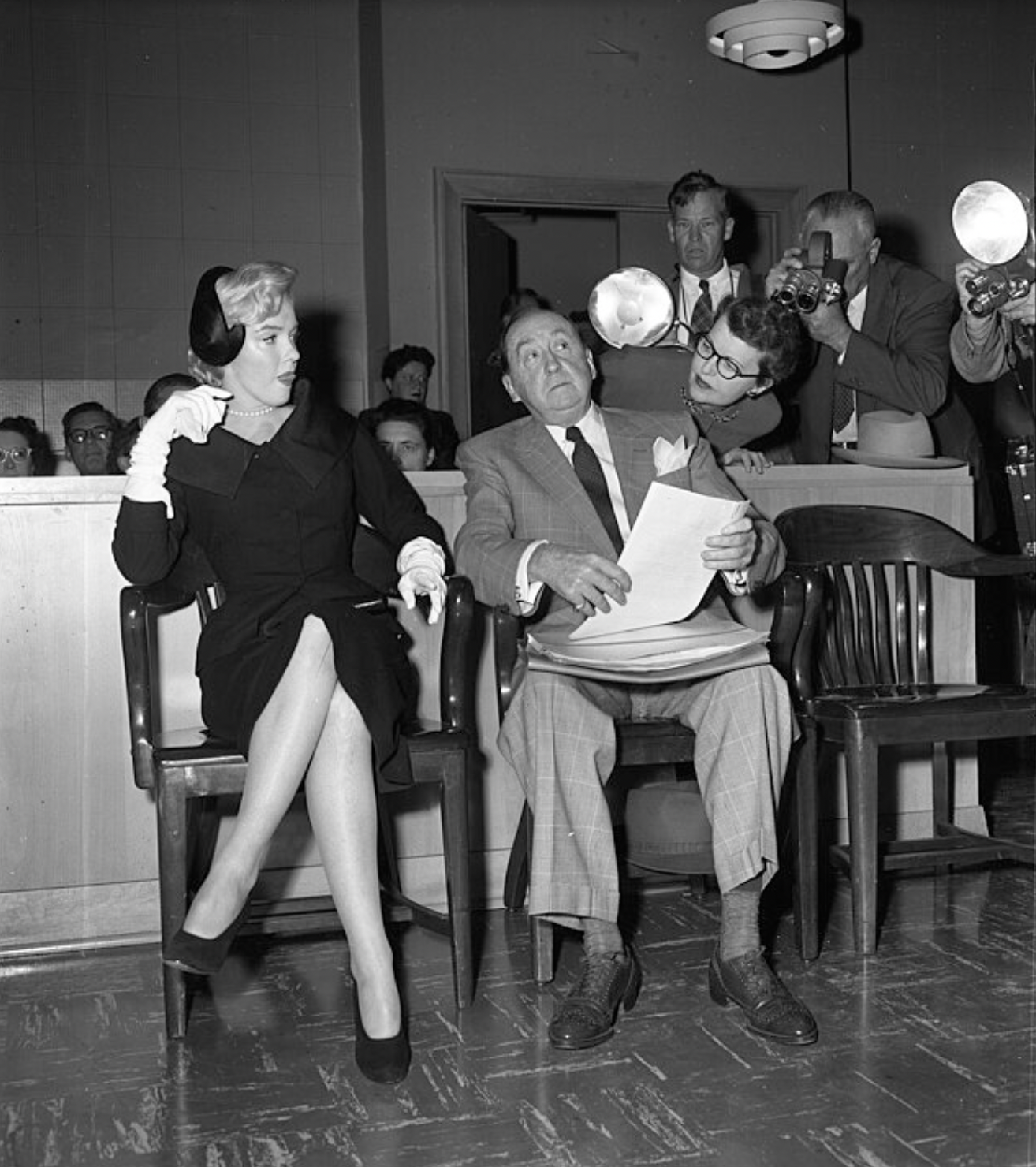
The courtroom was filled with onlookers, journalists, and attorneys who had traveled from various parts of the courthouse to hear the 29-year-old movie star testify. Her makeup was smudged with tears as she talked.
Monroe, dressed in a tight-fitting black wool suit with a plunging neckline, stated, “I voluntarily offered to give up my work in the hopes that it would solve our problems—but it didn’t change his attitude.”
Judge Rhodes granted the divorce following only 15 minutes of testimony.
“He was cold.”
“The Yankee Clipper” did not challenge the divorce, but he was saddened and sent letters to Monroe apologizing and declaring his eternal love for her.
“I love you and want to be with you … There is nothing I would like better than to restore your confidence in me … My heart split even wider seeing you cry in front of all those people,” DiMaggio wrote. She went on to say:
“I don’t know what your thoughts are about me, but I can assure you that I love you sincerely — deep in my heart, regardless of anything.”
Marilyn Monroe was asked about the true cause for her divorce some time after it was finalized.
“For the reasons I stated in court,” I know that when women file for divorce, they often give false grounds. But I said the truth.”
“He did not speak to me. He was chilly. He did not care about me as a person or an artist. He didn’t want me to have my buddies. HR did not want me to complete my assignment”. He watched television instead of talking to me,” she told The Sacramento Union in 1960.
Personal crisis.
After her divorce, Marilyn Monroe had a personal crisis. She quit Fox, entered psychotherapy, and became tired of “the same old sex roles.”
In 1955, she relocated to Manhattan in search of a new beginning.
Despite the turbulence, she maintained her romance with DiMaggio. During this period, she dated both actor Marlon Brando and poet Arthur Miller, whom she married in 1956.
After her divorce from Arthur Miller in 1961, Marilyn appeared lost and unhappy. She had various health issues, including drug misuse and perhaps bipolar illness. Along with these difficulties, she suffered medical ailments such as endometriosis and gallbladder illness.
During this turbulent period, DiMaggio reentered Monroe’s life, and their friendship became stronger over time. When Marilyn was hospitalized in 1961 due to a psychological breakdown, DiMaggio was there to assist her in getting back on track.
He was also present when she awoke from emergency gallbladder surgery that same year. Despite his steadfast support throughout her worst times, Monroe dated her friend Frank Sinatra.
No woman ever replaced Marilyn in DiMaggio’s life.
Before her sad death, DiMaggio resumed spending time with Marilyn. According to some sources, DiMaggio told close pals that they planned to remarry. Former colleague Jerry Coleman even mentioned seeing them together during Marilyn’s last years.
“I was doing shows in New York and was walking down Park Avenue to my car.” I saw the pair walking down the street, with Joe’s head held high and his arm around Marilyn. They were simply daydreaming and did not notice me. So I didn’t bother to stop and say ‘hello.’ I assumed he was content as is, so I left him alone,” Coleman said.
Marilyn dies.
Marilyn Monroe was only 36 years old when the news of her death broke and shook the entire world. No one was more saddened than her ex-husband, Joe DiMaggio, who took the tragic news more seriously than anybody else.
The circumstances surrounding her death were fairly unclear, prompting several conspiracy theories. Authorities at the time declared her death a homicide.
Marilyn died alone, as discovered by her housekeeper and psychiatrist. Her body lay lifeless in her bed, her hand resting on the phone. A small pharmacy of sedatives, tranquilizers, opiates, “speed pills,” and sleeping pills crowded the nightstand, serving as a terrifying reminder of her troubles.
The pop culture star has no family to inform. When the officials arrived, they weren’t sure who to contact. Finally, they called DiMaggio.
The baseball great oversaw Marilyn Monroe’s burial arrangements, claiming her corpse and coordinating the funeral with the assistance of her half-sister and manager.
Barred Sinatra and the Kennedys
To make the event cozy and private, DiMaggio planned a small, exclusive service at Westwood Village Memorial Park Cemetery, with just 33 persons in attendance. He intended to take the funeral’s emphasis away from what he saw as her final downfall: her celebrity.
DiMaggio insisted that no Hollywood elite could attend, but many tried to get in. Despite the strain, DiMaggio held firm and delivered his response.
“Tell them,” DiMaggio replied, “if it wasn’t for them, she’d still be here.”
DiMaggio also barred the Kennedys from attending the funeral. Monroe’s mother, who was in a sanatorium at the time, was unaware of her daughter’s death and hence did not attend the ceremony either.
DiMaggio made the decision to exclude his former friend Frank Sinatra from the funeral, believing that he had contributed to Marilyn’s decline.
“Joe’s planning of Marilyn’s funeral was a message to everyone that he and Marilyn still belonged together,” Rock Positano, author of Dinner With DiMaggio, told History.
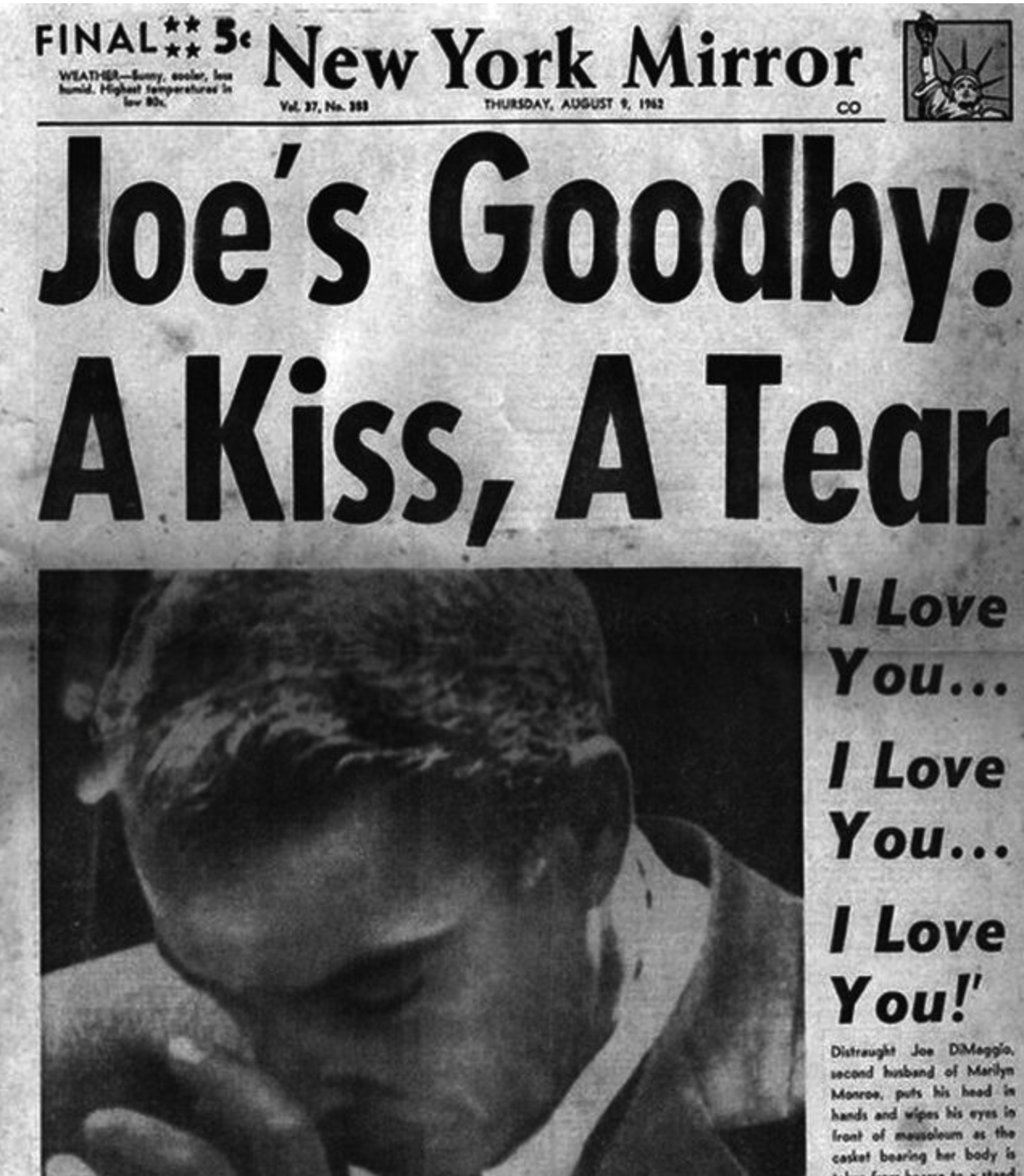
During the event, Joe DiMaggio burst into tears. He was the last one to leave the modest chapel, overcome with sadness.
“I love you, I love you,” the New York Yankees slugger said as he stooped down to kiss his ex-wife’s lips goodbye.
His emotional farewell was a beautiful conclusion to the terrible life of the blonde bombshell and cinematic icon.
Why did he send fresh red roses?
Marilyn’s death undoubtedly plagued DiMaggio for the rest of his life.
Dinner With DiMaggio quotes DiMaggio as stating, “I’ll go to my grave regretting and blaming myself for what happened to her.”
“Sinatra told me later that ‘Marilyn loved me anyway, to the end.'”
He never remarried and rarely talked about her. When DiMaggio dated other women, he made it plain that Marilyn’s name would never be discussed.
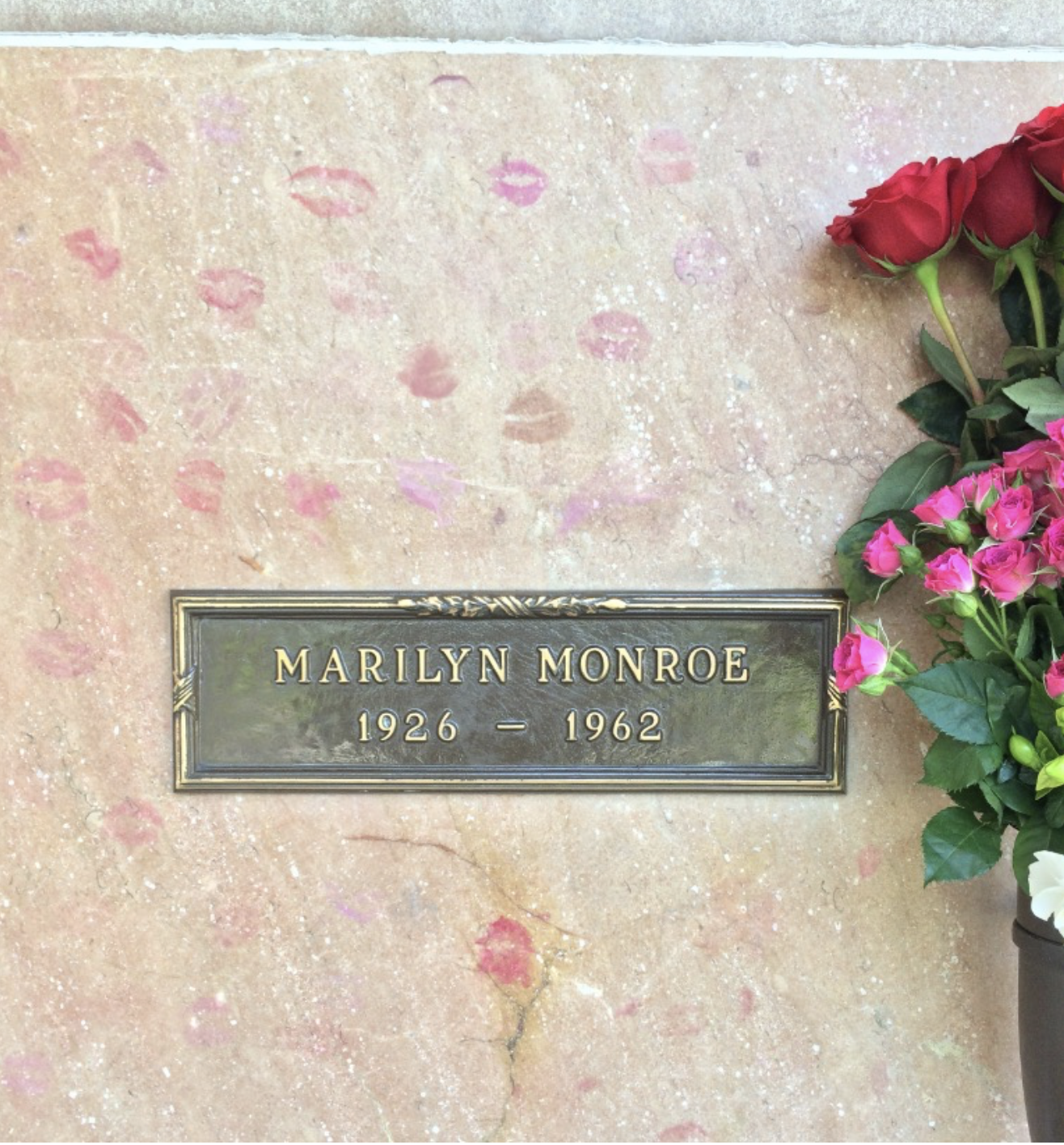
For two decades, DiMaggio sent flowers to Marilyn’s grave. The flowers for Monroe’s mausoleum at Pierce Brothers Memorial Park in Los Angeles arrived three times a week.
In 1962, the florist who received DiMaggio’s order remembered his modest instructions: “Three times a week… forever.”
Brad Dexter, an actor and film producer who was close to Marilyn Monroe, has his explanation as to why DiMaggio never completely let her go.
“I honestly think,” Brad Dexter told PBS, “that during those years, [DiMaggio] visited her grave site and placed flowers… He still loved her, but he did it out of a strong sense of remorse. I am convinced that he played a role in her demise. I am confident that if he had acted differently, they would have had a successful marriage. He ruined it—and he felt guilty.”
DiMaggio’s final remarks.
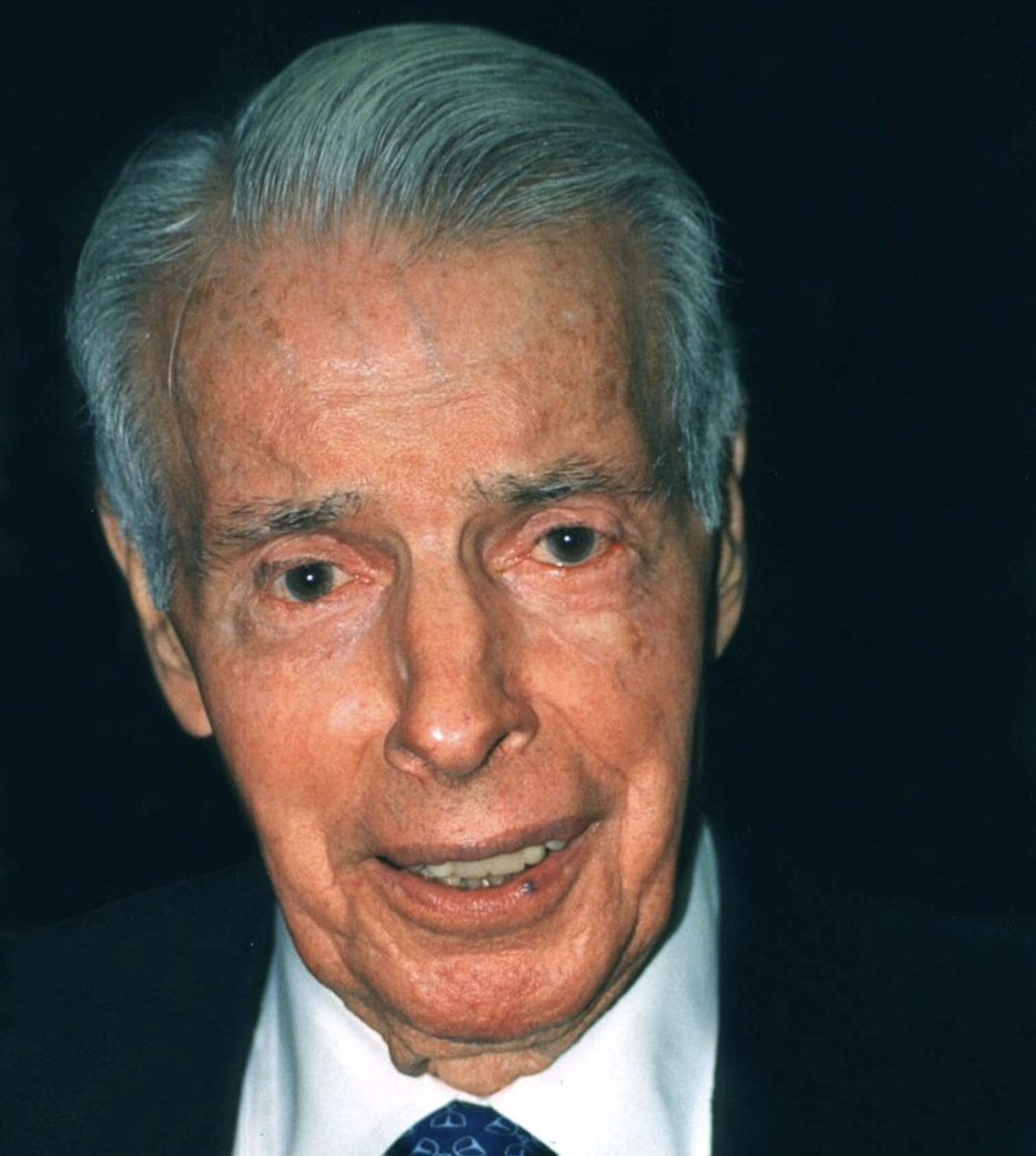
Joe DiMaggio, 84, died of lung cancer in March 1999 after chain-smoking three packs of cigarettes a day.
According to Morris Engelberg, DiMaggio’s lawyer, the baseball legend died with Marilyn Monroe’s name on his lips.
Lying on his deathbed, he whispered,
“I’ll finally get to see Marilyn.”
Morris Engelberg told Vanity Fair that DiMaggio had previously spoken openly about his affections for Marilyn.
“We were sitting on the patio one night, discussing his illness, when he said, “I don’t feel guilty about dying.” At the very least, I’ll see Marilyn again.”
Engelberg also disputed a New York Daily News allegation that DiMaggio had no final remarks, citing a hospice staff member.