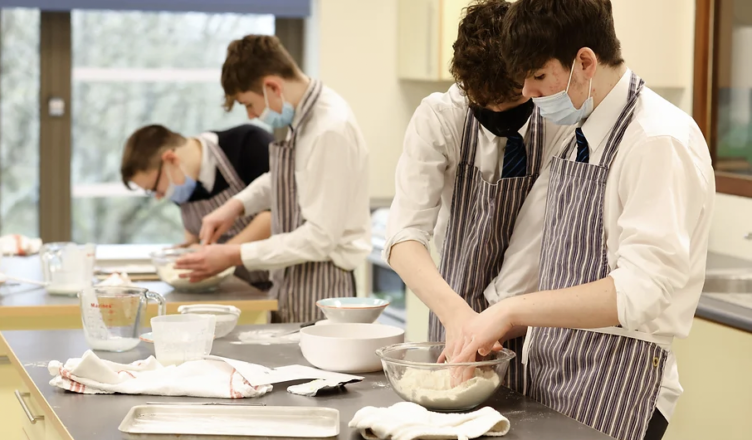
If you graduated from high school before the year 2000, chances are you took a home economics or home studies class. If you were a girl, of course. There’s no doubting how beneficial it is to understand these household concepts.
The sexist aspect of home economics is that men do not attend these classes.
Women and men caring for the house and family are more accepted nowadays. Unfortunately, home economics programs are disappearing, and fewer schools are providing their students—both boys and girls—with the opportunity to acquire the fundamentals of adulthood.
Many individuals want home economics to be reintroduced into schools so that children may learn topics that they couldn’t learn in math and history.
This is especially true in today’s hectic environment, when parents work long hours and many high school students return home to an empty house. They are required to cook for themselves and perform basic household tasks such as washing and laundry.
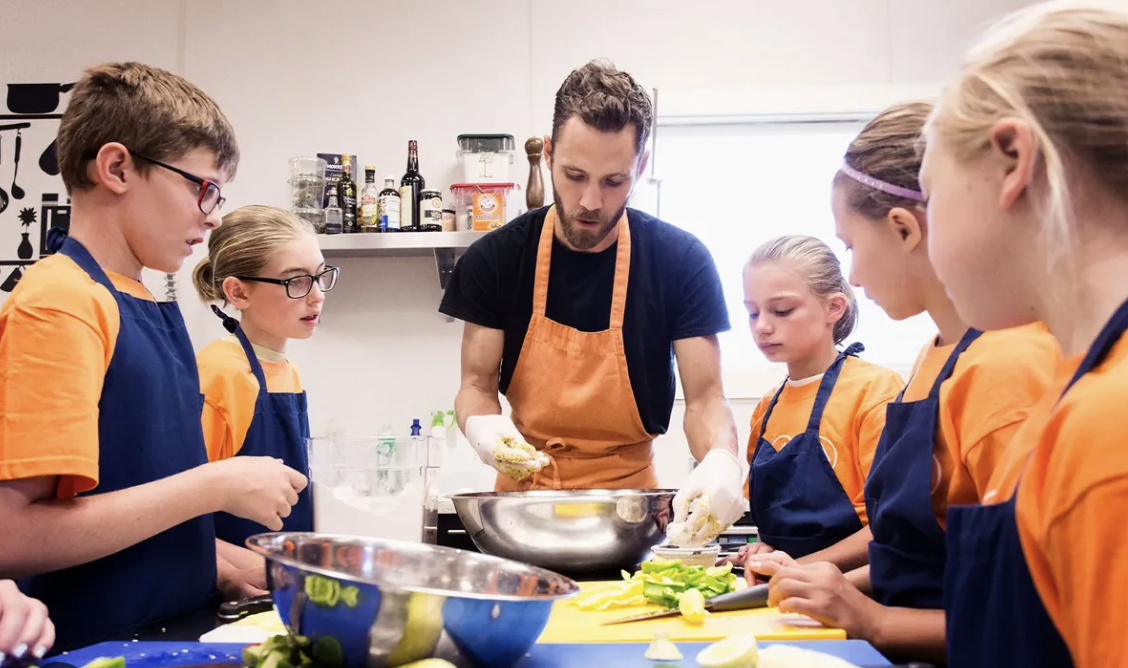
But how many of them are taught how to accomplish this in school?
There’s no denying that home economics may help children be more self-sufficient. According to a recent survey, 62.7 percent of the 3.1 million 2020 high school graduates in the United States were enrolled in college that year.
Many students who leave home for college must fend for themselves for the first time.
Cooking nutritious meals, doing laundry on a regular basis, and maintaining a clean living environment are all things they’re more likely to accomplish if they’ve been taught how to do them in school.
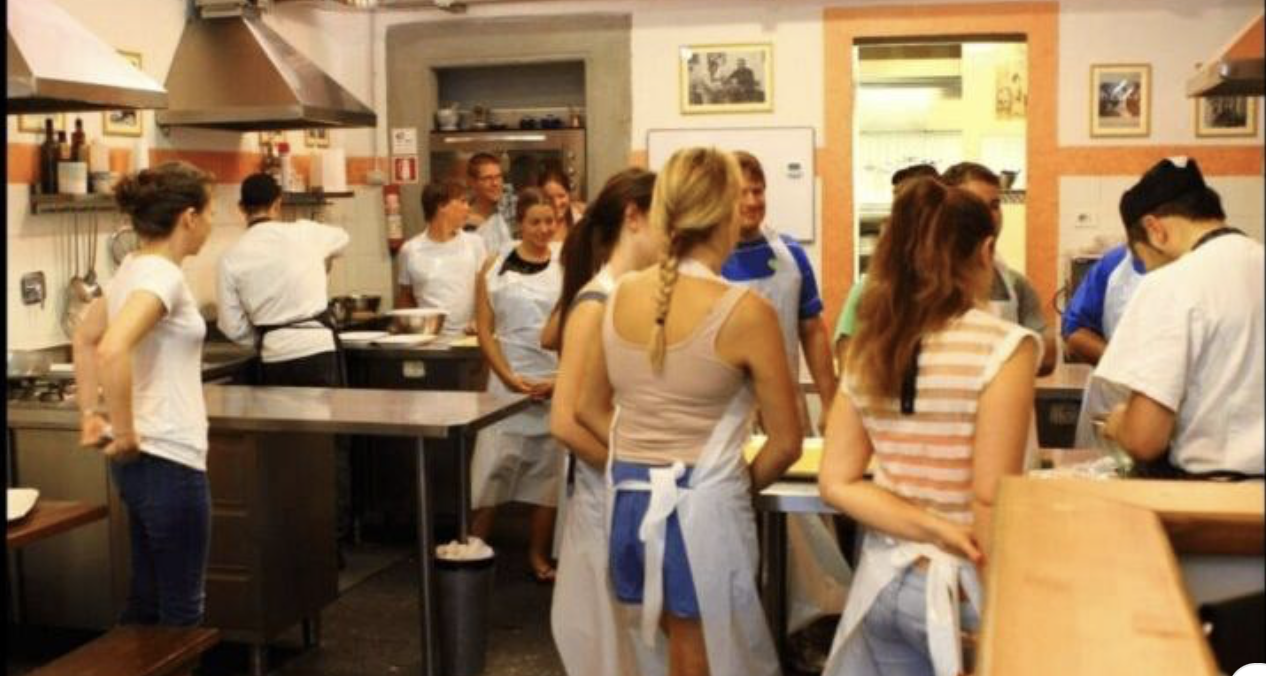
Home Ec may have been criticized for being sexist in the past, but that was then.
Women’s societal standards at home and in the office have swiftly developed, and it is now widely understood that women are not destined for a lifetime of cooking, cleaning, and raising children unless they choose to.
But there’s no reason why home economics can’t be taught to both sexes today.
Learning to cook, wash, and provide first aid is a good start, but it’s not the end.
Consider how useful it would be if home economics could teach us how to repair a tire, pay taxes, or change a lightbulb. Many of us, even as adults, don’t know how to accomplish these things, and we may never learn.
Having a separate room to study this as children makes a lot of sense, yet courses that will be of little help to our future selves are still prioritized in most schools.
If all else fails, children may still learn a lot from their parents.