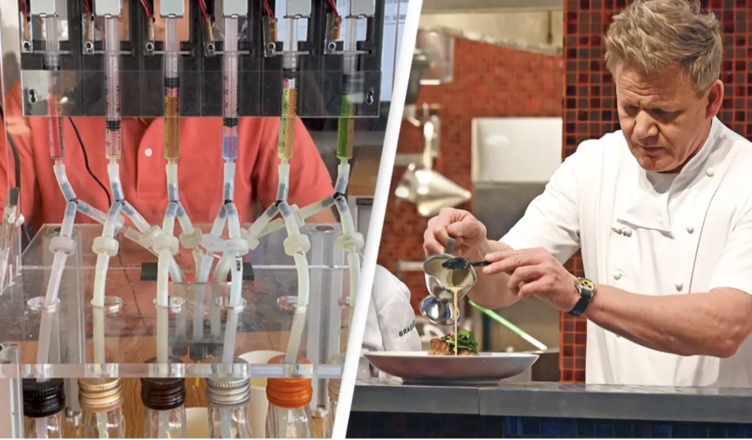
If you suffer from food FOMO, you’ll be relieved to know that it may soon be a thing of the past, owing to the development of an extraordinary technology that can manufacture whatever flavor you wish.
It’s the announcement that The Great British Baking Show viewers have been waiting for.
If you’re a frequent watcher of the program, you’ll understand how annoying it is to be unable to sample all of the stunning masterpieces made by amateur bakers.
But what if you could experience all the pies, cakes, and biscuits, not only by purchasing the same sorts later but by experiencing the flavors on your tongue at the same moment as Paul Hollywood?
That might soon be a very real possibility, thanks to a breakthrough gadget that can take the taste of any dish and duplicate it in liquid form.
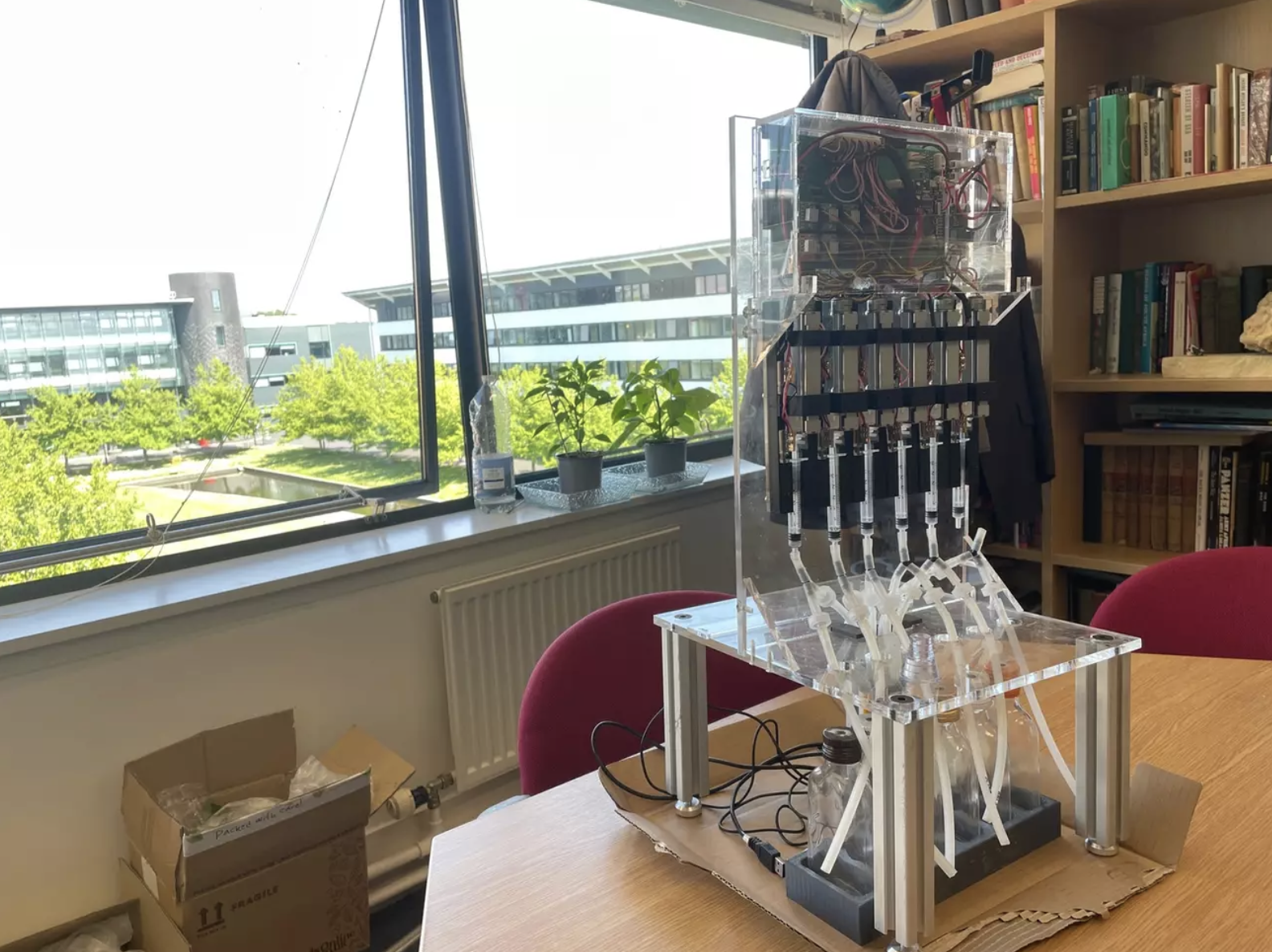
Professor Alan Chalmers of Warwick University in the United Kingdom is currently testing the gadget.

“[On The Great British Baking Show], you’re watching these judges enjoy themselves, but what does it taste like?” Chalmers told UNILAD.
“Those recipes could be stored on your home device.” And you can get a spray of it yourself when the judge tries it.
“The flavor that goes in their mouth has a number; you simply recreate that number on your device.”
Chalmers explained how the gadget works by saying that people perceive flavor through five tastes: sweet, sour, bitter, salty, and umami (savoriness), as well as texture and scent.
“Every flavor is a point in flavor space,” explained Chalmers. “And you can describe that point by its taste, its aromas, and its mouthfeel.”
Consider it as a color wheel: you could move your mouse about and watch the colors shift from one to the next, but if you just clicked at a certain place, you’d get one specific color made up of a specific combination of the others.
Instead of blues, greens, and reds for colors, we have sweetness, saltiness, bitterness, and so on for tastes.
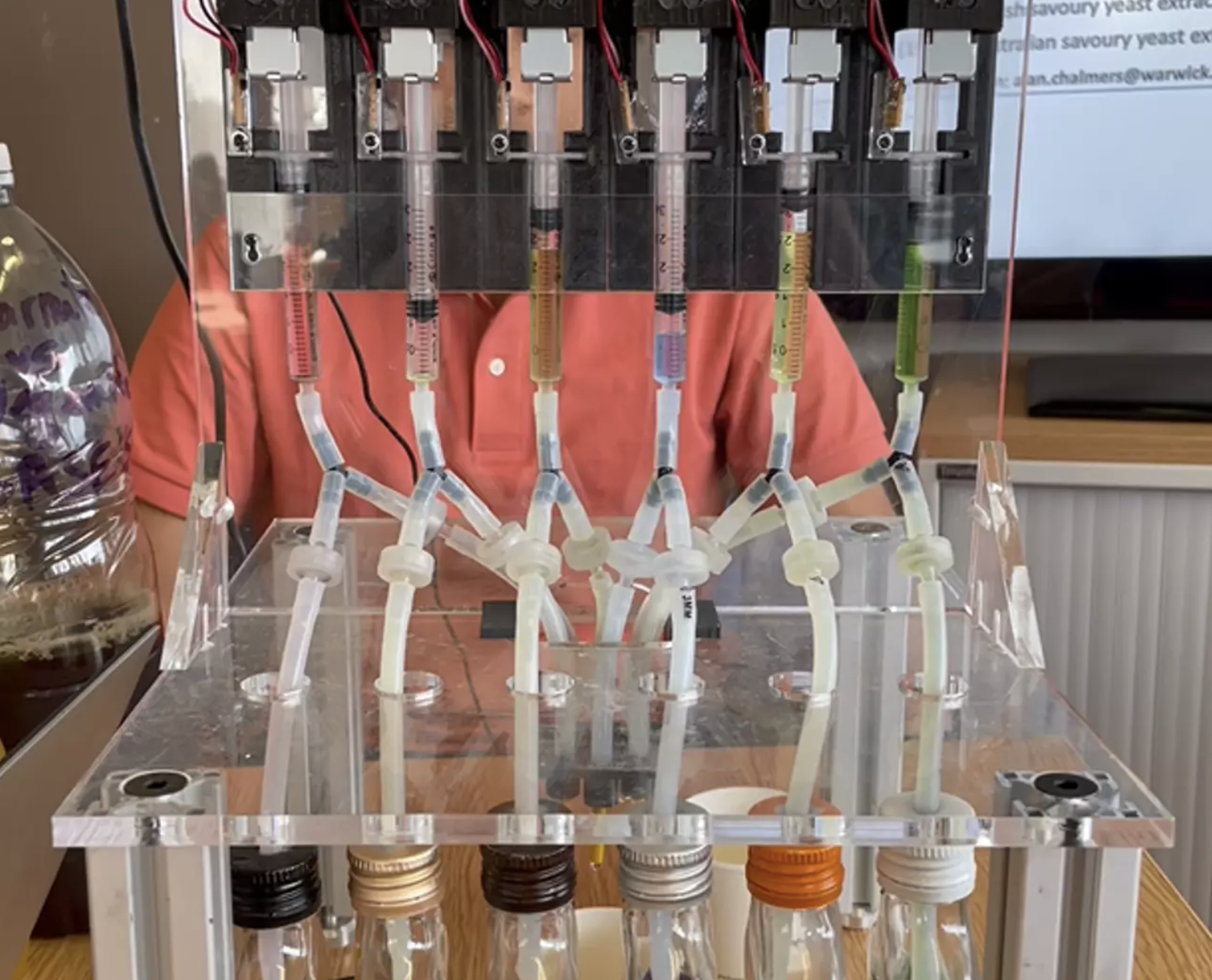
Chalmers added that food-safe chemicals approved by the Food and Drug Administration may then be utilized to represent each of the components and create the exact flavor that you’re searching for.
By altering the chemical levels, the gadget might give liquid that tastes like shrimp cocktail, Fettuccine Alfredo, or chocolate cake, offering a full three-course dinner in only a few sips.
It won’t fill you up, but it will give you an idea of what you’re in the mood for when it comes to deciding where to go for dinner.
However, because building such incredible technology takes time, Chalmers is presently focusing his energies on evaluating the device’s capabilities for early Alzheimer’s detection.
“Basically, if you have any form of neurodegeneration, it affects your ability to taste or smell,” he stated.
“So if we can give you two flavors and a person of your demographic—your age, your sex, and your ethnicity—can tell the difference, but you can’t, you may have a problem.”
Flavor testing has the potential to detect a possible problem years before comparable concerns appear in a memory test, providing patients with Alzheimer’s an opportunity to receive treatment sooner and perhaps postpone the illness with new medications that are becoming accessible.
So, while health checks take precedence for the time being, Chalmers believes that the gadget may become as popular as printers or smart speakers as soon as a year if a small investment is made.
“It takes a bit of work to go from a proof of concept to a commercial prototype to a product, but if we get the money, we’ll do it,” he said.
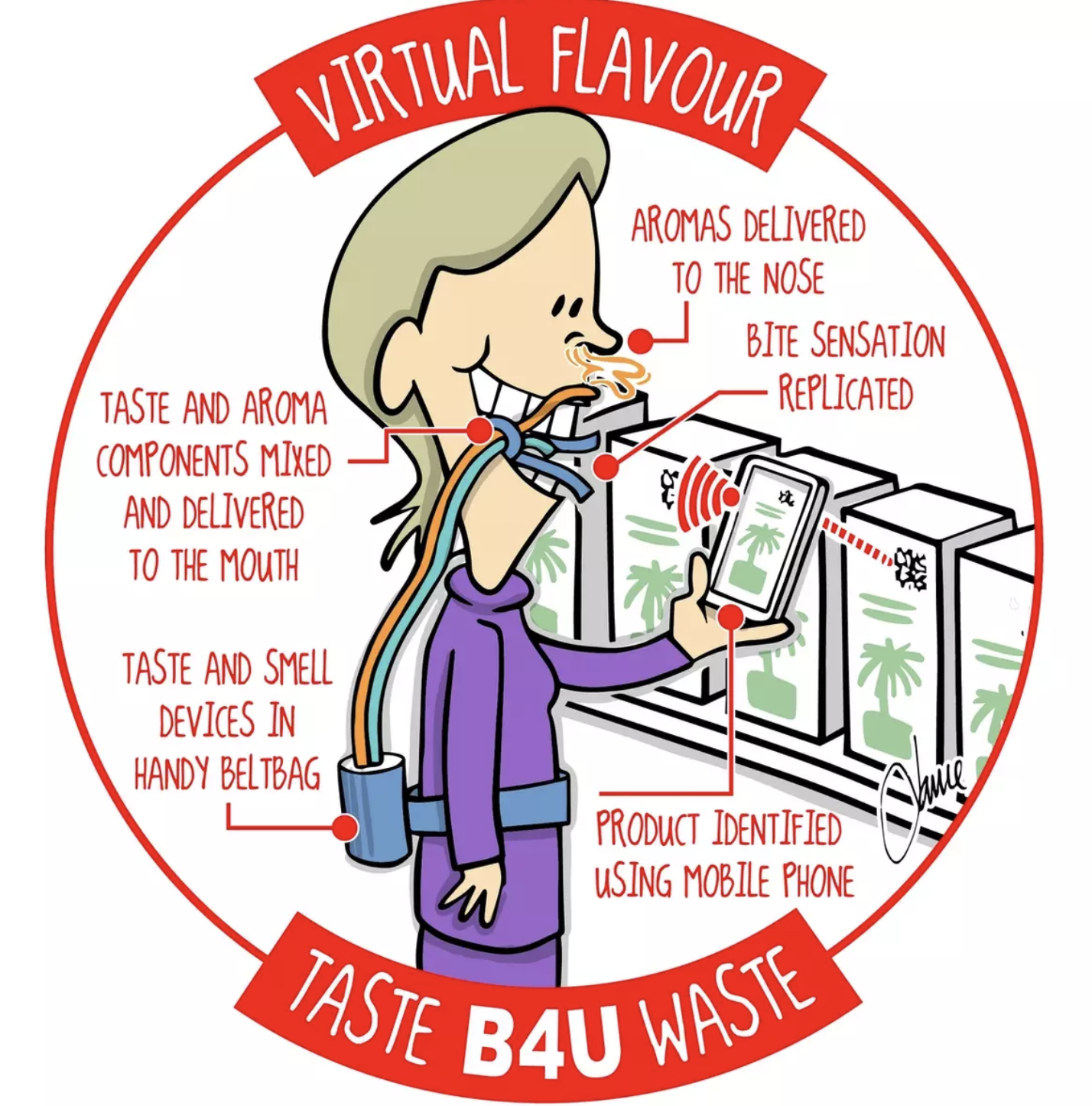
In day-to-day life, the device could not only stop you from getting food FOMO, but it could also prevent food waste by allowing you to do a taste test of foods before you buy them.
Imagine you’re browsing the shop and coming upon a fascinating new flavor of chips.
Rather than giving over your cash just to be dissatisfied, you may scan a QR code on the goods and be provided a sample of the cuisine when the gadget determines its composition.
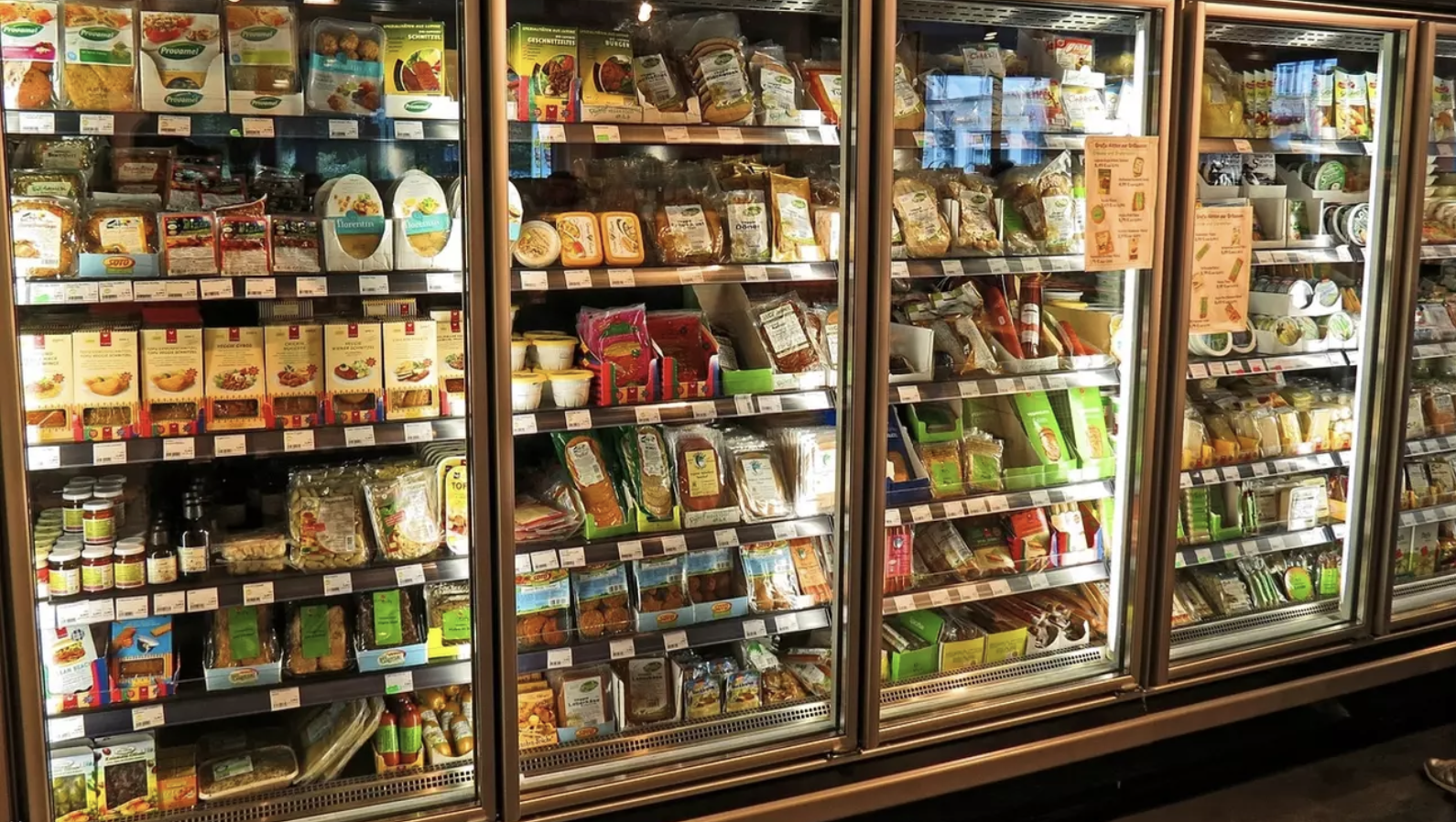
“If you imagine you’ve got your mobile phone, you just zap the QR code and you have a little device that sits in your mouth, [and you’ll know] okay, yeah, I might like that,” he went on to say.
“You can effectively virtually try any product in the store to make sure you like it before you buy it; taste before you waste.”
As technology progresses, we may be able to move beyond existing cuisine and into an entirely new realm of fantasy food.
All authors or filmmakers would have to do is conceive of how their fantasy foods taste, and you could load up your gadget and eat whatever the characters are eating.
It’s reasonable to state that the gadget is a game changer; all we need now is the missing piece.
Chalmers laughed and said, “If anyone’s got any money out there, I’d be happy to work with them to make this happen.”