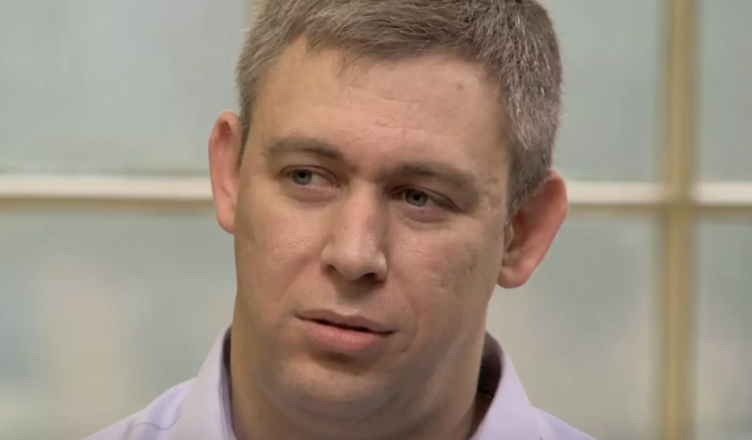
A guy who suffered from locked-in syndrome for 12 years has spoken up about his response to hearing his mother wish him dead.
Like any other child growing up in the 1980s, South African Martin Pistorius aspired to a future in electronics.
Born in 1975, he excelled in school until one day in 1988, when he complained to his mother that he had a sore throat and headache.
He stayed home from school with what was initially assumed to be a cold, and with each day, he deteriorated, losing appetite and napping frequently, with his brain regressing in age.
Following hospital visits, physicians were unsure of Martin’s actual illness and treated him for cryptococcal meningitis and TB of the brain.
His final words to his parents, after he gave up on his long-term health, were, “When home?”
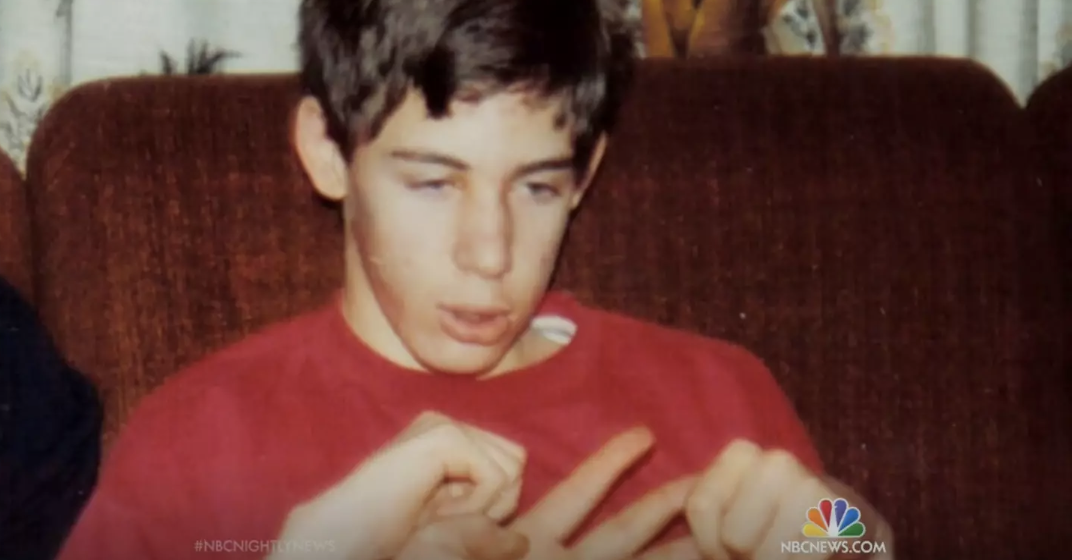
However, he did not die and was able to feel himself returning to normal after only four years, as he told NBC News in 2015, using a computer to speak: “For so many years, I was like a ghost. I could hear and see everything, but it felt as if I wasn’t present. “I was invisible.”
Constantly in the care of others, he was terrified that he might die without anybody noticing he was aware, adding that the feeling of ‘total powerlessness’ consumed him as he lived in his imagination to cope.
However, Martin’s health put a major burden on his family, notably his parents, as disputes erupted in the Pistorius household as a result of the stress of caring for him around the clock.
The situation escalated when his mother turned to him one night, unaware that he could hear her, and muttered, “I hope you die.”
Martin, unable to speak at the moment, expressed his feelings about hearing his mother’s words: “It shattered my heart, in a way, but particularly as I went through all the emotions.” I felt nothing except love and sympathy for my mother.
He believes that intentional punches, squeezes, and dumps occurred in the facility where he was staying.
However, he attributes his recovery to one of the center’s therapists, Virna Van Der Walt, who noticed a “sparkle in his eye” and recognized him as aware.
The two spoke via eye motions and hand squeezing, and the therapist urged his family to get Martin’s brain examined again.
The test proved that he had regained control of his body, and his brain had mostly recovered, but physicians were still unable to diagnose him.
Martin emphasized Virna’s importance: “She was the catalyst who changed everything.”
“Had it not been for her, I would probably either be dead or forgotten in a care home somewhere.”
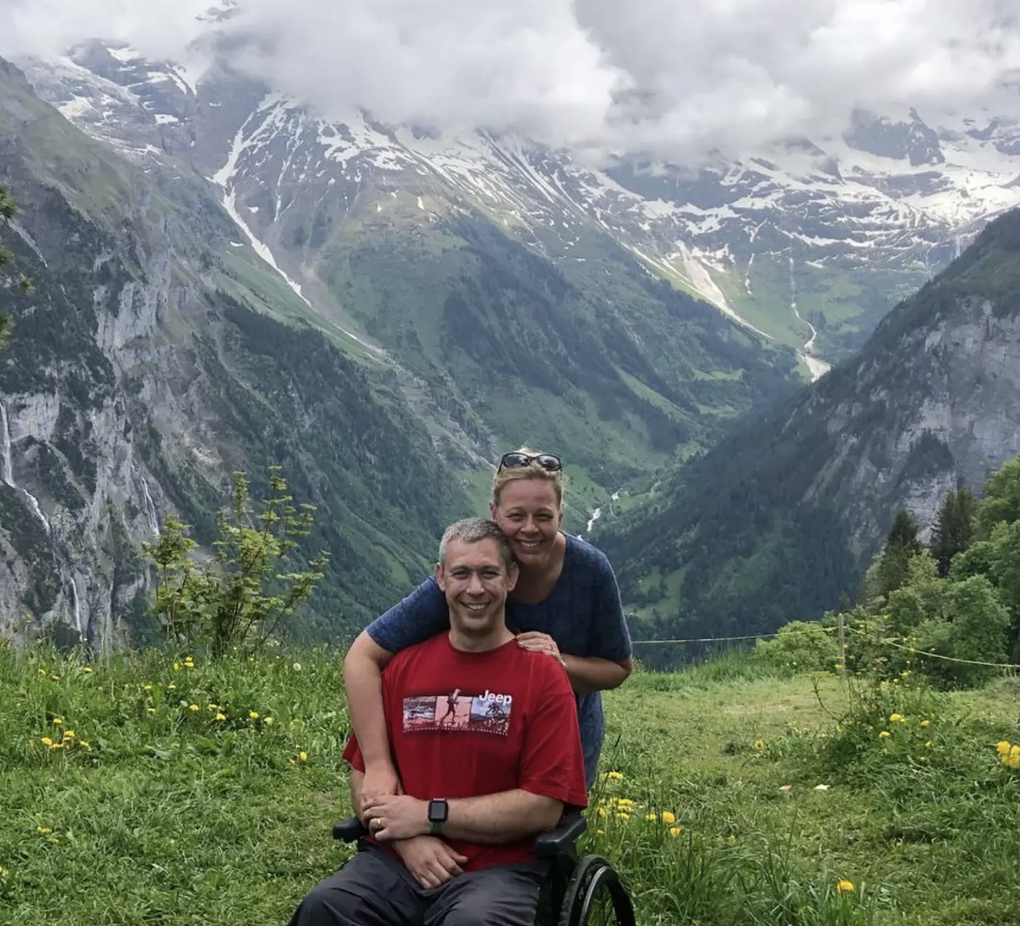
Martin now lives in a wheelchair and communicates with others through a computer that talks for him, decades after developing ‘locked-in syndrome’.
Unfortunately, he lost all of his childhood memories; nonetheless, after relearning how to read, make decisions, and socialize, he learned to drive and finally attended college.
Martin is now a computer scientist and web developer with a family. He met his wife Joanna in 2009, and they have two children, all of whom live in the UK.
In his 2011 book Ghost Boy, the father-of-two detailed his harrowing experiences with locked-in syndrome.