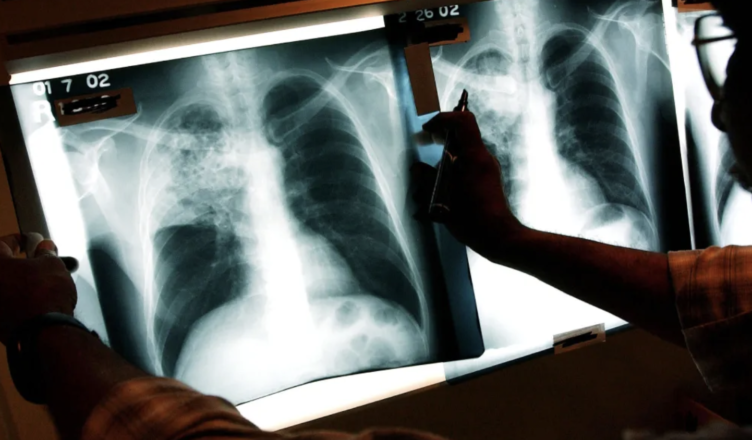
As of January 24, 2025, 67 persons have been afflicted with TB in Wyandotte and Johnson counties, making it the greatest outbreak in US history. Wyandotte County is responsible for 60 instances, while Johnson County has 7.
Reports of the tuberculosis epidemic first surfaced in 2024. According to Jill Bronaugh, a spokesman for the Kansas Department of Health and Environment (KDHE), it has subsequently expanded to become the greatest reported epidemic in US history. “This is mainly due to the rapid number of cases in the short amount of time,” she informed me.
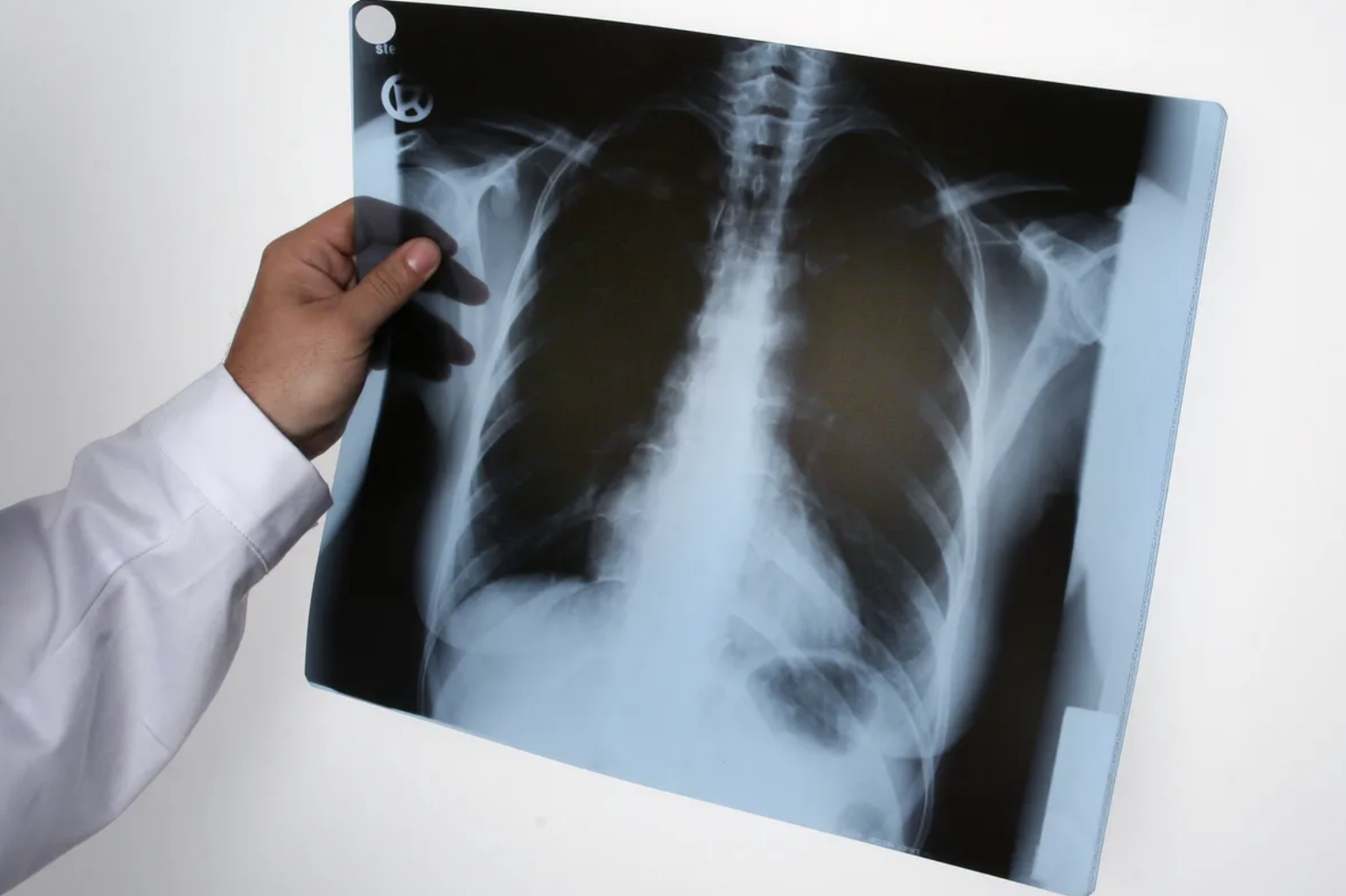
Despite the severity of the epidemic, which has mostly impacted Wyandotte County, the KDHE has declared a “very low risk” to the broader public, including neighboring counties. However, experts advise continuing caution to prevent future spread.
“This outbreak is still ongoing, which means that there could be more cases,” Bronaugh told reporters. “There are a few other states that currently have large outbreaks that are also ongoing.”
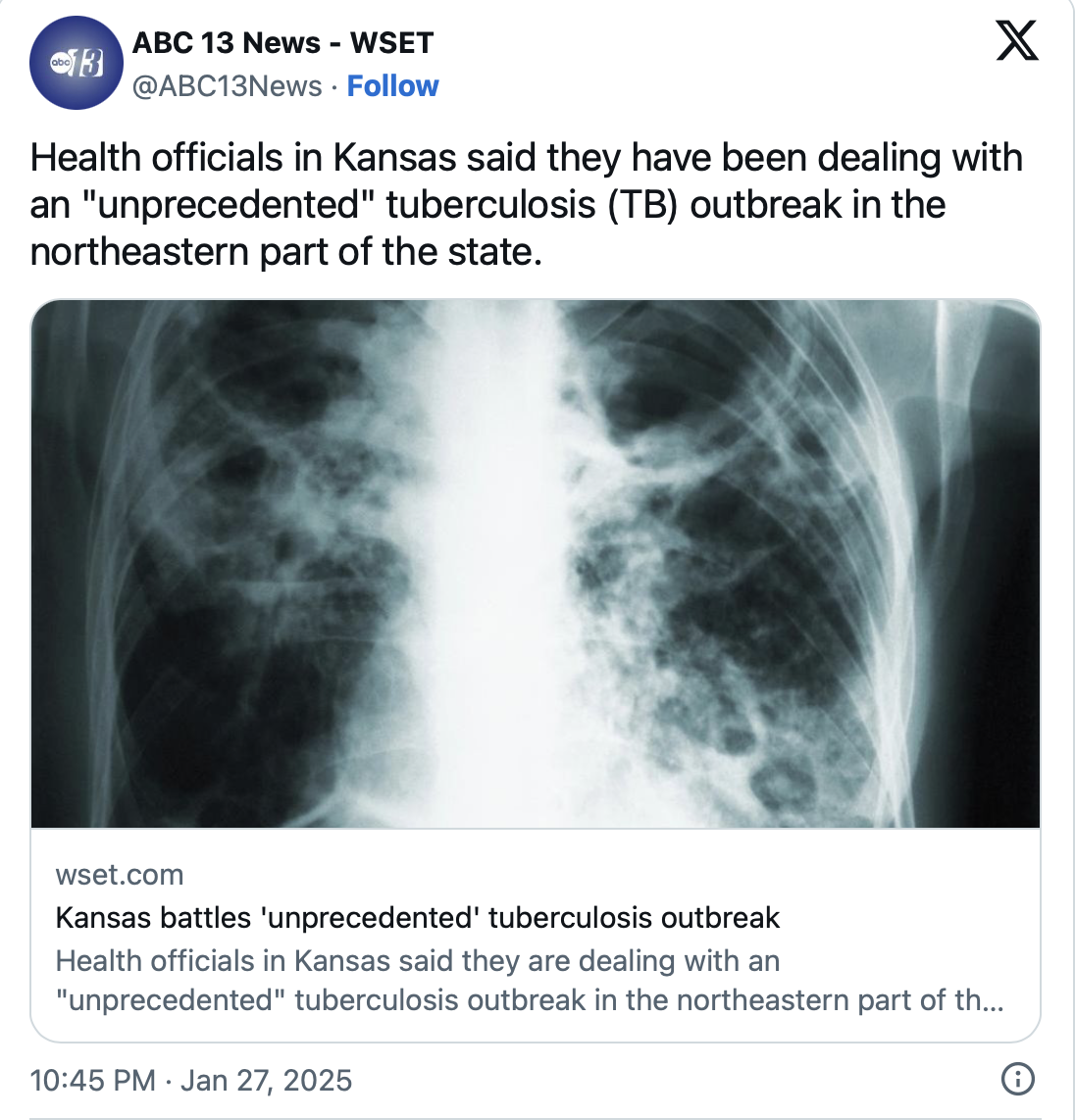
To combat the epidemic, KDHE and local health authorities are collaborating with the Centers for Disease Control and Prevention. Their activities include recording instances, treating affected people, and putting in place measures to avoid future infections.
While the Kansas City metro region continues to deal with the pandemic, TB infections statewide have dropped significantly. In 2024, the KDHE recorded 109 active cases and 626 latent infections. By early 2025, there was just one active case and seven latent infections.
Despite statewide gains, the tuberculosis outbreak is still a worry. Ashley Goss, KDHE Deputy Secretary, stated that the outbreak began last summer with 65 active cases and a comparable number of latent infections. Active cases have recently reduced to around 32, indicating success in containment.
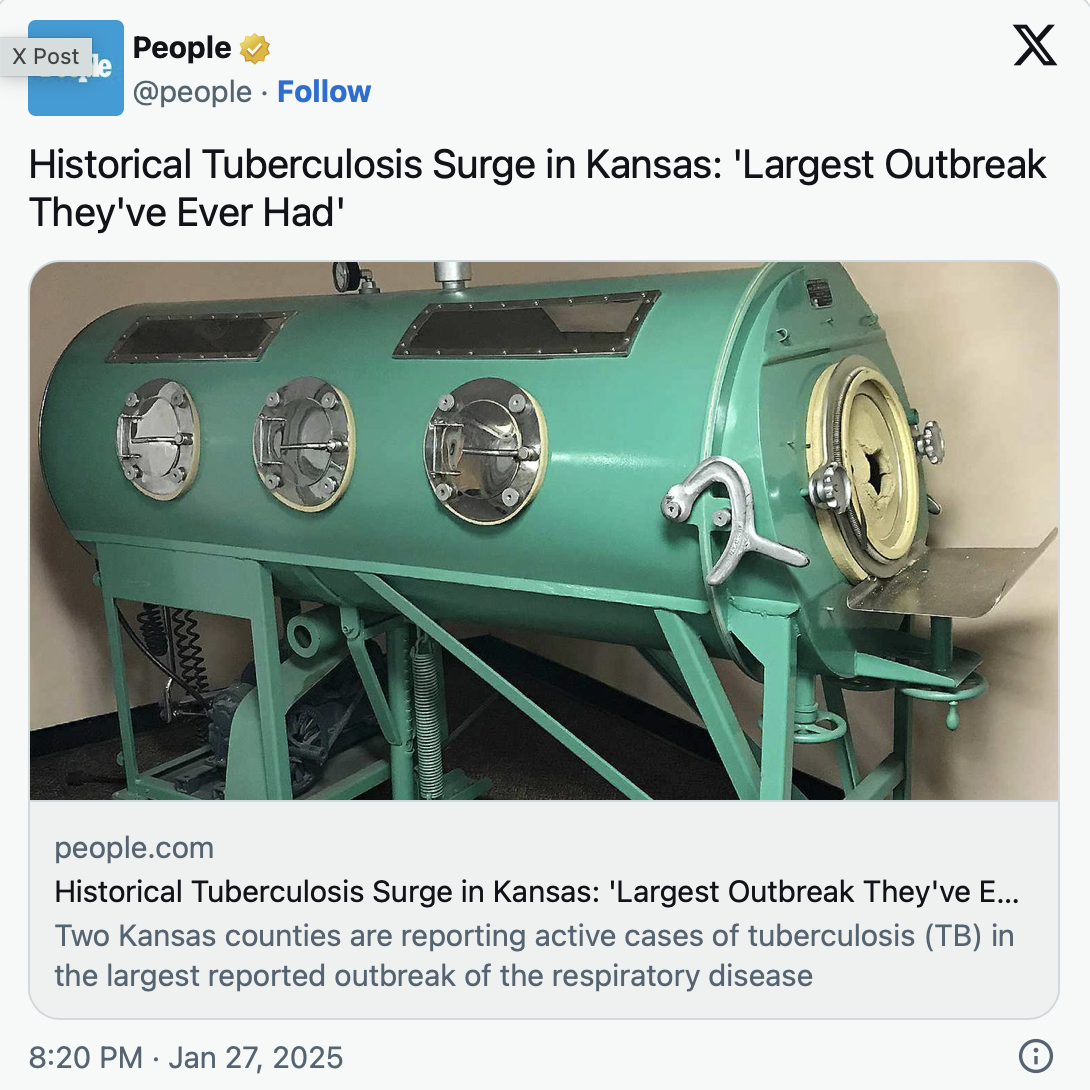
In a recent meeting with the Senate Public Health and Welfare Committee, Goss described the epidemic as “unprecedented.”. “Some of you are aware we have and still have mobilized staff and resources addressing an unprecedented tuberculosis outbreak in one of our counties,” Goss told members of Congress.
She emphasized, “We are collaborating with the CDC on this. The CDC is still on the ground to help us. That is not a negative. This is common; when there is an extraordinary event or a huge epidemic of any type, they will come and give us resources to assist in putting an end to it. We are now heading precisely.
Goss noted that active tuberculosis patients are no longer infectious after 10 days of therapy and three negative sputum tests. “They can go about their lives; they don’t have to stay away from people, and they can go back to work and do the things while taking their meds,” she said.
Посмотреть эту публикацию в Instagram
Treatment for both active and latent tuberculosis patients usually lasts several months. KDHE is also collaborating with many major firms impacted by the pandemic. The bacteria Mycobacterium tuberculosis causes TB, which primarily affects the lungs but can also spread to the brain, kidneys, and spine.
Tuberculosis has two forms: dormant (latent) and active. Latent tuberculosis occurs when the germs remain latent, which means the person has no symptoms and cannot transmit the illness. However, if not treated, latent tuberculosis can progress to active tuberculosis, which is highly infectious and potentially fatal.

Symptoms of active tuberculosis include a persistent cough lasting at least three weeks, chest discomfort, coughing up blood or mucus, exhaustion, weight loss, fever, chills, and night sweats.
When a person with active tuberculosis coughs, speaks or sings, the illness spreads into the air, especially in confined places with poor ventilation. The germs can remain airborne for several hours, putting anyone close at risk of illness.
Preventing tuberculosis entails treating latent TB to prevent it from developing into the active stage. Active tuberculosis requires several months of antibiotic therapy to remove the illness and prevent future spread.
‘Unprecedented’ TB outbreak recorded in Kansas with nearly 70 cases recorded https://t.co/5rj4vLDMeh
— The Independent (@Independent) January 27, 2025
Early identification, adequate treatment, and public awareness are critical for managing tuberculosis and minimizing the likelihood of major epidemics.
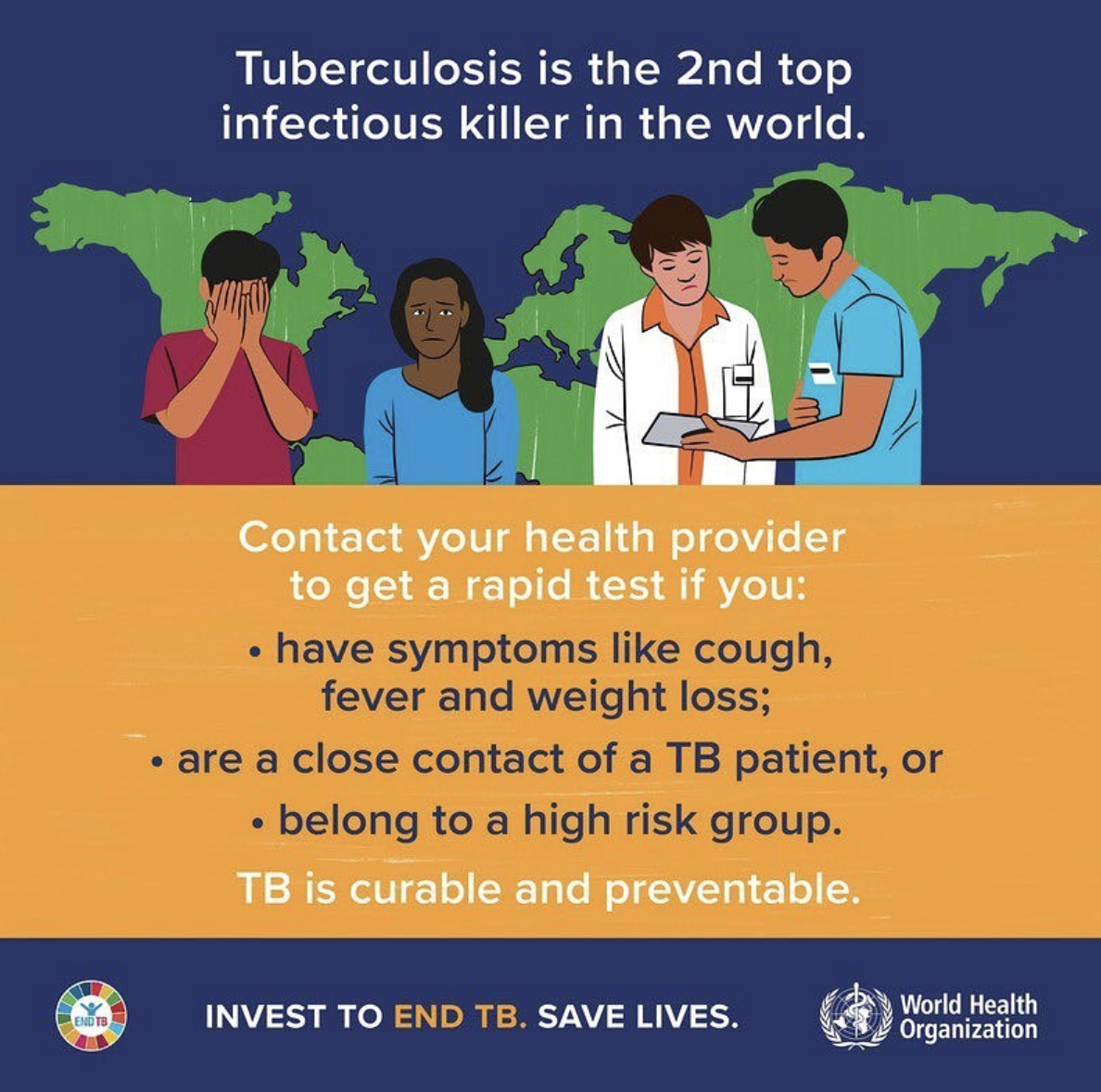
While health officials continue to monitor and manage the epidemic, its rapid growth has highlighted the critical role of early discovery, treatment, and public awareness in avoiding future spread.