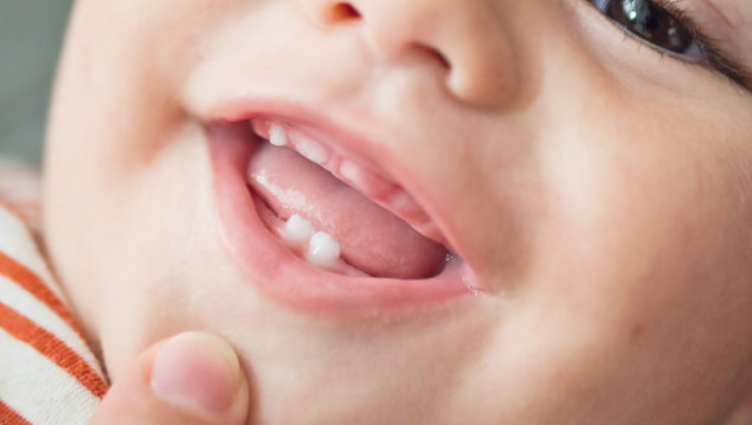
Doctors advise parents to keep their baby’s teeth, which might be a lifesaving asset if the youngster develops a potentially deadly ailment as they grow. In 2016, doctors diagnosed 7-year-old Jenson Wright with leukemia, which has spread across 65% of his little body.
This was Jenson’s second cancer diagnosis; he had lymphoma and leukemia when he was four years old, and when two rounds of treatment failed, his parents began to lose faith that their son would live. According to an old Facebook post provided by his mother Carolyn, cancer was devouring his “body like a wildfire, so rapid, we feared the outcome would be every parent’s nightmare.”
But then a miracle occurred. “A woman in Texas gave Jenson the gift of a future on the day her kid was born by donating her umbilical cord. Carolyn describes the other mother’s storage of the stem cell-rich umbilical cord for future medical use as a noble deed.
The Mayo Clinic describes stem cells as unique cells that “self-renew.” These healthy cells can potentially become “other cells that do different things in a process known as differentiation.” To explain, stem cells can develop into “brain cells, heart muscle cells, bone cells, or other cell types.”
Only five days after the pioneering procedure, healthy new cord blood cells began to destroy the sickness inside Jenson.
“What was no longer needed by one child gave life to another,” Carolyn writes of the stem cell transplant. Carolyn made another social media post in 2019, saying that the doctors said “Jenson is cured of cancer” and that he was officially “off the clinic list with no further follow-ups required.” Jenson is now a healthy, 16-year-old high school student.
Biological Insurance Policy
Now, scientists are investigating how a single baby tooth may one day save a life.
That’s the marketing pitch for tooth pulp stem cell banking, providing parents with biological protection against future ailments. According to a study published in the National Library of Medicine, “stem cells from human exfoliated deciduous teeth (SHEDs) are the best candidates for personal cell banking,” and “they can be obtained less invasively in the natural process.”
Most importantly, the use of the donor’s own cells to cure illness or heal injuries eliminates the possibility of rejection. Rather than throwing away a child’s lost tooth, parents can submit it to a stem cell repository, where it will be maintained for future medical use.
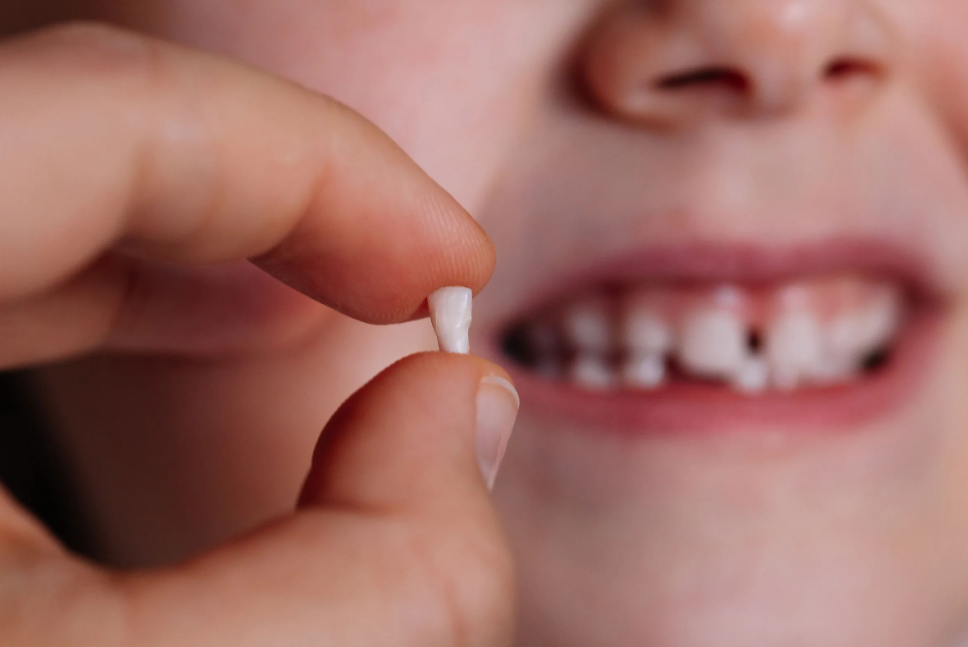
Developing new cells
Stem cells are the body’s basic materials; they can grow into a variety of cell kinds.Baby teeth include mesenchymal stem cells (MSCs), which are a kind of stem cell found in the tooth pulp. These cells have the ability to restore damaged tissue, create new cells, and even repair organs. Dental stem cells are obtained non-invasively, unlike embryonic stem cells, which are contentious due to their origin, and bone marrow stem cells, which require intrusive treatments. The tooth is stored under regulated circumstances to keep the stem cells viable for future use.
Worth the investment?
Despite its seemingly transformative potential, the science is still in its early stages. While research into dental pulp stem cells (DPSCs) is promising, real-world treatments are still in the works.
Is it worthwhile to invest despite the uncertainty? Private stem cell banks charge costs for collection and long-term storage, which can accumulate over time. Even though the likelihood of needing the stem cells is low, some families may find comfort in the knowledge that they have taken a proactive step for their child’s future health. On the other hand, public stem cell banks, such as cord blood, provide more immediate medicinal advantages and are already employed in therapies. Parents may find it more sensible to invest in proven medical solutions rather than new ones.
What are your opinions on these breakthrough findings? Can you pay for this type of health insurance for your child or yourself? Please let us know what you think and then share this story so we can hear from others!