
Three unsuccessful beauty pageant candidates have joined a feminist organization suing Miss France for claiming discrimination based on the contestants’ looks. The three women have formed the “Osez le feminism” (Dare to be a Feminist) organization and stated that their lawsuit would target both the beauty pageant and Endemol Production, which produces the contest’s yearly broadcast presentation on the TF1 channel.

The three previous contenders were not victorious. After that, they began working with the feminist group to submit a complaint against Miss France because their other ways of being heard were ineffective. According to the lawsuit, Miss France is violating French labor rules by requiring beauty queens to be unmarried, at least 5-feet 5.5 inches tall, and a “representative of beauty.” Women who wish to compete in the beauty pageant must not have any body piercings other than their ears and are not required to reduce weight or modify their haircuts.
Previously, candidates were disqualified from the beauty pageant for actions judged “contrary to good morals, public order, or the spirit of the contest, which is based on the values of elegance.”
Employers in France are prohibited from discriminating based on “morals, age, family status, or physical appearance,” according to Violaine De Filippis-Abate, a lawyer with Osez le feminisme. All of these factors, and more, are taken into account in the beauty pageant.
The action may be successful if magistrates assess whether or not the beauty contest and the aforementioned TV corporation are employers. They will be in blatant breach of French labor regulations if they are considered employers. If the beauty pageant isn’t considered work, they might be free to keep doing what they’re doing.
Contestants are not required to sign an employment contract. However, the petition’s plaintiffs came across a supporting judgment from a former contestant who claimed that the French beauty pageant treated them similarly.
This year marks Miss France’s 100th birthday. Critics believe that the beauty contest is archaic and a relic of a misogynistic era in French culture. Nonetheless, the beauty contest remains a popular television show in France. In December, millions of people tuned in to watch the final national vote to determine the winner on TV station TF1.
“Despite our year-round protests against this vehicle for sexist values, nothing changes,” said Alyssa Ahrabare, founder of the Dare to Be Feminist organization. “We have decided to use the law to advance the cause of women.”

Meanwhile, Miss France professes to have moved on from its sexist history, while contenders are still required to go on stage in bikinis and ballgowns.
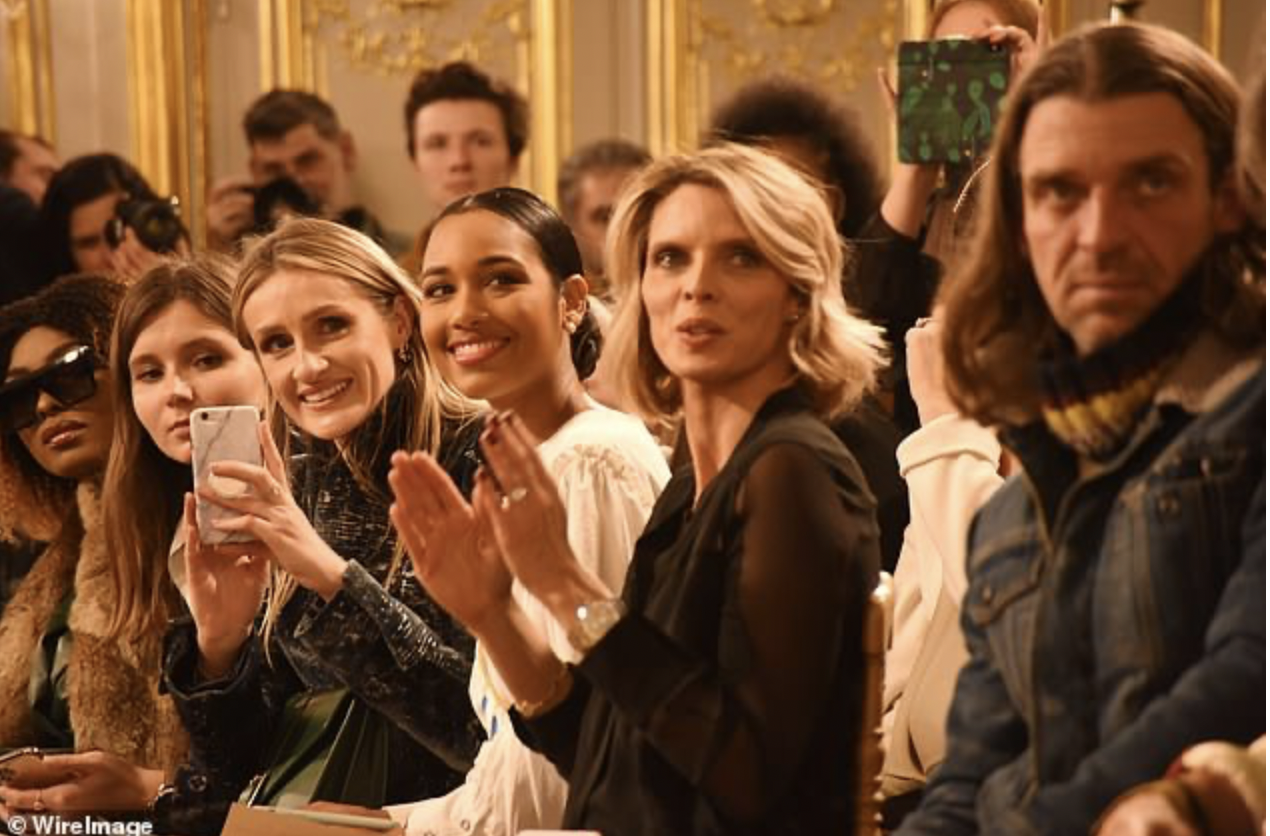
When the media asked, the Miss France organization declined to comment. Sylvie Tellier (shown above) is the current owner and operator. She told the Daily Telegraph that the competition advances women’s rights.
“You can be a feminist while wearing a swimsuit.” “We’re no longer in the era of ‘look beautiful and shut up,'” Tellier explained.
The names of the three previous candidates in this case have not been released.