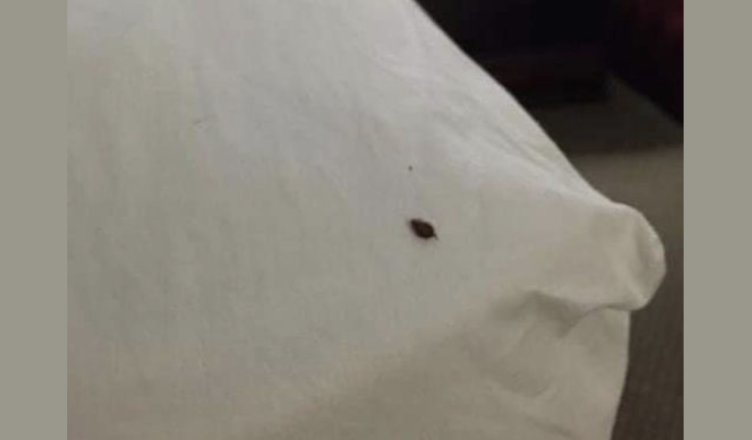
Encountering a tick in your home can be distressing, given the potential health risks associated with these arachnids. To effectively manage the situation, follow this concise guide:
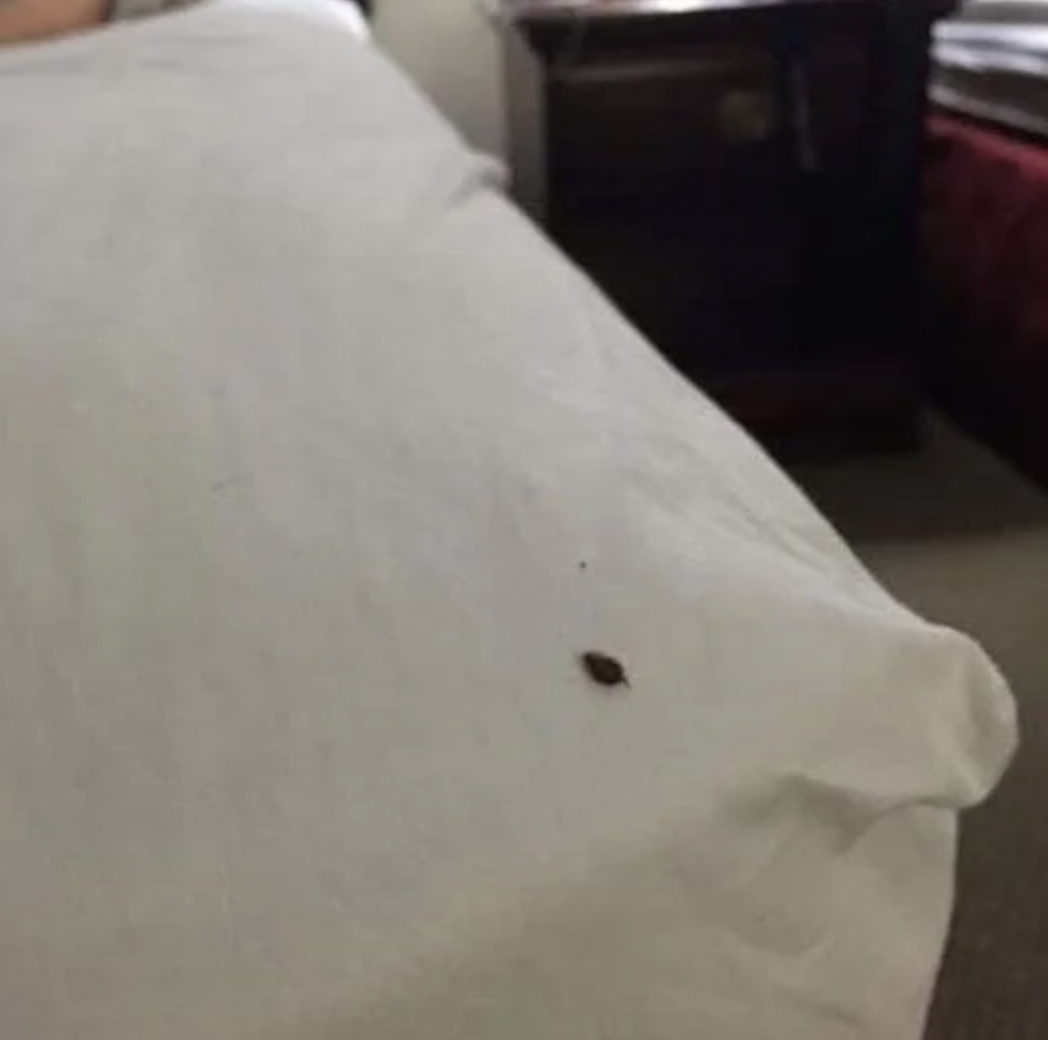
Identify and Isolate:
Identify the type of tick, whether it’s a black-legged, dog, or brown dog tick.
If the tick is found in a specific area like your bed, limit access to that area, particularly for pets and children.
Protect Yourself:
Before handling ticks or cleaning the area, don gloves and wear long-sleeved clothing to shield yourself from potential tick bites.
Thorough Cleaning:
Wash bedding or clothing in hot water and dry on high heat where the tick was discovered.
Meticulously vacuum the area, paying attention to corners, furniture, and crevices. Dispose of the vacuum bag or clean the vacuum canister outside.
Tick Removal:
Use fine-tipped tweezers to grasp the tick as close to the skin’s surface as possible.
Pull upward with steady, even pressure. Avoid twisting or jerking the tick.
After removal, cleanse the bite area and your hands with rubbing alcohol or soap and water.
Dispose of the tick by submerging it in alcohol, sealing it in a bag/container, or flushing it down the toilet.
Monitor and Prevent:
After a tick bite, monitor for symptoms and consult a healthcare professional if necessary.
Prevent future infestations by maintaining your yard, using tick preventatives on pets, and considering professional pest control if needed.