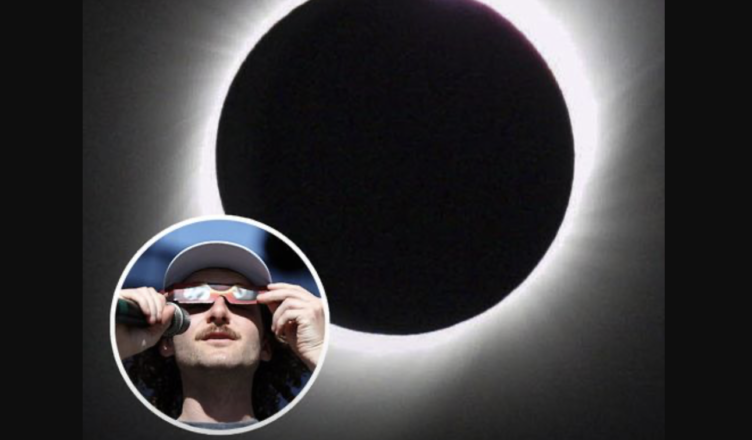
The eagerly anticipated total solar eclipse has finally arrived, captivating budding astronomers across Mexico, the US, and Canada. Today, Monday, April 8, marks the culmination of their excitement.
In anticipation of this historic event, warnings have been issued to those converging on areas along the eclipse’s path of totality. One of the primary concerns has been the potential for roads to become congested, prompting advisories for people to stock up on essentials beforehand to avoid traffic chaos.
Additionally, there have been apprehensions about possible disruptions to cellphone reception in certain regions due to the anticipated surge in usage.
Projections suggested that up to one million tourists would flock to Texas, with an additional 500,000 heading to Indiana and Ohio. However, those venturing out to witness the eclipse faced another concern: the weather. Forecasters predicted cloudy conditions in some states, which would significantly impact visibility of the highly anticipated celestial event.
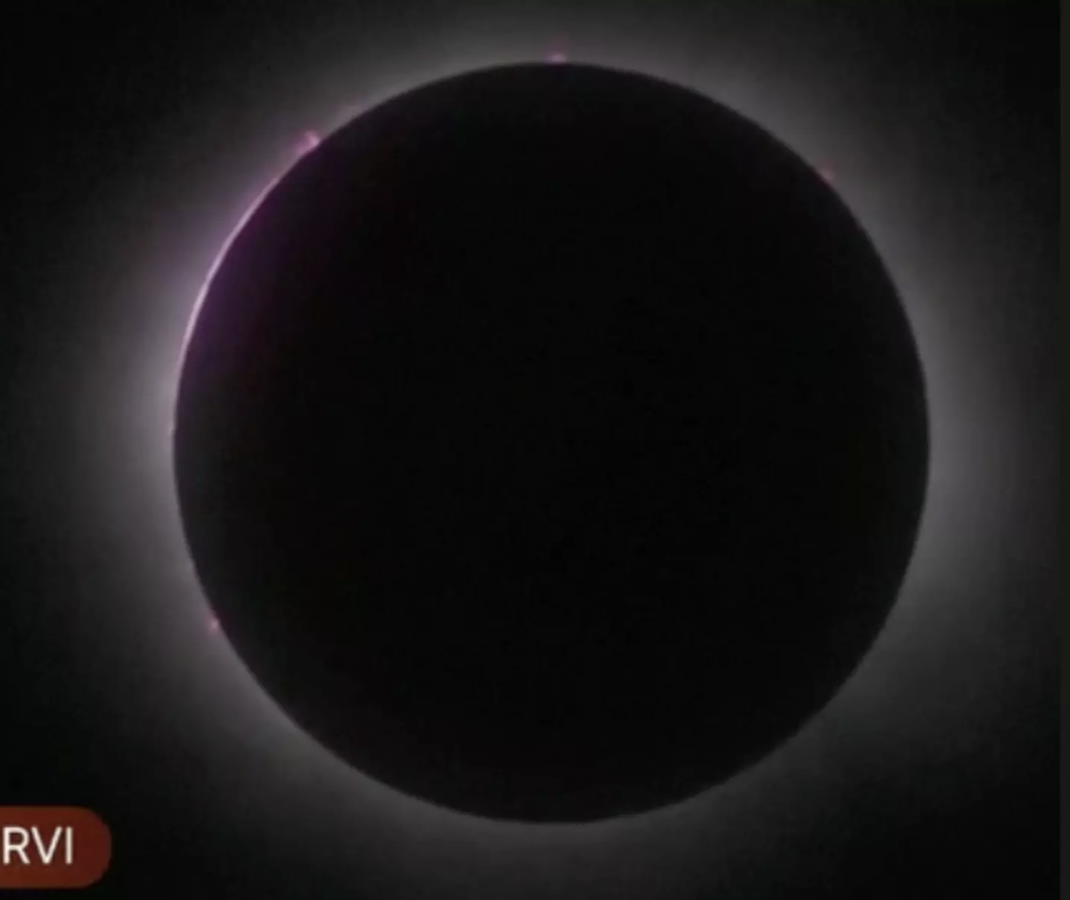
Despite these challenges, fortunate individuals managed to capture glimpses of the eclipse, particularly in Mexico, where crowds cheered excitedly as the Moon aligned perfectly with the Sun.
Images captured by NASA’s cameras revealed red flecks emanating from behind the Moon, indicating solar explosions visible to the naked eye. These phenomena, likely solar flares or coronal mass ejections (CMEs), are rare and typically difficult to observe.
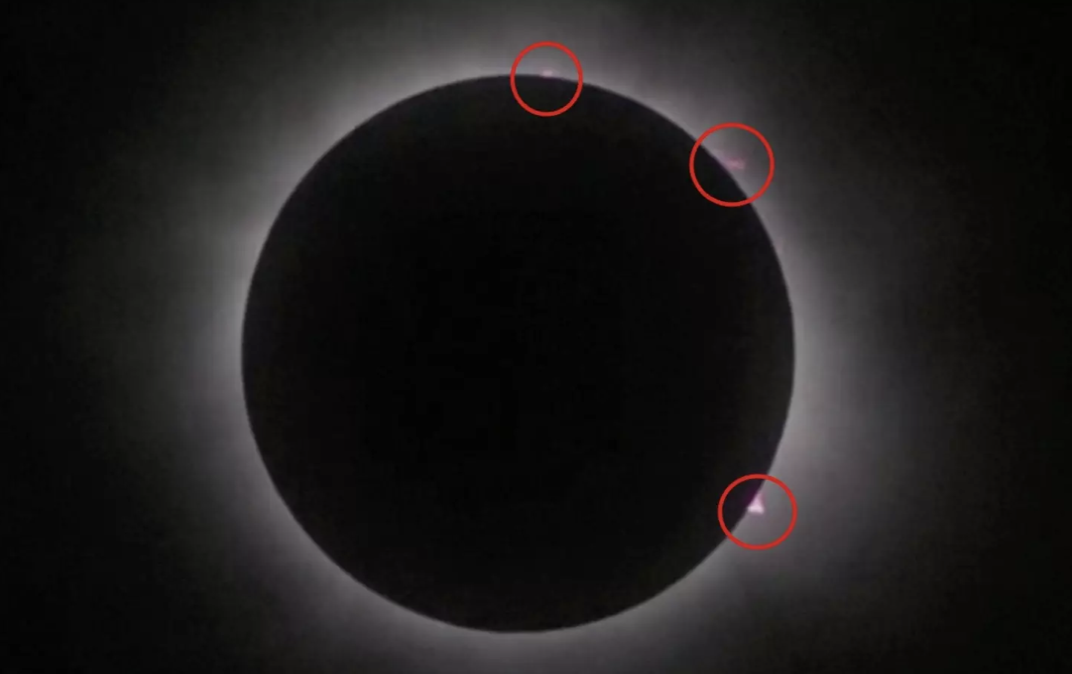
Ryan French, a solar physicist at the National, explained last month that CMEs may manifest as twisted, spiral-like structures high in the atmosphere during eclipses.
CMEs occur when energetic and magnetized plasma erupts from the solar corona into space, causing disturbances in radio and magnetic fields on Earth. Solar flares, on the other hand, are intense bursts of radiation associated with sunspots, as described by NASA.
As the eclipse progresses towards Texas and other parts of the USA, it is unfortunate that this momentous event will not be visible from the UK or other regions around the globe.