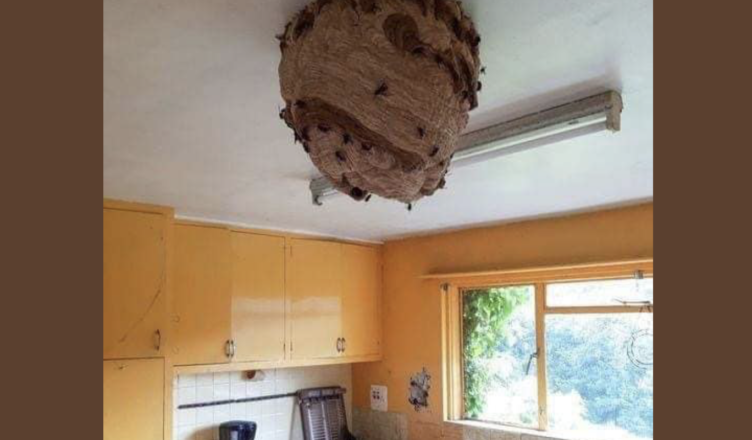
Earlier this month, authorities discovered a substantial Asian hornet nest in an abandoned house in St Brelades, a charming town on the Channel Island in the United Kingdom. This finding has stirred apprehension among locals and scientists, given that the Asian hornet is considered an invasive species in various parts of the world, including the UK. Authorities are now cautioning residents to stay vigilant for these hornets and their nests, emphasizing both personal safety and the need to prevent the species from establishing itself in the UK.
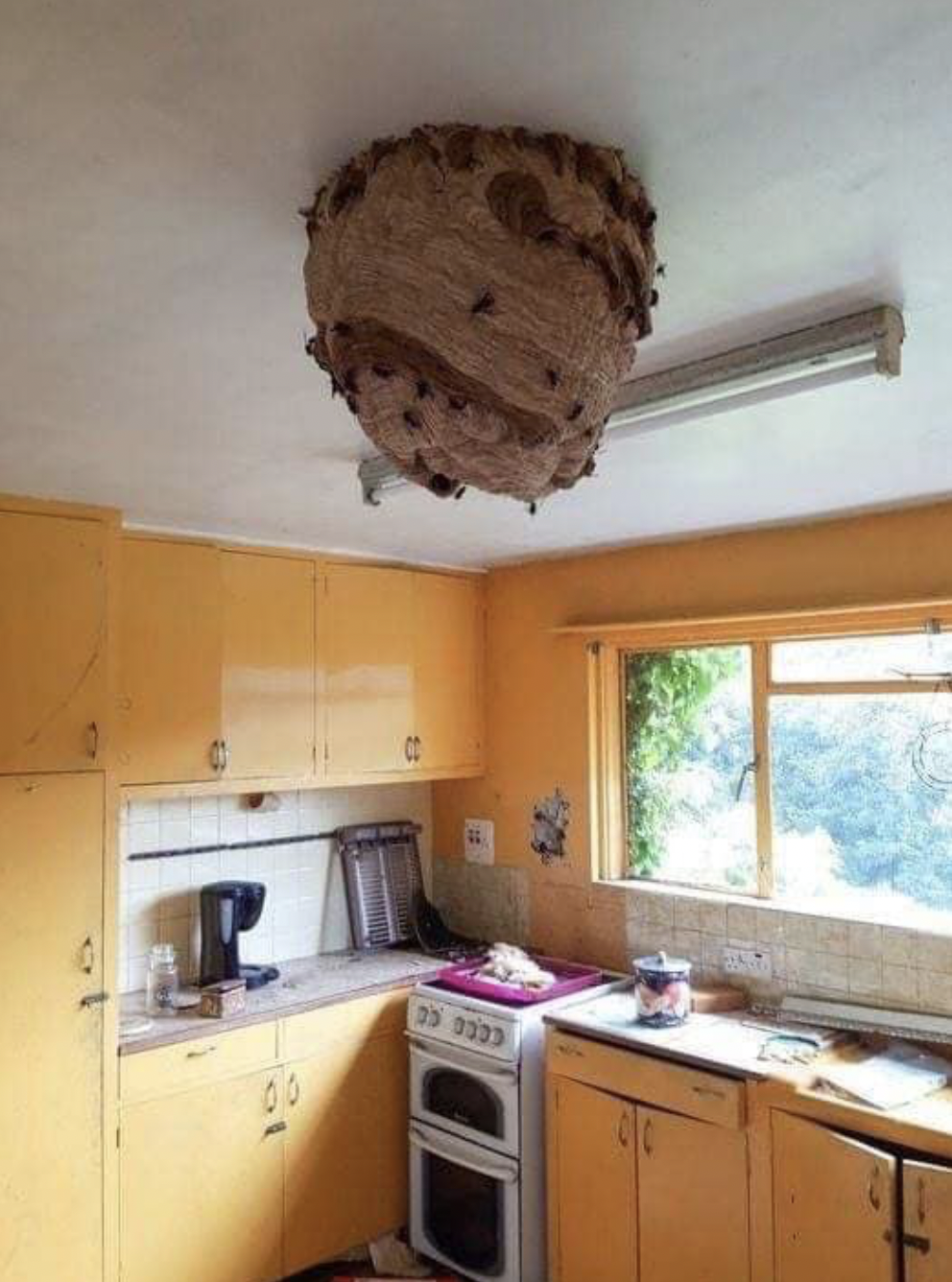
Discovery of Large Asian Hornet Nests in Abandoned House in St Brelades, Channel Island
One of the most significant Asian hornet nests observed in the UK this year was discovered in Jersey, measuring approximately 15 inches. Authorities view this as the “front line” against the invasive species, representing the last defense against the potential spread of the wasps throughout the UK. The nest, housing about 1,500 hornets, was found attached to the ceiling of an abandoned residence. This marks the 171st nest found this year, a concerning increase of 71 from the same period last year. Authorities are now expressing concerns that efforts to keep the species out of the rest of the UK may be faltering.
Invasive Species and Its Arrival in the British Isles
The Asian hornet, scientifically known as Vespa velutina nigrithorax, originates from Southeast Asia. In recent years, it has posed increasing challenges in various parts of the world, being labeled as invasive due to its capacity to displace local hornet populations and disrupt ecosystems. With a tendency to prey on bees, it poses a significant threat to honeybee populations and the essential pollination services they provide. Additionally, Asian hornets can display aggression towards humans, heightening the overall concern about their presence.
Introduction to the British Isles
The initial entry point for Asian hornets into Europe was in the south of France, believed to have arrived inside a nest concealed aboard a ship. Subsequently, the species has gradually spread across Europe, including the United Kingdom. The Channel Islands, including St Brelades, are particularly vulnerable to the presence of Asian hornets due to their proximity to mainland Europe.
What to Do If You Encounter an Asian Hornet Nest
The discovery of sizable Asian hornet nests in an abandoned house in St Brelades necessitates a better understanding of how to effectively manage such situations. These aggressive and hazardous hornets can be found in various locations, including houses and buildings, nests in trees and shrubs, orchards, and anywhere they can find a warm place to hide during winter. Prioritizing safety is essential when dealing with these nests, as Asian hornets can be highly aggressive when disturbed. Here are some guidelines:
Observe and Report: Do not attempt to disturb or remove the nest yourself. Instead, note its location and report it to the local authorities, such as the Animal and Plant Health Agency in the UK, as they possess the expertise and resources to handle the situation.
Maintain Distance: Keep a safe distance from the nest and avoid provoking the hornets, as they can be particularly aggressive in defending their nests.
Educate Yourself: Familiarize yourself with Asian hornet characteristics and behavior to understand the associated risks and minimize accidental encounters.
Protect Your Property: If a nest is near your property, take precautions to limit its access indoors by sealing cracks or small openings.
Seek Professional Assistance: If you suspect an Asian hornet nest on your property, contact professional pest control services, equipped to handle the situation safely and effectively.
In summary, the discovery of large Asian hornet nests in an abandoned house in St Brelades, Channel Island, is a cause for concern. This invasive species has the potential to disrupt local ecosystems and pose a threat to bee populations. It is crucial for individuals to be aware of the dangers associated with encountering an Asian hornet nest and promptly report sightings to the appropriate authorities. Taking these precautions and seeking professional assistance when necessary can help mitigate the impact of this invasive species and protect local ecosystems.