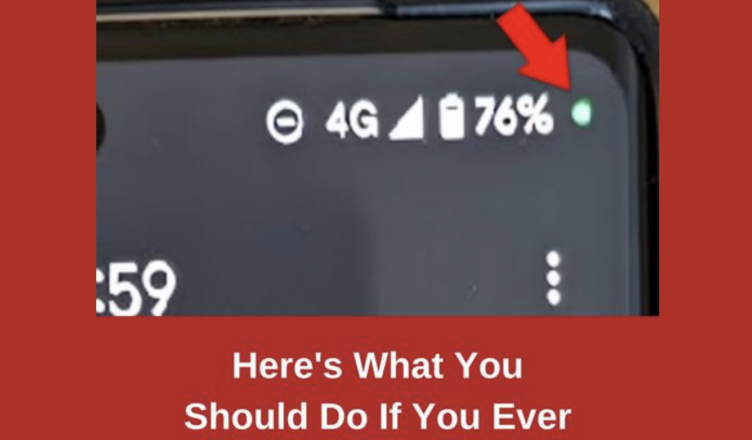
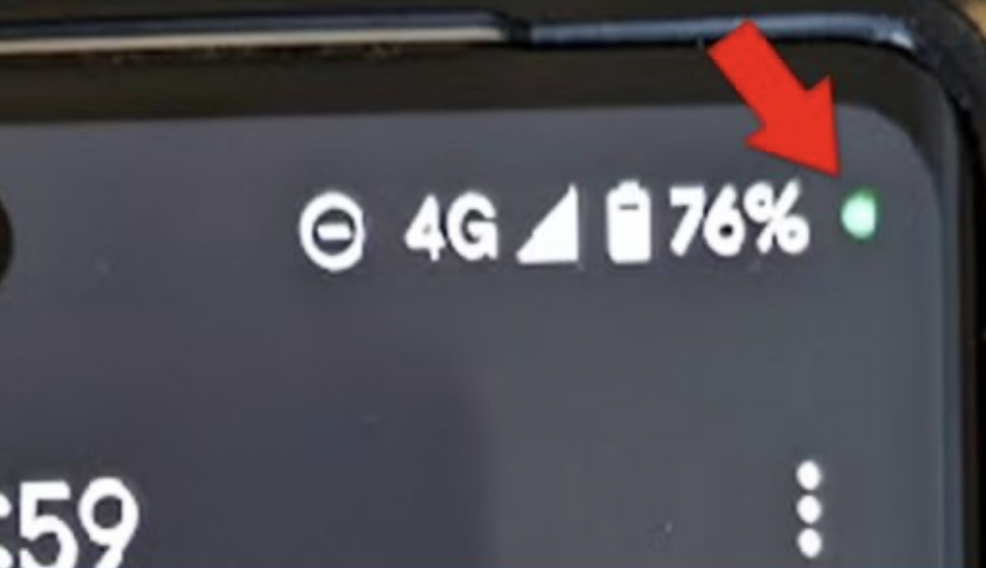
In today’s ever-changing digital realm, our reliance on smartphones has become paramount, seamlessly intertwining with our daily routines. However, this convenience also brings forth privacy considerations that users must remain vigilant about. The appearance of a green dot atop your Android device serves as a subtle alert that someone may be surreptitiously monitoring you without your knowledge.
This green dot indicates that an app is presently utilizing your phone’s sensors, notably the microphone or camera. While this may be legitimate, such as during a voice recording or call, it could also signify the presence of “spyware” apps compromising your privacy.
Similar to its iPhone counterpart, the green dot on Android devices has raised apprehensions regarding potential privacy infringements. The question arises: How can one differentiate between innocent applications and potentially malicious ones clandestinely exploiting your device’s sensors?

The introduction of the Privacy Indicator dot with the Android 12 update has been a pivotal inclusion for Android users across various brands like Samsung and Pixel. It furnishes users with a prompt visual cue when an app accesses their microphone or camera. While usually innocuous, certain apps like voice assistants or legitimate third-party applications may necessitate access to these sensors for their intended functionality.
Nonetheless, exercising caution is imperative. Should you notice an unexpected green dot, it warrants further investigation. This could suggest an app has been granted access to your microphone or camera without your active engagement. You can verify and manage these permissions within your device’s settings under the “permissions” section.
To ensure device security, Jamie Akhtar, CEO, and co-founder of CyberSmart, advocates swift action upon detecting unauthorized access. Initiating a malware scan through the Play Store’s Play Protect feature is a prudent initial step, coupled with changing critical account passwords like email. It’s essential to undertake this process from a secure device to prevent further compromise.
Identifying the app responsible for the green dot is relatively straightforward. Upon spotting the green dot, swipe down from your screen’s top to reveal either a microphone or camera icon, signifying the active sensor. Tapping on this icon unveils the specific app currently utilizing it. Subsequently, you can opt to revoke the app’s permissions or uninstall it if necessary.
Android’s commitment to privacy is further underscored by the Privacy Dashboard feature introduced in the Android 12 update. This dashboard provides an overview of apps accessing your device’s sensors, as well as sensitive data like call logs and contacts. Accessible through the Settings app, navigating to Security and Privacy (or simply Privacy) leads you to the Privacy Dashboard, enabling you to manage sensor permissions according to your preferences.
In an era where technological advancements enrich our lives, the specter of data breaches and privacy encroachments looms large. The green dot symbolizes the intricate interplay between convenience and vulnerability. As users, comprehending and actively regulating our device’s permissions empower us to strike a balance between harnessing technology’s advantages and safeguarding our digital privacy.