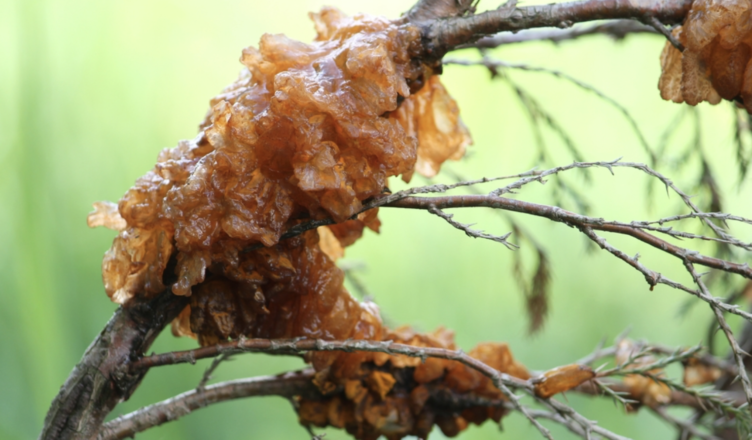
If you have a backyard and care for plants, it’s essential to be prepared for potential issues. Here’s what you need to know if you encounter a peculiar ‘jelly-like nut’ in your garden.
A Reddit user in Oklahoma woke up to a puzzling sight one morning: yellow jelly in the trees and what they described as a ‘jelly alien nut.’ Perplexed, they turned to the Reddit community for help, mentioning that the tree in question was a conifer, though they weren’t sure of the exact species.
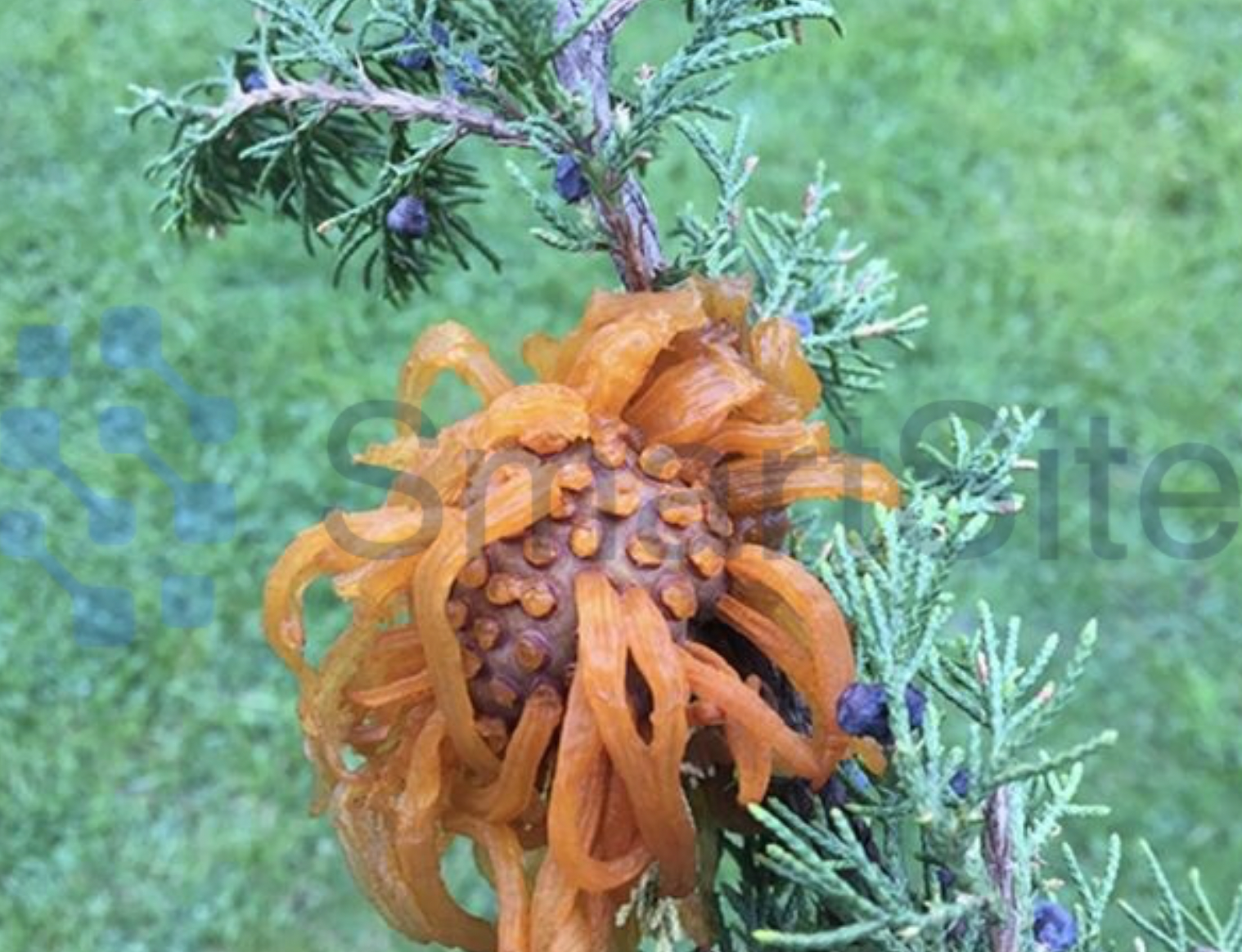
A quick response from a Reddit user identified the phenomenon as ‘cedar-apple rust,’ a common rust disease that requires two hosts to complete its life cycle, primarily affecting apples and crabapples.
Symptoms vary depending on the tree. On juniper trees, it manifests as brown, perennial galls on twigs, occasionally leading to the death of the twig beyond the gall. On apple or crabapple trees, circular yellow lesions appear on leaves after blooming, followed by brownish clusters of threads or cylindrical tubes in late summer.
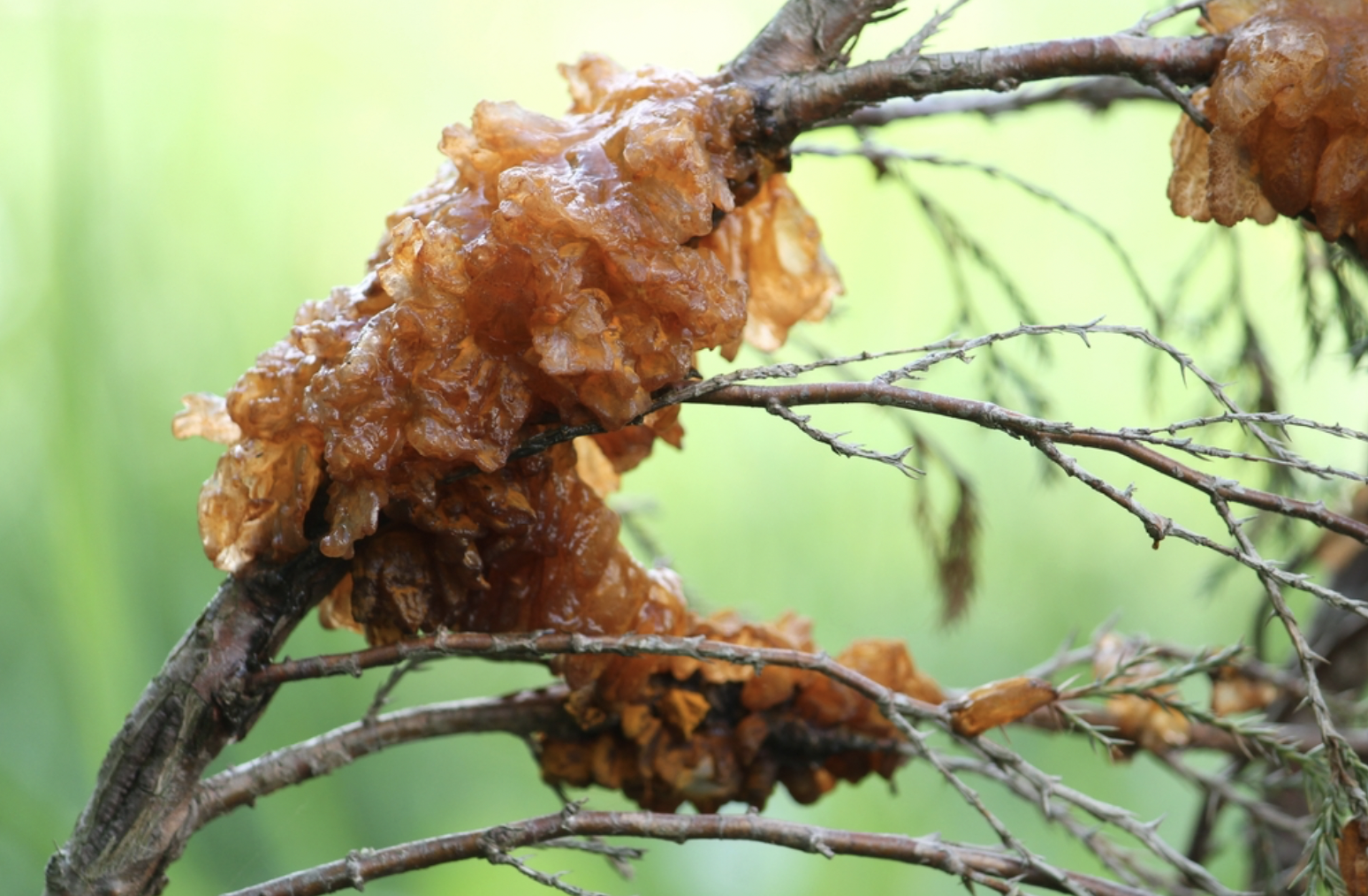
The disease cycle spans several months, with galls appearing seven months after initial infection, turning into gelatinous masses after 18 months, and eventually forming telial horns the following spring. These horns release spores during spring rain, after which they collapse and fall off, leaving behind disfigured galls that persist on the tree for at least another year.
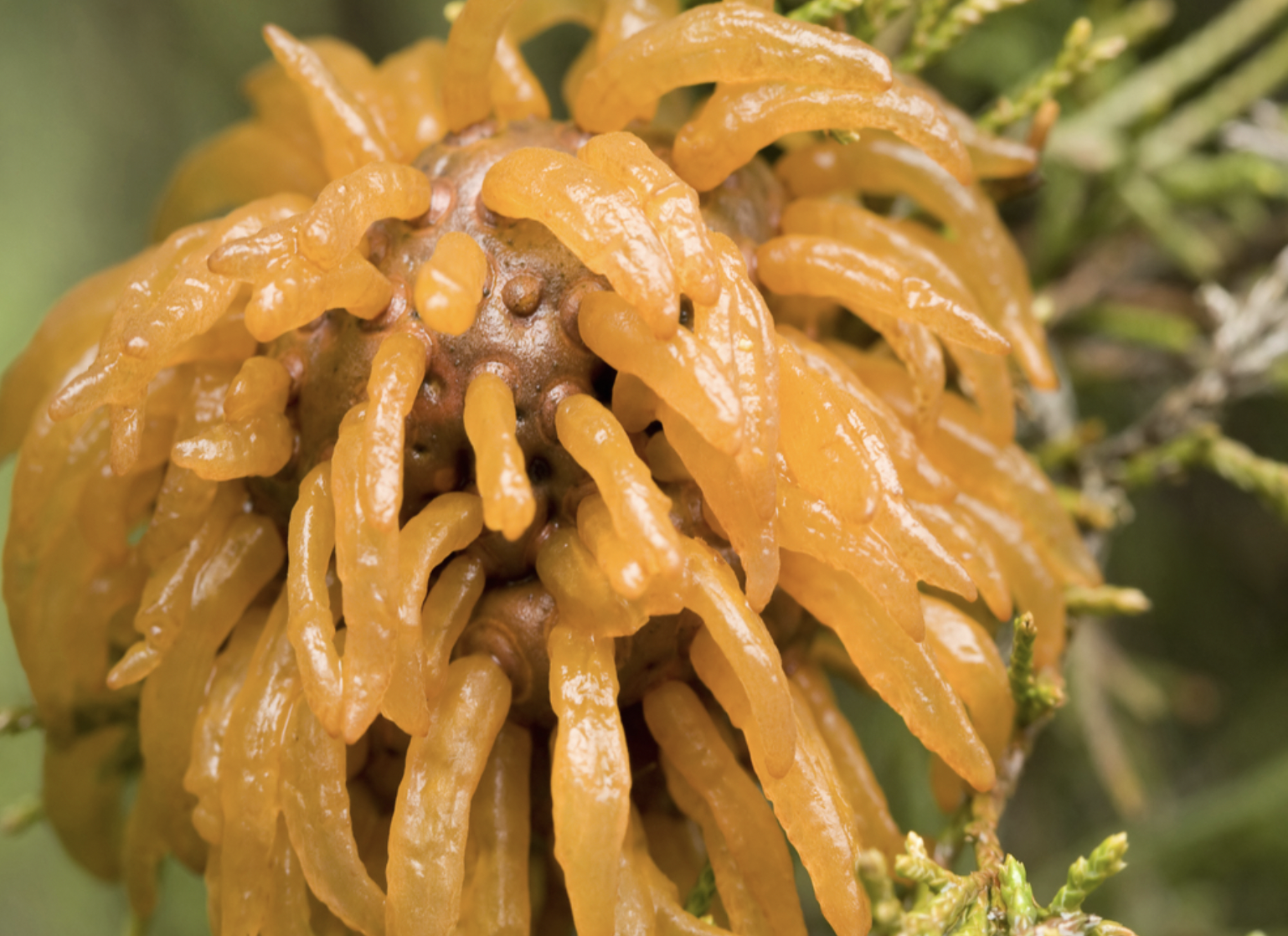
Managing the infection involves pruning infected areas or using preventative fungicides. While the disease doesn’t kill trees, it can deform plants, particularly affecting twigs. Awareness is key, so share this information with others to help them identify and manage this infection in their backyard.