
Eggs are a versatile ingredient in various culinary dishes, but proper storage is essential due to their perishable nature. For raw eggs, whether farm-fresh or store-bought, the USDA recommends refrigeration at 35°F to 40°F (1.7°C to 4.4°C) to preserve freshness for 3-5 weeks. Storing them in the original carton helps protect against strong odors. Hard-boiled eggs remain fresh for about a week when refrigerated in airtight containers, while cooked eggs (scrambled or in omelets) stay edible for 3-4 days when sealed in containers after cooling.
Liquid eggs, available in cartons, can last up to a week past the “sell-by” date if unopened. Once opened, aim to use them within two days. Egg replacements commonly used in baking have a longer fridge life of 10-14 days when properly sealed and refrigerated.
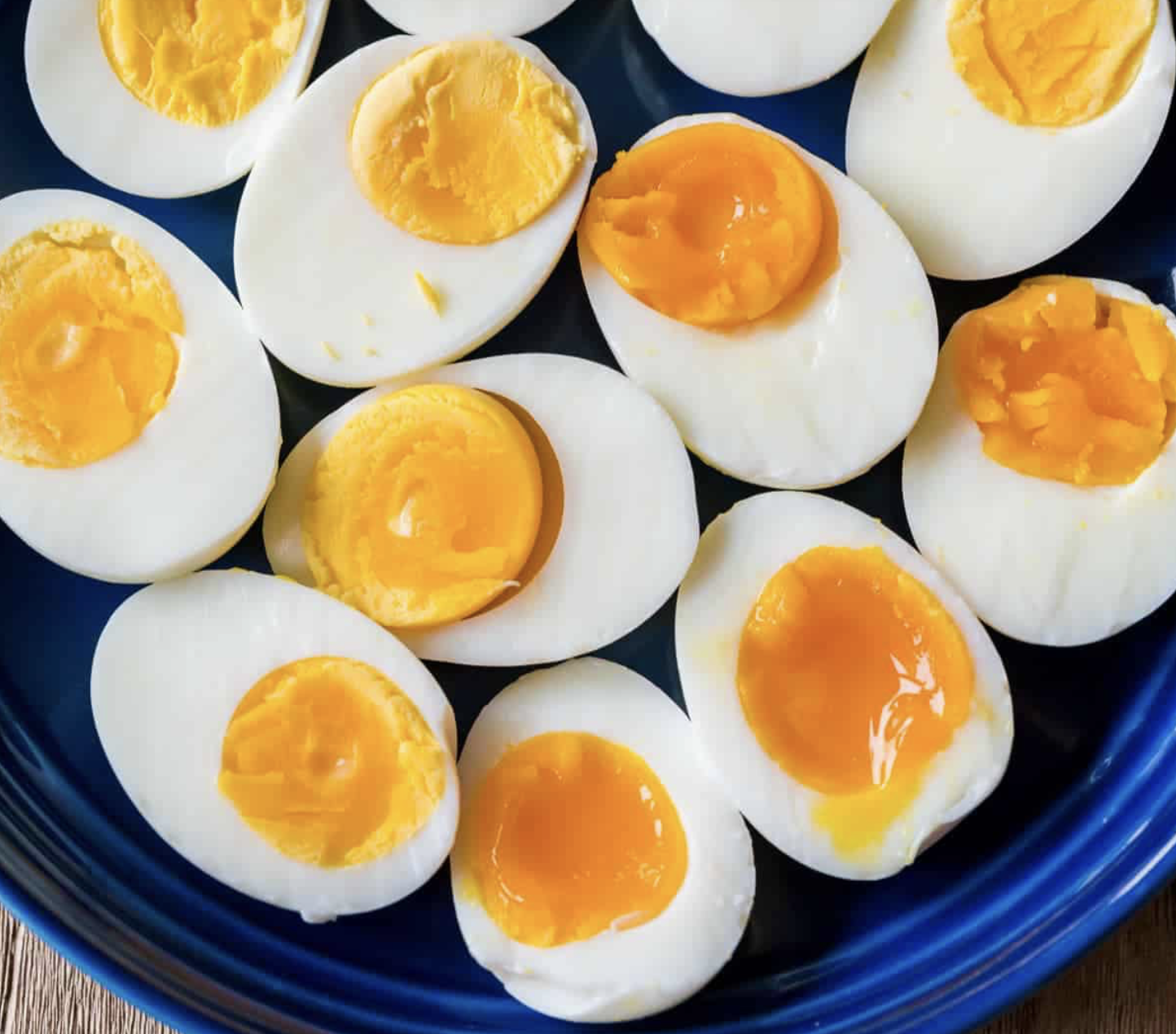
It’s crucial to store eggs below 40°F (4.4°C) to inhibit bacterial growth, particularly for preventing diseases like Salmonella. Avoid leaving egg-based meals at room temperature, especially in warmer climates, as bacteria thrive in such conditions.
To check an egg’s freshness, consider the “float test.” Submerge the egg in water – fresh eggs sink, while older ones may float due to an enlarged air pocket.
Whether dealing with raw or cooked eggs, following recommended storage practices ensures their freshness and safety, allowing you to enjoy the culinary delights they offer with confidence.