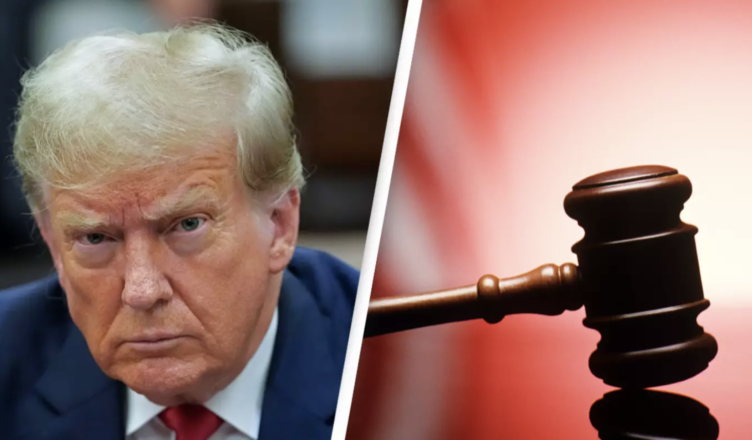
Former President Donald Trump has encountered another legal setback ahead of the 2024 Presidential election. In his New York civil fraud case, Trump has been instructed to pay a substantial $354 million. The ruling by Judge Arthur Engoron on February 16 also includes a three-year ban on Trump serving as an officer or director of any New York corporation or legal entity.
New York Attorney General Letitia James aimed to secure $370 million from Trump, his companies, and top executives, including his children, Donald Trump Jr. and Eric Trump. The allegation focused on their involvement in persistent fraud. The lawsuit accused them of inflating the value of Trump’s assets on government financial statements, enabling them to obtain bank loans and insurance policies at rates they wouldn’t otherwise be entitled to.
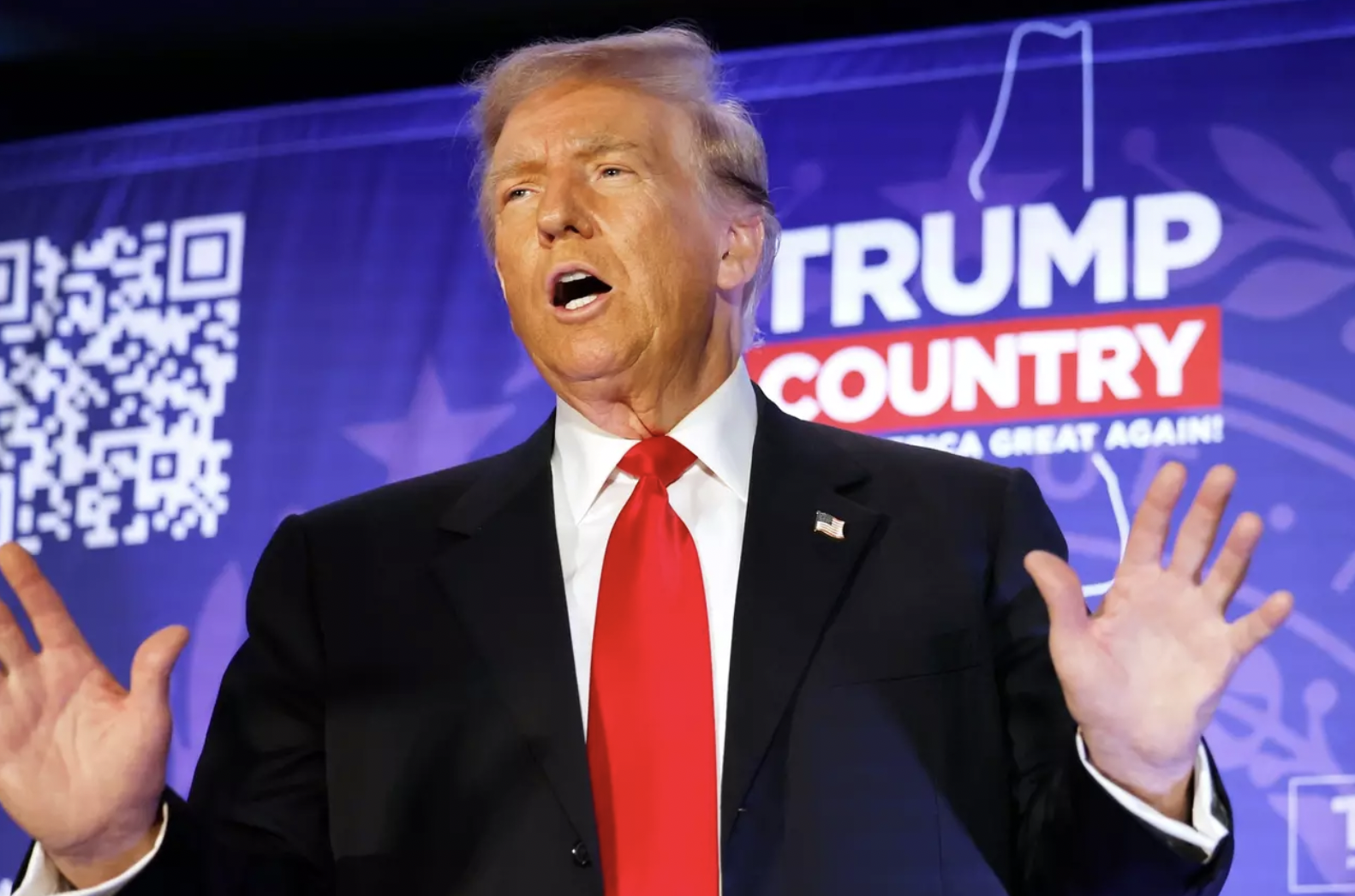
Judge Engoron, in a court document, criticized Trump, his sons, and executives Allen Weisselberg and Jeff McConney. Slate journalist Mark Joseph Stern shared a portion of the judge’s statement on social media, where Engoron expressed concern about the defendants’ complete lack of contrition and remorse, describing it as bordering on pathological. The judge highlighted that the accusations revolved around inflating asset values to increase profits, emphasizing the defendants’ refusal to admit error and their evasive posture.
Engoron clarified that the court’s objective was not to pass judgment on the defendants’ morality but rather to ascertain the facts and apply the law. He emphasized the court’s intention to protect the integrity of the financial marketplace and, consequently, the public as a whole. The judge concluded by expressing concerns about the defendants’ refusal to admit error, suggesting that without judicial restraint, they might engage in similar conduct going forward.
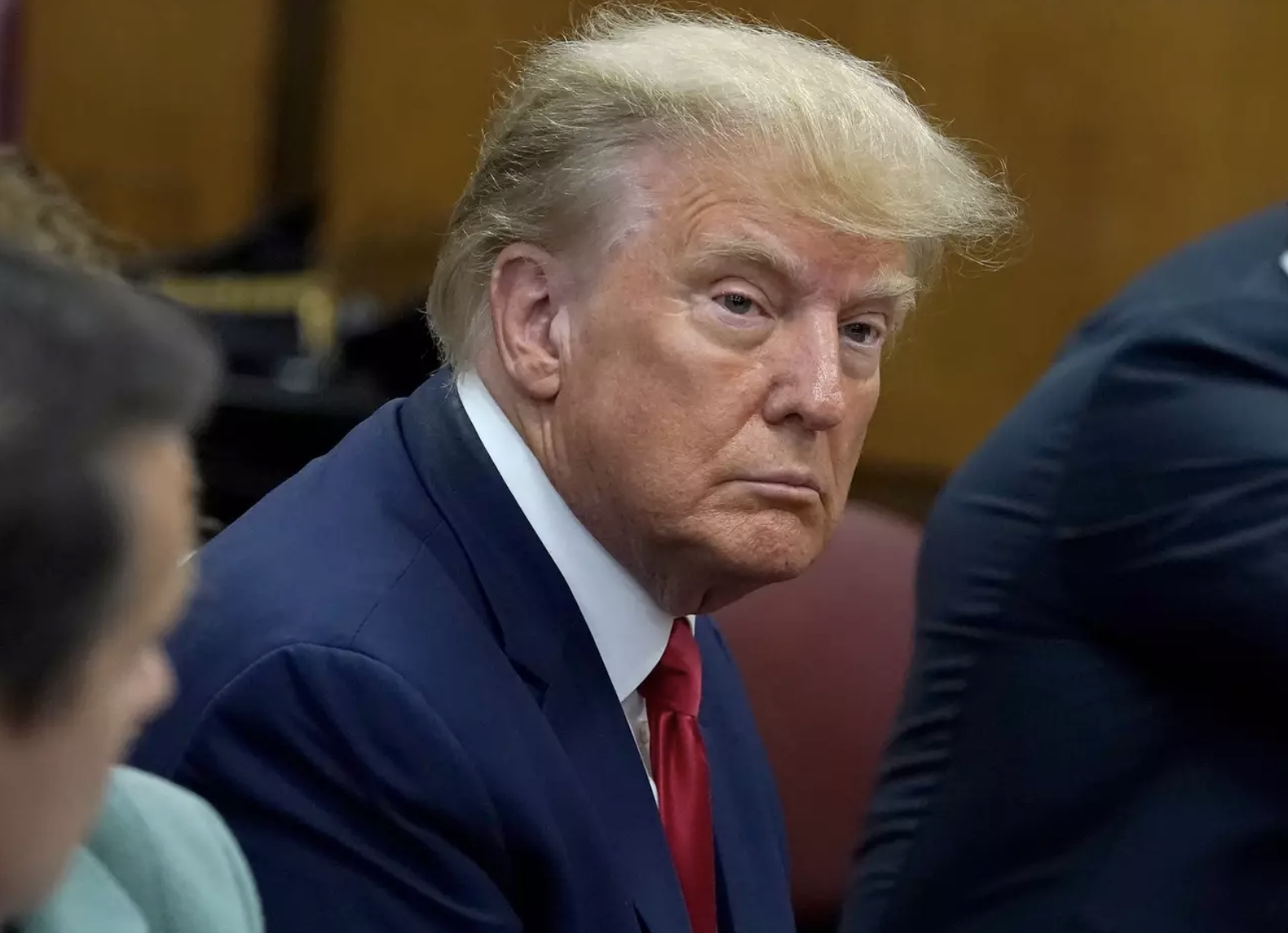
As of the time of writing, Donald Trump, known for his active presence on the social network platform Truth Social, has not commented on the ruling. However, his lawyer, Alina Habba, announced plans to appeal, characterizing the verdict as a manifest injustice resulting from a politically-driven witch hunt aimed at “taking down Donald Trump” long before Letitia James assumed office as attorney general.