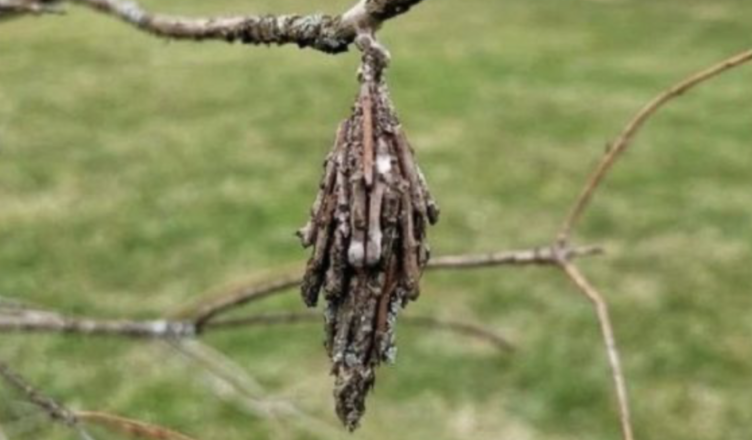
Have you seen the lovely pine needles on your previously bright and luxuriant evergreen trees falling off? It may be the result of an infestation of evergreen bagworms. Contrary to their name, these cunning creatures are actually larval moths. If ignored, they have the potential to seriously harm or even kill your trees. But don’t worry; if you know what to do, you can save your trees.
Introducing the Evergreen Bagworm, a Quiet Killer of Trees
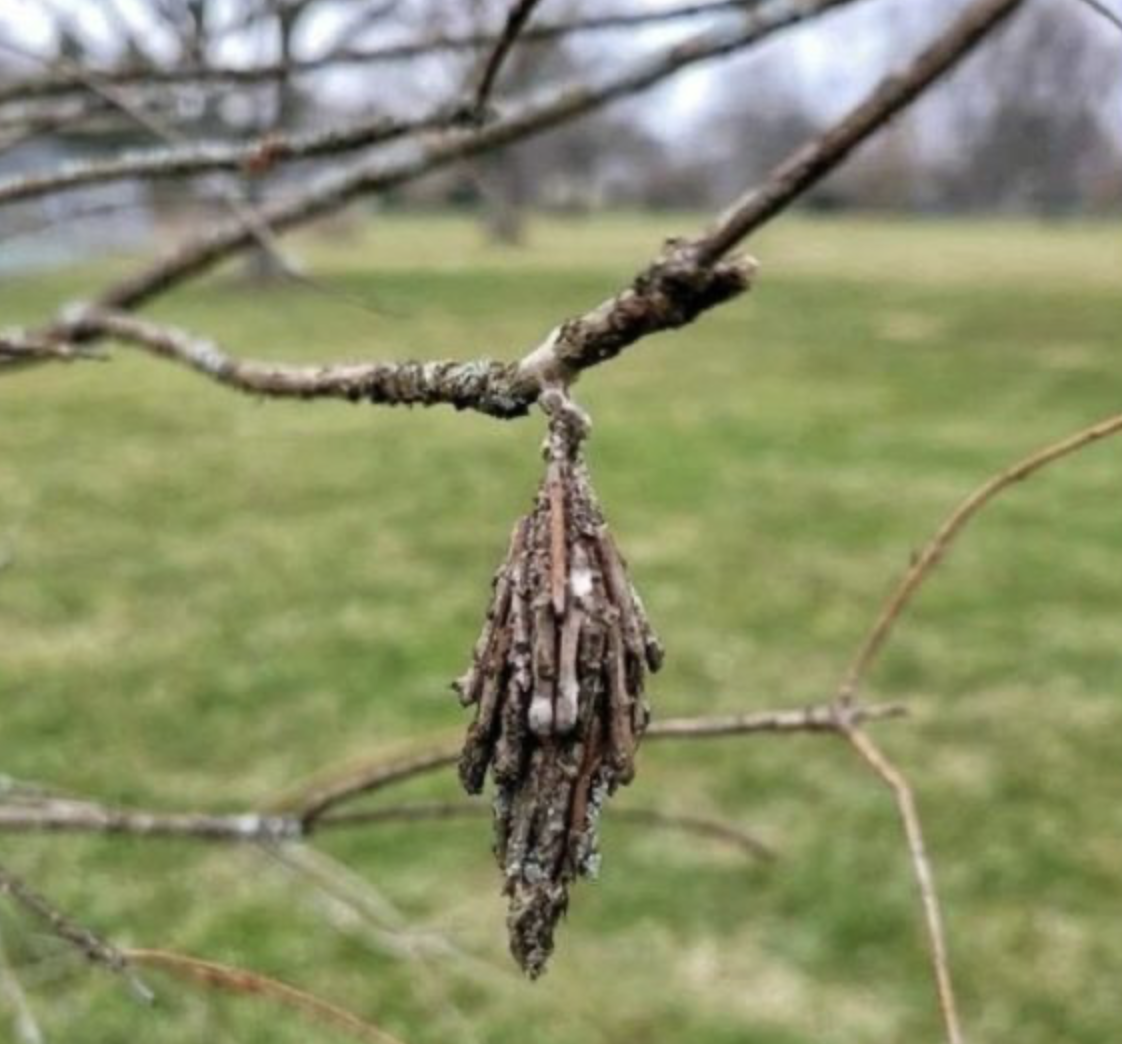
There aren’t many pests on trees as well-known as the Evergreen Bagworm. These small animals, which are members of the Psychidae family, get their name from the unusual protective shell—also referred to as a bag or case—that they form around themselves. These bags, formed of plant waste such as leaves, twigs, and bark, disguise the bagworm larvae and hang from tree branches.
Recognizing the Cunning Evergreen Bagworm
Thyridopteryx ephemeraeformis, formally known as the Evergreen Bagworm, is a moth species capable of causing extensive damage to both deciduous and evergreen plants. Their disguises and movable shelters make them look like little sacks dangling from tree branches. These cunning organisms are actually larval moths, not worms.
The Evergreen Bagworm Life Cycle
In order to successfully control infestations, it’s essential to understand the life cycle of evergreen bagworms. The mature female deposits her eggs in a bag that she leaves hanging from the tree. These eggs hatch into small larvae that leave the bag in search of a suitable host tree in late spring or early summer. They begin constructing their bags with silk generated by their bodies’ unique glands.
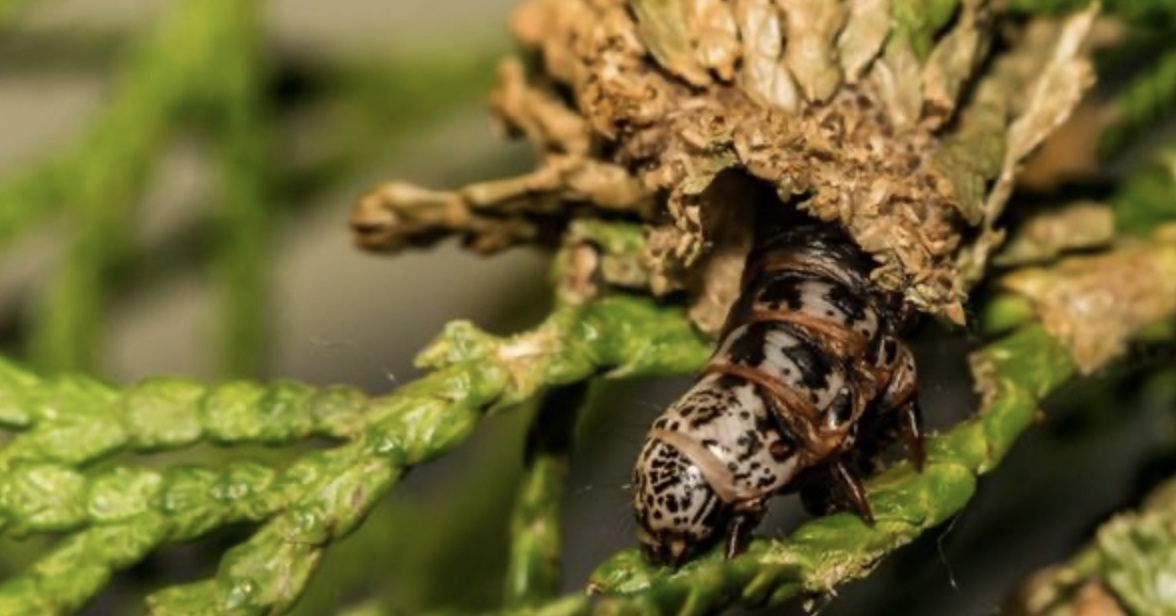
The larvae emerge from their bags from time to time as they molt and grow, adding more plant debris to them. With time, these bags become more obvious. The instar, or last stage, of bagworm larvae normally occurs in late summer or early autumn. They are ready to pupate at around six weeks.
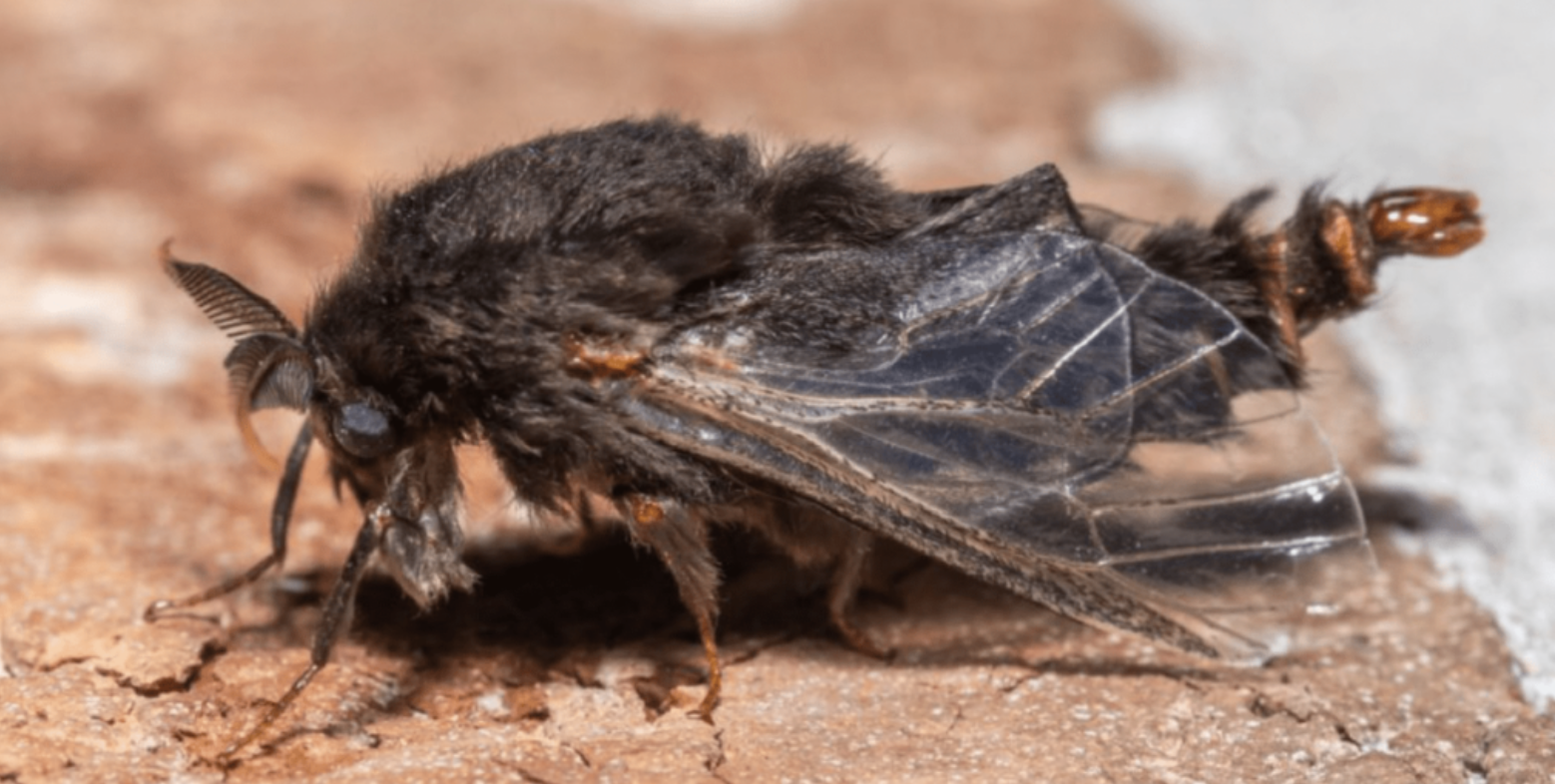
The caterpillar changes from its larval stage to its adult stage inside the protective box. Inside the bagworm cases, the pupae grow covertly. After a fortnight or so, the mature moths emerge through a circular aperture in the casing. Male moths, which are smaller, darker, and have more distinct wings than females, take off in search of mates, while the wingless females remain near the parent tree.
The Evergreen Bagworm’s Destructive Nature
Despite their innocent appearance, evergreen bagworms can cause significant damage to trees if not managed. Since these voracious feeders conceal themselves within their bags while feeding on vegetation, it can be difficult to detect an infestation until it has progressed significantly. Their feeding activities cause defoliation, which hinders trees’ ability to photosynthesize and produce the necessary nutrients for survival and growth. Their grazing also weakens the tree, increasing its vulnerability to pests, diseases, and environmental stresses. If treatment is not received, evergreen bagworms can lead to tree deterioration and possibly death.
Combating Evergreen Bagworms with Action
Managing Evergreen Bagworm infestations quickly and effectively is critical to minimizing the damage they cause. Consider the following methods and strategies for effective management:
Keeping trees healthy
When it comes to evergreen bagworms, therapy is never better than prevention. Implementing these practices can reduce the likelihood of infestation and improve the overall health of your trees:
Check your trees frequently for evidence of bagworm infestation, such as sacks dangling from branches.
Before the larvae have an opportunity to emerge and proliferate, prune and remove any sacks you see.
By including a range of tree species in your environment, you may promote biodiversity. This will help you prevent bagworm infestations in your trees.
The final word
Despite its small size and almost undetectable appearance, the Evergreen Bagworm may stealthily destroy trees. You can protect your trees from these cunning invaders by understanding their life cycle, realizing how devastating they are, and implementing proper management techniques. In order to stop infestations and keep the beauty and vitality of your environment, routine inspections, preventative actions, and maintaining healthy trees will all be very helpful. Make sure your trees remain healthy and attractive by preventing the Evergreen Bagworm from posing a silent threat. Act now to safeguard your treasured trees!