When my wife and I moved from the village to the outskirts of the city, we bought a private house there. We also acquired a dug-out cellar on the property. I was pleased that now we would have a place to store supplies for the winter. Growing up in a village, I was accustomed to always having a cellar full of provisions for the cold season.
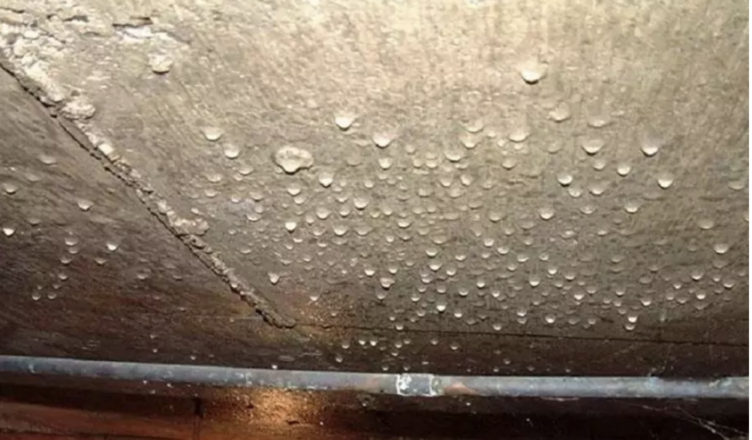
However, during the very first winter, I was disappointed. Almost immediately, moisture began to form on the cellar’s ceiling. And, as everyone knows, this is bad for preserving supplies. Condensation accumulates on the vegetables, leading to their rotting. Moisture is also harmful to the metal lids on jars of pickles because they start to rust.
I tried many different methods to solve the condensation problem on my cellar’s ceiling and walls. I left the lid slightly open, but that didn’t work, as the cellar quickly became much colder. I decided to search for a solution online and found one method. I bought foam insulation and used it to insulate the cellar ceiling. But that didn’t help either; the moisture kept appearing.
My neighbor is about 60 years old. The man has worked in construction all his life. One time, we got to talking, and I told him about my problem with condensation in the cellar. He gave me a few tips to fix the situation. Now, I no longer have to worry about condensation in the cellar.
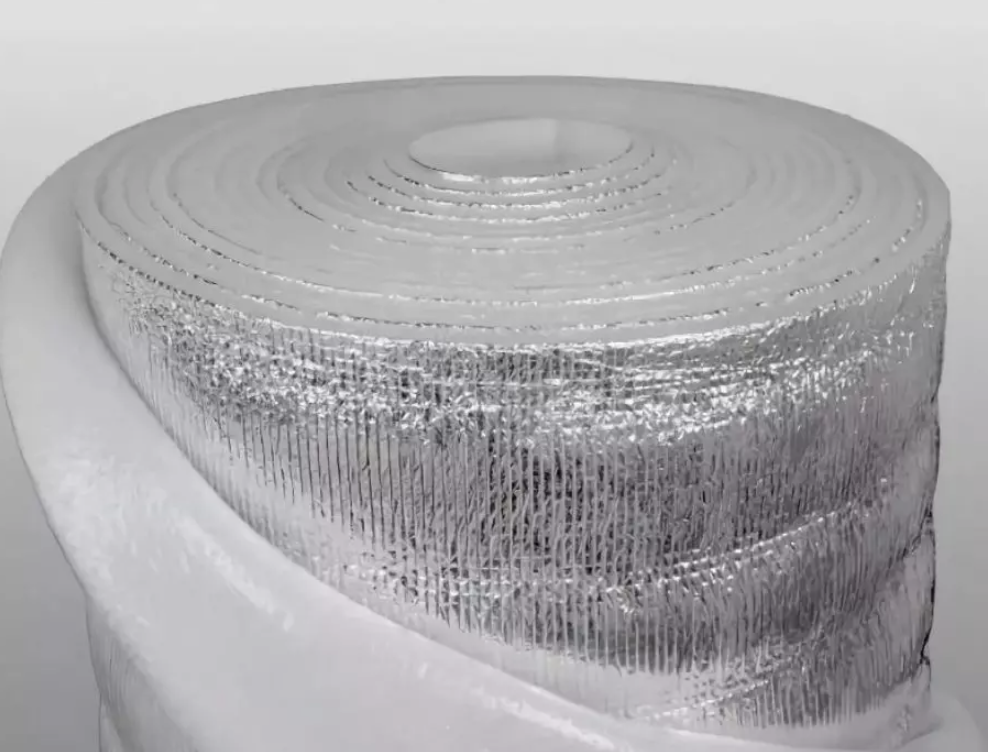
The first recommendation is to insulate the cellar roof. However, the key is to insulate it from the outside, not the inside. It’s quite simple. You need to install a layer of thermal insulation on top of the roof, and one side should have a reflective layer—the shiny side should face inward. That was enough.
The second and most important recommendation is to install ventilation. Given the size of my cellar, I had to install two ventilation systems. The first is an intake vent, with the pipe’s bottom edge located 40 cm from the floor. The second pipe is an exhaust vent, with the bottom edge placed 20 cm from the ceiling.
I had to extend the pipes as high as possible. On top, I made a small canopy to prevent moisture from getting inside. My neighbor said I should also install a damper to close off the pipes during severe frost. I didn’t do that, so I had to plug the pipes manually, using some old rags.
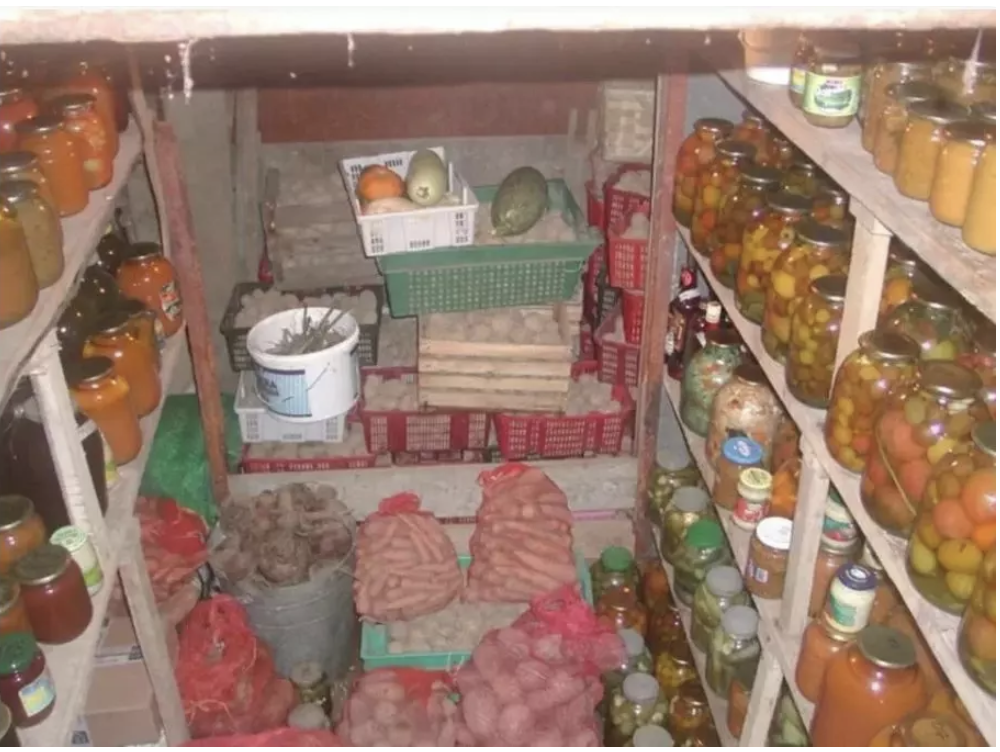
Some friends of mine also advised me to remove excess moisture once all the supplies are already in the cellar. To do this, you need to place boxes of sawdust in the cellar for a few days. That will be enough time for the sawdust to absorb all the excess moisture. Afterward, you can throw them out.
This is how easily you can get rid of condensation in the cellar. Although it will take time and effort, you will solve the problem permanently.