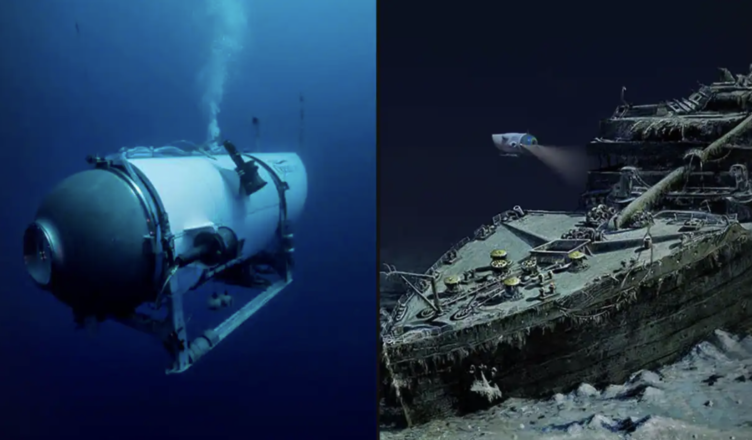
New information has emerged on the fatal event involving the Titan submarine, which exploded while on a mission to examine the Titanic crash site on June 18, the same year, killing all five passengers on board. The US Coast Guard is still investigating this tragic incident.
The Coast Guard has issued an update on the inquiry, revealing critical information. On October 4, marine safety engineers from the Coast Guard’s Marine Board of Investigation (MBI) successfully retrieved and transported the Titan submersible’s remaining wreckage and evidence from the North Atlantic Ocean bottom. This operation came after their first recovery attempts in late June.
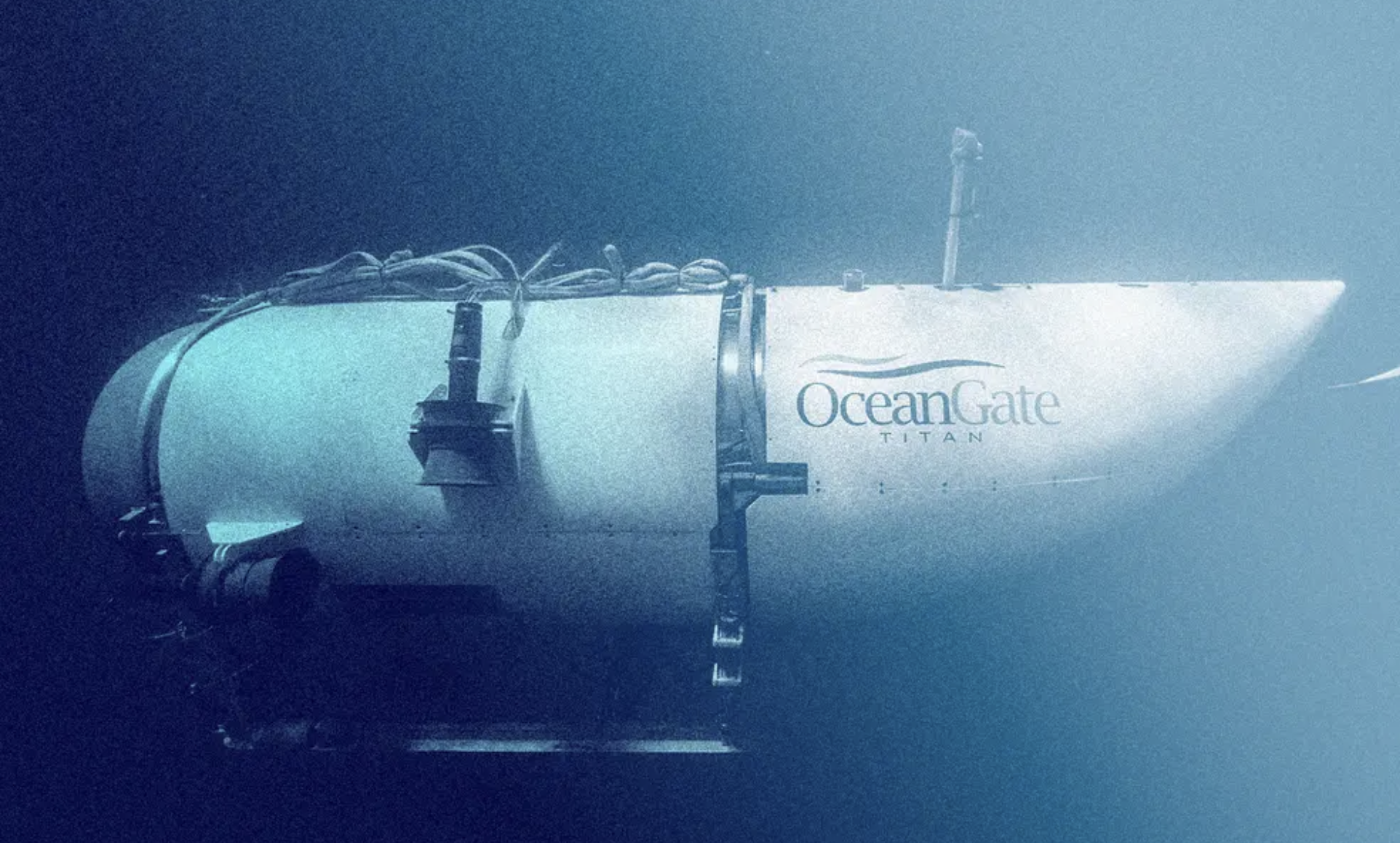
The salvage effort was carried out in accordance with an existing arrangement with the US Navy Supervisor of Salvage and Diving. On October 4, investigators from the National Transportation Safety Board (NTSB) of the United States and the Transportation Safety Board of Canada joined the operation. The discovered material was taken to a U.S. port for categorization and processing, as was done with the evidence collected in June. Notably, they have uncovered other putative human remains, which are presently being examined by medical authorities.
The MBI is working with the NTSB and foreign investigating agencies to plan a collaborative evidence analysis of the Titan wreckage, which will help identify the next stages for forensic testing. They remain dedicated to doing further evidence analysis and interviews.
This is the Coast Guard’s second successful recovery mission; the first was performed on June 28, just 10 days after the submersible was reported lost. During the first rescue, the Coast Guard reported the recovery of ‘presumed human remains,’ emphasizing the meticulous extraction of these remains from the wreckage at the scene. After that, the wreckage and evidence were brought from Canada to the United States for extensive examination, evaluation, and analysis.
OceanGate Expeditions’ Titan submarine was built to dive more than 13,000 feet below the Earth’s surface and survive tremendous pressure. Its aim was to investigate the Titanic wreckage, which is about 2.5 miles beneath the ocean’s surface. Despite having a 96-hour oxygen supply, it lost touch with its operator barely two hours after diving.
The Titan’s five passengers were Hamish Harding, Shahzada Dawood, Suleman Dawood, Paul-Henri Nargeolet, and Stockton Rush. These were ardent explorers committed to marine exploration. OceanGate conveyed their heartfelt sadness and sympathies to the families of the dead.
Both OceanGate and the Coast Guard decided in June that all five passengers had most certainly died, citing a debris field consistent with a catastrophic submersible implosion. Six days later, the Coast Guard launched their first recovery effort, beginning a painful chapter in this tragedy.