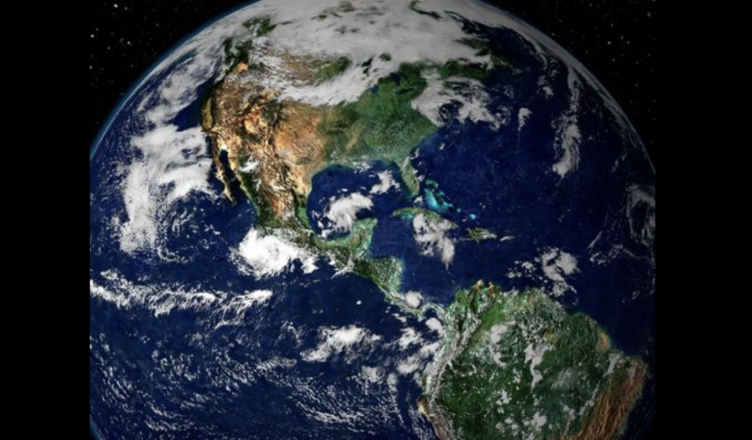
The color green is often associated with positivity and progress, symbolizing safety and growth. In the context of Earth, an increase in green vegetation might seem like good news, especially in the face of climate change. However, recent scientific studies based on satellite data reveal a complex picture.
While Earth’s temperature continues to rise, satellite data shows an increase in green vegetation, including land and ocean areas. This phenomenon, known as ‘global greening,’ is attributed to multiple factors, including the rise in atmospheric CO2 levels due to human activities like burning fossil fuels.
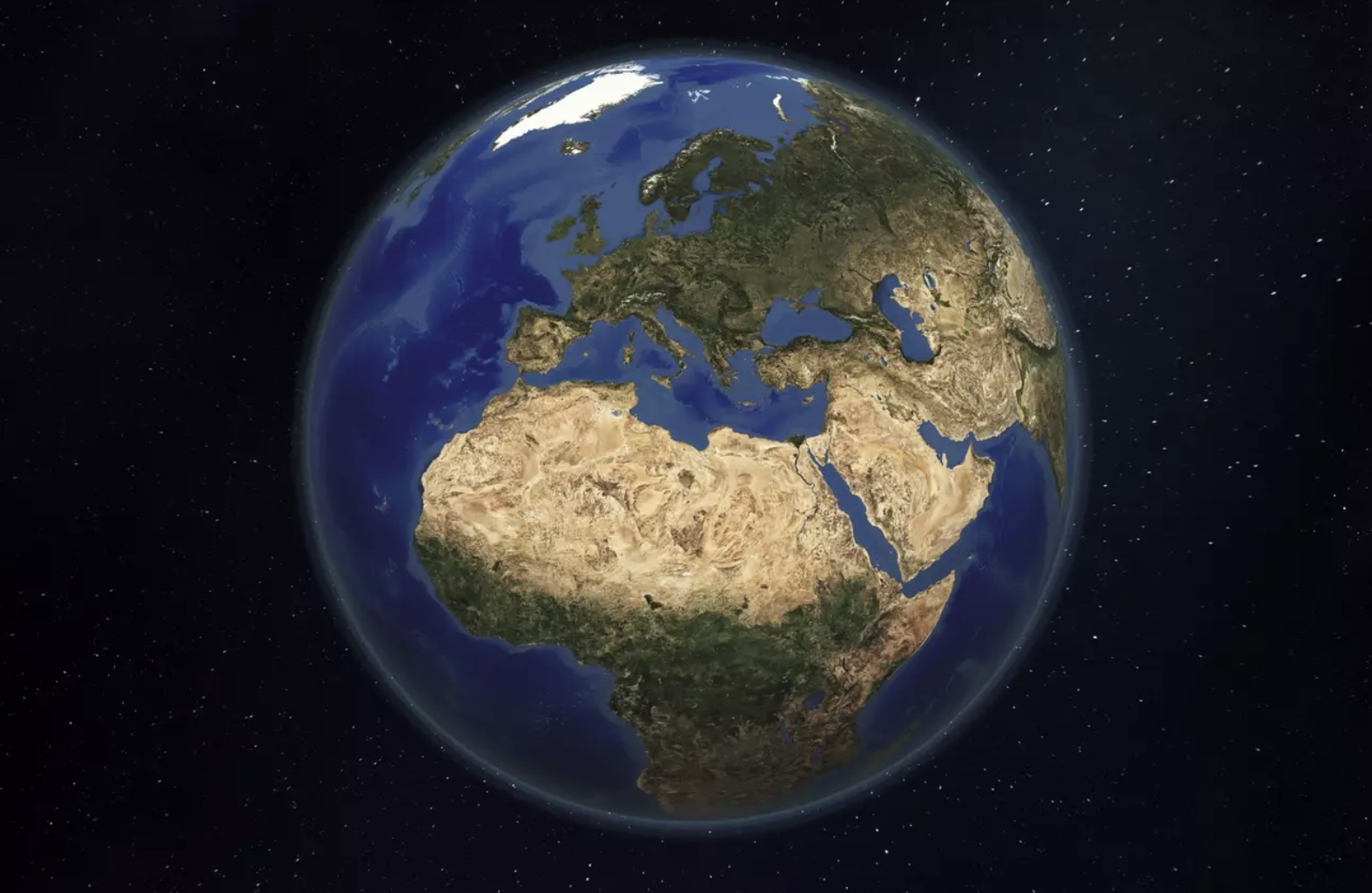
The increased CO2 content benefits vegetation, as plants use it for photosynthesis. The 2019 study reported a 5 percent growth in Earth’s green leaf area over two decades. This growth is not solely from natural ecosystems regenerating but is influenced significantly by human activities like farming and tree planting.
However, the reasons behind the ocean’s increasing greenness are not entirely clear. It could be due to a rise in phytoplankton, which consumes CO2, or changes in the phytoplankton’s color. The answer to this question has implications for understanding how much carbon the oceans can absorb.
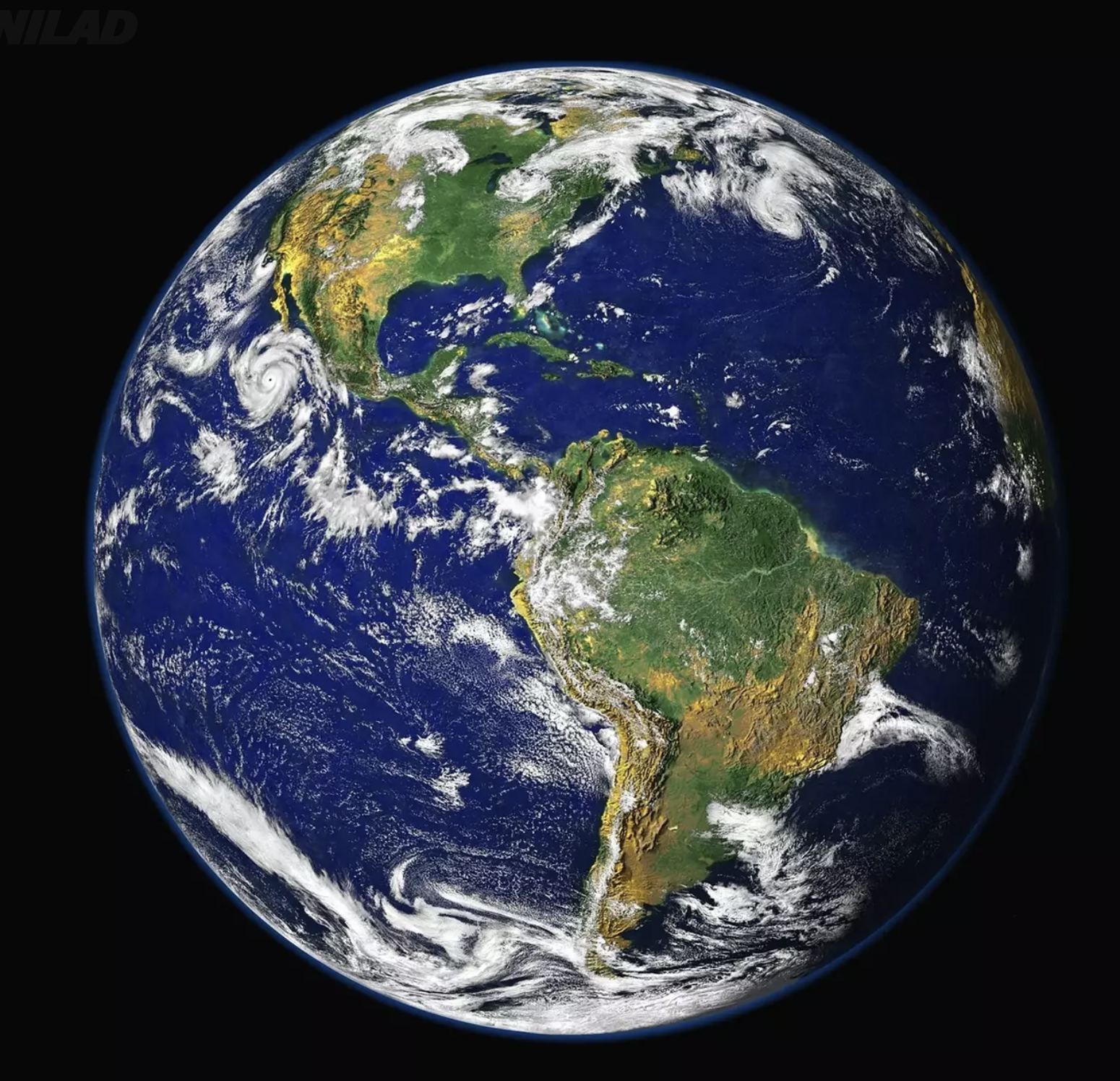
Despite the visual impact of ‘global greening,’ there are concerns about oversimplification in satellite imagery. The images do not distinguish between different types of vegetation, such as rainforests or crop cultivation. This lack of differentiation hides critical distinctions – for instance, the biodiversity of a rainforest versus the resource-intensive nature of large-scale agriculture.
The deceptive appearance of greenness from above doesn’t fully capture the complexity of environmental changes and human impact on the planet. As scientists continue to study these trends, it highlights the importance of a nuanced understanding of Earth’s conditions and the need for more comprehensive data to inform environmental policies.