When the internet is down at home for a couple of hours, it may be pretty inconvenient, and it is typically exacerbated if you need to use it immediately.
As you might imagine, this inconvenience would be multiplied tenfold if internet connections throughout the world fell down or faced serious problems.
Unfortunately, this isn’t the storyline of a forgotten B-tier Netflix thriller but rather a genuine possibility, according to experts analyzing the sun’s solar activity.
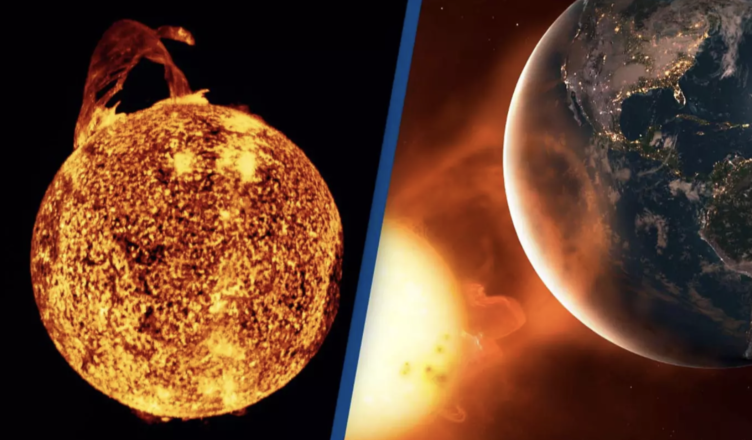
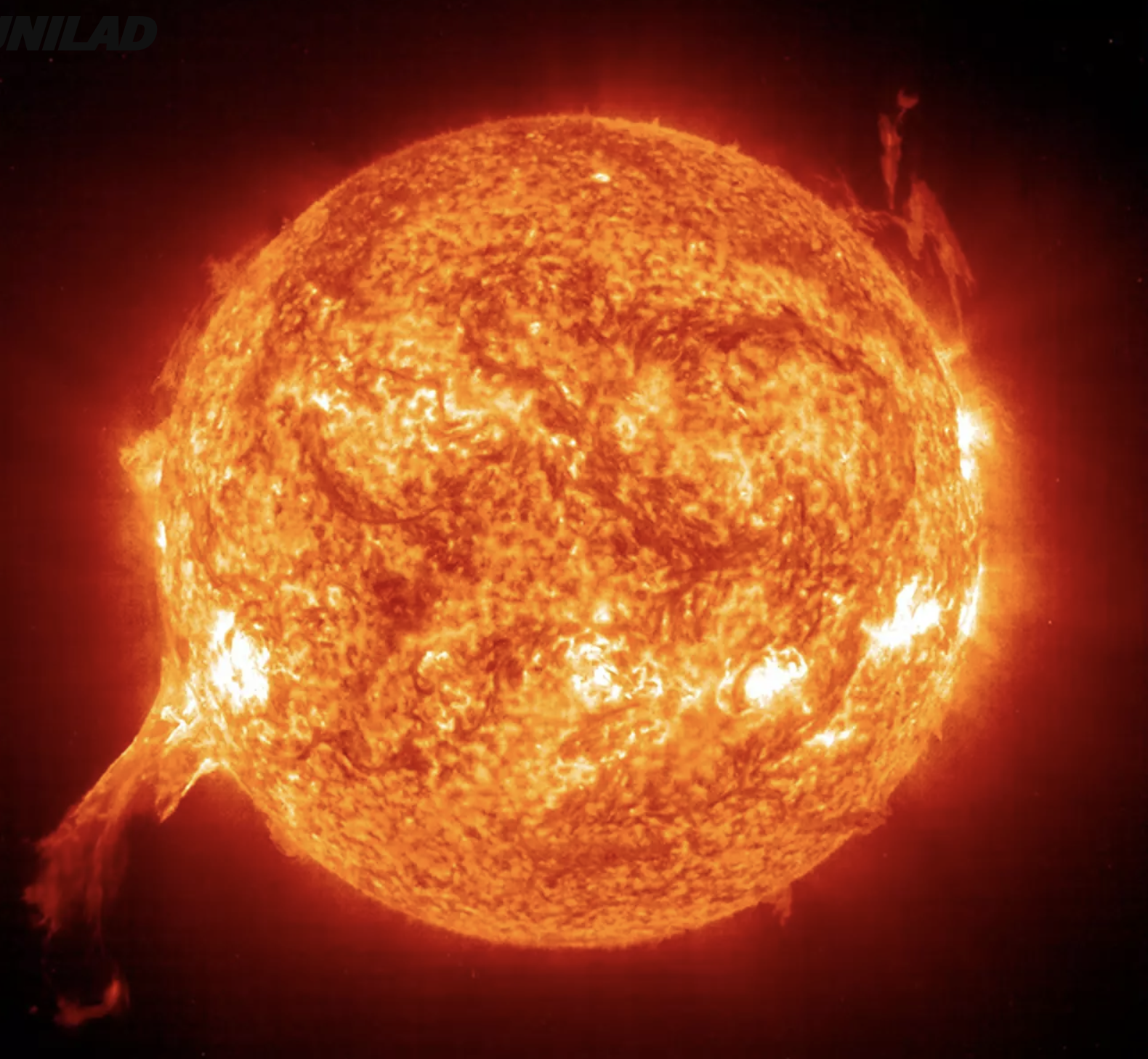
Every 11 years, the sun has a solar maximum, during which the surfaces begin to show black blotches. These black patches, created by a shift in the sun’s magnetic field, discharge powerful explosive energy at the Earth.
NASA predicts that the next solar maximum will occur in late 2025; however, recent research conducted by Dr. Dibyendu Nandi, a physicist from India’s IISER Kolkata Center of Excellence in Space Sciences, predicts that it will occur in early 2024.
“[It is] not possible to predict the intensity and consequences’ of solar storms this early, but we should learn more as the new year approaches,” he told Mail Online.
“The most intense storms can sometimes result in catastrophic orbital decay of low Earth-orbiting satellites and disrupt satellite-based services such as communications and navigational networks.”
As a result, many of the electronic tools we use every day may be disrupted.

“Of course, they also create beautiful auroras, so we can expect 2024 to be a good year for aurora hunters.”
Well, I suppose there isn’t a better time to admire the night sky than when the internet is down.
Nandi went on to warn that forecasting when the most powerful solar storms will occur can be difficult.
He demonstrated why his analysis and NASA’s results differed, as well as how each solar cycle may last anywhere from nine to fourteen years.
So 11 years is ‘a mean periodicity, suggesting that this is calculated by averaging the individual times of all recorded solar cycles in the contemporary era.’