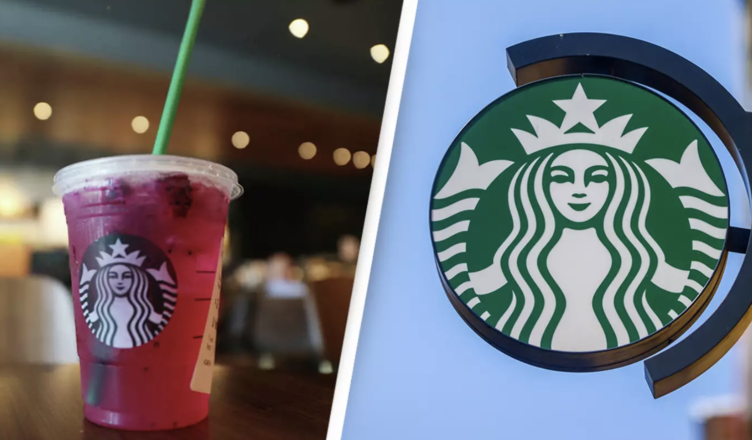
On Monday, a federal court ordered Starbucks to respond to a complaint alleging that its Refresher fruit brand beverages contain no fruit.
The coffee firm first sought dismissal of nine of the eleven complaint claims, but Manhattan U.S. District Judge John Cronan ruled that ‘a considerable number of reasonable customers’ would anticipate their cups to contain the fruit specified in the name.
Joan Kominis of Astoria, New York, and Jason McAllister of Fairfield, California, the two plaintiffs, emphasized the components of the Refresher menu as well as the drink titles they took issue with.
Starbucks’ Mango Dragonfruit, Mango Dragonfruit Lemonade, Pineapple Passionfruit, Pineapple Passionfruit Lemonade, Strawberry Açai, and Strawberry Açai Lemonade Refreshers did not include mango, passion fruit, or açai, according to the couple.
According to the complaint, the major constituents of the beverages were water, grape juice concentrate, and sugar. They claimed the names were deceptive, led them to be overpaid, and violated consumer protection laws in their respective states.
Starbucks stated in its bid to dismiss the lawsuit that the titles of its drinks indicated the flavors rather than the actual contents.
Additionally, the company claimed that this strategy would not be perplexing to sensible customers and that the baristas could have “sufficiently dispelled” any doubt.
Judge Cronan did not appear to be persuaded, stating that ‘nothing before the court shows that’mango,’ ‘passionfruit,’ and ‘açai’ are names that normally are believed to convey a taste without also identifying that substance’.
The judge also stated that because Starbucks manufactures other goods, some customers may anticipate the Refresher drinks to have the fruit described in their names. According to him, the Ice Matcha Tea Latte has matcha, while the Honey Citrus Mint Tea contains both honey and mint.
The judge dismissed two of the 11 claims. The judge rejected the first of two cases, finding no evidence that Starbucks intended to deceive its consumers. The second rejected claim was an unjust enrichment claim for this tactic.
Starbucks has already issued a statement in which it stated that it is looking forward to defending itself against the case, which it describes as “inaccurate and without merit.”
Earlier this month, Harvard Law Professor Louis Tompros emphasized the relevance of court decisions like this, claiming that they drive firms to ensure ‘honest’ advertising.
Tompros was asked to comment on a pending legal issue over Burger King’s marketing for their trademark Whopper burger in a Harvard Law Today story. According to the lawsuit, the burger is 35 percent smaller than the advertisement suggests and thus deceptive.
“It’s a very interesting case, and it falls into a general category of false advertising class actions,” he said of the Burger King claim.
“Consumer product class action lawsuits can sometimes serve an important purpose in keeping advertising honest.” Other times, the cases are more opportunistic, with a focus on going for large pockets.”