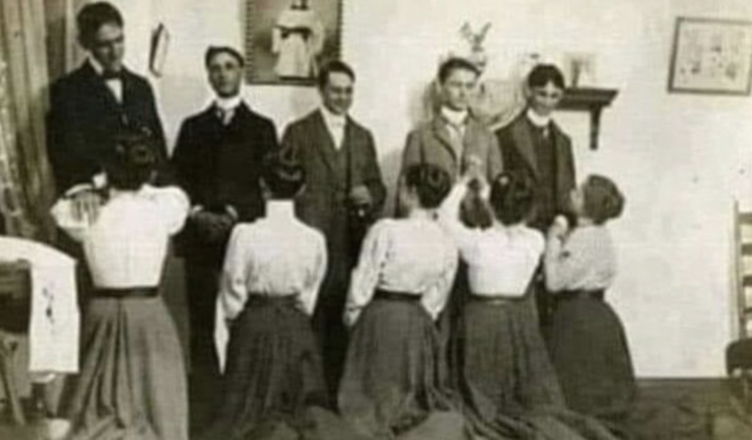
Social conventions, cultural values, and economic situations shaped expectations for spouses in the early 1900s, particularly in Western cultures such as the United States and Europe. Here are some important features of what wives were required to perform in public during this period:
1. Maintain social etiquette and decorum: Wives were expected to have refined manners, talk respectfully, and act gracefully and modestly. People often discouraged public displays of love, loud conversations, and boisterous behavior.
Dress Code: Prevailing standards required women, especially wives, to dress modestly and tastefully. This frequently entailed wearing lengthy gowns, corsets, and caps in public.
2. Maintain domestic roles.
Household Management: A wife’s major responsibility was to manage the household, which included cooking, cleaning, and raising children. In public, she was frequently responsible for purchasing food and home items.
Wives were expected to assist their husbands at social gatherings by serving as charming hostesses or courteous companions and maintaining their husband’s social status.
3. Participate in social and community life.
Wives frequently attended social engagements such as tea parties, church services, and community activities. These meetings provided an opportunity to socialize and strengthen social relationships.
Many women became involved in charity activities, including supporting local organizations and engaging in philanthropic work. They viewed this as an extension of their caring responsibilities.
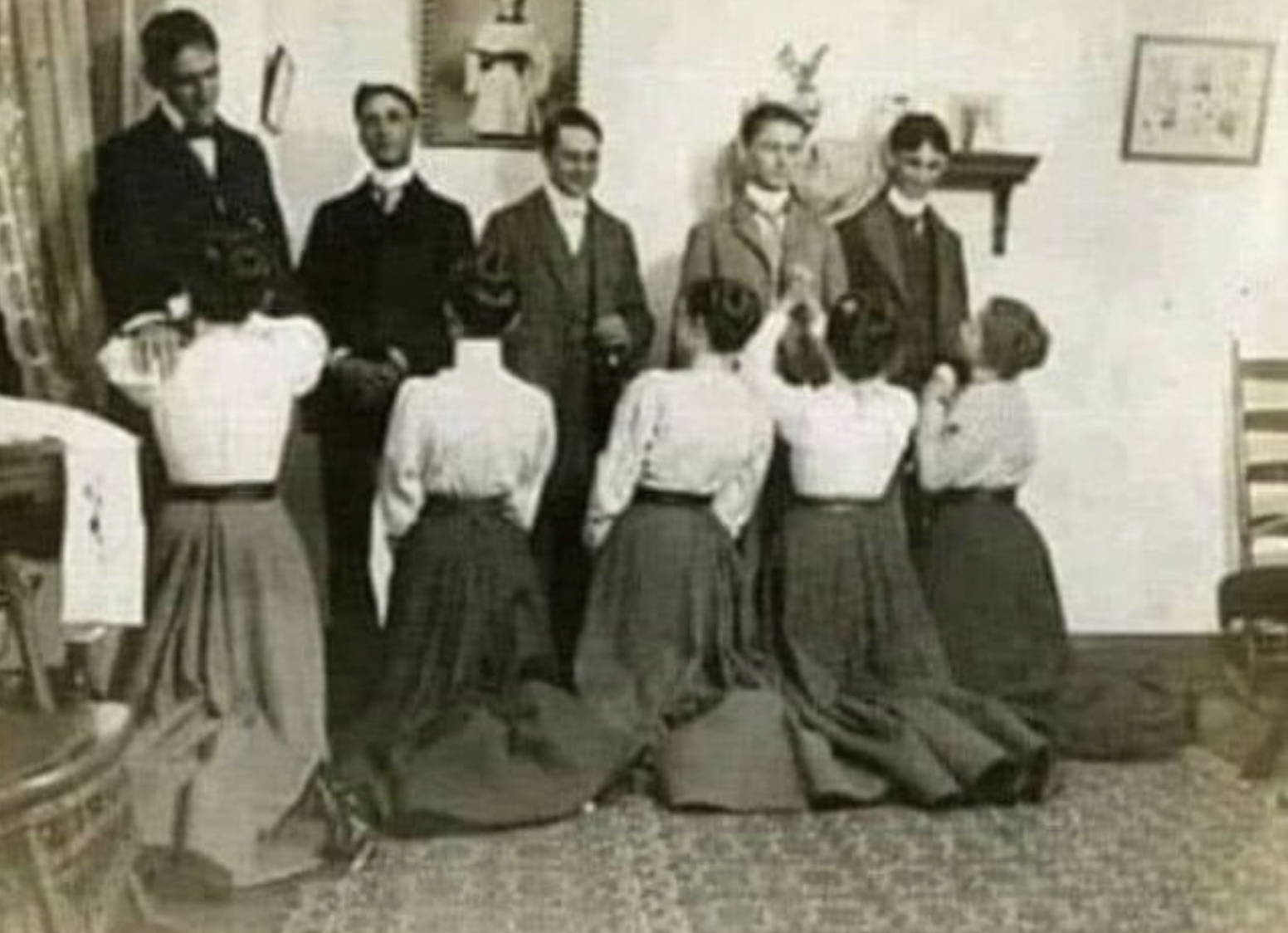
4. Adhere to gender roles and expectations.
Submissiveness: There was a significant expectation that wives would submit to their husbands. Public encounters reflected this expectation, requiring a woman to respect her husband’s viewpoint and authority.
Reputation Management: Maintaining a positive reputation was critical. In order to avoid scandal and family dishonor, wives had to be careful.
5. Cultural and regional variations
Urban vs. Rural Differences: Expectations may differ between urban and rural locations. In cities, the focus may be on social appearance and fashion, but in rural places, practicality and community engagement may be more important.
Ethnic and socioeconomic influences: Wives’ expectations and duties differed depending on ethnicity and socioeconomic status. Immigrant groups, for example, frequently retained their own family-related customs and rituals.
6. The Suffrage Movement and Public Engagement
Emerging Public Roles: As the women’s suffrage movement gained traction in the late 1800s, women’s roles began to change. Wives got increasingly interested in lobbying for women’s rights and encouraging public participation in social reforms.
Education and Employment: As more women pursued higher education and entered the workforce, they challenged conventional roles and gradually changed public opinions.
7. The obligation to display family values
Family First: In public, wives were expected to demonstrate their duty as dedicated mothers and caretakers, typically emphasizing family values and domestic happiness.
While stressing conventional gender roles, there was also an expectation for a visible collaboration in marriage, with the woman supporting her husband’s public pursuits.
Key examples:
Women in long gowns with corsets and headgear move demurely, avoiding undue attention.
Community Functions: Wives organize and participate in community activities, promoting their families as models.
Supporting spouses: Attending public events with their spouses, typically walking a step behind to show their support.
Visual Representation: Films and TV productions set in the early 1900s, such as Downton Abbey or Little Women, frequently illustrate societal conventions and expectations for spouses.
Understanding these cultural standards reveals how significantly wives’ duties and expectations have changed over the last century, mirroring larger shifts in gender roles and social systems.