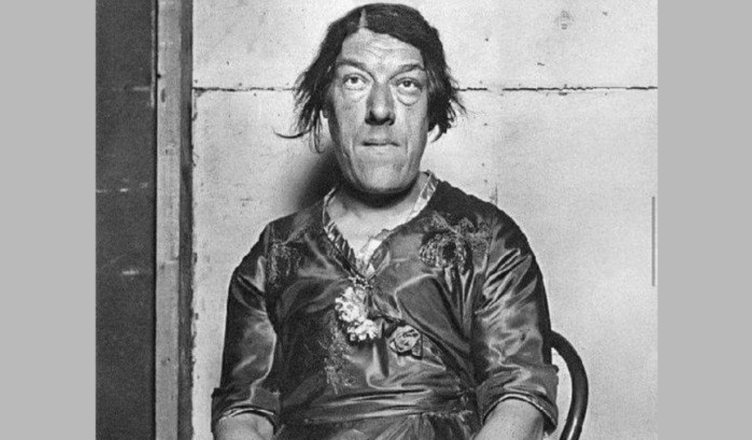
Mary Ann Bevan’s story unfolds in the 19th century, a period marked by the prominence of ‘freak shows’ in American culture. These traveling circuses showcased individuals with deformities and disabilities, drawing large audiences. While such treatment is now considered highly unacceptable, during that era, labeling people as ‘freaks’ was unfortunately socially acceptable.
Born on December 20, 1874, in Plaistow, East London, United Kingdom, Mary Ann Bevan initially led a respectable life as a nurse. She was not only respected in society but also considered an attractive woman with numerous opportunities. In 1902, she met and married Thomas Bevan, with whom she had four children. However, their happiness was short-lived as Thomas passed away after 14 years, leaving Mary to care for their children alone.
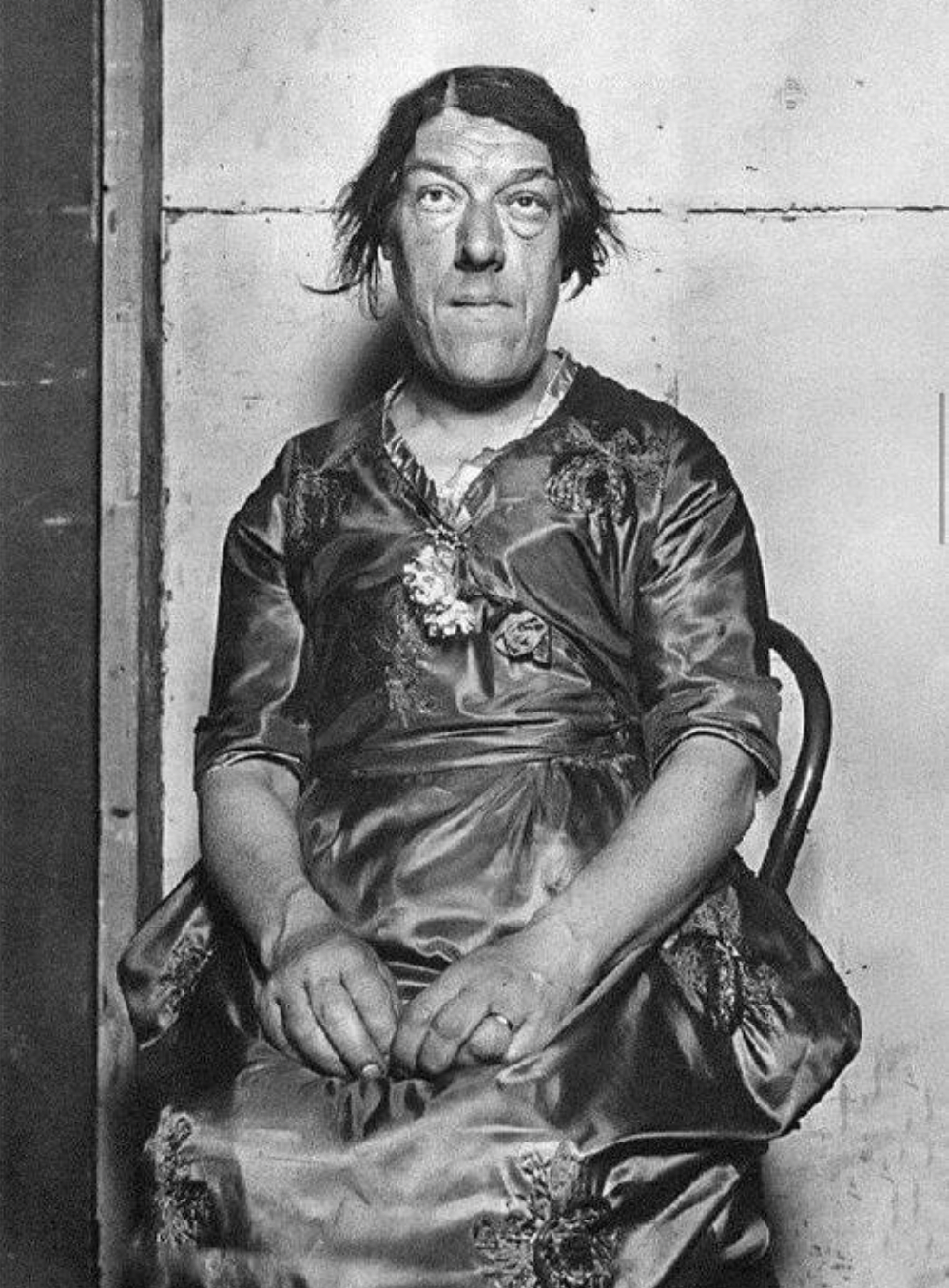
Mary’s life took a challenging turn around the age of 32 when she began experiencing peculiar symptoms. Her face underwent gradual changes, and she found herself grappling with both psychological and financial challenges. Mary’s bones started growing abnormally, causing facial deformities. Consequently, she lost her job, and the ability to provide for her children became increasingly difficult.
During that time, medical diagnosis was limited, and Mary’s condition remained unidentified. She was, in fact, suffering from acromegaly, a hormonal disorder arising when the pituitary gland produces excessive growth hormone during adulthood, after the period of normal height increase. This disorder leads to enlarged bones in the hands, feet, and face.
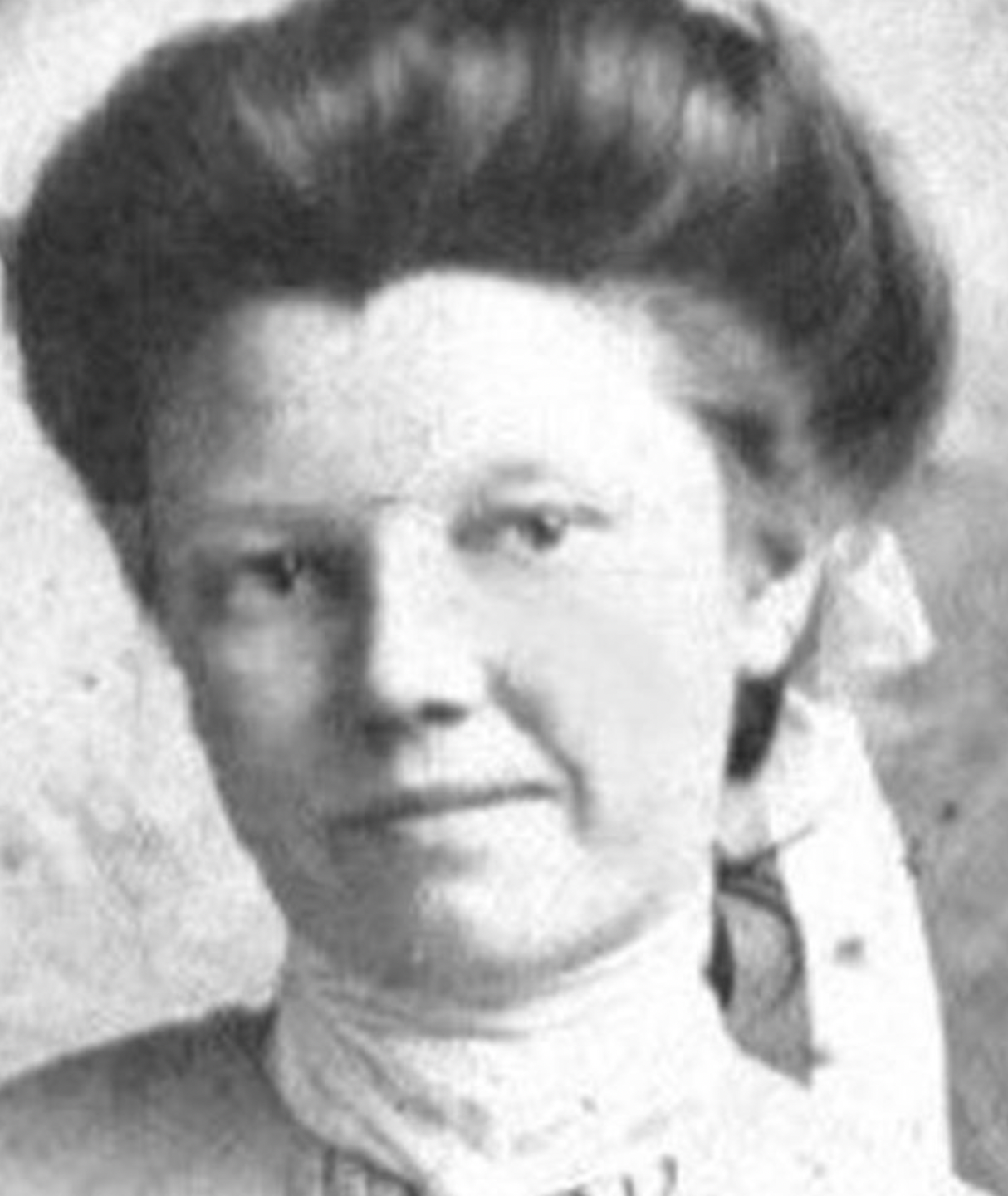
Mary Ann Bevan’s life exemplifies the hardships faced by individuals during an era when understanding and empathy for such conditions were lacking, resulting in societal isolation and financial struggles for those who experienced physical abnormalities.