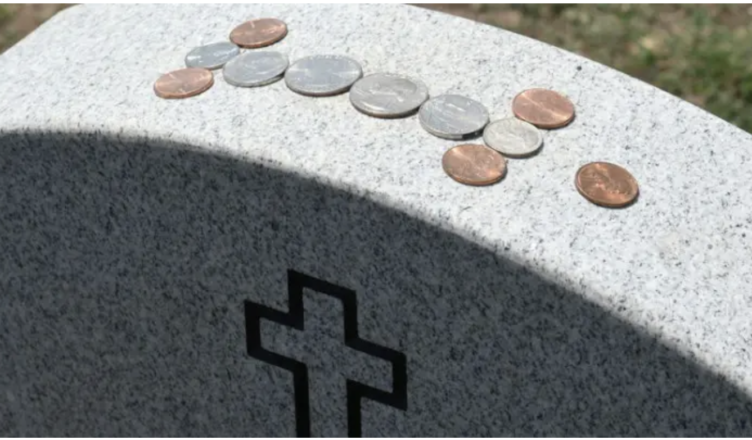
Placing coins on gravestones, especially those of military personnel, holds significant meaning for veterans and their families. While the exact origins of this practice are not definitively established, it is commonly associated with paying tribute to fallen soldiers and comrades.
The tradition of leaving coins on gravestones is sometimes rumored to have roots in the Vietnam War. During a politically divisive time, leaving a coin was considered a more practical and neutral way to communicate that one had visited a soldier’s grave, avoiding potential uncomfortable discussions with the soldier’s family.
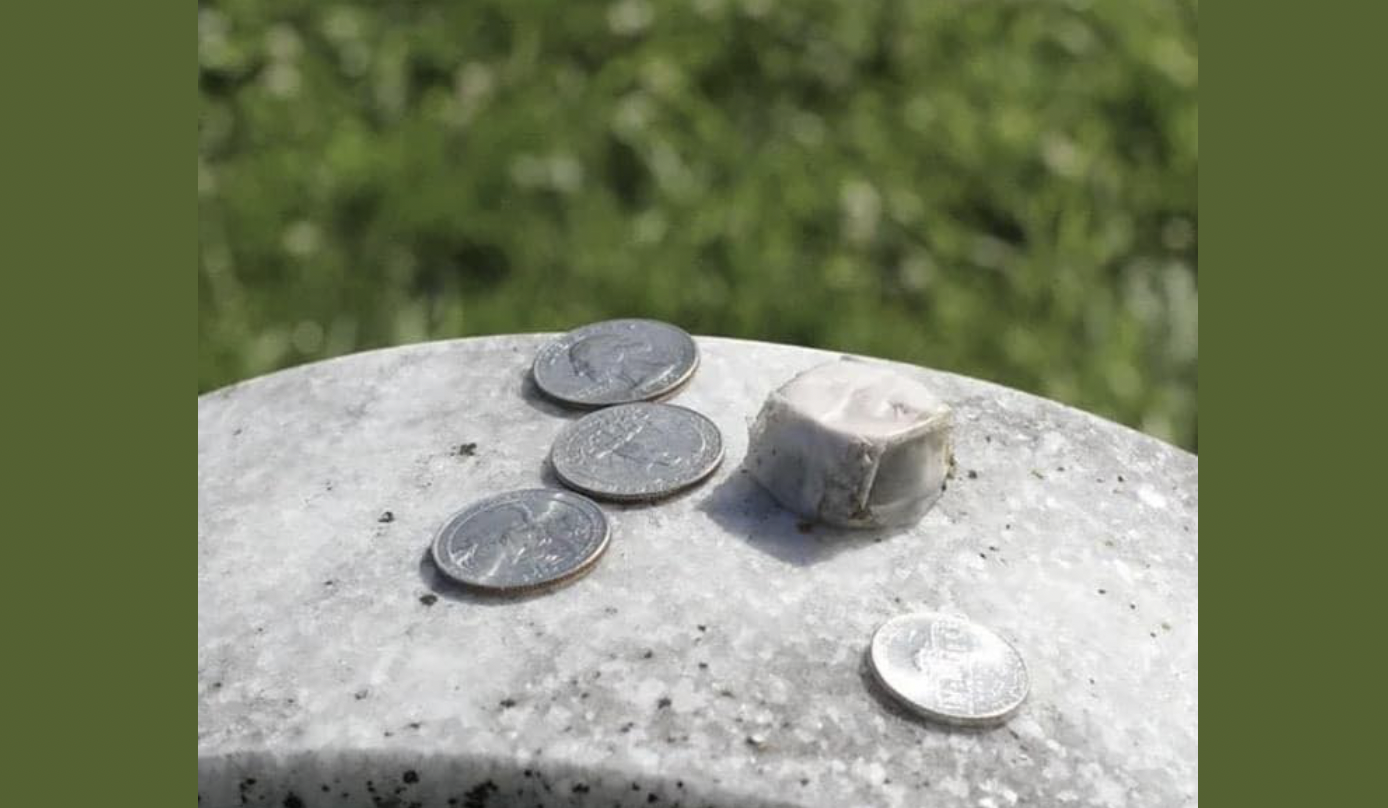
Symbolically, each coin carries distinct meanings. A penny signifies that someone has visited the grave, while a nickel indicates a shared experience in boot camp, adding an emotional layer to the gesture. The dime represents teamwork, even if brief, before being transferred, and the quarter signifies that the person leaving the coin was present when the deceased passed away, offering solace to the family.
In the broader context of military traditions, challenge coins are also prevalent. These coins, though not actual currency, hold symbolic value and represent unity among those who have served. Similarly, the practice of placing money on veterans’ gravestones reflects a deep connection and respect for the sacrifices made by military personnel and their families.
While coins have historical significance in various cultures as symbols of good fortune and wealth, the act of placing pennies on gravestones transcends mere symbolism. It serves as a meaningful way to acknowledge and honor the sacrifices of those who have served in the military, ensuring that their contributions are not forgotten.