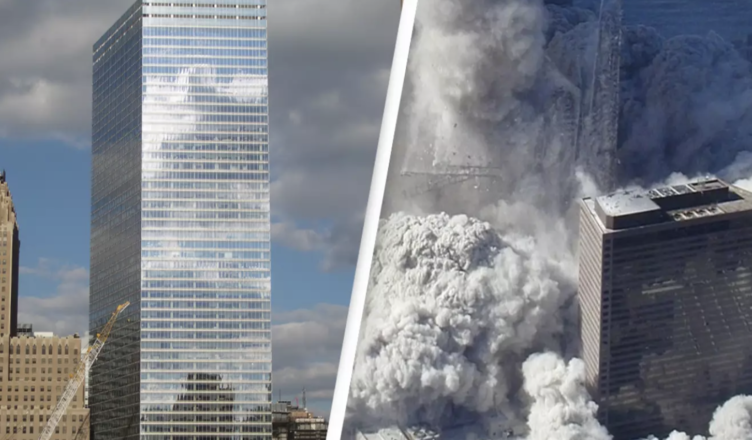
Few pictures in modern history are as memorable and terrifying as the Twin Towers collapsing on September 11, 2001, the day one of the world’s bloodiest terrorist attacks took place.
When we examine the turmoil and devastation imposed upon New York on that dreadful day, which saw over 3,000 people killed, one skyscraper is frequently cloaked in obscurity: World Trade Center 7.
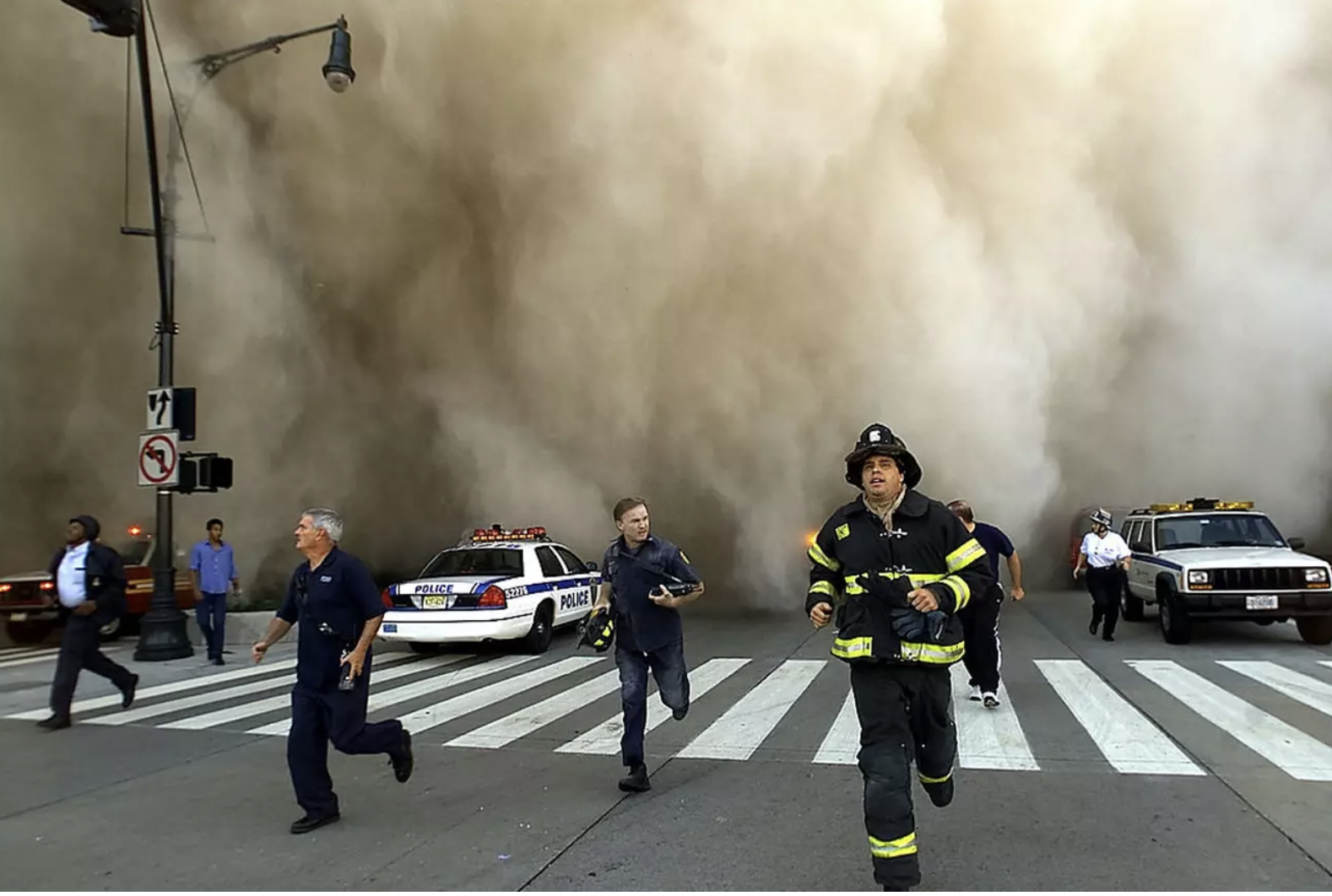
Despite not being hit by an airliner, Building 7 collapsed less than seven hours after the North and South Towers of the World Trade Center collapsed at 5.20 p.m.
A nation whose memories of 9/11 are predominately the attacks on the Twin Towers and the Pentagon has largely ignored its demise.
However, its destiny is still a mystery decades later.
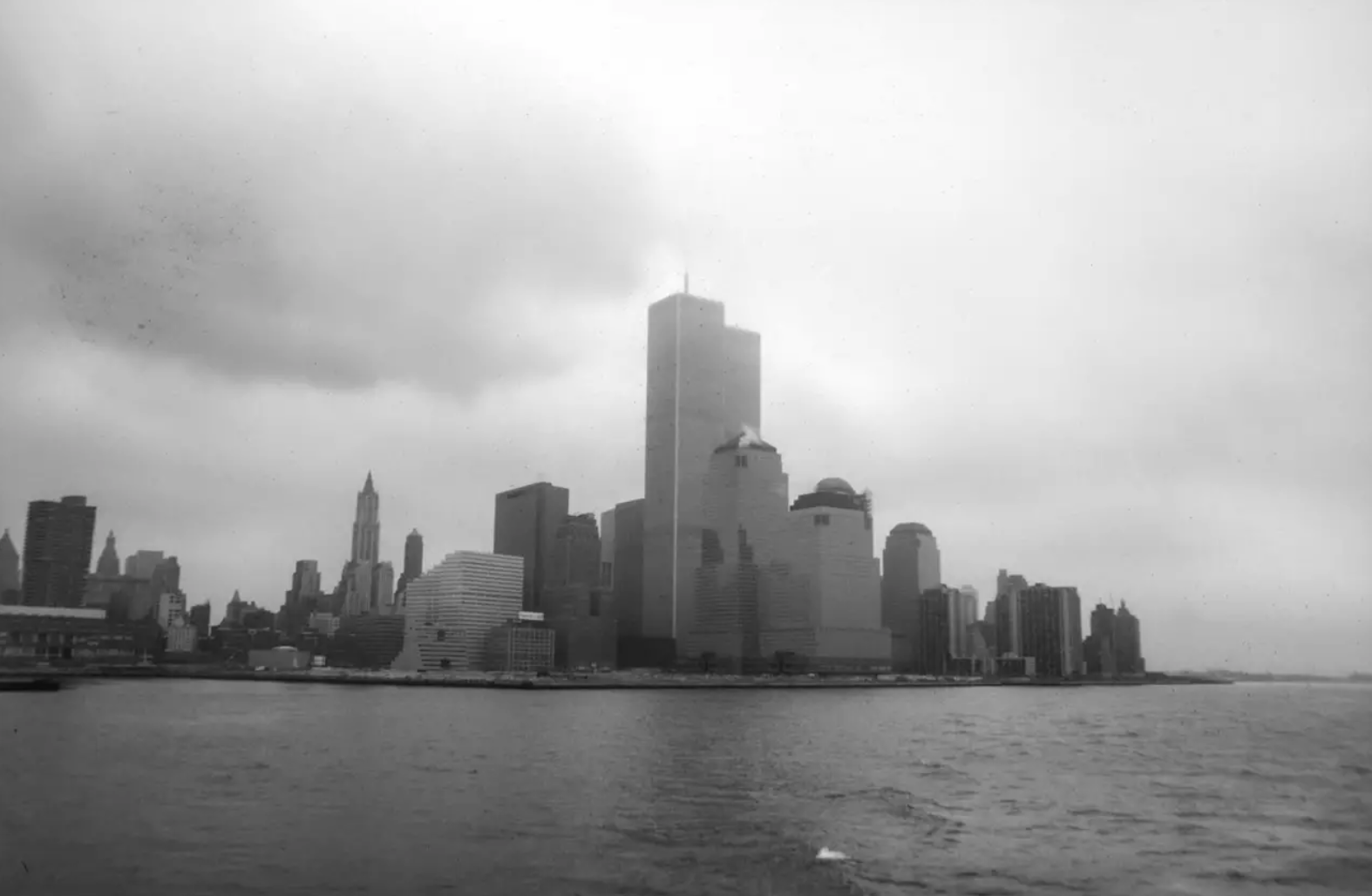
Prior to 9/11, the World Trade Center was a huge skyscraper complex in lower Manhattan’s financial center.
While the Twin Towers, which were the highest structures in the world at the time, were its most prominent features, the ensemble included a total of seven buildings.
Building 7 was a 47-story skyscraper with an elevated bridge that connected it to the World Trade Center plaza and crossed Vesey Street.
It housed Secret Service and CIA offices, among others; however, a CIA official declined to confirm the existence of the office, which was originally reported by the New York Times in 2001.
According to reports, the New York office served as a center of operations for spying on and recruiting foreign diplomats stationed at the United Nations, as well as debriefing Americans returning from overseas.
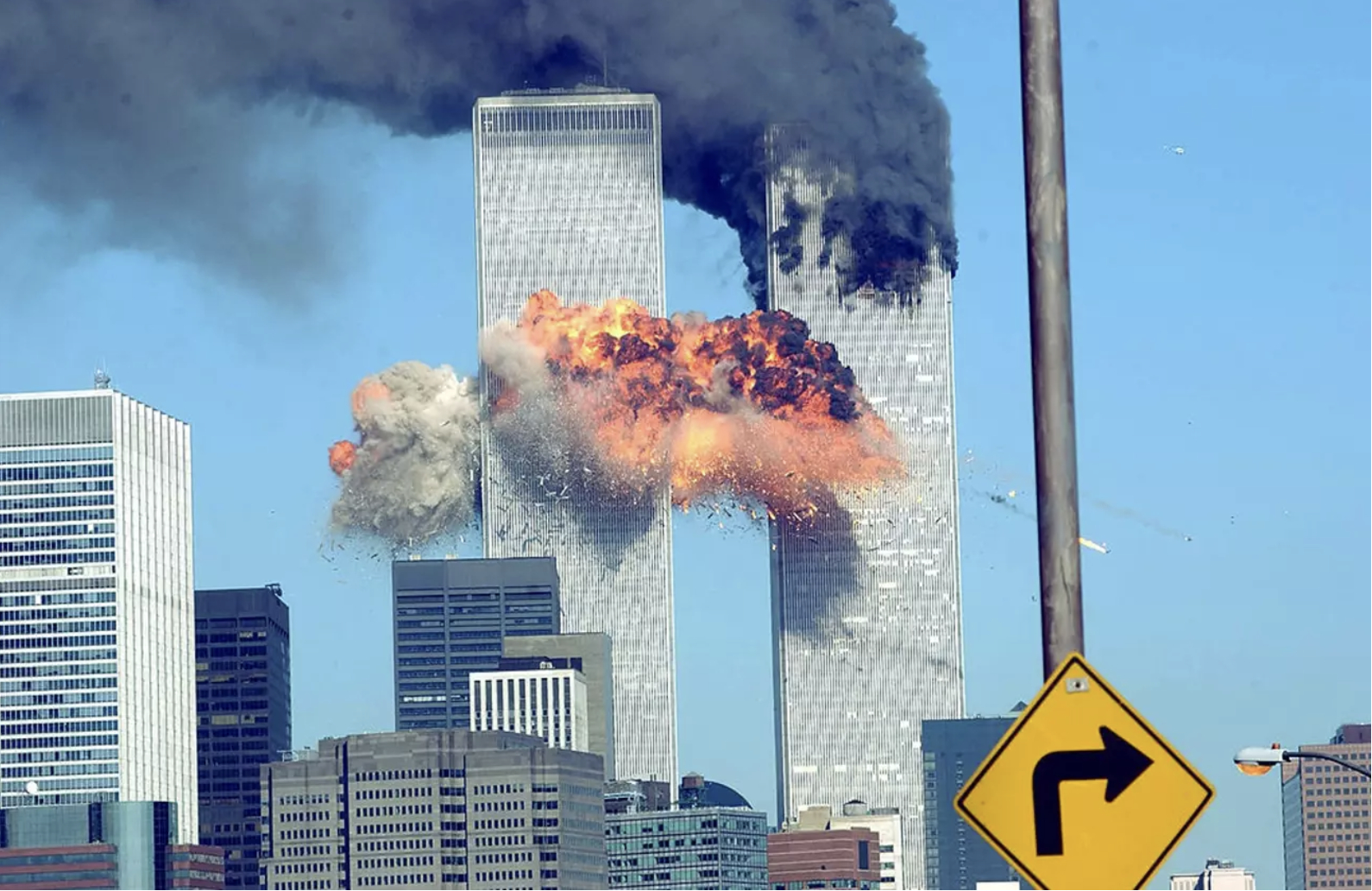
According to sources, as a result of the building’s collapse, intelligence officers lost a treasure trove of classified papers and critical intelligence reports held inside the station, either on paper or in computers.
In August 2008, the National Institute of Standards and Technology (NIST) issued a paper claiming to have solved the enigma of Building 7’s collapse.
WTC 7 succumbed to the extreme heat of uncontrollable flames caused by rubble from the adjoining North Tower, which had collapsed earlier that day, according to the study.
The heat from the uncontrolled flames caused steel floor beams and girders to thermally expand, triggering a series of events that resulted in the failure of a crucial structural column. This breakdown triggered the gradual collapse of the entire structure.
This answer, however, did not satisfy a group of engineers and architects who were looking for the truth.
The Architects and Engineers for 9/11 Truth (AE911T), a group of over 3,000 scientists, engineers, and architects, submitted a formal Request for Correction to NIST in 2020.
A rigorous four-year analysis done by a team at the University of Alaska Fairbanks (UAF) shows that the collapse of Building 7 was a ‘near-simultaneous failure of every column in the building’.
This contradicts NIST’s finding that the fire damaged the steel supports, leading the structure to fall.
Furthermore, AE911T advises that we not rule out controlled destruction as a possible reason.
As a result, the mystery behind WTC 7 remains unexplained, and the discussion around it persists.