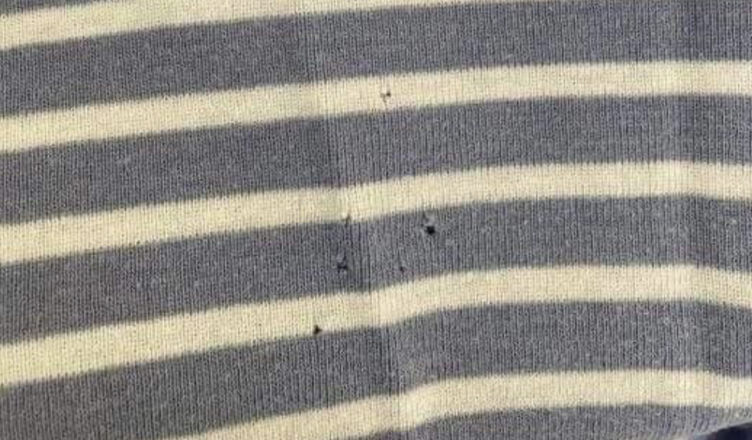
Don’t worry if a hole occurs in your favorite clothing item. You don’t have to be an excellent seamstress to help them! This procedure is ideal for small holes since it eliminates the possibility of visible stitching. With a little experience, you’ll be able to repair these irritating pinpricks in minutes.
What causes holes in clothing?
People often blame moths for those small holes, but they’re not the only culprits. Regular wear and tear, as well as snagging from everyday products and accessories, can all result in these unpleasant holes. Here are a few common causes:
Zippers
Bras Belts
Your washing machine
Chlorine bleach
Snags on rough surfaces.
Tips for Preventing Holes
The hole placement may provide clues as to what caused them. Belt buckles may rub on your shirts, causing holes in the bottom. To avoid this, consider skipping the belt, changing its position regularly, or smoothing any rough edges with sandpaper.
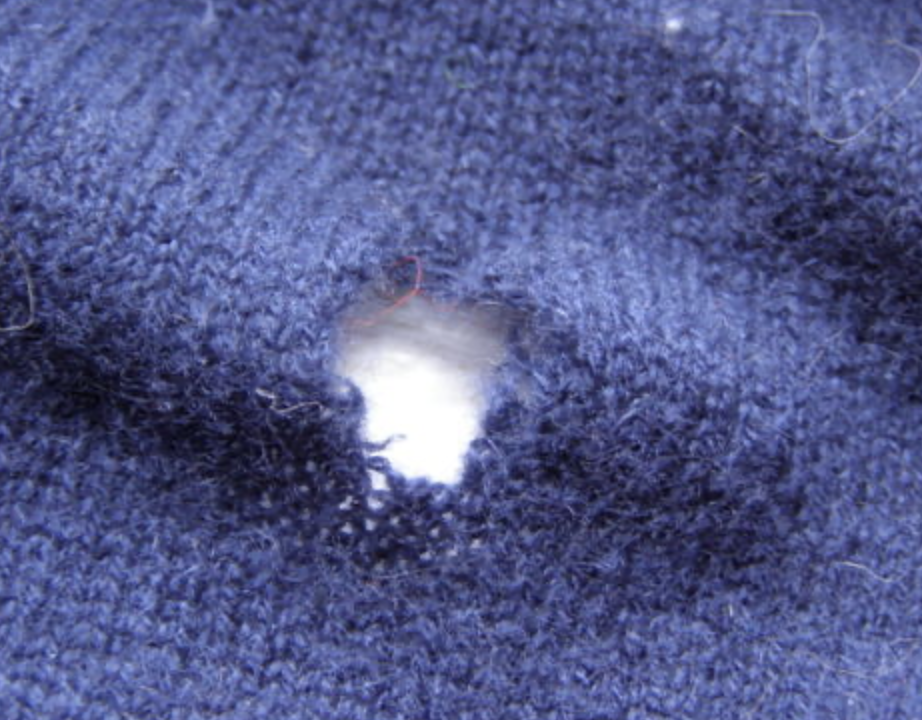
If you tuck your shirts into pants, the zipper might cause holes. Zippers can also cause harm to garments in the washing machine. To avoid this, zip up your pants, sweatshirts, and other clothing before washing them. It is also a beneficial idea to close bras before washing to prevent metal clasps from snagging on other garments. Alternatively, use a washing bag to keep bras separate, especially if they tend to unclasp easily.
When using a washing machine, avoid overloading it since it increases the likelihood of snags. Before washing, be sure that any items containing beads, buttons, or other decorations are inside out. Also, keep delicate fabrics like cotton and silk apart from tough pieces like sheets and towels. Use a low-spin cycle when washing sensitive things.
Use caution while using chlorine bleach, since too much or improperly might cause holes in garments. Consider utilizing eco-friendly alternatives such as vinegar, citric acid, or baking soda.
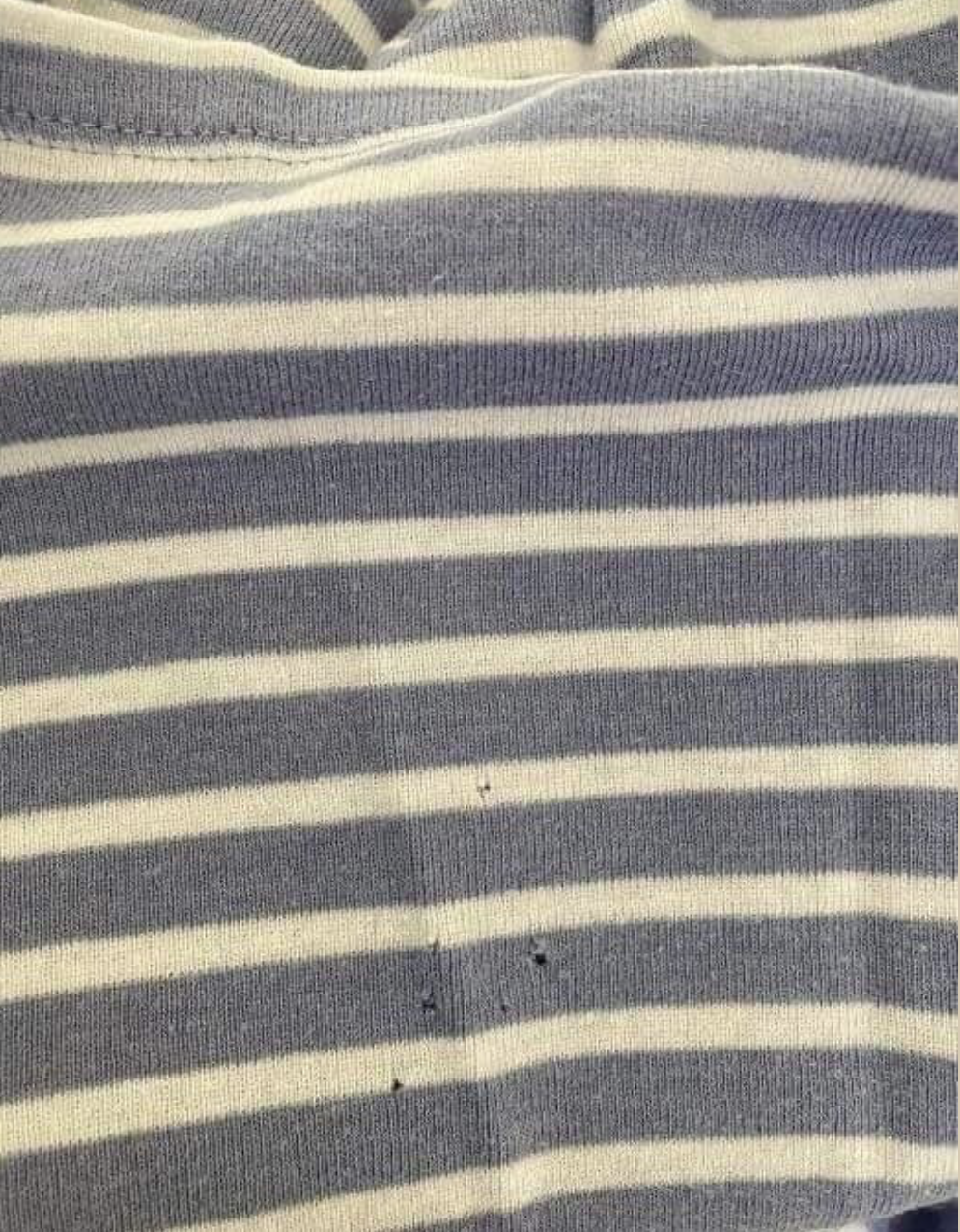
Moths are infamous for creating holes in animal products such as wool, silk, and leather. However, moths can cause harm to other fabrics. Use pheromone traps to battle male moths. To repel moths in general, use dried lavender in mesh bags or essential oils such as mint or lavender. If you’re dealing with a serious infestation, wash your items in warm water and disinfect your closet with vinegar.
Finally, be aware of rough surfaces such as brick, exposed nails, wood, and stone. Bumping or rubbing against these surfaces might result in snags and holes. Smoothing or covering these areas can help protect your garment from inadvertent tears.
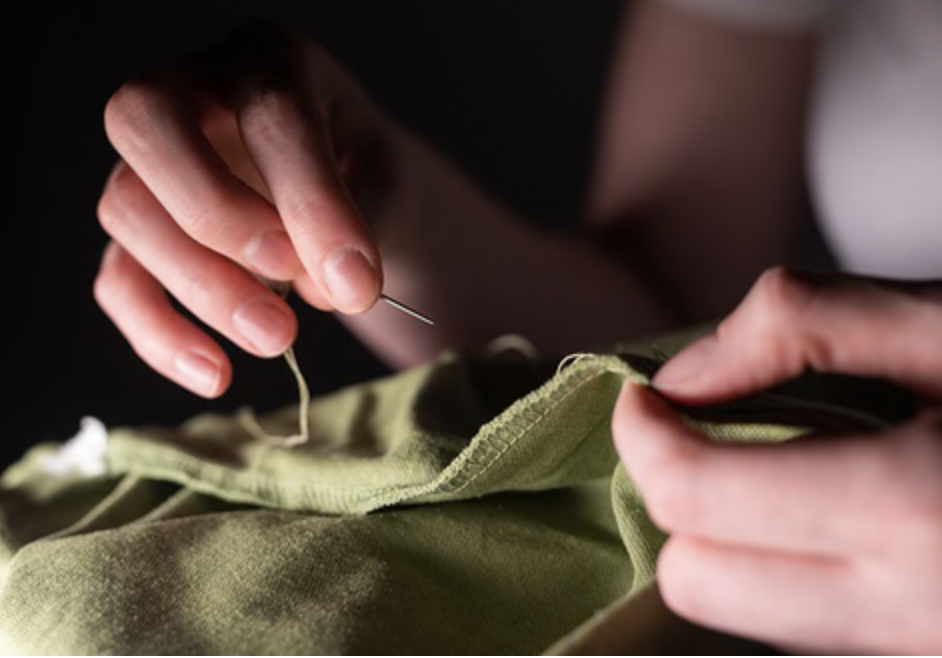
How to repair clothes without sewing
Before you begin, acquire the following items:
Clothing with holes of 5 mm or less
An iron
Flexible bonding web
A huge sheet of wax paper.
Follow these basic instructions:
Turn the damaged clothing inside out and place it on the ironing board, with the hole facing out.
Cut a small piece of fusible bonding web that is slightly larger than the hole you want to patch.
Gently squeeze both sides of the hole together, making it appear as if it has vanished. Place the fusible bonding web over the hole first, followed by the wax paper. You can find Fusible Bonding Web at Walmart, fabric and craft stores, and even on Amazon.
Set your iron to “wool” and lay it on top of the wax paper. For 10 seconds, do not move or push the iron. With caution, remove the iron.
Finally, inspect the hole by turning the clothes to the right side. If it hasn’t closed smoothly, shut the hole with your fingertips, just as in step two. Repeat steps 3 and 4 with the iron until the garment is as excellent as new. It may take a few attempts to perfect the technique, but you’ll notice that the hole is no longer visible.
You may now safely fix those bothersome clothes holes without having to sew! Watch the video below for a visual illustration of how to repair holes using this procedure.