
Ankle bracelets, often known as anklets, are more than simply decorative baubles for your feet. Their tale spans thousands of years and reflects history, belief, and self-expression from various civilizations. To properly appreciate an anklet, consider it more than simply jewelry; it is a reflection of history, belief, and self-expression. Let’s explore ankle bands and the stories they convey.
Wealth and Spirituality
In ancient Egypt’s dusty grandeur, anklets were more than simply for show. They were power declarations, a public expression of social position. The wealthy wore gold anklets embellished with charms and sophisticated craftsmanship, while the less fortunate wore simpler ones made of beads or shells. However, prestige was not their primary purpose. The Egyptians thought that these little trinkets possessed a protecting force. Worn with amulets, they were considered to provide good luck and protect against bad energies. A woman’s anklet, particularly when embroidered with symbols, served as both armor and decoration.
Meanwhile, in India, the anklet holds spiritual and cultural significance. Payal is an integral part of marital traditions. Silver payals, which are typically worn by married women and are chosen over gold for religious symbolism, emit soothing chimes that reverberate around temples and houses. This sound, it is claimed, draws positive energy, brings harmony into the home, and announces the arrival of grace.
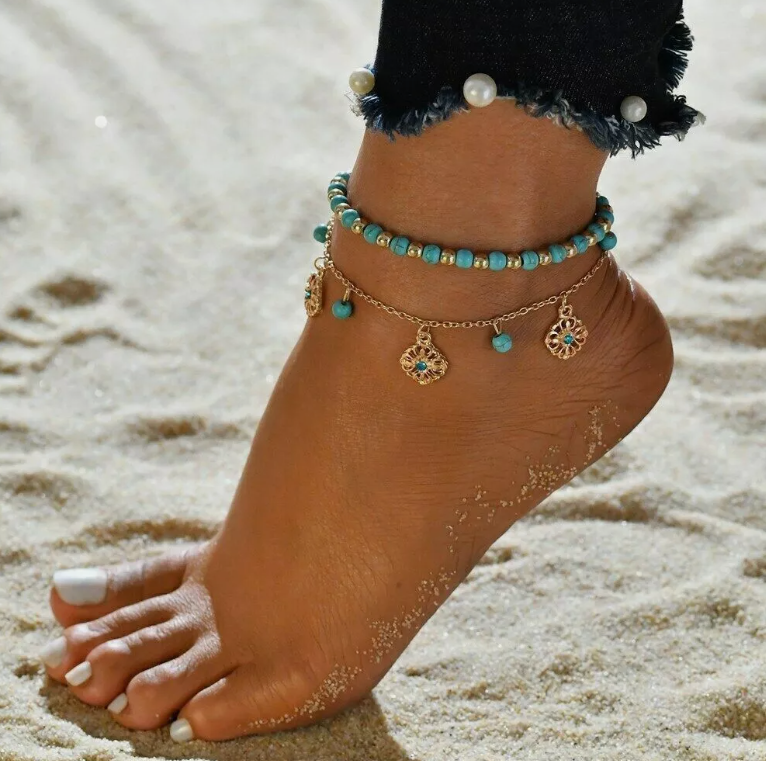
Fertility, femininity, and protection
Anklets are colorful threads in Africa’s complex fabric of cultural identity. Indigenous tribes often use beaded anklets and symbolic metal cuffs to symbolize fertility, femininity, and significant life events. Some civilizations utilize color-coded beads to express signals, such as red for marriage preparation, green for fertility, and blue for spiritual purity. Anklets do more than only look good; they also represent different stages of life and trips.
In the Middle East, anklets gleam with several meanings. These jingling adornments, which were once popular among belly dancers, were thought to fend off evil spirits as well as provide musical accompaniment. The beat of the bells enhanced the mystique of the dance while spiritually protecting the performer. The introduction of the evil eye, a symbol used in many cultures to avert envy and misfortune, offered an extra layer of protection. The anklet serves two functions in this case: performance and protection.
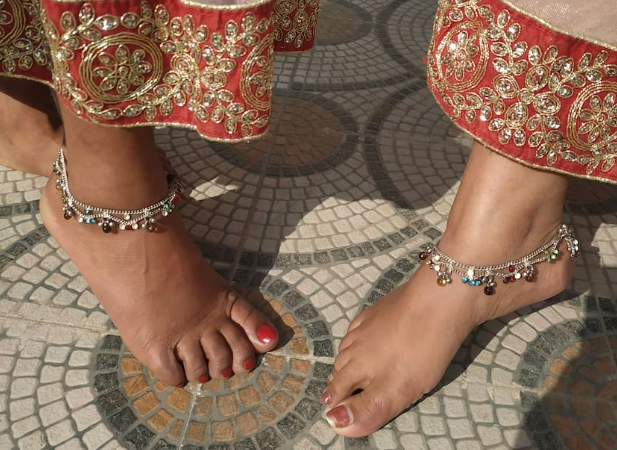
Elegance, defiance, and sensuality
Fast forward to Europe, where anklets have had varying reputations. During the Victorian era, people saw anklets as enticing mysteries, concealed behind long skirts and held for personal appreciation. Anklets were considered feminine, delicate, and secretive. They progressed from emblems of covert seduction to blatant fashion statements.
In modern Europe, anklets are all about self-expression. Whether it’s a simple gold chain or a funky beaded string with charms, they now convey flair, confidence, and, on occasion, a rebellious spirit. Consider them wearable murmurs that say, “I know who I am—and I want the world to know too.”
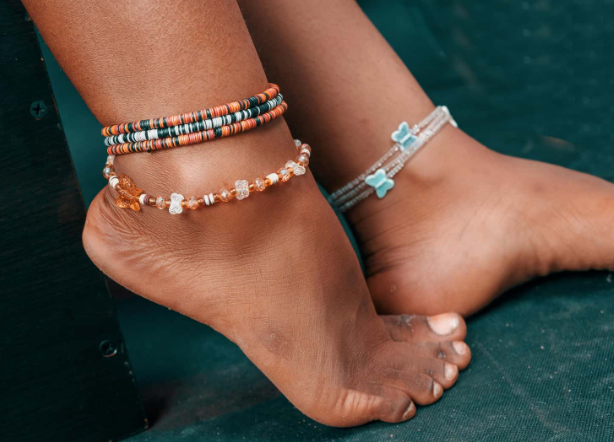
Energy, Spirituality, and family
In many Asian traditions, anklets have spiritual meaning beyond simple ornamentation. Traditional Chinese medicine regards the ankle as an important energy point that connects the body to the ground. An anklet strengthens this link, which is said to improve balance and channel grounding energy.
Thailand lends a touch of lovely purity to the anklet story. Children frequently wear little silver anklets decorated with bells. These are both spiritually and practically protective; the jingling not only wards off malicious spirits, but it also allows parents to keep track of their children’s movements.
Anklets serve as a link between the physical and the spiritual across Asia. Whether used for meditation, rituals, or family traditions, they represent harmony, lineage, and well-being.

From Spiritual to Style
The anklet is having a moment in the fashion world right now. It has become a popular piece of jewelry for people looking to show originality, sensuality, or a laid-back mood. But don’t be deceived by their casual demeanor; current anklets nevertheless evoke memories of the past.
For some, the location of the anklet conveys subtle messages. An anklet worn on the left foot may represent spiritual protection or resistance to negativity, but one worn on the right may signify power, ambition, and originality.
Whether you choose to wear it for its sleek metallic sheen or its spiritual overtones, an anklet today becomes a personal emblem that resonates with your own rhythm.