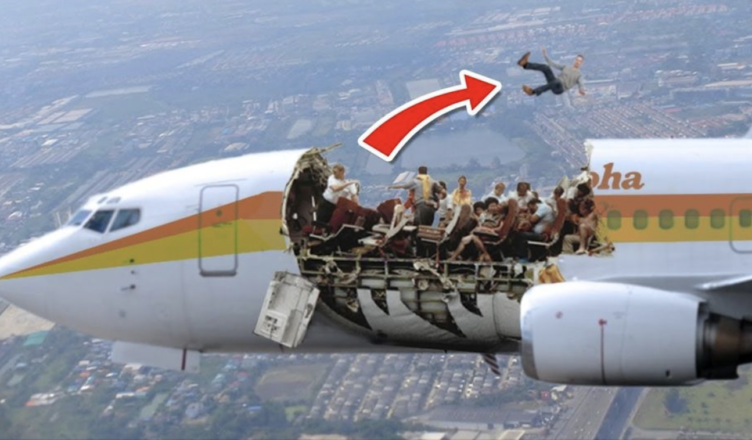
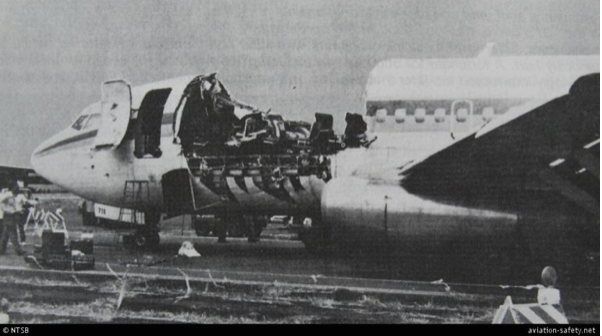
In a series of harrowing aviation incidents, the resilience of both passengers and flight crews during emergency situations has been highlighted. One such incident occurred on April 28th, 1988, when Aloha Airlines Flight 243 experienced explosive decompression, with the roof covering the first-class cabin being ripped away. The skilled pilots successfully landed the damaged aircraft in Maui, but one flight attendant lost her life. Investigations revealed maintenance complacency and lax inspection standards as contributing factors.
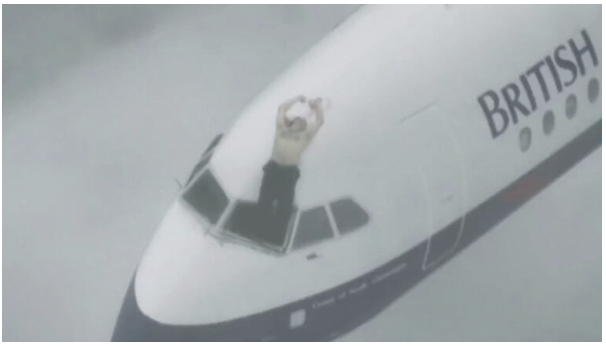
Another notable incident took place on June 10th, 1990, when British Airways Flight 5390 faced a mid-air crisis. Cockpit windscreen panels blew out at 17,000 feet, causing rapid decompression. Captain Timothy Lancaster was partially ejected, held only by his feet caught on the control column. Co-pilot Alastair Atchison and crew members managed to save Lancaster and land the plane safely.
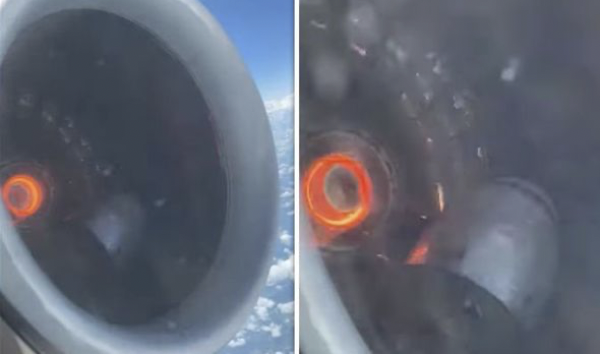
Delta Airlines Flight 1425 encountered a terrifying situation on June 8th, 2019, when the nose cone of the McDonnell Douglas MD-88 detached mid-flight. The aircraft made an emergency landing in Raleigh, North Carolina, and all passengers and crew survived without injuries.
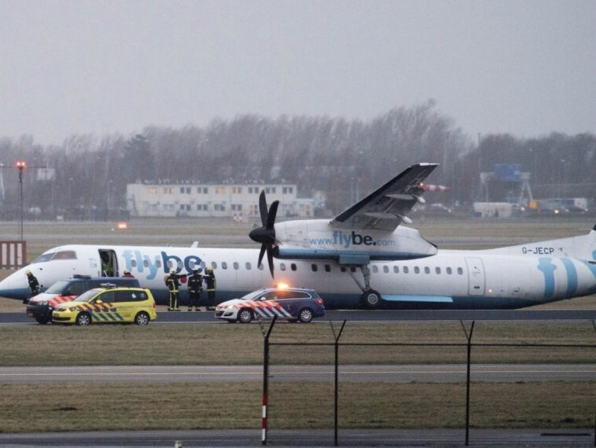
On February 23rd, 2017, Flybe Flight 1284 experienced a rough landing at Schiphol Airport in Amsterdam, with the right-side landing gear collapsing. Despite dramatic footage, no injuries were reported among the passengers or crew.
In April 2021, a World War II-era TBM Avenger made a splash landing in the water during the Cocoa Beach Air Show due to a mechanical malfunction. The pilot survived, and no one on the ground was injured, but the aircraft sustained significant damage.
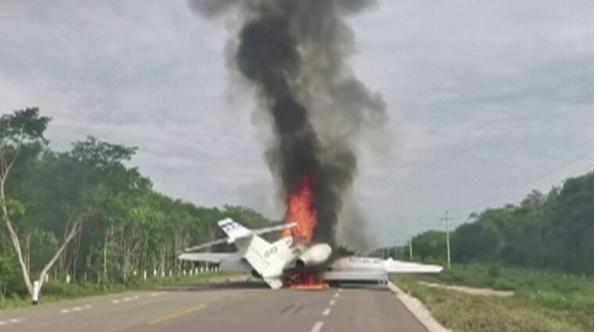
In a bizarre incident in July 2020, a private plane suspected of carrying narcotics made an emergency landing on a highway in Polyuc, Mexico. The occupants set the plane on fire before fleeing in a truck, and a significant quantity of narcotics was discovered near the abandoned truck.
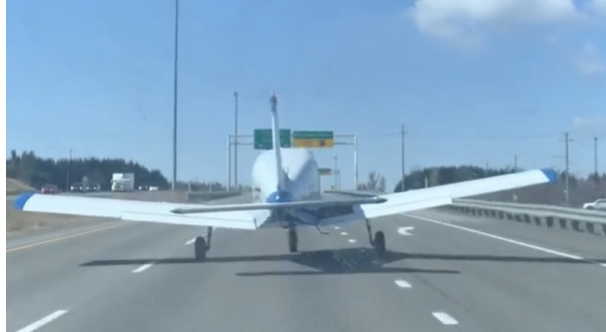
In April 2020, a small aircraft made an unexpected landing on Highway 40 in Quebec, Canada, due to engine trouble. Miraculously, no injuries were reported, and emergency services successfully managed the situation.
These incidents underscore the importance of maintenance standards, crew training, and quick decision-making in ensuring the safety of air travel. The aviation industry remains committed to learning from these events to enhance passenger safety.