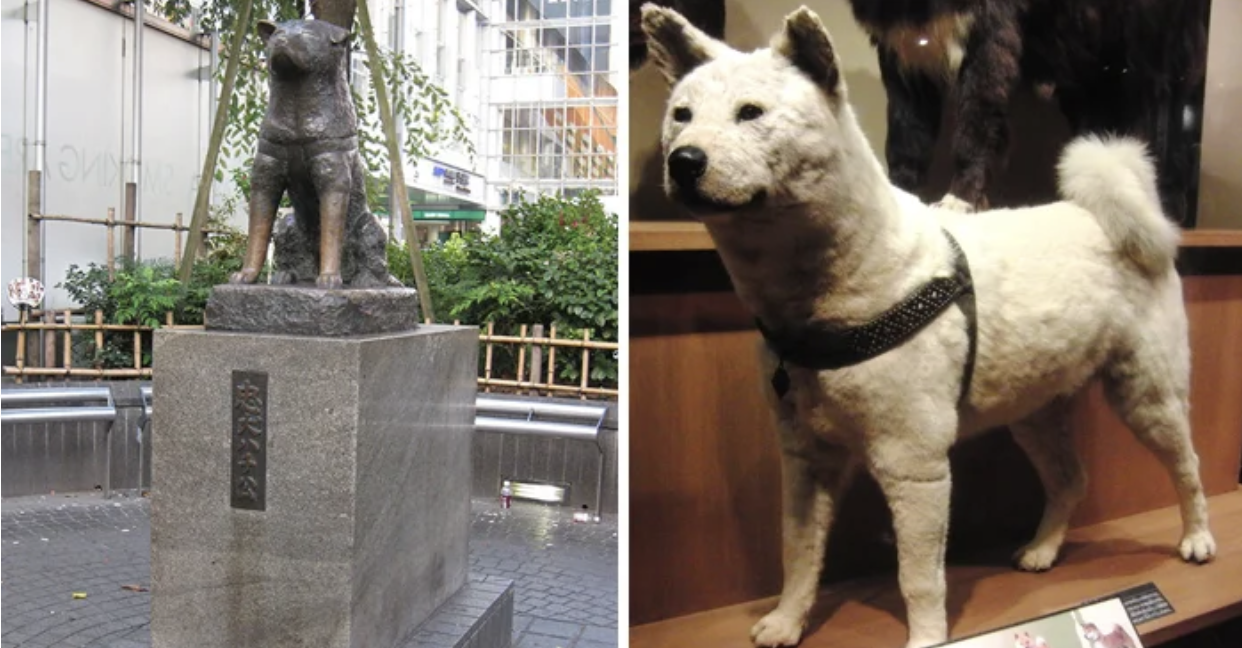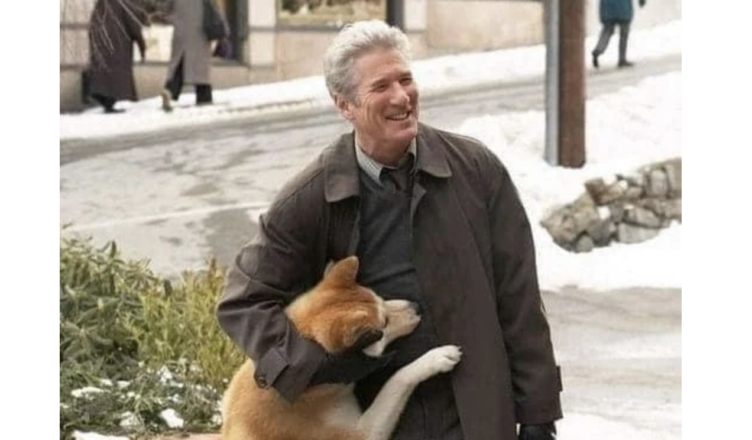
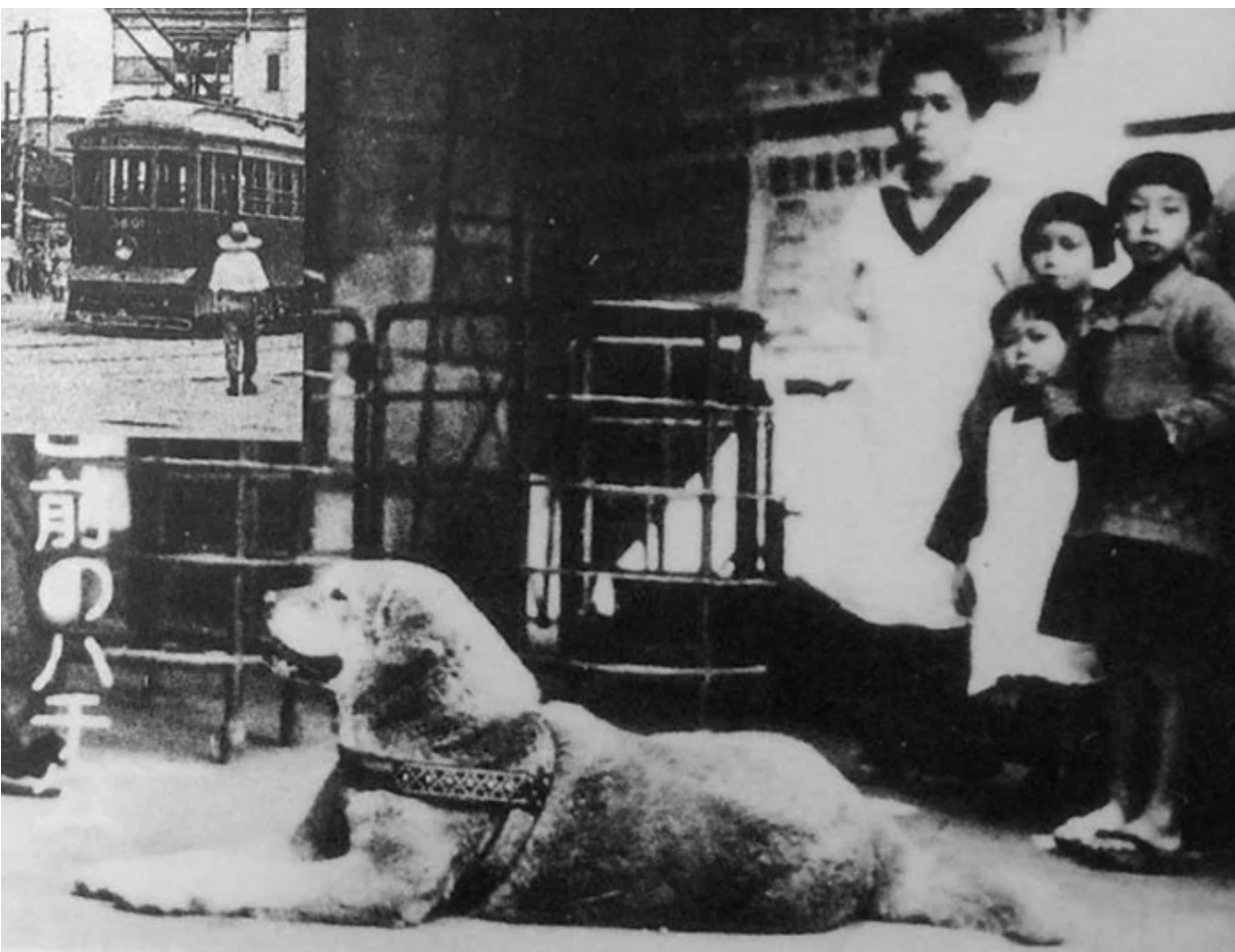
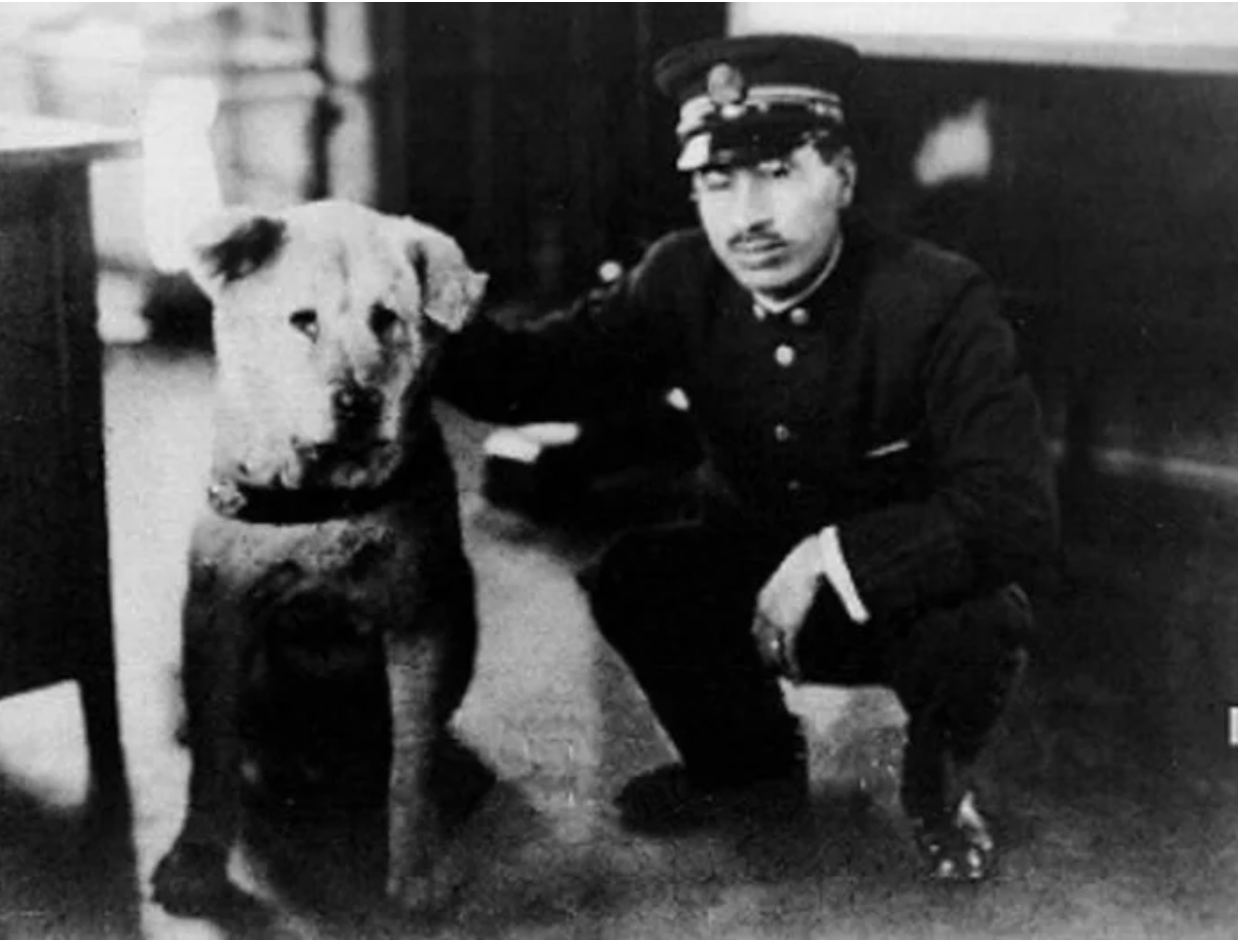
Hachikō, an Akita dog, gained worldwide fame for his unwavering loyalty and love. Born in 1923, he was adopted by Professor Hidesaburō Ueno, residing in Tokyo. Hachikō became known for waiting at the train station daily for his owner, even after the professor’s passing in 1925.
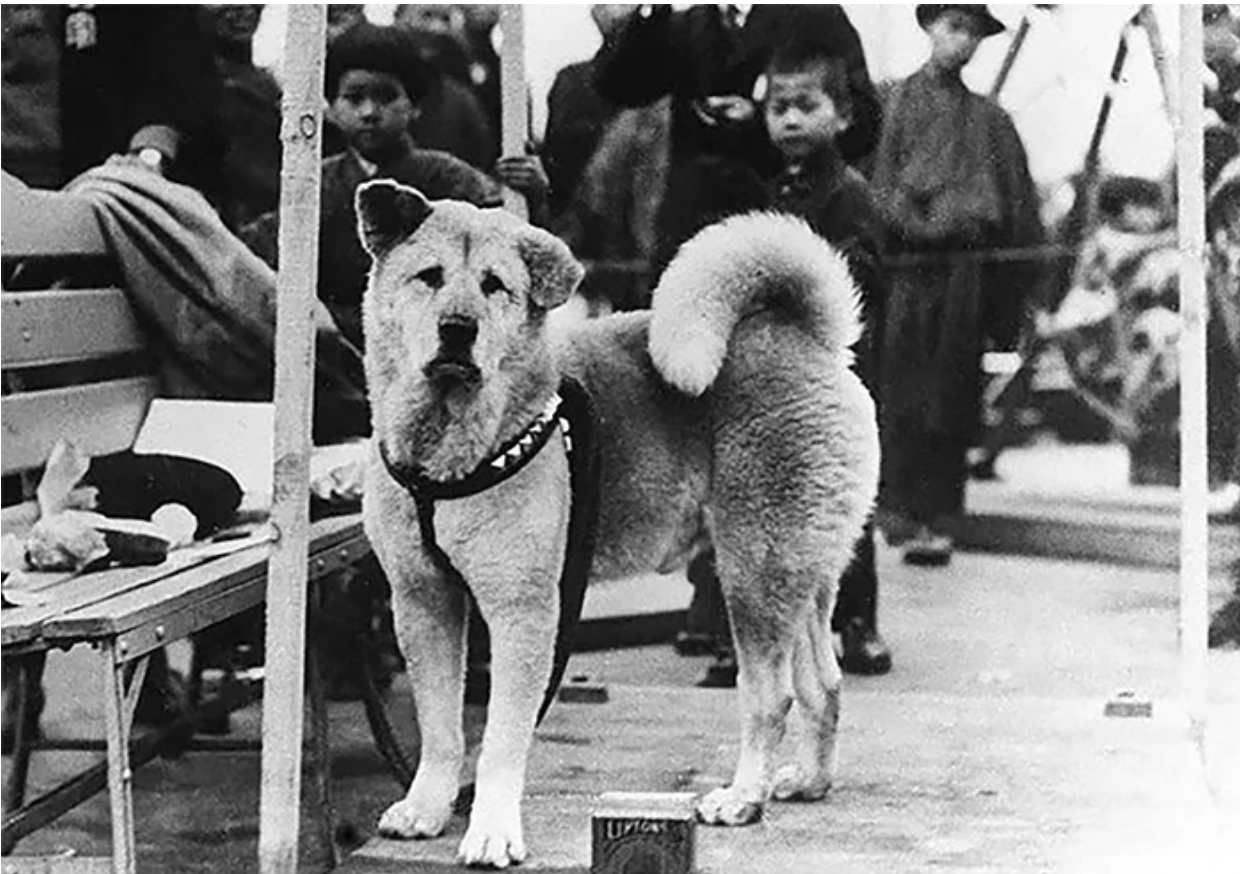
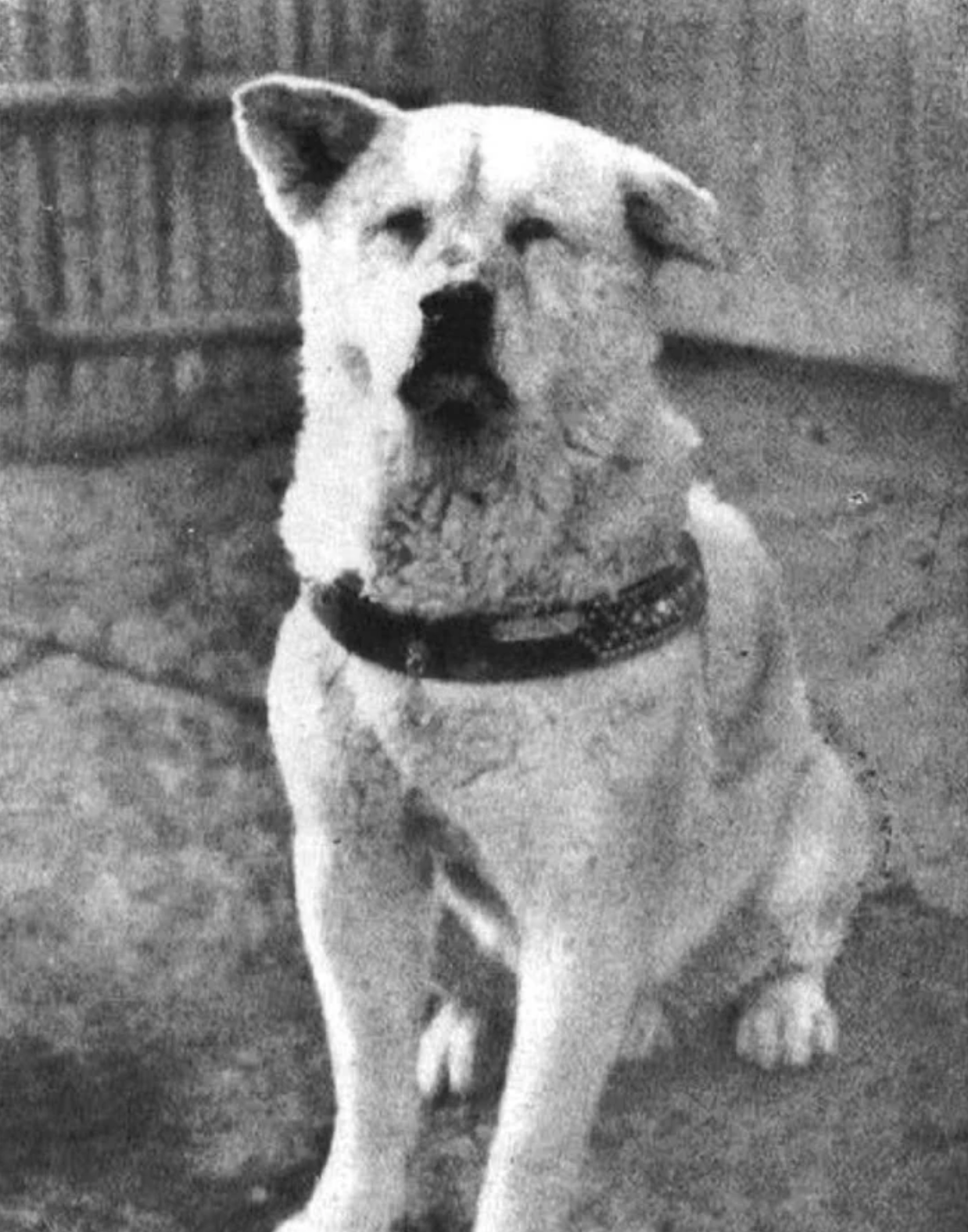
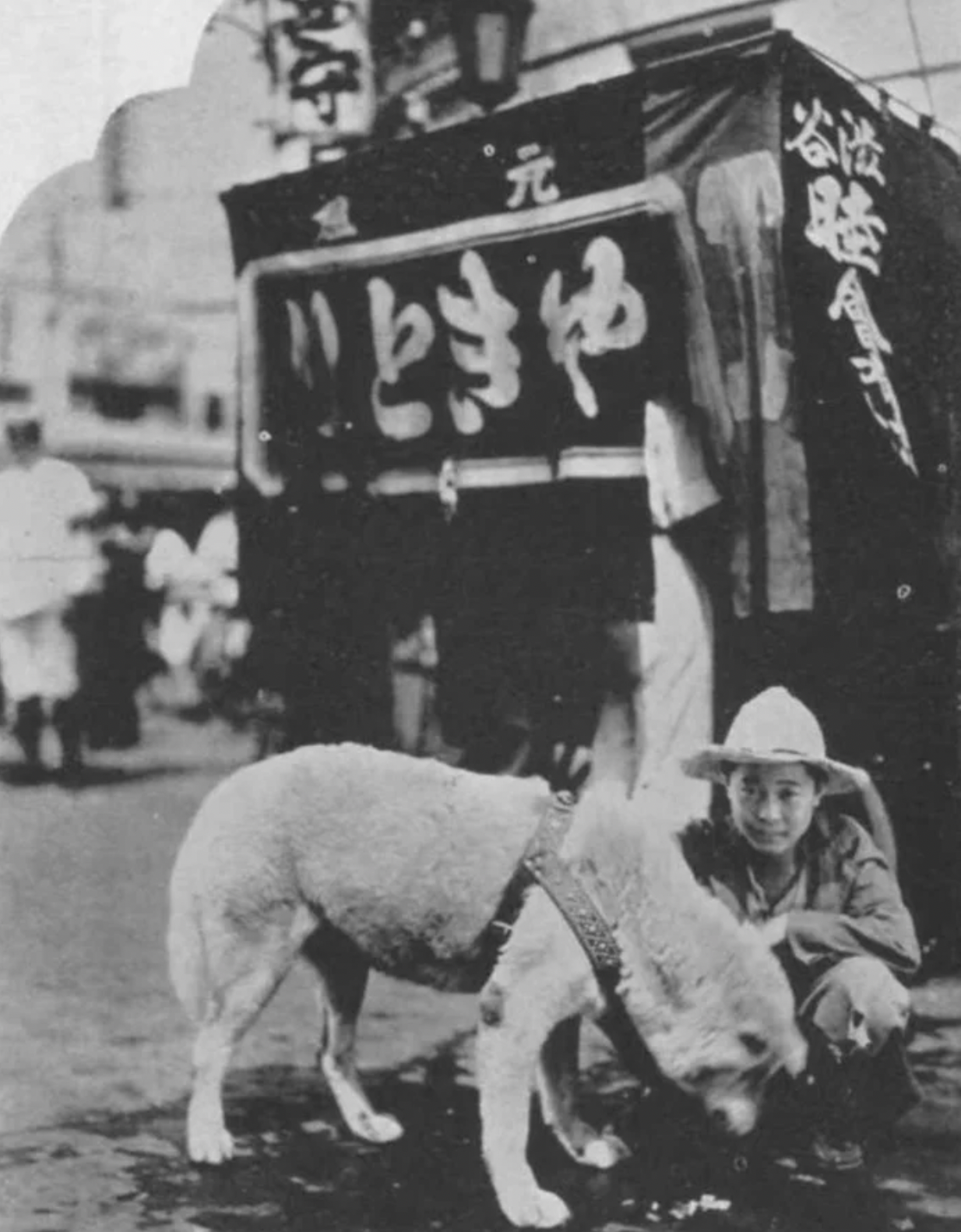
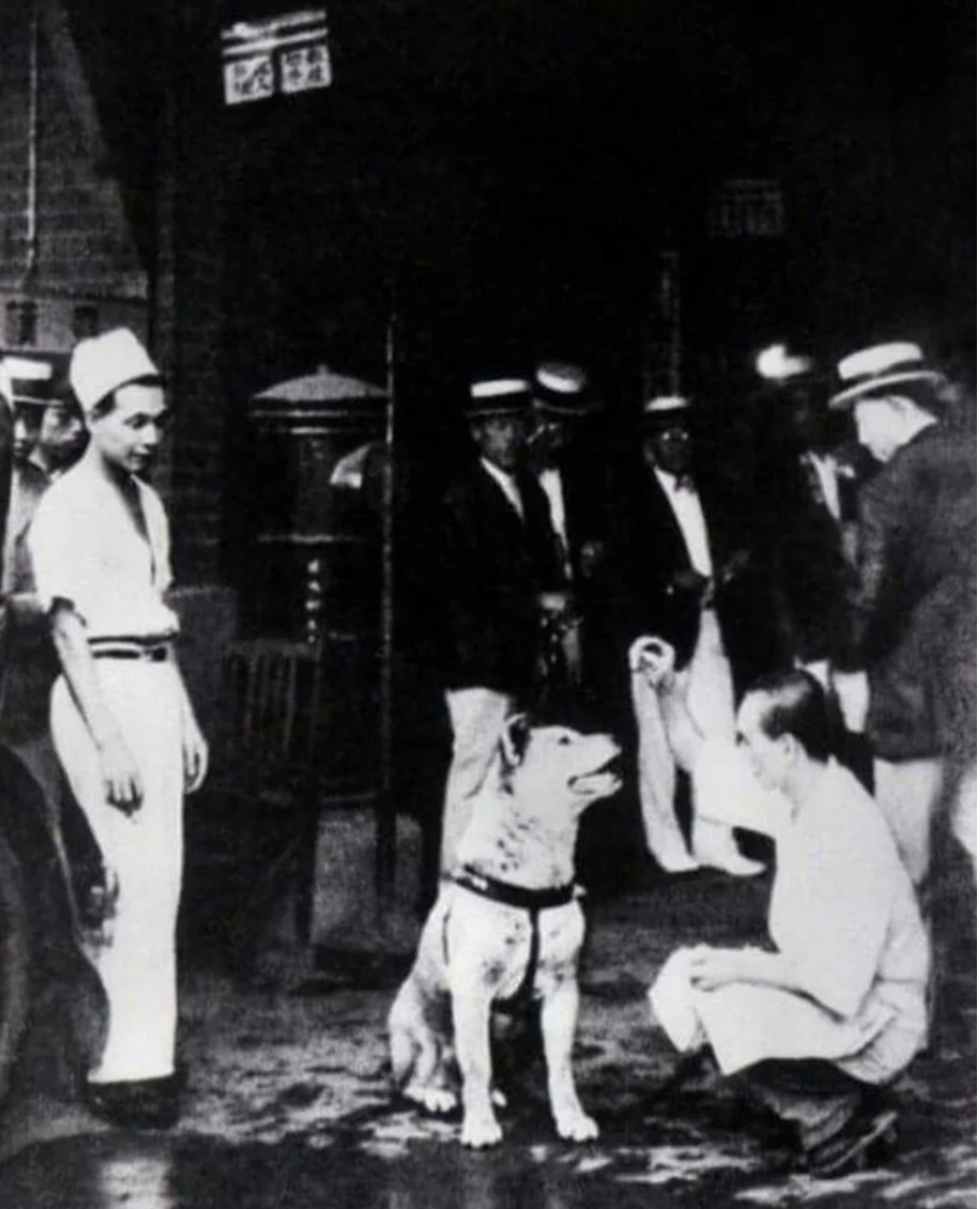
For the next nine years, nine months, and fifteen days, Hachikō faithfully awaited his owner at the train station, arriving at the same time as Professor Ueno’s expected train. The loyal dog’s story captured the hearts of people, especially after a 1932 article by one of Ueno’s former students shed light on Hachikō’s devotion.
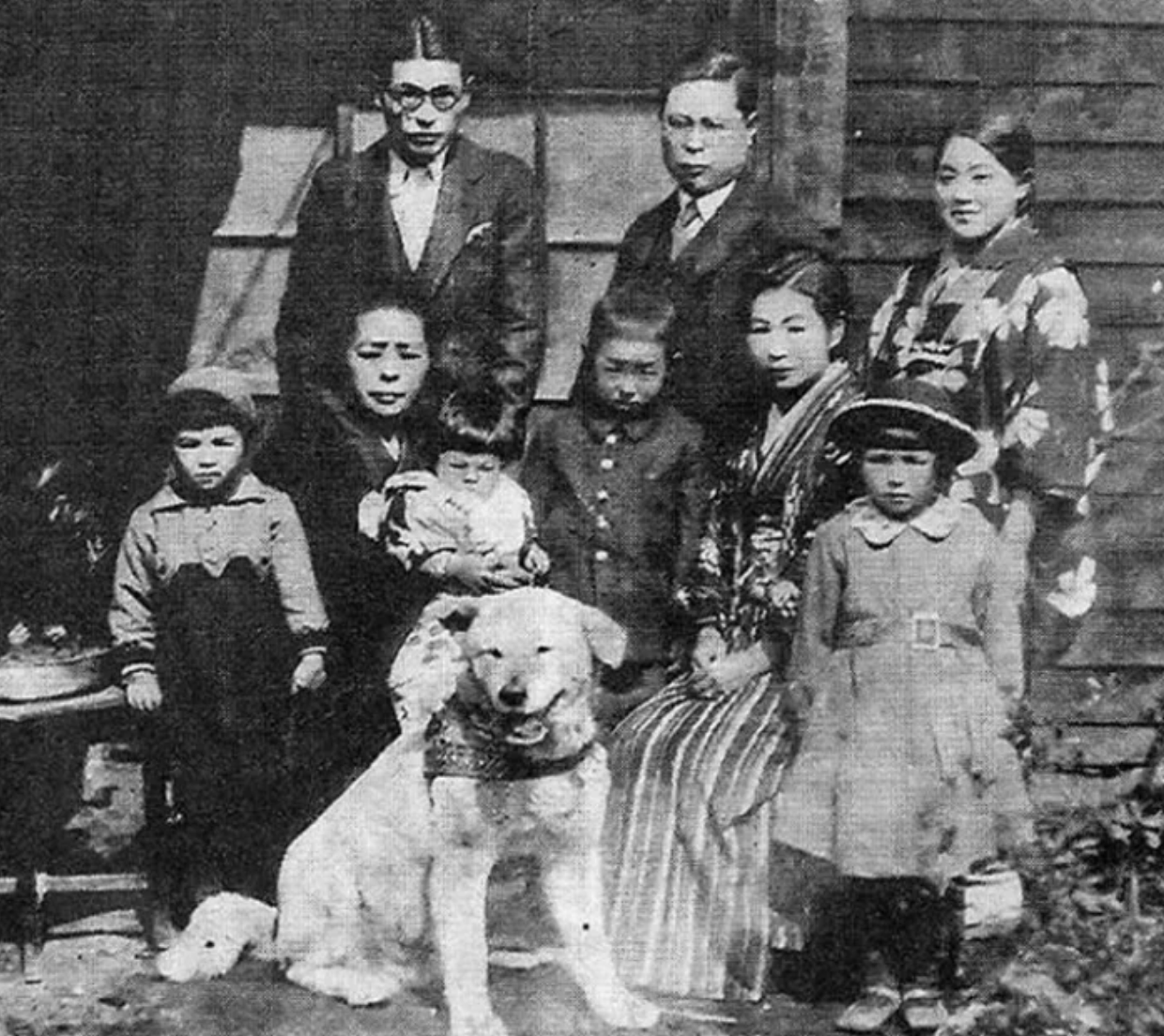
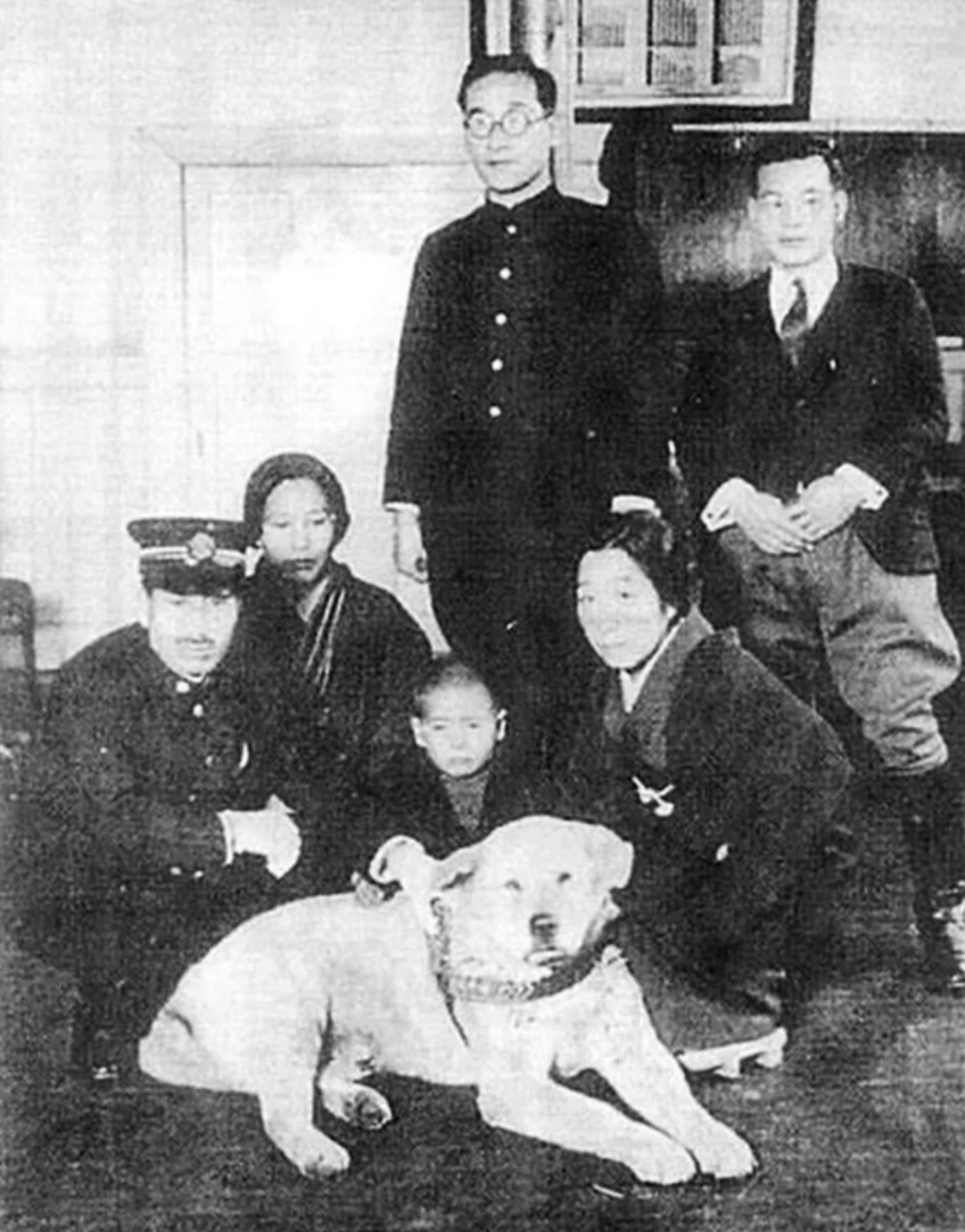
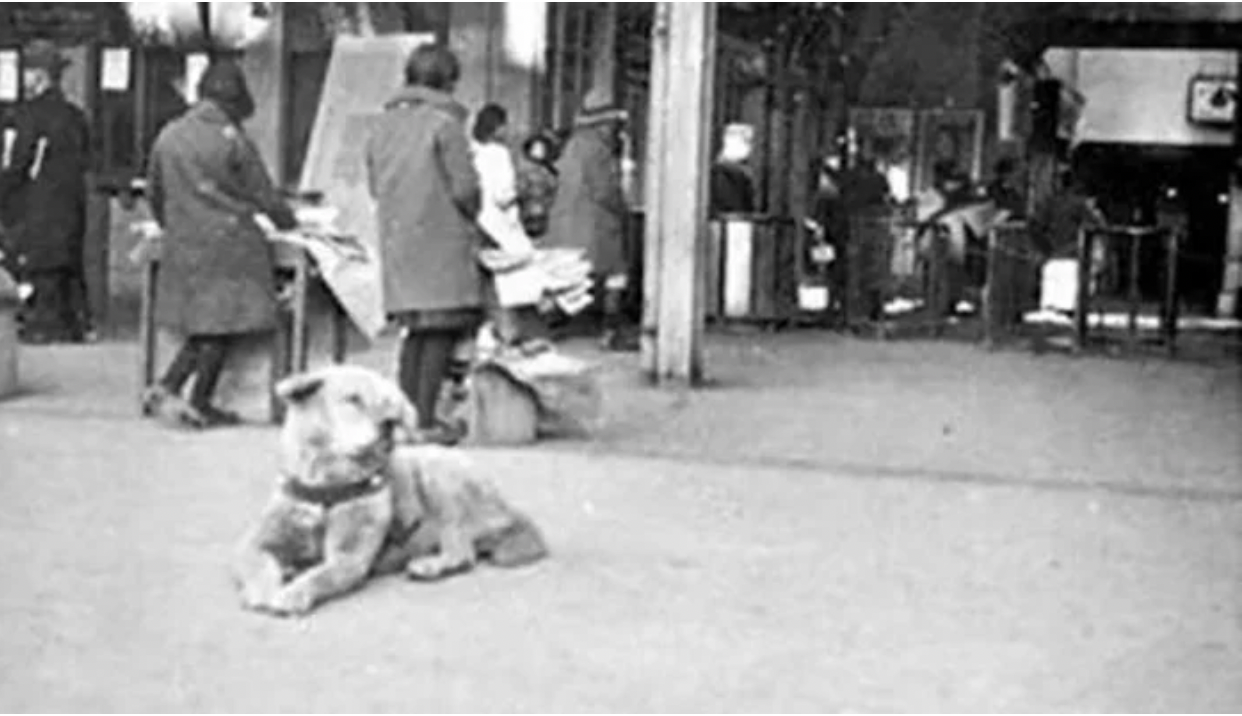
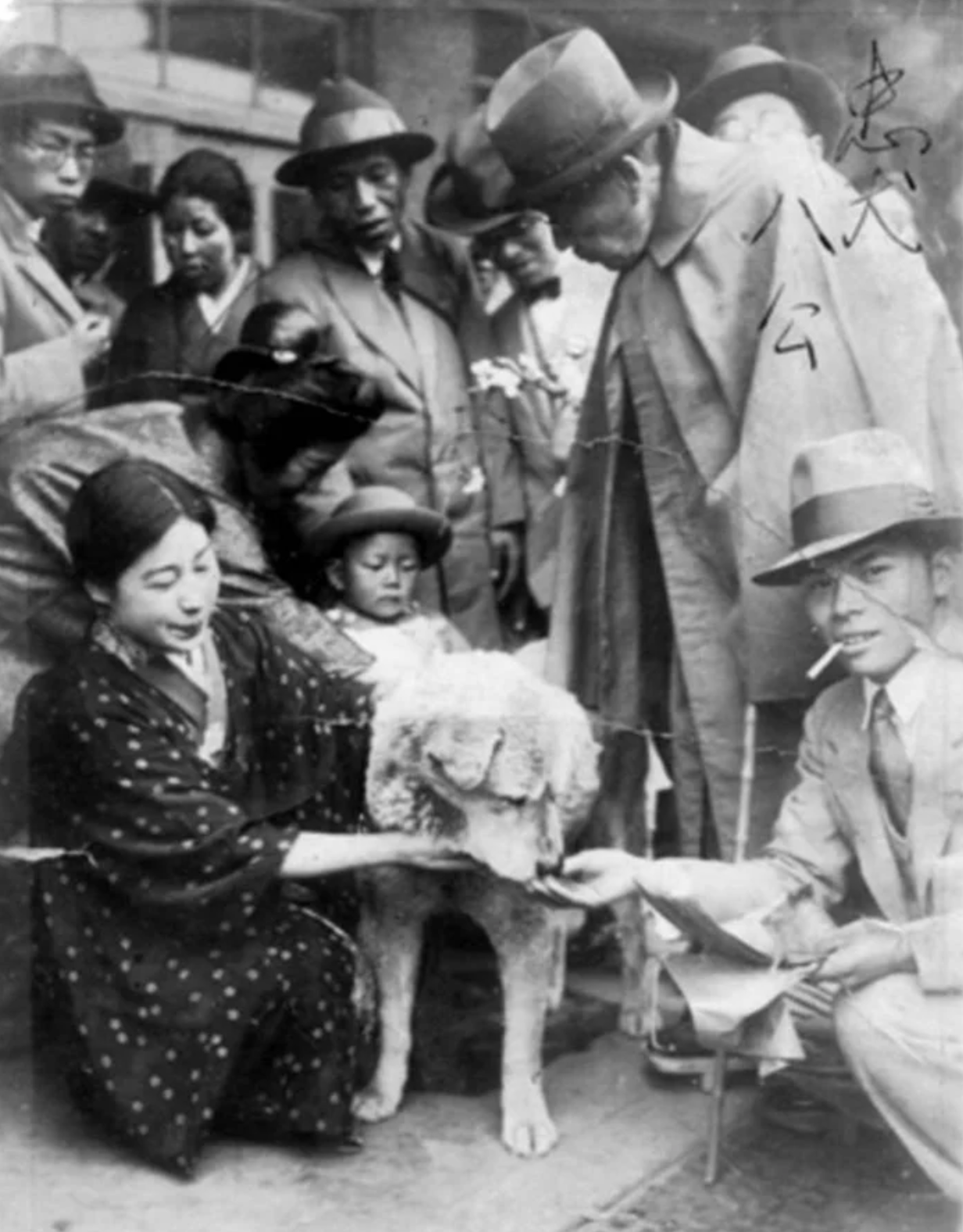
Despite initial indifference from some, Hachikō gained nationwide attention, and people began bringing him food and treats. The story of Hachikō became an enduring example of loyalty in Japanese culture, with teachers and parents using it to impart lessons on family loyalty to children.
In 1934, a bronze statue of Hachikō was sculpted by artist Teru Ando, immortalizing the loyal Akita. Unfortunately, the statue was repurposed during World War II, but a new one was erected in 1948, standing at the entrance of Shibuya Station, named “Hachikō-guchi.”
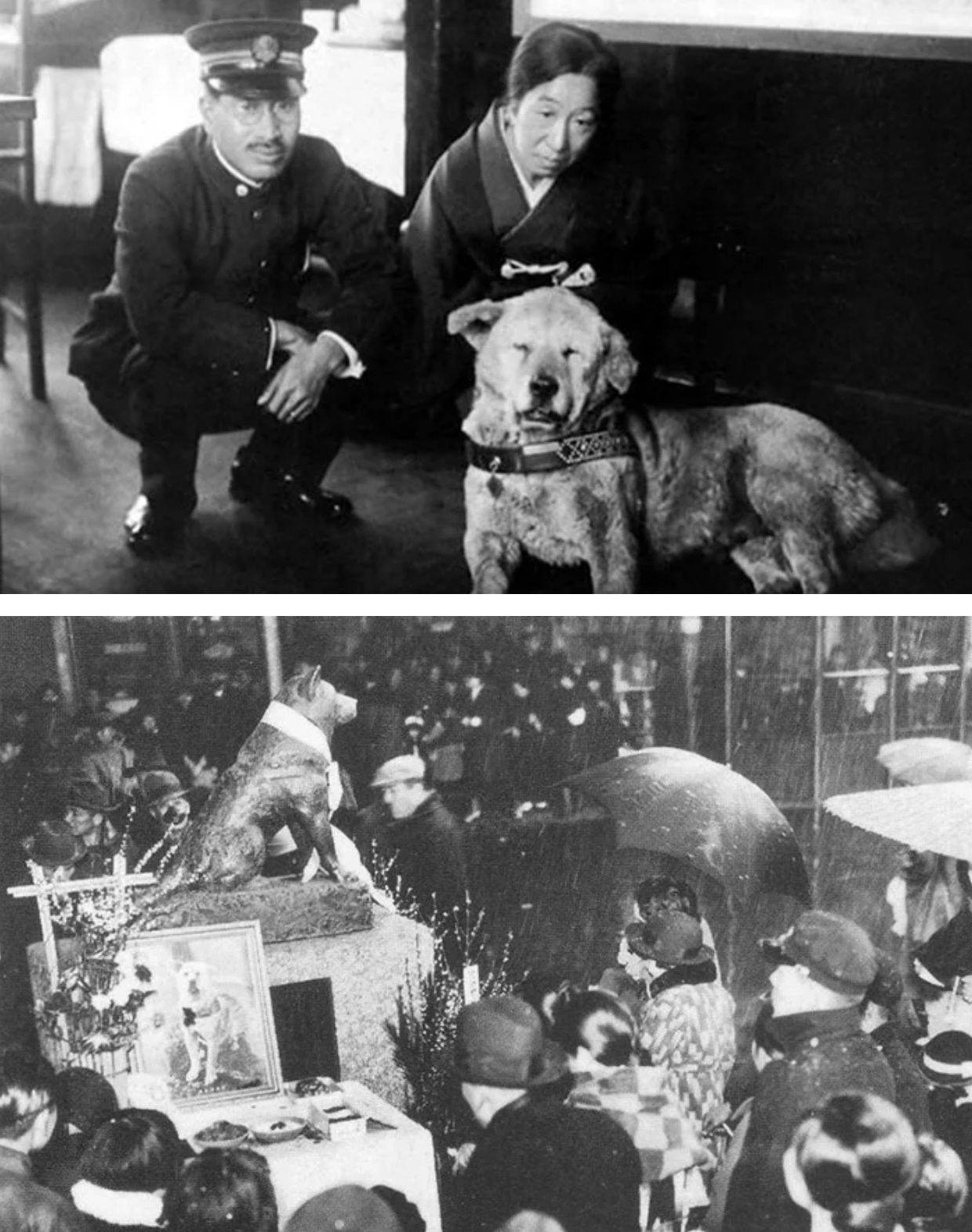
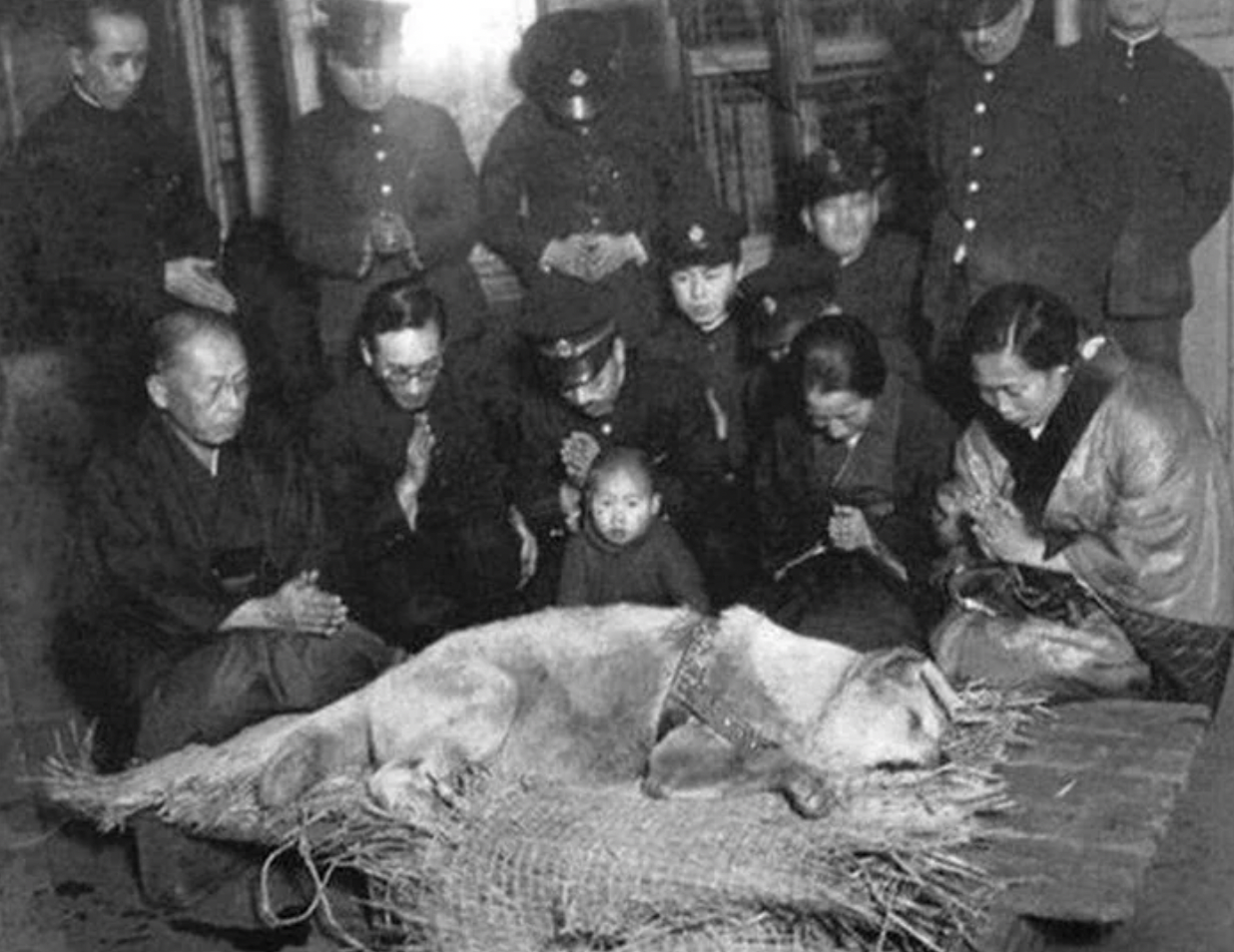
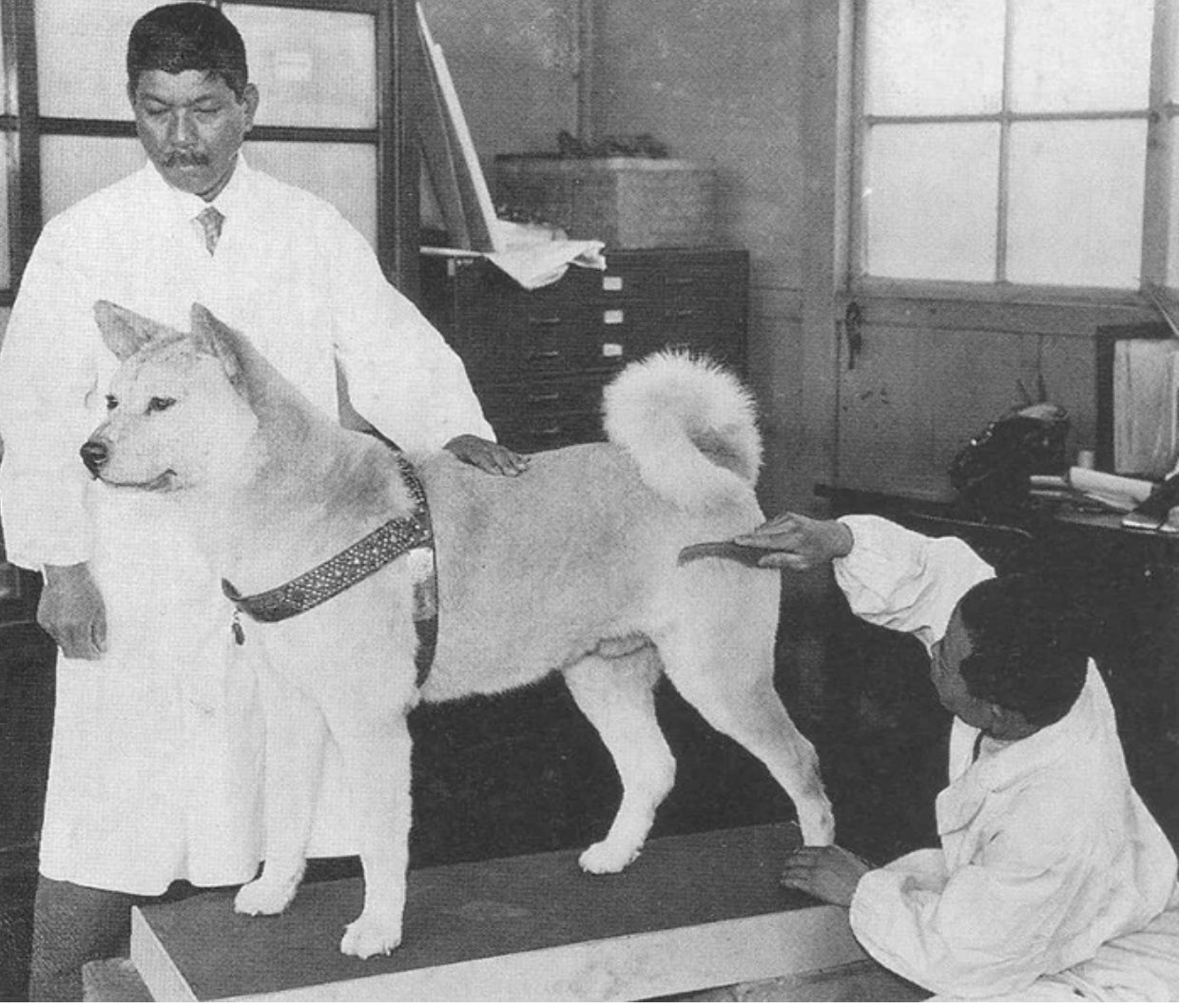
Tragically, Hachikō passed away on March 8, 1935, at the age of 11. In 2011, researchers determined that terminal cancer and a filaria infection caused his death. Following his demise, Hachikō’s remains were cremated and buried in Aoyama Cemetery, next to Professor Ueno’s grave. Additionally, a display featuring Hachikō’s preserved fur can be seen at the National Science Museum of Japan in Ueno, Tokyo.