Do you need to prune your roses but want to see them in excellent shape afterward? If so, then this article is for you! I want to go over the four most common mistakes gardeners make that cause roses to wither. Fixing these mistakes is quite simple. It’s worth it because beautiful roses will “please the eye” for a long time. **
Many gardeners who don’t know how to properly prune roses complain about the damage the procedure causes. Nevertheless, quality pruning will only bring benefits. So, let’s look into the most common mistakes that can lead to the loss of a rose bush.
-Pity for the Flowers
In the fall, pruning roses serves two purposes:
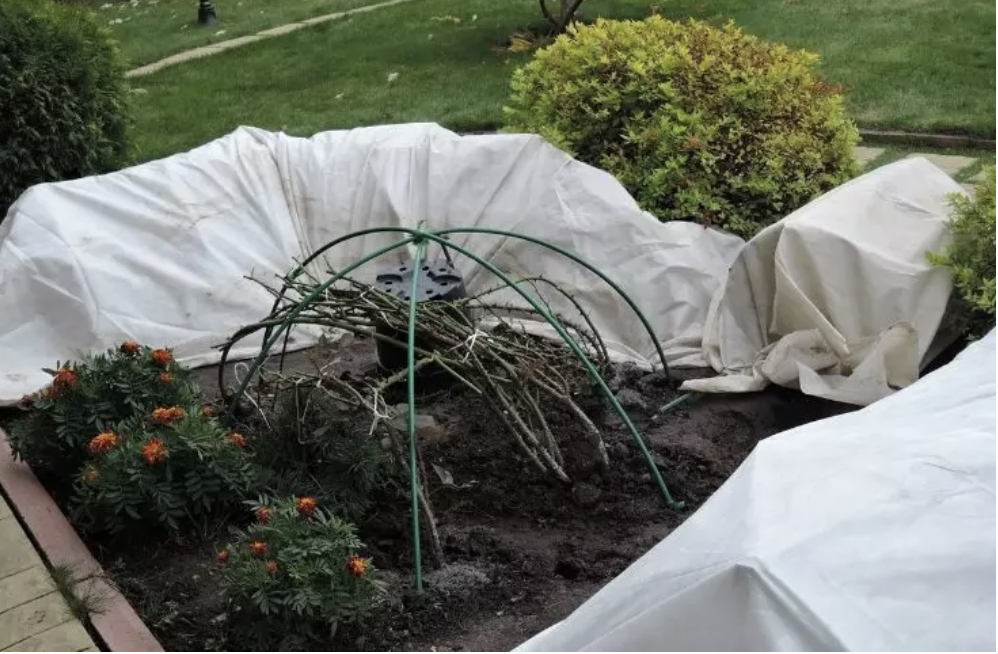
1. Shortening the bush. I do this to make it easier to cover the bush. I cover each rose bush in my garden because I love them. My wife even sewed special bags made of spun-bond for the bushes.
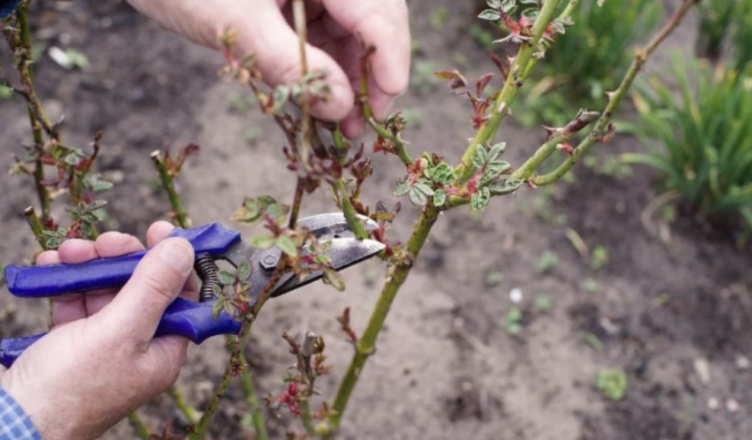
2. Remove all sources of danger. This refers to immature shoots, which are thin and fragile. If frost hits, these weak shoots won’t withstand it, unlike mature flowers. They will die and rot, eventually posing a threat to the entire bush.
Remember this axiom: ruthlessly remove all immature, weak, and suspicious shoots.
The degree of radical pruning depends on the type of rose. You can safely cut back shrub varieties by half or sometimes even by two-thirds. Climbing roses are more difficult because they bloom on last year’s shoots.
Not Cutting the Leaves
A carpet of fallen leaves may adorn the alley of some romantic poet’s home, but in a rose garden, fallen leaves are definitely out of place.
Dry leaves that cling to the stems and mix with dirty soil create a disgusting sight. Pests hide in dry leaves. They also become breeding grounds for fungi and microbes. If you want a beautiful and healthy flowerbed, you need to get rid of all dead leaves.
This is especially true for those whose flowers have suffered from some disease. I put on thick gloves, remove all the dry leaves from the stems, gather them in a pile, and burn them.

-Rushing
Prematurely pruning roses is one of the gardener’s most serious mistakes. Some gardeners prune too early, before the right time. Consequently, the rose initiates growth and sprouts new shoots, only to succumb to the initial cold snap.
Only when stable, cold weather sets in should you prune. This way, new shoots won’t grow, and the rose will rest until warmer days arrive.
Bury the grafting point in the soil. This is the most important rule every gardener should know. If the grafting point is not buried, the rose will simply freeze, and when the blooming season comes, you’ll see dogrose blooms instead.
During the summer, frequent rains may have exposed the grafting point. Be sure to check if this has happened to your bush by accident.