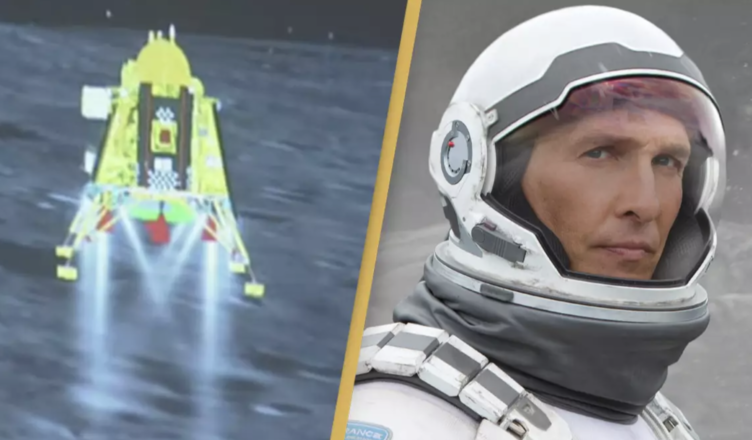
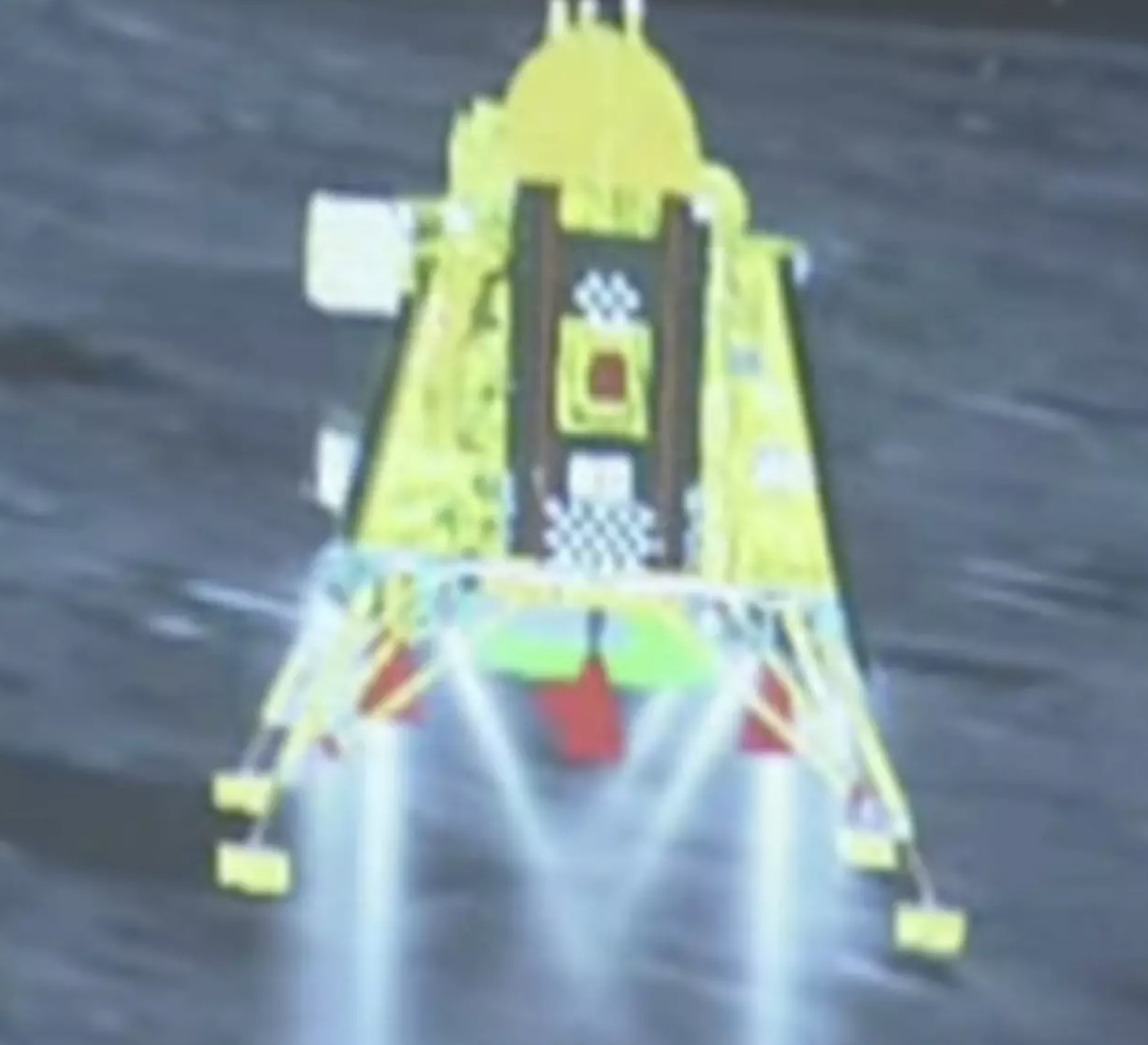
Following the country’s unsuccessful effort in 2019, the Chandrayaan-3 successfully reached the lunar surface on Wednesday (August 22).
The Indian Space Research Organization (ISRO) announced the news on Twitter, saying, “The Ch-3 Rover ramped down from the Lander and India took a walk on the moon!”
However, although NASA spent over $250 billion on its multiple Apollo missions throughout the 1960s and 1970s, India’s space program accomplished the astounding feat for a fraction of that.
Rather than the billions of dollars invested by the US over the years, the Ch-3 Rover mission cost only 6.15 billion rupees, or around $75 million.
By any metric, it’s a tight squeeze.
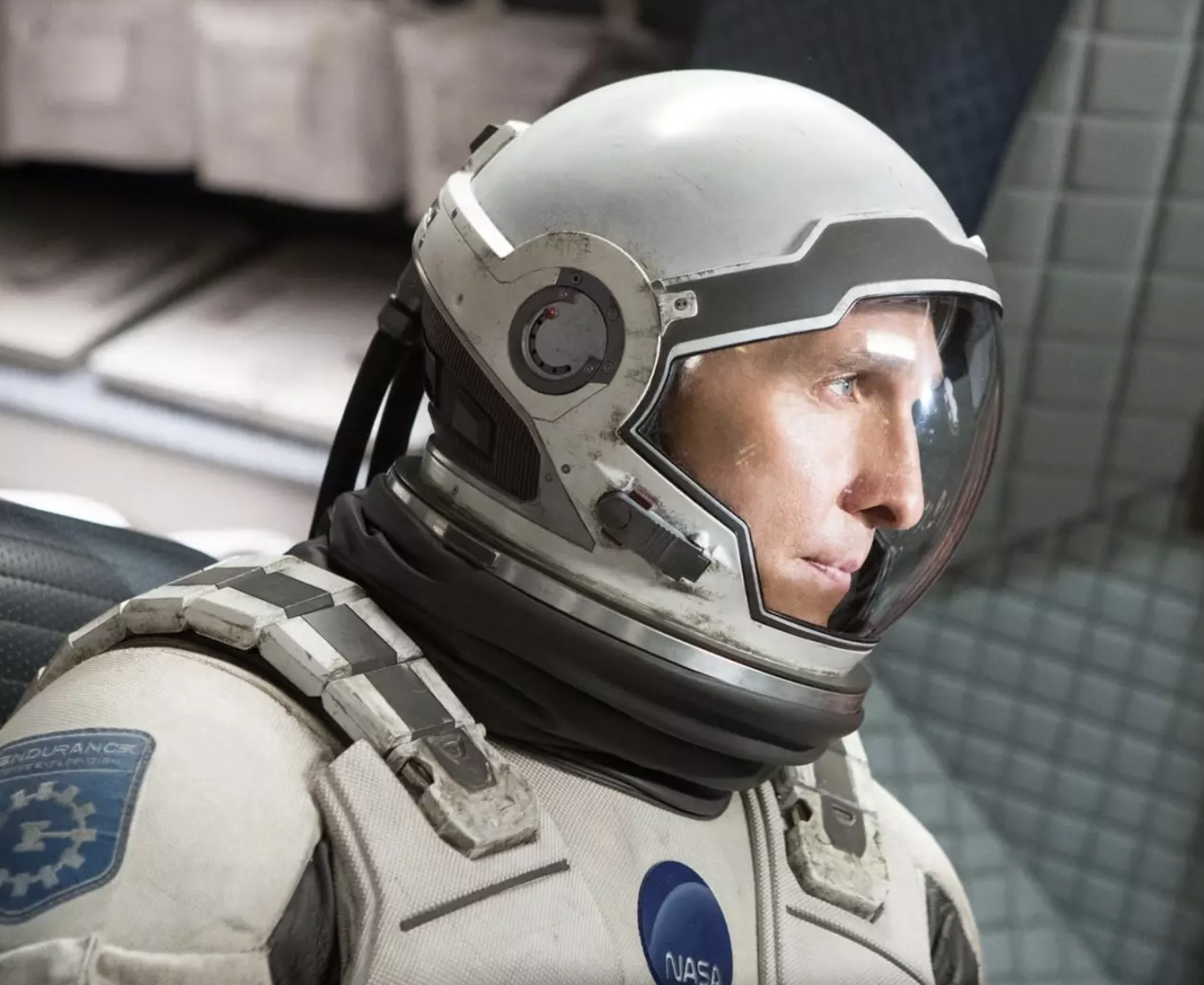
But it’s not only inexpensive by space exploration or technical standards; it’s also less expensive than many Hollywood blockbusters, many of which include actors pretending to be astronauts.
Consider Christopher Nolan’s enormous 2014 sci-fi film Interstellar, which cost $165 million to produce.
Not to mention Matt Damon’s The Martian, which cost a stunning $108 million to bring to the big screen.
The ‘Pragyan’ rover has now been put on the moon’s south pole, according to ISRO chairman S. Somanath, making India the first country to land there.
During the two-week trip, two instruments will be used to conduct elemental and chemical composition investigations.
“More than that, it will do the roving on the surface,” Somanath explained, and we will also do a robotic path planning exercise, which is very important for us for future exploration.”
Following the successful landing, India’s Prime Minister Narendra Modi praised the country’s accomplishment.
“It’s a matter of pride and a pat on the back for Indian scientists,” Modi stated today (August 24). “India has landed on the Moon.”
“No other country has ever reached the Moon’s south pole except India.” We are living history.”
The previous effort by India to land a spacecraft near the Moon’s south pole failed four years ago.
Despite achieving lunar orbit, it lost touch with its lander, which crashed during the final descent to deploy its rover to search for water.
A failure analysis report provided to ISRO states that a software error was to blame for the crash.