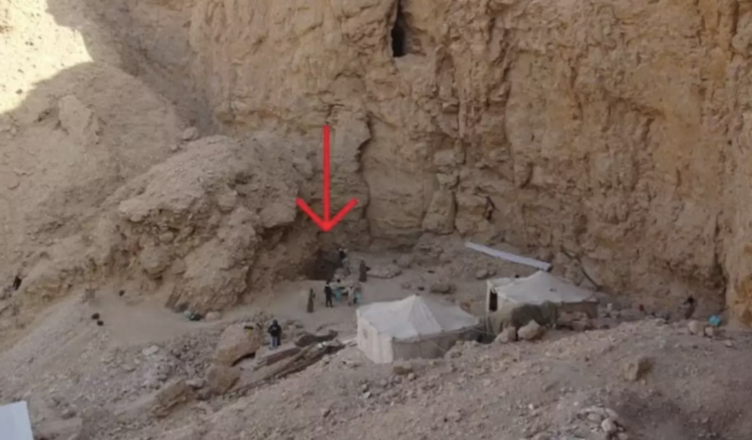
The tomb of Ancient Egypt’s missing pharaoh,’ which had been hidden for 3,500 years, was eventually discovered after repeated efforts to find the ancient chamber.
And it is a once-in-a-century discovery, as it is the first royal tomb uncovered by Egyptologists since King Tutankhamun’s tomb was opened 103 years ago in 1922.
The latest discovery was made as part of a combined Egyptian and British archaeological effort led by the Supreme Council of Antiquities and the latest Kingdom Research Foundation.
With a focus on uncovering King Thutmose II’s tomb, emphasis shifted to a location of Ancient Egypt located 2.4 kilometers west of the Valley of the Kings in Luxor’s western mountain region.
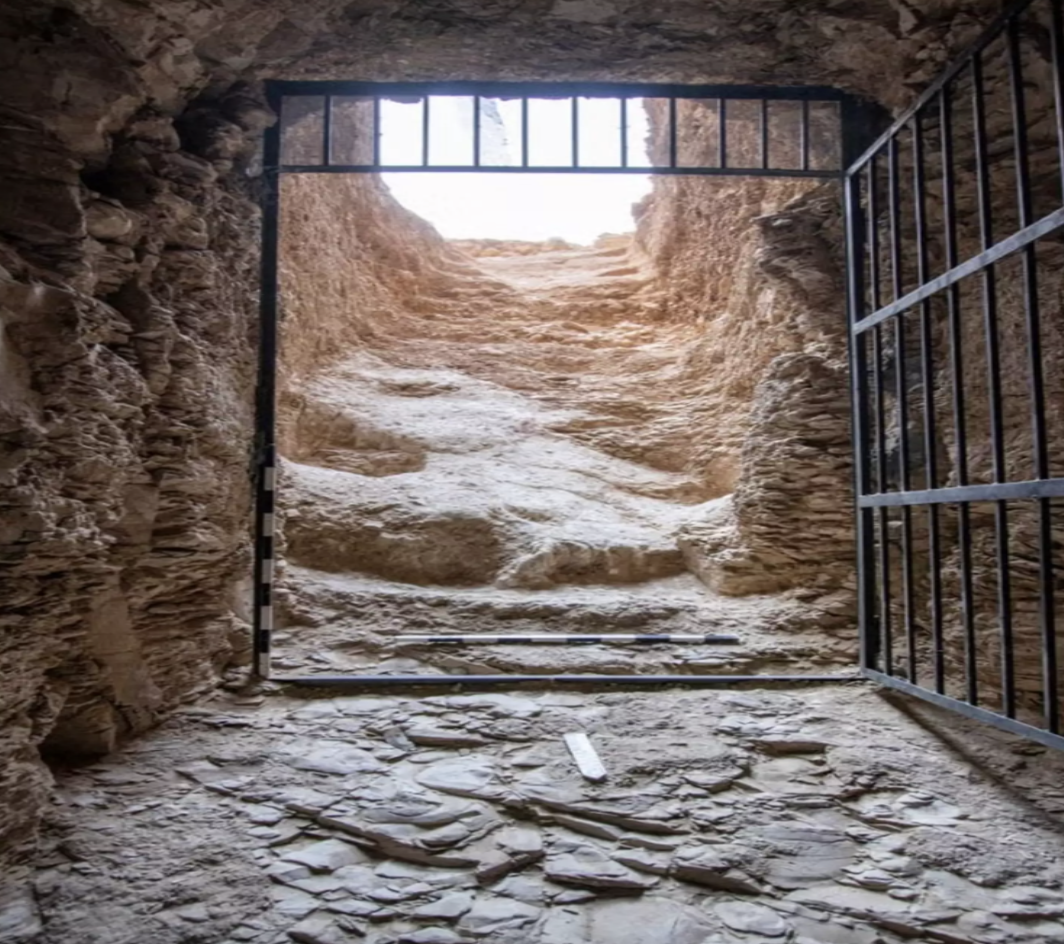
Thutmose II was the fourth Pharaoh of Egypt’s 18th Dynasty, ruling from 1493 BC to 1479 BC, which means he died 3,503 years ago. He is regarded as one of Ancient Egypt’s finest commanders.
Egypt’s Ministry of Tourism and Antiquities described it as a remarkable’ find, made during excavation and study at a site formerly known as ‘tomb Wadi C-4.’. The entrance and main passage to this area were found in 2022, and years of investigation have followed since then.
This Monday (18 February), fresh evidence ‘definitively’ confirmed it as Pharaoh Thutmose II’s tomb.
Sherif Fathy, Minister of Tourism and Antiquities, praised the excavation and emphasized the importance of the find in unveiling new mysteries and riches of Egypt’s ancient civilization.
Dr. Mohamed Ismail Khaled, Secretary General of the Supreme Council of Antiquities, revealed that when the tomb’s entrance and main hallway were discovered in October 2022, the crew mistook it for the tomb of one of the Thutmosid rulers’ wives.
This notion was based on its proximity to King Thutmose III’s wives’ graves and Queen Hatshepsut’s tomb, which she had initially prepared as a royal consort before assuming the throne as pharaoh.
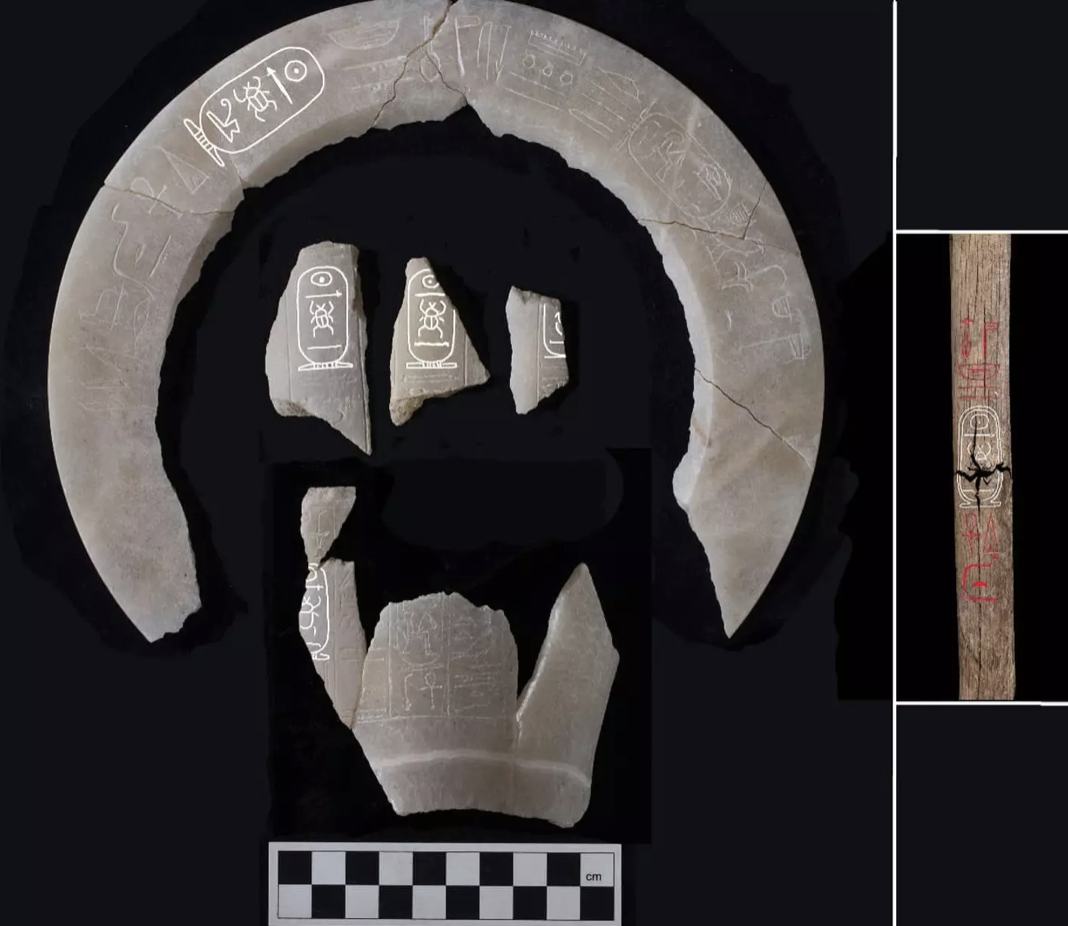
But excavation work on the site proceeded, and additional archeological evidence identified the tomb’s owner as Pharaoh Thutmose II, including artifacts inscribed with his name discovered within the tomb.
Piers Litherland, the excavation leader and field director from Cambridge University, stated that the discovery “solves a great mystery of ancient Egypt: the location of the tombs of the early 18th dynasty kings.” The tomb of Tutankhamun’s ancestor has never been discovered since it was supposed to be at the opposite end of the mountain, near the Valley of the Kings.
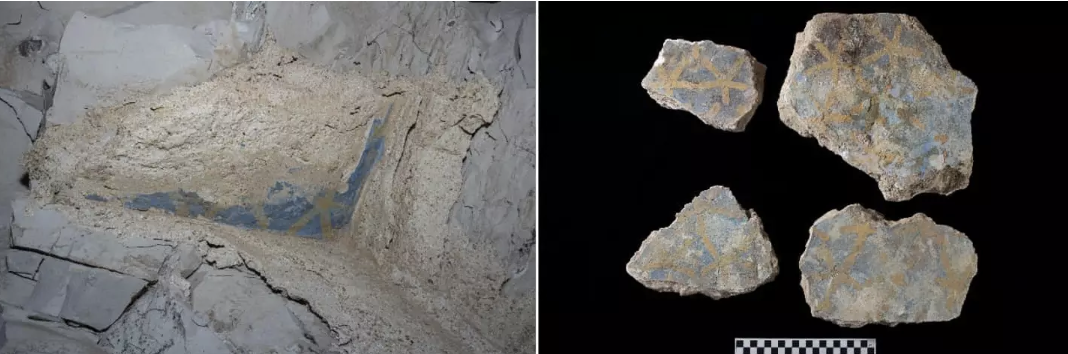
“Initially, we assumed we had discovered the tomb of a royal wife, but the vast stairway and enormous entryway hinted at something more significant.
“The discovery that the burial chamber had been decorated with scenes from the Amduat, a religious text that is reserved for kings, was immensely exciting and was the first indication that this was a king’s tomb.”
The tomb’s deteriorated condition was considered to be caused by past floods in the region, which moved material into the chamber, which had gotten tightly packed over time.
This is also why the tomb is partially collapsed, since the site’s structural integrity has been compromised by natural disasters.