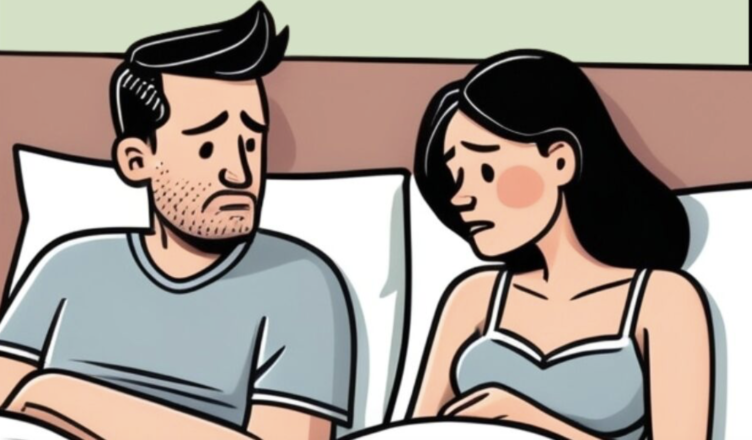
Every man experiences emotional triggers, and questions about his manhood or worth in a relationship deeply impact him. The weight of words is enough to break even the strongest man, and understanding your partner’s emotional blueprint is critical to a successful relationship.
If you want to cultivate a loving, safe, and long-lasting relationship, you must be conscious of the words you use. If you want to maintain a solid, supportive, and respectful relationship, avoid the following 15 words!
1. “You should be more manly.”
This statement fundamentally undermines a man’s identity. In many cultures, masculinity is inextricably linked to a man’s feeling of self-esteem. Suggesting that a man isn’t “manly” enough might make him feel inadequate or rejected for who he actually is.
Instead of pointing out his shortcomings, praise the virtues he contributes to the partnership and encourage him to develop on his own terms.
2. “Why aren’t you as successful as other men?”
Comparison is a quiet relationship killer. This comment turns gratitude into competition, causing your partner to experience constant evaluation and disappointment.
Instead of comparing him to someone else’s highlight reel, celebrate his successes, no matter how modest they are, and believe in his future.

3. “My ex…”
Using an ex as a benchmark raises serious concerns. Even if inadvertent, this expression indicates that you are still emotionally comparing or even pining for the past.
If you compare him negatively, you undercut both his ego and your faith in the relationship.
Always handle disputes in the present, not the past.
4. “You’re just like your father.”
Family allusions are hard, especially when they have negative meanings. Many men spend their whole lives attempting to either emulate or depart from their fathers’ examples.
Telling somebody that he’s “just like his father” shows a lack of originality and implies that regardless of what he does, he’ll make the same mistakes, especially if he has a bad relationship with his father.
Instead, discuss habits without bringing up familial issues.
5. “You never do anything right.”
This term is a broad critique, which is never constructive. It invalidates everything he accomplishes successfully, leaving him feeling hopeless. Men, like everyone else, want to be recognized and acknowledged for their efforts, even if they occasionally fall short.
Use specifics rather than extremes. Talk about potential improvements and propose more effective strategies for the future. Focus on the activity, not the individual.
6. “Man Up!”
The phrase is concise, direct, and incredibly harmful. “Man up” implies that showing emotion or sensitivity is “less than.” It reinforces toxic masculinity by informing your partner that he has no right to experience grief, fear, or doubt.
Dismissing his emotions as a sign of weakness prevents open communication and leads to emotional isolation. Instead, encourage open and honest conversation, even when it is uncomfortable.
7. “You’re overreacting.”
Invalidating someone’s feelings is an effortless technique to make them feel insignificant. Even if you disagree, characterizing his behavior as extreme does not help; it only shuts off the debate.
Men typically hesitate to open up, and when they do, their partner’s reaction is important. Dismissing his sentiments might result in long-term emotional alienation.
Instead, ask questions, such as, “Can you explain why you are upset?” Promotes empathy and connection.
8. “You’re not romantic anymore.”
While this statement may hold truth, it warrants cautious handling. Men might slip into a habit, especially in long-term partnerships. Saying the truth frankly may make him feel as if he failed or that you no longer value his presence.
Suggestions for reconnecting include date evenings, surprises, and simply a meaningful message.

9. “You always choose the easy way.”
This phrase conveys sloth or cowardice, neither of which is a desirable trait for a man’s name. It calls into question his honesty and has the potential to undermine his motivation.
Instead, inquire why he made the decision in issue; the explanation allows for comprehension rather than judgment. Everyone respects fairness and honesty, especially when making difficult decisions.
10. “You’re too sensitive.”
Sensitivity is not a weakness. In fact, emotional awareness can facilitate deeper interactions. By expressing this, you are instructing him to view his feelings as an issue that requires suppression or “fixing.”
Support your partner’s emotional development. If he is hurt, recognize it; if he is overwhelmed, listen.
11. “Real men do/don’t…”
Reminding him that he can’t fix cars or earns little money weakens his manhood. This behavior is manipulative and often driven by societal pressure instead of personal values.
Allow your man to determine what being a “real man” means to him. Support that version, even if it does not suit all stereotypes.
12. “I can’t count on you.”
Trust is the cornerstone of all great relationships. Questioning it so explicitly implies that your spouse is untrustworthy and unfit.
If you feel unsupported, please consider sharing examples and gently clarifying your expectations. It is more effective than making a character judgment.
13. “You’re being paranoid.”
Gaslighting, or making someone question their reality, is incredibly destructive. If your spouse shows worry, even if you disagree, it is critical to understand his perspective.
Listen first, then share your opinion. That is how confidence is established and kept.
14. “I regret being with you.”
This is a nuclear term! It eliminates every shared experience, every moment of vulnerability, and every bit of effort. Even when stated in anger, it creates a lasting impression.
Take a deep breath and relax before saying anything irreversible. Threats are unnecessary in healthy debates.
15. “I don’t need you.”
Independence is excellent, but when it becomes exclusive, it causes emotional estrangement. This expression implies that you are alright without your spouse, which might undermine his sense of value in the relationship.
Instead, you may add, “I value my independence, but I also value what we have.” Relationships flourish when both individuality and connection are honored.
The sentences above may appear innocuous or fleeting, yet they may profoundly damage a man’s sense of identity, pride, and emotional connection. If the aim is to instill love, respect, and trust, it is critical to speak with empathy and intent!
What phrases do you know are triggering for your partner? Please share them with us, followed by this story, so that we can hear from others!