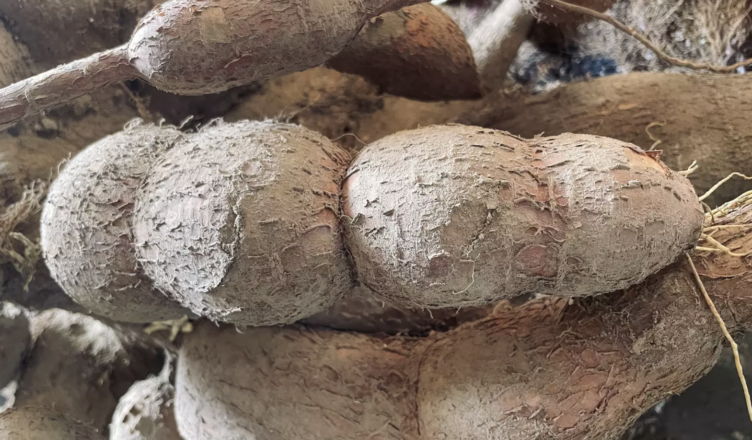
One of the world’s deadliest foods is consumed by half a billion people, and its enormous appeal may explain why it has a fatal reputation if not properly cooked.
When we say it’s the ‘world’s deadliest food,’ we truly mean food, since there are many other deadlier things you may be consuming that are not part of your diet.
Numerous foods in this world will kill you rapidly, yet they are not commonplace on the dinner plate.
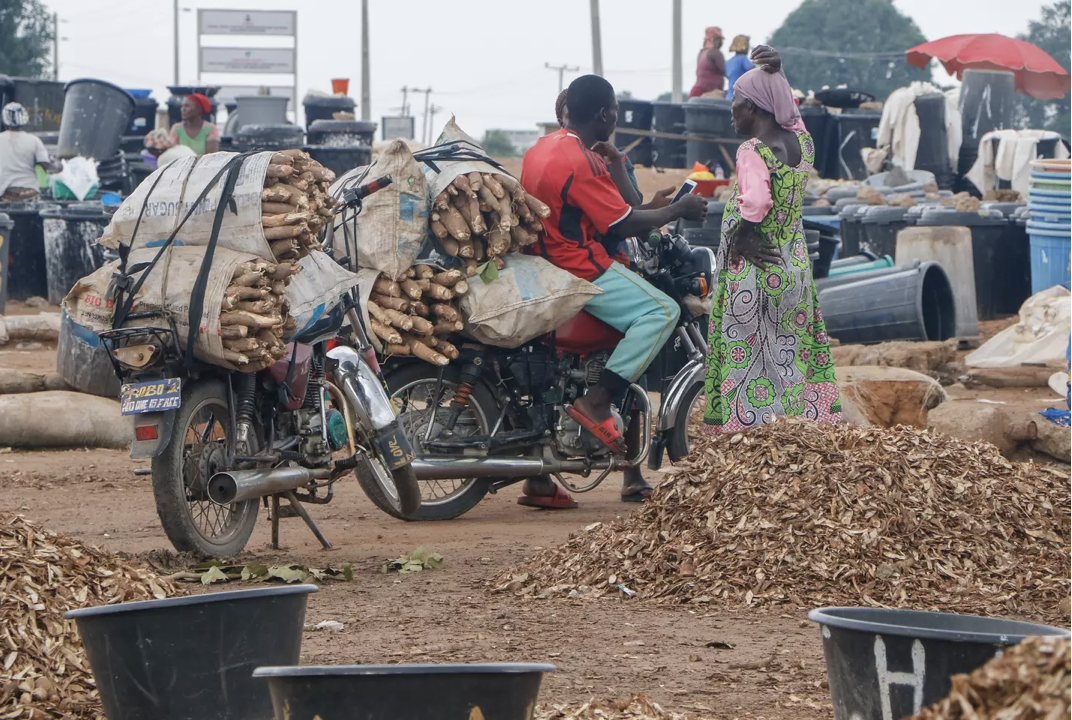
However, 500 million people consume cassava as a basic meal, with hundreds of millions of tonnes produced annually.
It is a plant that thrives in tropical climes and is native to South America, but Nigeria is currently the world’s leading producer.
Cassava is a popular meal and a mainstay in the diets of half a billion people, yet the plant’s roots, peel, and leaves are poisonous and can generate hydrogen cyanide when consumed uncooked.
Sweeter cassava can have as little as 20 mg of cyanide per kilogram, but the bitterest types can contain up to 1,000 mg.
According to the World Health Organization, cassava poisoning kills around 200 people each year, thus while it is one of the ‘world’s deadliest’ foods, the number of individuals who consume it daily and are fine is relatively significant.
That’s because humans, if we may give ourselves a little credit, are fairly intelligent and have learned how to cook certain foods that would otherwise pose a health risk to us.
Some chefs train to cook an extremely dangerous fish that would be a lethal delicacy if not handled by experienced hands, and we’ve learned how to reduce our chances of being killed by cassava.
Eating cassava raw or improperly processed can result in death, and it has also been related to the neurological condition ataxia; thus this diet has health consequences in addition to mortality.
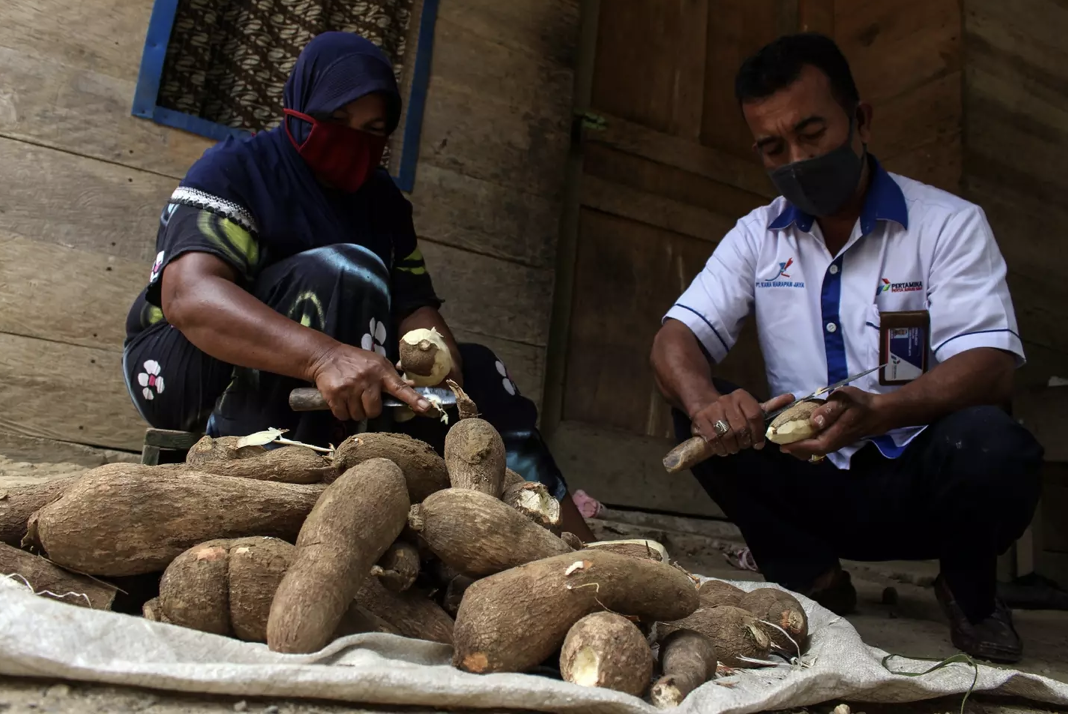
Making cassava as safe as possible requires appropriate food preparation, which may include soaking the plant for up to 24 hours.
Cassava appears to offer a greater risk when food is scarce, as individuals may consume more of the bitter cassava, which is more likely to contain larger levels of hydrogen cyanide.
During Venezuela’s food shortages in 2017, El País claimed that people were dying because they were eating bitter food to avoid famine.