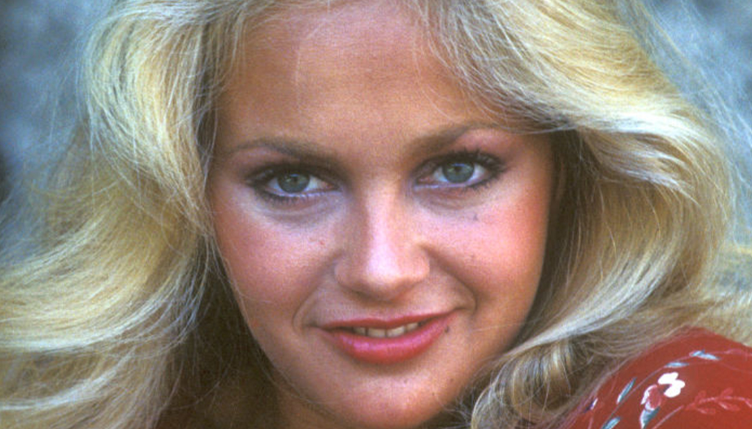
Charlene Tilton was living the ideal at the height of her Dallas stardom, making $50,000 each episode, appearing on the covers of over 500 publications, and attracting 65 million people to her legendary 1981 TV wedding. It appeared to be the perfect Hollywood success story, but Charlene’s life had been nothing short of a nightmare.
A little like a cat
Dallas was more than simply a show; it was an experience. It became a cultural icon, drawing audiences across the world. The characters were incredibly vivid, the plots were unexpected, and the stakes were consistently elevated. At the center of it all was the Ewing family, a dynasty founded on riches, power, and deadly ambition. In my opinion, no one could have played Lucy Ewing better than Charlene Tilton. She had that distinct glitter that made her character so exciting to watch, and she was very stunning. Lucy was similar to a cat in that she didn’t always emerge, but when she did, it was always a delight.
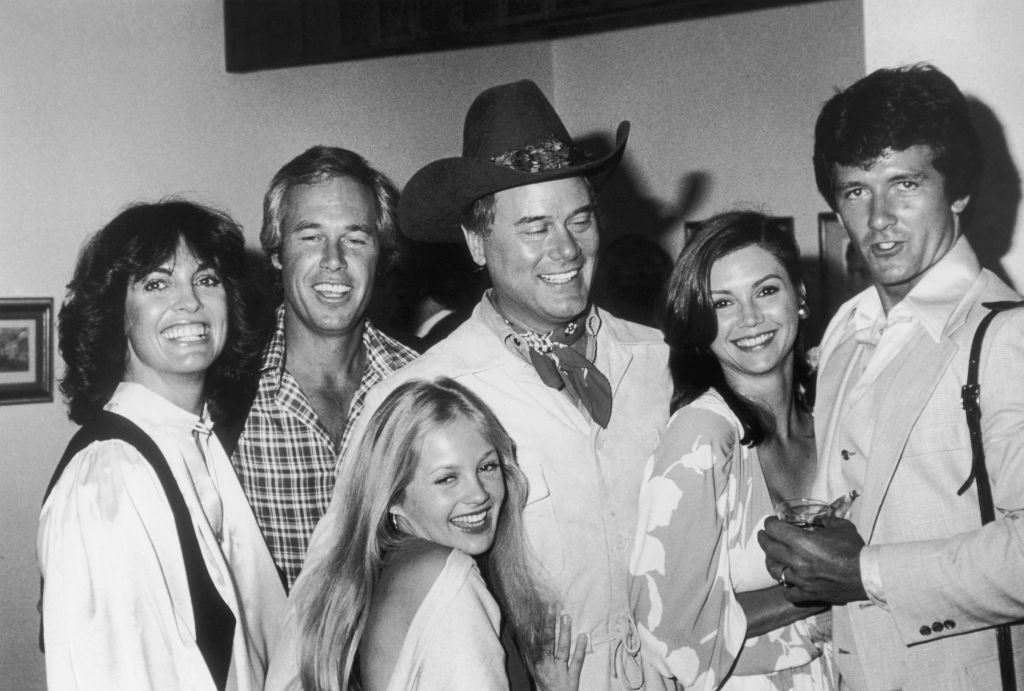
Her presence illuminated the screen, and you couldn’t help but become excited whenever she appeared in the drama. Lucy Ewing was more than simply another character; she was essential to Dallas. Her fiery attitude, charisma, and memorable experiences made her a fan favorite. She was more than simply J.R.’s niece; she was a powerhouse in her own way, and Charlene caught her energy flawlessly. But were you aware that Charlene’s path to success was anything but smooth?
Her father did not want her. Born on December 1, 1958, in San Diego, California, Charlene faced challenges from the very beginning of her life. Charlene’s youth was marked by emotional instability, since she was raised by her mother, Katherine, a secretary who suffered from severe mental illness. Her father, a US Air Force pilot stationed at the Pentagon, was away, leaving an emptiness in her childhood life. “My biological father didn’t want anything to do with me,” Tilton said. “He had to have known about me—Dallas was so huge—but he never reached out.”
By the age of five, Charlene had been placed in foster care, bouncing between homes and relatives, unable to establish long-term security.
“I remember the kids asking, ‘When is she going to go?'” And the parents responded, ‘We’re trying to send her out but can’t find anyone to take her.’ I thought, ‘I’m never going to rely on someone to care for me’.”
Her mother was institutionalized. Charlene, at six years old, observed her mother being held in a straitjacket at a mental institution, a disturbing experience that lingered with her for years. But the little girl refused to back down. In the face of adversity, she sought refuge in two things that would permanently impact her life: movies and her faith.
Films like Mary Poppins and The Sound of Music provided a momentary escape, fueling her desire to become an actor. Her religion became her emotional lifeline, giving her the strength to persevere when everything seemed impossible. When Tilton was about eight years old, her mother gained her freedom, and the family moved to California.
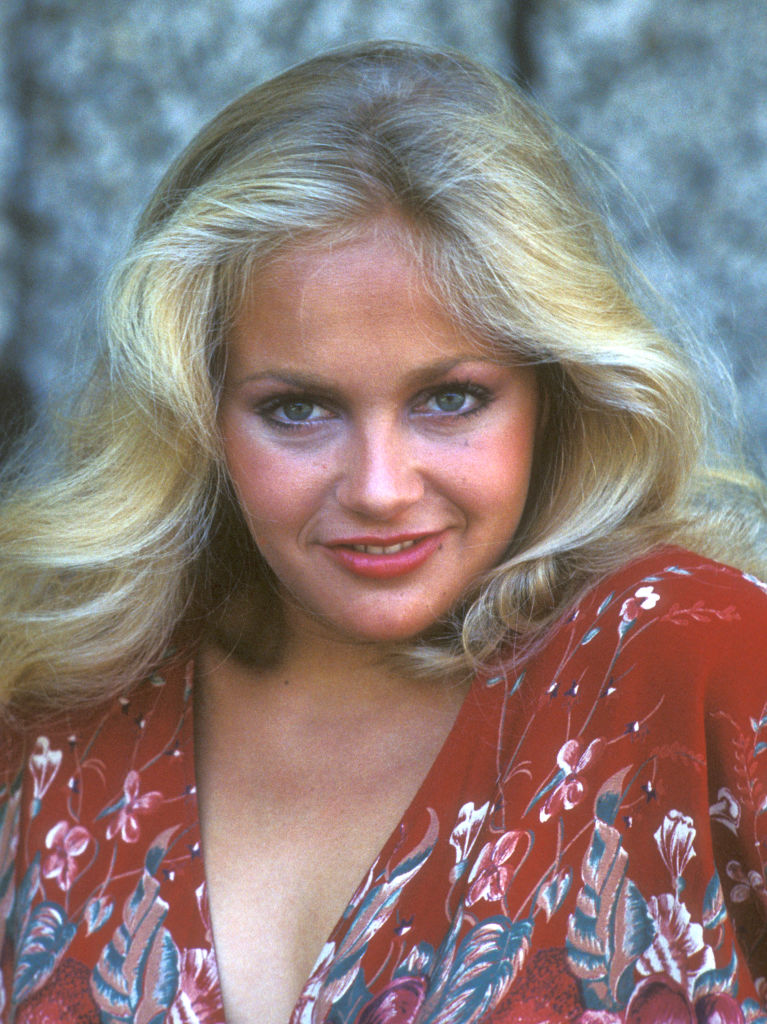
Despite being on medication, her mother constantly had prescription bottles around her, and she battled persistent issues. Their flat was often filthy, and her mother insisted on urinating in Tupperware containers rather than using the bathroom properly.
“It carried on for years.” I could never bring friends over,” she said.
Charlene attended Hollywood High School as a teenager and immersed herself in acting programs.
“I was only interested in getting out there and becoming an actress.” “That’s all I ever thought about,” she once stated.
Why she nearly died from humiliation
Charlene was doing well at school, but it was evident that her home life wasn’t ideal. Charlene recounts that once, while her mother was chaperoning one of her junior high dances, “she started fighting with herself, having a full-on conversation,” and stated she wanted to “die of embarrassment.”
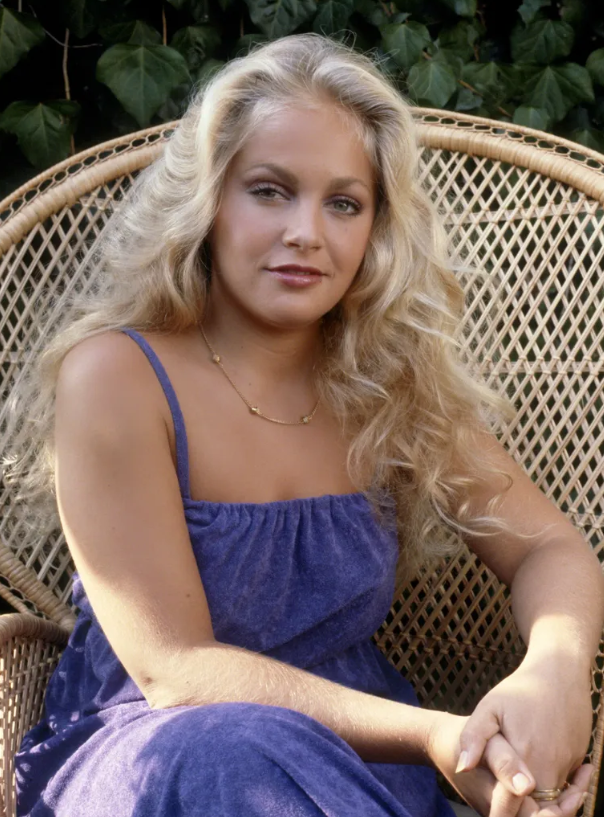
Charlene’s enthusiasm for performing paid off with minor appearances on TV sitcoms such as Happy Days and Eight is Enough. Disney’s Freaky Friday featured Charlene alongside Jodie Foster in 1976, seemingly boosting her popularity. However, nothing prepared her for what happened next. In 1978, Dallas cast Charlene as Lucy Ewing. Her journey to the position wasn’t straightforward; initially, they dismissed her due to her youth and inexperience.
But Charlene, who has lived alone since 15, wouldn’t quit. She snuck on the site for over two weeks, anxious to prove herself. Her tenacity finally paid off. Her dedication impressed the filmmakers, who cast her in the role.
Personal challenges
Dallas became a tremendous hit, and Charlene’s depiction of the disturbed Lucy Ewing made her a household figure. Her character’s wedding episode received an incredible 65 million viewers, confirming her position in television history.
Her celebrity rose, and so did the strain. Charlene was everywhere — on magazine covers, on talk shows, and as a fan favorite on game shows. She was making songs, producing a short film, and presenting events such as the Macy’s Thanksgiving Day Parade and Dick Clark’s New Year’s Eve party. At the same time, she was juggling her regular roles on Love Boat, Fantasy Island, and Circus of the Stars.
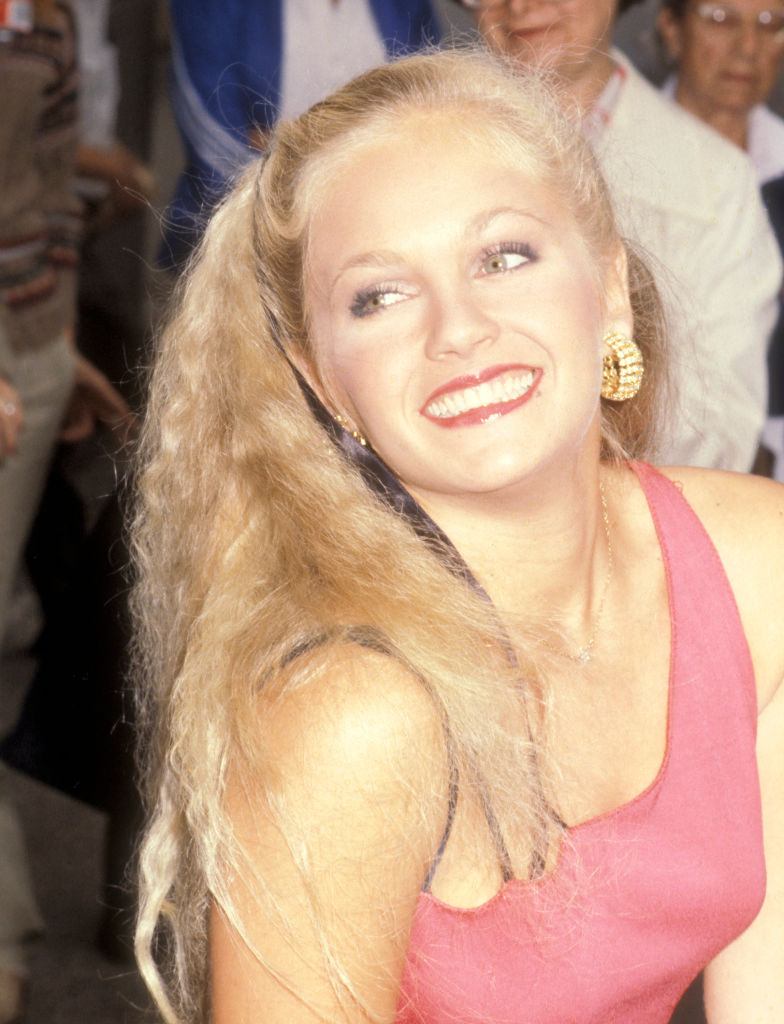
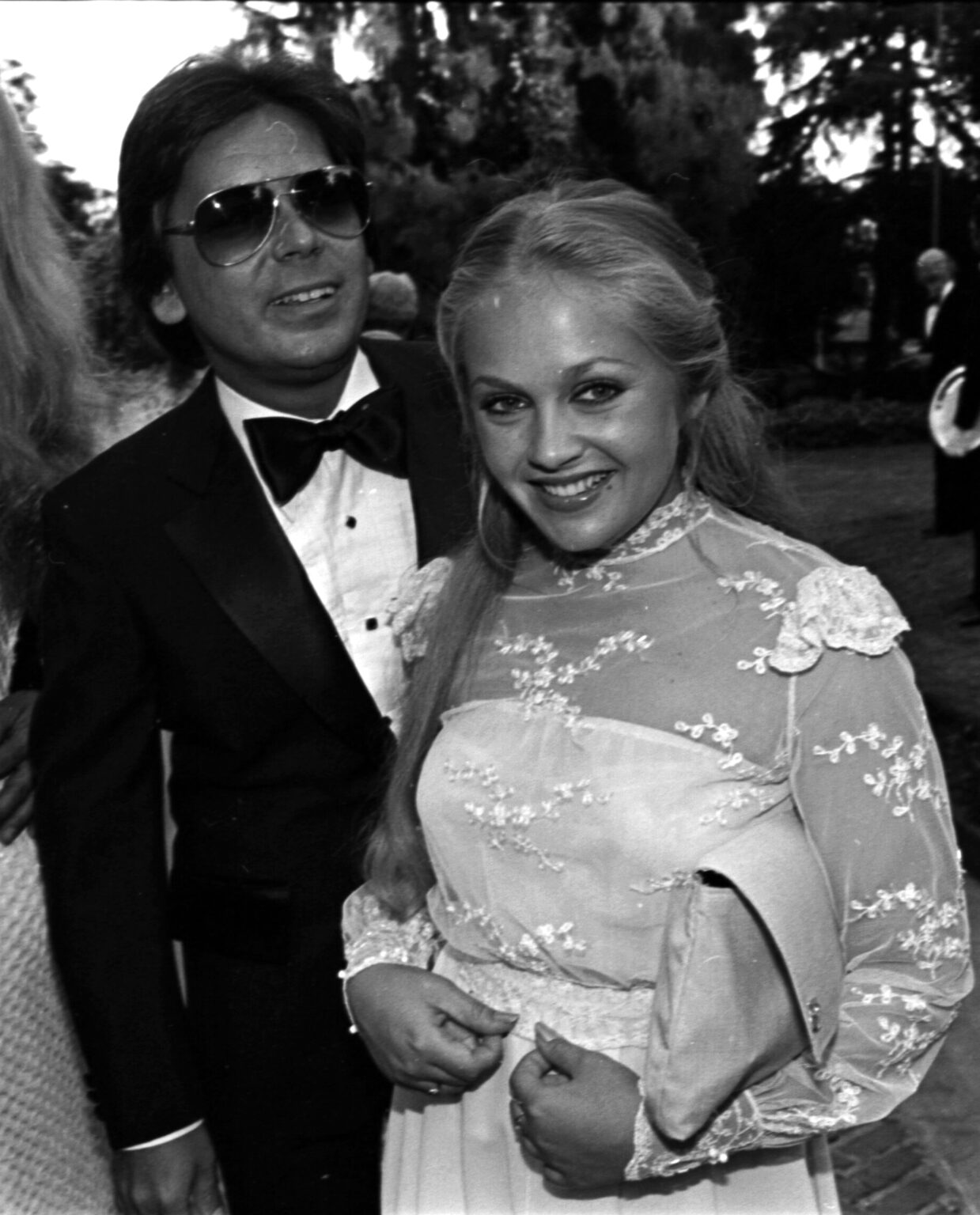
But with popularity came personal difficulties. She married Johnny Lee, a country artist, in 1982, but the couple divorced two years later. Her private life was almost nonexistent. Her marital difficulties became tabloid headlines, and she received obscene phone calls. Strangers would often want to grab her golden hair. When she went out to eat with her small kid, people stared and pointed at her. Charlene’s financial problems worsened, eventually leading to the foreclosure of her home.
Rock bottom
However, the majority of those who contacted Charlene were kind, and she grew to accept that it was just part of the job. By the mid-1980s, however, her acting career had reached rock bottom. She hosted a Saturday Night Live episode, which proved to be one of the season’s low moments. Then, in the spring of 1985, Dallas released her. Many people wanted her back, and she received hundreds of emails as rumors of a possible reappearance persisted for years. Larry Hagman was likewise sorrowful when Charlene Tilton departed Dallas. In 1988, she stated, “He called me and said, ‘You’re certainly a good actress; we never realized.'” I believe Larry advocated for me to return to the program.
And she came back. The following year, she returned to Dallas and lasted for two more seasons, departing in 1990, just a year before the series ended.
Charlene Tilton remained close to Larry Hagman following Dallas, profoundly concerned about his worsening health. In 1995, Hagman was diagnosed with liver cancer and needed a transplant. Fortunately, he underwent the transplant and survived the trauma. Tilton did not feature in any of the Dallas reunion films, but she did appear in Dallas Reunion: The Return to Southfork, which was released in 2004.
Her spouse died at 54. Another devastating loss for Charlene came in 2009, when her fiancé, cinematographer Cheddy Hart, died abruptly. Cheddy died abruptly of heart failure at the age of 54, shattering Charlene’s life.
“I just sat on the couch, drinking and smoking cigarettes,” she told People.
But rather than allowing tragedy to define her, Charlene opted to turn her sadness into something wonderful. She became a champion for autism awareness, utilizing her position to assist others in need. She also began teaching acting to autistic children and adults, and her job provided her with a new sense of purpose and healing.
Charlene, 66, now resides in Nashville, Tennessee, where she enjoys a peaceful life with her daughter, Cherish, and two grandchildren, whom she affectionately nicknames “Glamma.”
Charlene Tilton today
Since her traumatic youth, she has made significant progress, and now, as a grandmother, she is enjoying the benefits of her hard-earned tranquility. In an interview with People, Charlene expressed her acceptance of her life, especially after discovering two years ago through a DNA test that she had three half-siblings who, like her, had never seen their biological father.
When they ultimately found him, they discovered he had died six months previously at the age of 93. Despite this, Charlene asserts, “I don’t harbor resentment.” I don’t engage in self-pity. I maintain a positive outlook, a skill that has proven beneficial during challenging times.
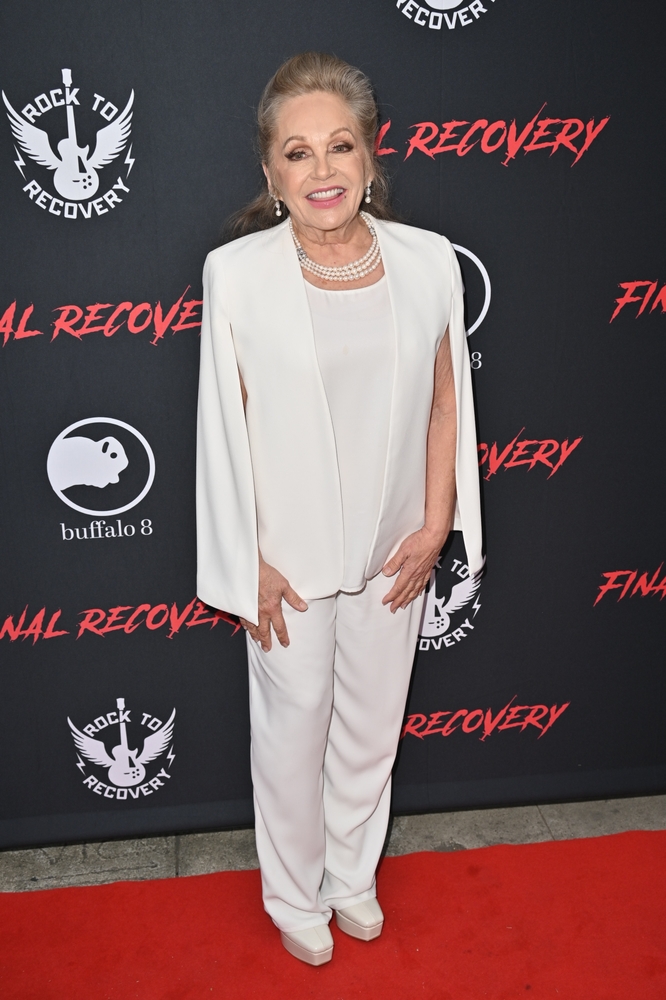
Looking back, Charlene Tilton’s story is nothing short of inspiring. She’s faced more hardship than most could imagine — from a childhood in foster care, to the challenges of fame, to devastating personal losses.
But through it all, she never gave up. Her resilience, both as an actress and as a woman, continues to inspire people everywhere, proving that no matter where you start, perseverance can turn even the toughest struggles into triumphs.