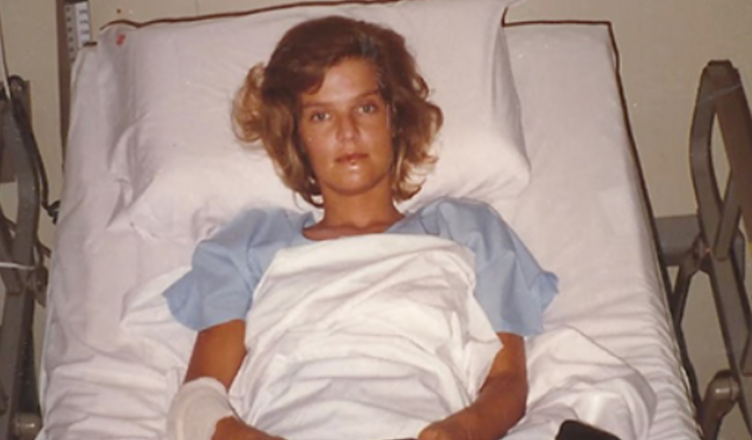
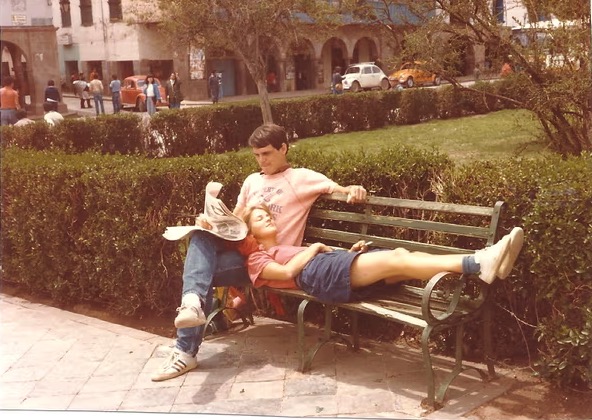
In 1992, Annette Herfkens was experiencing the ultimate life. She was a brilliant Wall Street trader with a flourishing job, a passionate love life, and the entire world at her disposal. However, as she boarded a trip with the person she loved, things changed abruptly and terrifyingly. Dutch-born Annette Herfkens embarked on a seemingly perfect love getaway thirty-three years ago. Her longtime lover, William — whom she had loved for 13 years — had persuaded her to take a much-needed sabbatical from their high-powered life.
William was the head of Internationale Nederlanden Bank’s Vietnam branch, and Annette worked as a trader. After six months of working in different countries, they finally made time for each other. This vacation was supposed to be their reunion, an opportunity to reconnect and rejuvenate. What’s the plan? Begin in busy Ho Chi Minh City, then go to the idyllic beach resort of Nha Trang for sun, sand, and relaxation.
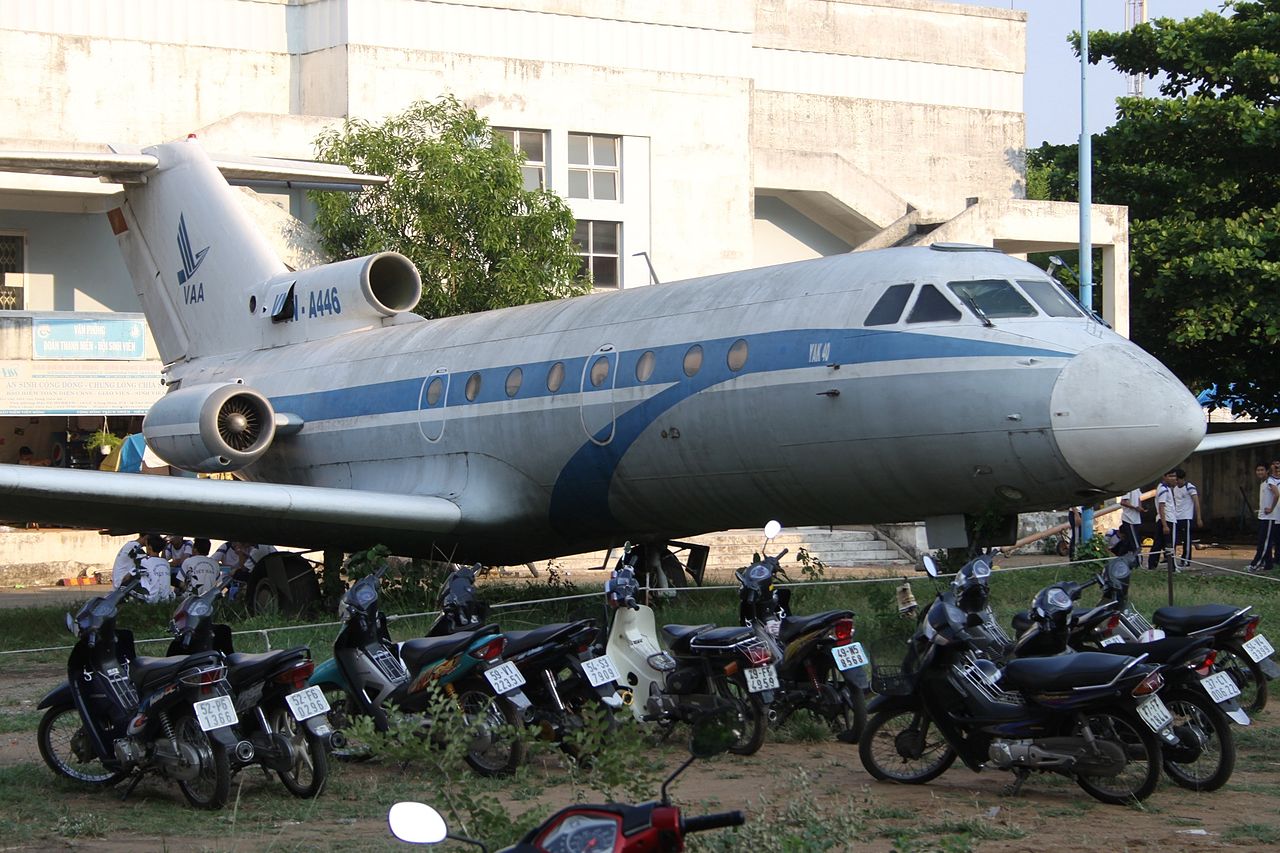
But, along with 23 other passengers on Vietnam Airlines Flight 474, their voyage would take a tragic turn. A gut sensation before departure. Annette Herfkens, a lifelong claustrophobe, had a sense of fear when she got on board the Yakovlev Yak-40 on November 14th, 1992. She and her fiancé scheduled the aging Soviet-built plane to transport them to the beautiful beaches of Nha Trang.
Her companion, whom she referred to as “Pasje,” attempted to calm her fears by insinuating that the flight would only last 20 minutes. But after 40 minutes had passed and the planes remained in the air, fear set in. “Pasje gazed at me with terror. ‘Of course, a lousy little toy plane falls like this!’ I murmured, reaching for his hand. ‘It’s only an air pocket, don’t worry. But he had good reason to be concerned. We plummeted again. Somebody yelled. It turned completely dark. Herfkens told the New York Post that “seconds later, we made an impact.”
Wake up in a nightmare. When she awoke, the Vietnamese forest screamed around her. A stranger’s body enveloped her. Van der Pas remained strapped into his seat, smiling and immobile. Gone. “That’s the moment when you must decide whether to fight or flee,” she observed. “I definitely chose flight,” Annette told the Guardian.
Her recollections of escaping the disaster are blurred. “It must have been excruciating pain to get out of there,” she told me. “So I must have crawled from the plane and hauled myself down. And then I crawled for another 30 yards.” Her injuries were severe, including a fractured hip, a broken leg, a collapsed lung, and a bone protruding from her jaw. But she was alive. She was not alone.
The deceased surrounded her. Annette was not the sole survivor in the immediate aftermath of the collision. Annette heard grunts and screams. A Vietnamese merchant even handed her garments when her skirt ripped. However, one by one, the voices faded into quiet. She soon found herself surrounded exclusively by the dead. To survive, she practiced yogic breathing to heal her lung injuries, which she described as “mindfulness before we all knew the word.”
She gathered rainwater with insulation from the plane’s wings, hurting her elbows so badly that she needed skin grafts. “Every two hours, I would take a sip,” she explained. “And then, I congratulated myself. “And it also helps you survive.
The world presumed she had passed away. Families at home were grieving. Her obituary appeared in the newspaper. Her supervisor wrote a sympathy letter. But her coworker and close friend, Jaime Lupa, would not give up. “When I promised Annette’s father before I left, ‘I will bring your daughter back alive,’ he became furious,” Lupa went on. “‘You are an idiot!’ he shouted. “Get real!”
On the sixth day, Herfkens saw herself drifting away. But, on the eighth day, a miracle occurred. A Vietnamese policeman and his colleagues came, carrying only corpse bags.
They hadn’t expected to discover anyone alive. Herfkens had found a new life after the tragedy. Carried down the mountain on a handmade stretcher, Herfkens returned home. In December, she arrived for her fiancé’s burial in a wheelchair. By New Year’s, she was walking. By February 1993, she had returned to her banking career. But grief persisted. Anger surged. Her trauma did not dissipate.
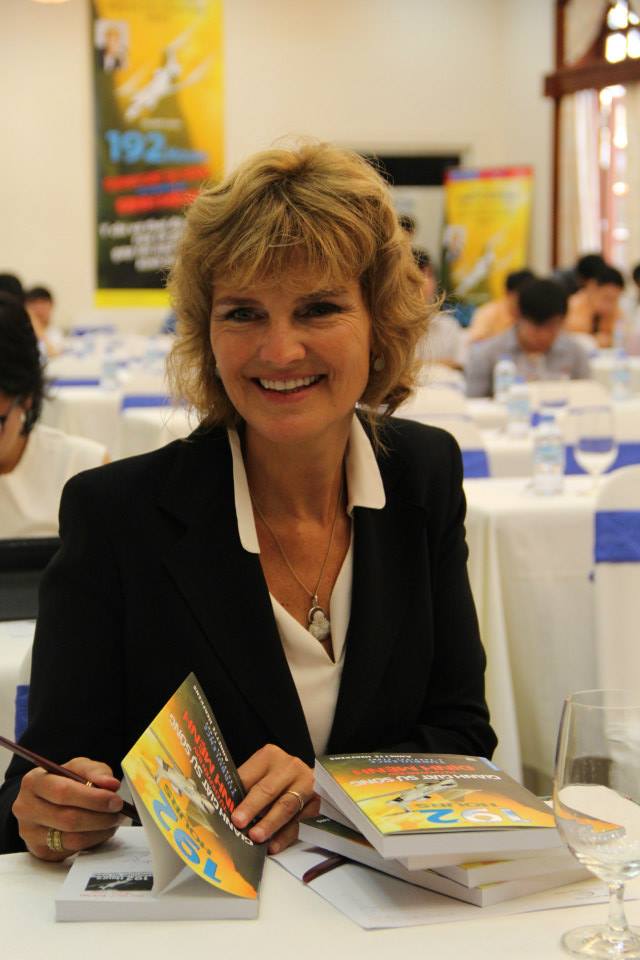
Years later, she married Jaime Lupa, a friend who had promised to bring her home, and they had two children, Joosje and Max. Though the pair eventually split, she built a new life while clinging to the forest that almost kill.ed her. “If you accept what’s not there, then you see what is there,” she told me. “I accepted that I wasn’t with my fiancé on the beach… Once I accepted it, I saw what was there: a gorgeous forest. Her motto became the foundation of her book, Turbulence: A True Story of Survival.
“You learn from taking losses.” Annette later became an inspiring speaker, and she feels it wasn’t luck that saved her, but instinct. “I was the youngest kid, and I grew up in a loving environment, yet I was left alone. I didn’t have parents teaching me how I should act and feel”. So I developed instincts,” she explained.
She even believes untreated ADHD helped her become “inventive and charming” as a child. “If I had had Ritalin as a kid, I would never have developed the qualities I had for surviving the jungle,” she told me.
When her son Max was diagnosed with autism, she maintained the same survival mindset: “You have to mourn what’s not there,” she explained. “But concentrate on what’s there. That is precisely what I did with my son. She joined inclusive communities, met parents from many backgrounds, and even brought Max on “dry runs” to the police station—just in case.
“There were many Black autistic boys in our circle, and it was so important to the mothers to teach them that when the police came, they had to keep their hands out of their pockets,” she told me.
She continues to count the days. Every year, Herfkens commemorates the eight-day anniversary of the catastrophe. She drinks water. She buys herself a present.
“I like treating myself,” she replies with a smile. “I’m good at that.”
Her trauma never totally subsided. She avoids sitting behind other passengers on airplanes. Vietnamese food might still cause flashbacks. But she’s never stopped surviving. Even Hollywood executives couldn’t completely grasp her narrative and wanted to make it more about her.
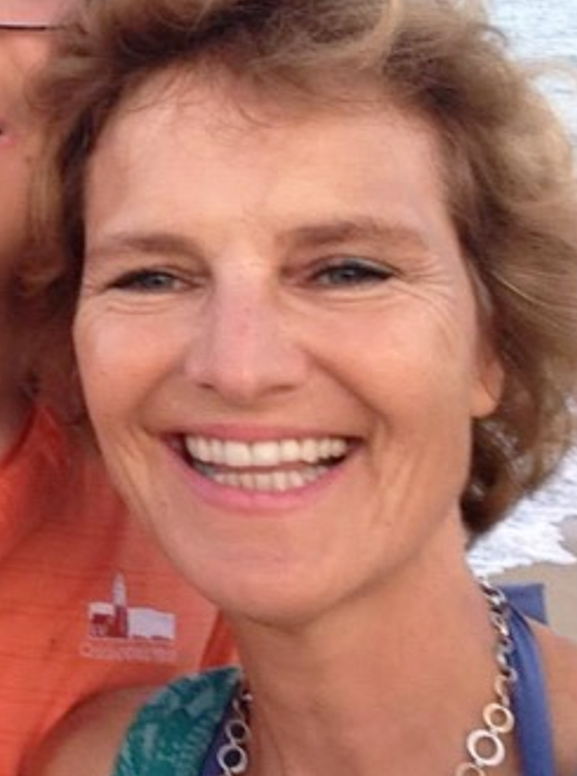
“I really think that why I survived is because I got over myself,” she told me. “By overcoming your little self, you can activate your instincts to work and achieve success.”
To this day, the jungle—where she lost everything—is her haven.
“It has been my ‘safe place’ ever since,” she added.
Annette Herfkens views survival as more than a fleeting moment. It’s an attitude. It is a way of life. A lesson in loss—and seeing the sun through the leaves.