You might have experienced the charm of those quaint cafes adorned with elegant lights and the delightful aroma of coffee, pastries, and various baked goods!
However, my life didn’t revolve around the aesthetic appeal of such cafes. How can I convey precisely what it was like?
Have you ever noticed that solitary employee diligently mopping the floors and wiping the windows? The one responsible for clearing away the dirt on the floor? The one who can’t afford the indulgence of cakes and pastries?
Well, that person was my father. He worked as a cleaner in a small cafe, a job that didn’t bring in enough money. Similarly, my mother worked as a maid, and even her earnings fell short. So, I had a humble, challenging childhood…
During my early years, our family had meager resources. Initially, my parents could manage three meals a day and my school lunch, but everything changed after my father suffered a stroke. Unable to work, my mother became the sole breadwinner.
I felt disheartened about our family’s circumstances. I offered to help my mom by quitting school until my dad could work again. However, my mom declined.
“If you want to assist us, Hector,” she insisted, “don’t give up on school. Right now, education is the only thing that can alter your fate and ours.”
Pain, hardships, and challenges—they are inherent to life. Although despised, they contribute to our resilience.
I missed out on many things my peers enjoyed—expensive toys, gadgets, stylish shoes, and new clothes. However, what truly pained me was sitting alone in the playground during lunch, holding my stomach and suppressing tears.
“It’s okay!” I would reassure myself. “I’m not hungry!”
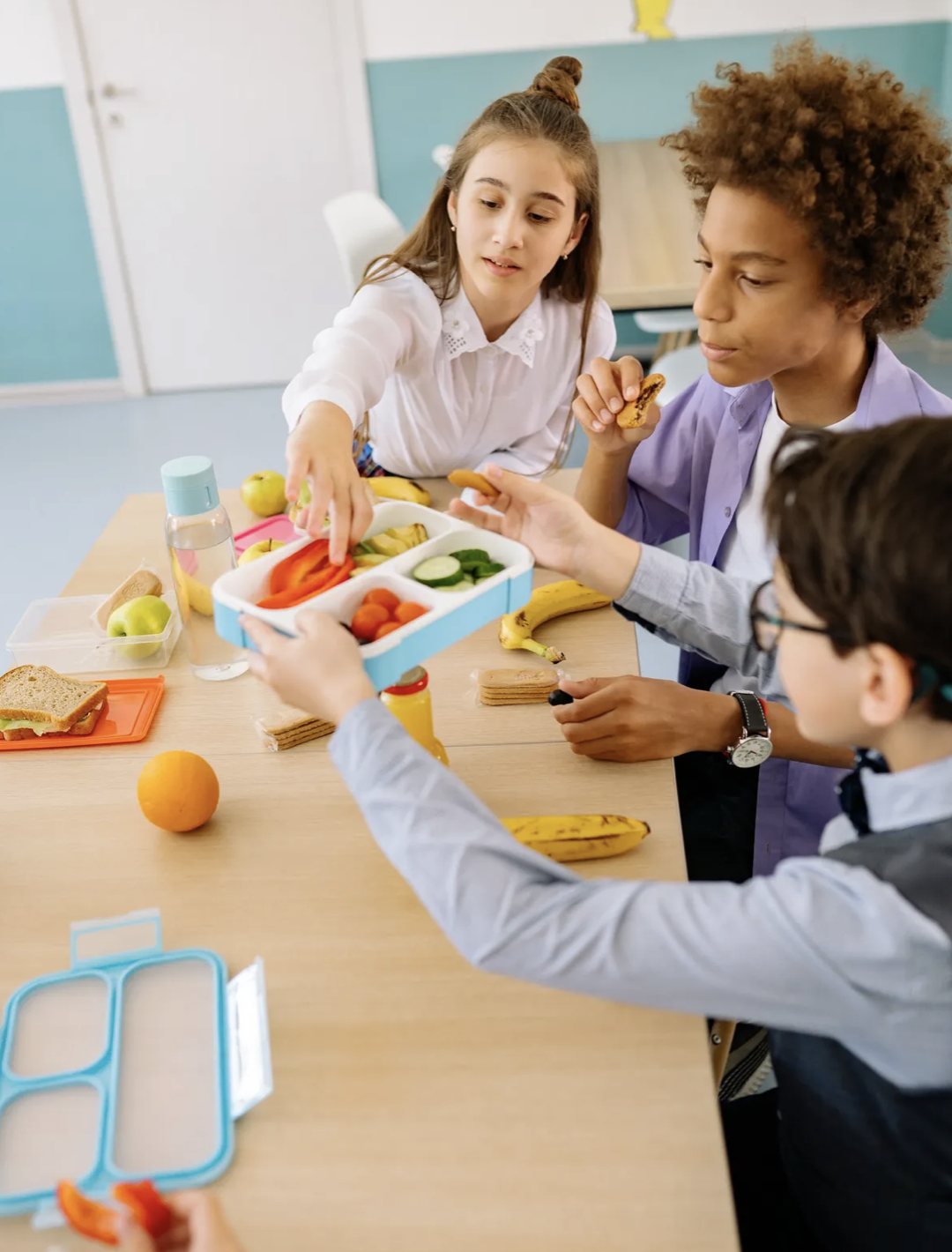
My mother’s income alone couldn’t cover our household bills, and she stopped providing me with lunch. We couldn’t even afford three meals a day. Most mornings, we skipped breakfast, surviving on lunch and dinner.
Previously, my mom would occasionally pack me a banana, and I remember discarding one once out of sheer boredom with bananas. Now, without any food, I regretted that decision.
One day during lunch break, I headed to my usual spot in the playground and noticed an unattended lunchbox. “Delicious!” read the note beside it.
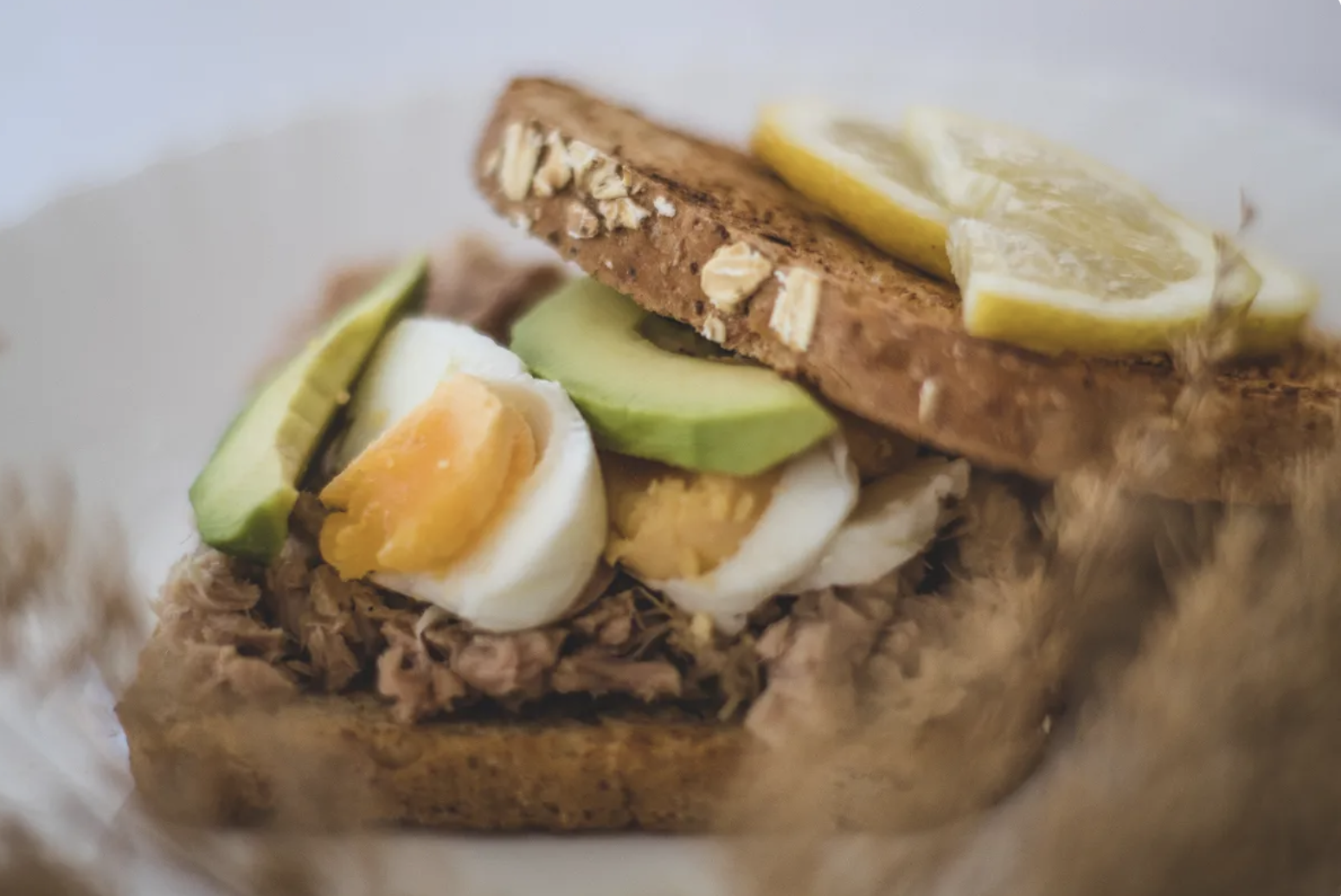
Thinking it might have been left there accidentally, I looked around, finding no one nearby. Hungry, I opened the box to discover a delectable tuna sandwich and a cookie.
I acknowledge it was wrong, but I ran away with the sandwich and cookie, leaving the empty box behind. I hid, devoured the food, and it was incredibly tasty!
Feeling guilty about consuming someone else’s lunch, I quietly apologized, convinced the lunchbox wasn’t meant for me. However, the next day, the box reappeared, and the pattern continued. I indulged once more but eventually stopped, realizing it was morally wrong.
Then, one day, my entire class surrounded me as I was about to leave the classroom.
“What’s wrong, guys?” I asked, puzzled.
“Hector, why did you stop eating from the lunchbox?” my friend Tom inquired. “Everyone saves food for you!”
“You guys left the box?” I questioned tearfully. “Why?”
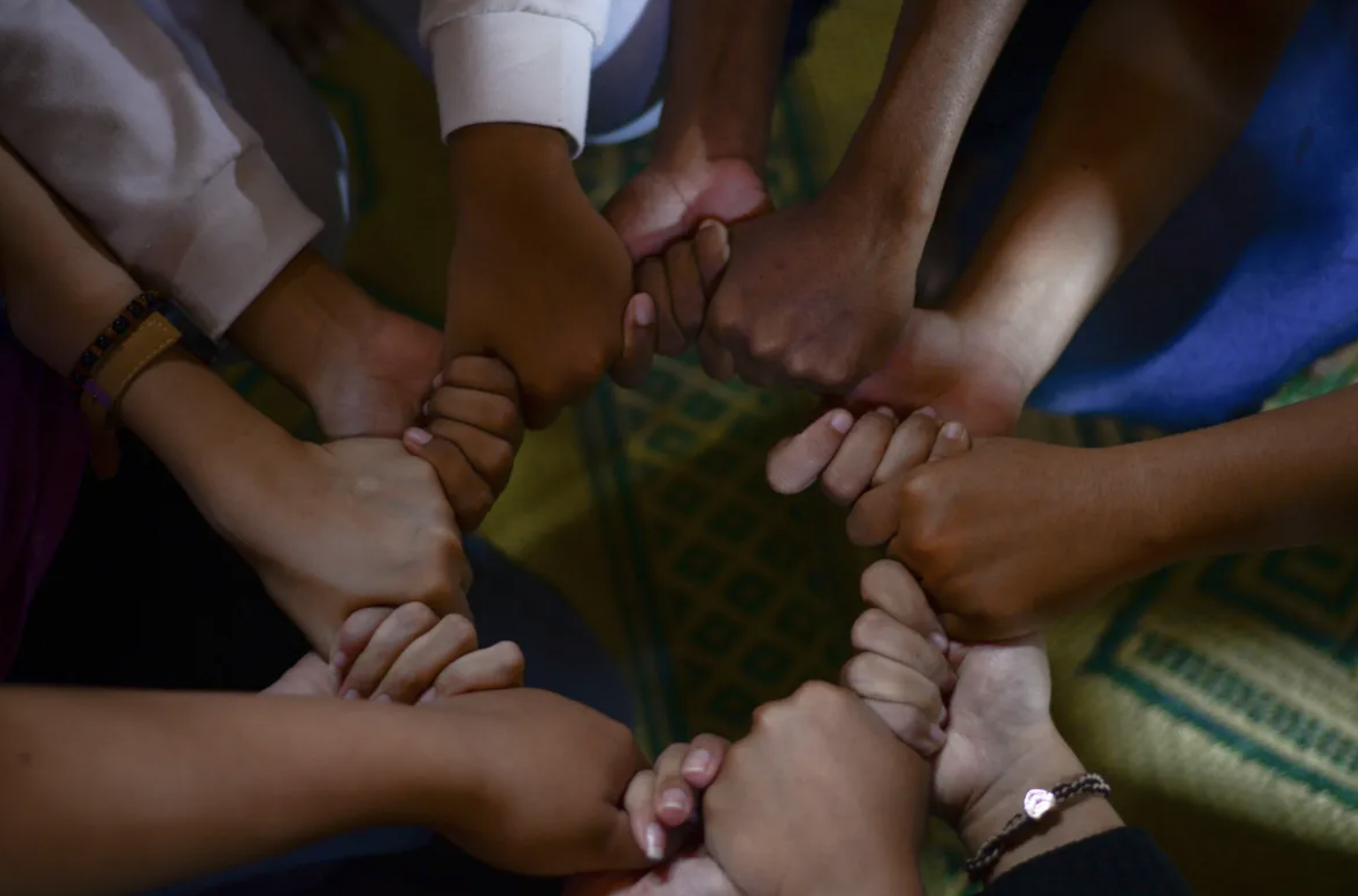
“We didn’t want to hurt you,” explained my classmate Stacey. “We know you are hungry, and you cry, and… I told Mommy to pack me more food so I could give it to you. We didn’t want to tell you we were helping you because Mommy said we needed to protect your dignity. I don’t know what dignity is, but Mommy is always right…”
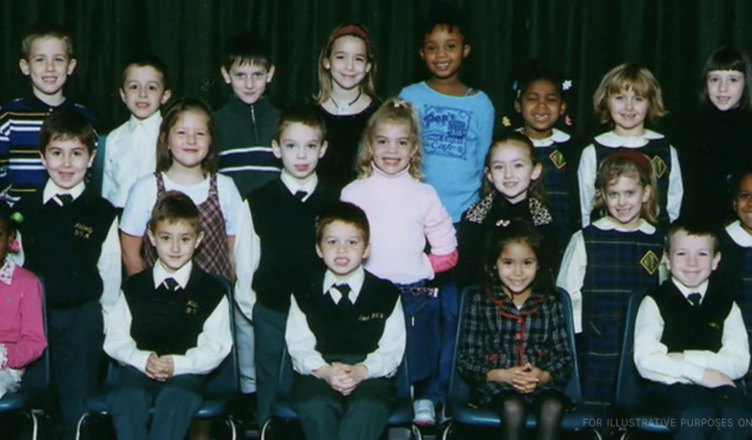
This happened many years ago, and it’s difficult to believe that a group of children could act so compassionately. They preserved my dignity by providing food without highlighting my financial struggles. Can you fathom such kindness from a bunch of kids in this chaotic world? Yet, my classmates did just that for me.
Hi, I’m Hector, and this is my story. In short, I managed to escape poverty and become a successful businessman. I now possess everything I could never have imagined as a child, but something was still missing. My heart told me I had to repay the kindness my classmates showed me, so I decided to find them.

Mr. Scotliff, my secretary, proved invaluable, and I discovered some of my classmates still lived in the same city. I visited them, inviting them to a gathering at my house. Unfortunately, some had moved to different countries, states, and cities, making it challenging to contact them.
During the reunion, my classmates shared their stories, revealing the pain and struggles still present in their lives—loss of spouses, challenges with their children’s education, and financial difficulties.
Witnessing their hardships troubled me, compelling me to repay their kindness by offering assistance. After all, it was their efforts that made me realize the world is not as harsh and depressing as we often believe.
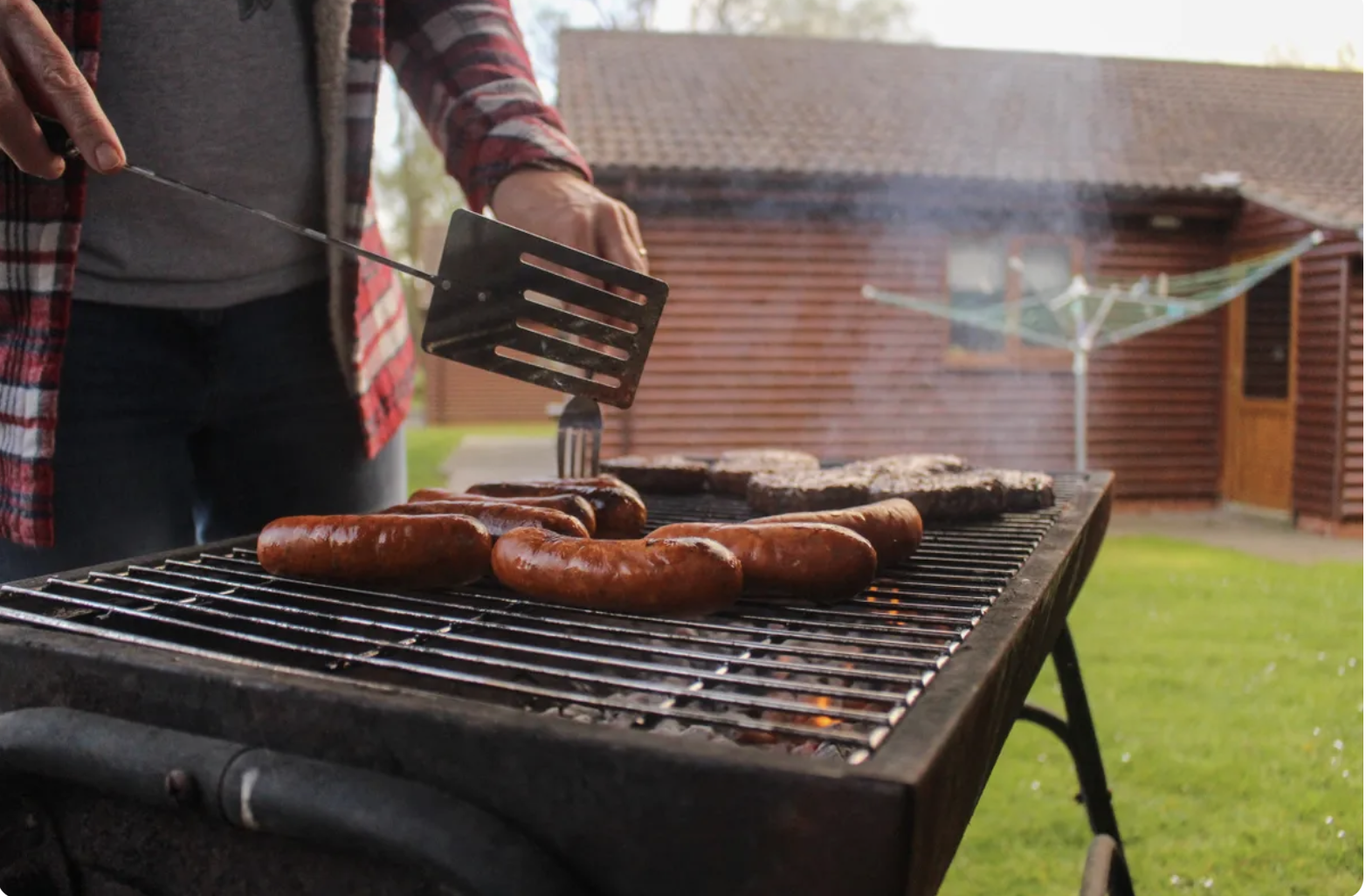
However, as we enjoyed a barbecue in my backyard, sharing our tales of joy, sorrow, tragedy, and merriment, I realized something profound. Pain, miseries, and challenges are integral parts of life. Despite being detested, they make us stronger, and without them, we wouldn’t fully appreciate true happiness.