
If you’re between the ages of 45 and 65, like me, you’re likely always vigilant for any changes in your body. It’s crucial to stay attentive and take action if anything appears unusual. So, you can imagine my surprise when I discovered a cluster of red dots on my shoulder one morning. Naturally, being responsible, I turned to the internet for answers.
Red dots on the skin are actually quite common and can stem from various causes. In case you find yourself in a similar situation, I’ve compiled a list of some common causes of red dots below. It’s essential to note that red dots can vary in size, shape, and color, and their significance can also differ. While some are harmless, others might indicate underlying medical conditions.
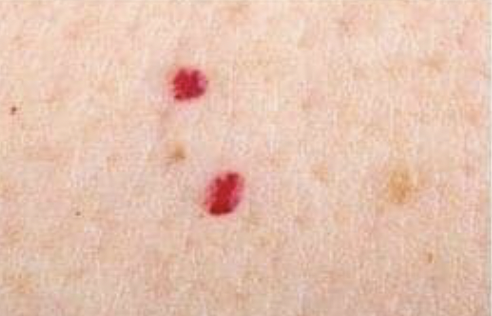
Below are some common causes of red dots on the skin:
1. Petechiae and Purpura:
These tiny red dots appear on the skin due to damaged blood vessels or capillaries. They can be caused by stress, coughing, or certain medications. Although usually harmless, they can sometimes indicate underlying platelet disorders.
2. Cherry Angiomas:
These small, raised, bright red bumps result from an overgrowth of blood vessels. Don’t worry; cherry angiomas are generally harmless and tend to be more common as we age.
3. Heat Rash:
This is a simple and common condition that occurs when sweat becomes trapped in sweat ducts, causing itchy, red dots to appear on the skin.
4. Allergic Reactions:
Allergic reactions to food, substances, medications, or insect stings or bites can lead to redness and an itchy rash on the skin.
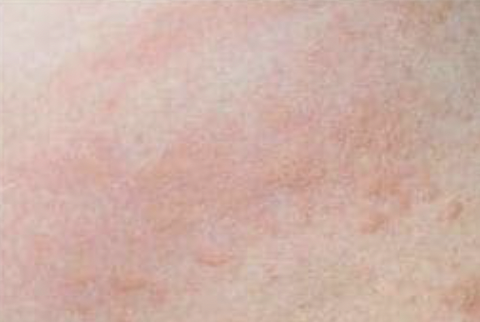
5. Folliculitis:
Folliculitis is an inflammation of the hair follicles, usually caused by bacterial or fungal infections. It can result in red, pus-filled dots on the skin, which can be uncomfortable.
6. Cellulitis:
This bacterial skin infection causes redness and swelling of the skin. It often feels warm to the touch and usually requires medical attention and treatment with antibiotics.
7. Impetigo:
Impetigo is a contagious bacterial infection primarily affecting children. It is characterized by red sores that open, ooze fluid, and later form a crust.
8. Vasculitis:
This condition involves inflammation of blood vessels, leading to red dots on the skin and possibly being associated with autoimmune disorders or infections.
9. Hemangiomas:
These birthmarks result from abnormal growth of blood vessels. While generally harmless, occasional medical intervention may be necessary.
In conclusion, the presence of red dots on the skin doesn’t necessarily indicate a serious condition. However, it’s always wise to seek medical advice if:
– The red dots are accompanied by fever, pain, or other discomfort.
– The dots rapidly increase in size, number, or intensity.
– These dots are associated with other symptoms like fatigue, weakness, or dizziness.
Remember, it’s better to err on the side of caution when it comes to our health!