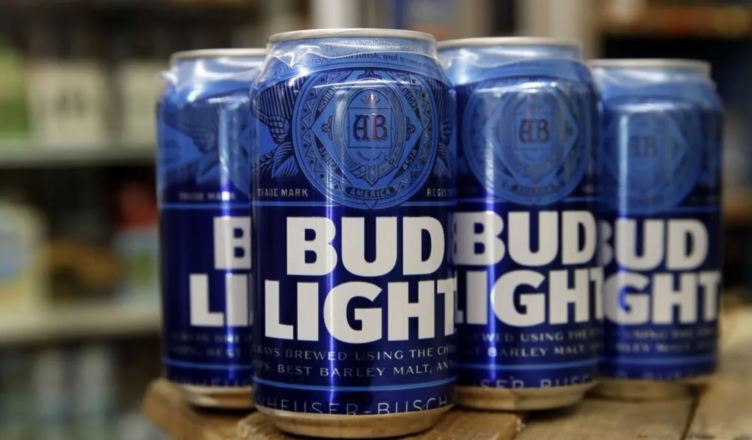
According to a former executive, Bud Light, which was America’s most popular beer brand just months ago, must design an effective strategy to win back customers over the next few months or face lasting market share losses.
Anson Frericks, the head of sales and distribution at Budweiser’s parent firm, Anheuser-Busch InBev, until last year, expressed fears about Bud Light’s future in an interview with the Daily Mail in the United Kingdom.
He stated that the brand’s decision to work with transgender social media influencer Dylan Mulvaney might result in reduced visibility for Bud Light which could be permanent.
As September approaches, merchants will likely reallocate limited shelf space based on sales data from prior months.
Frericks warned that the continuous boycott of the brand might result in bigger volumes being dropped in favor of companies that people buy a lot more of.
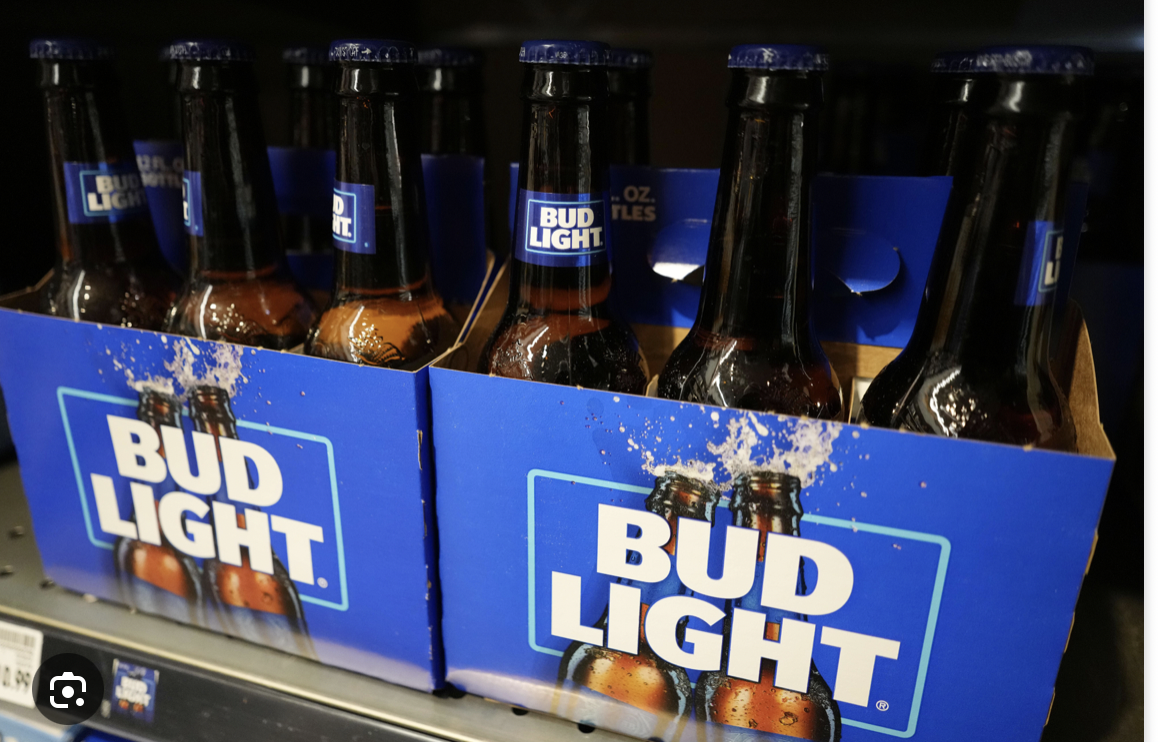
The former CEO of the beer business proposed that competitor brands such as Coors Light and Yuengling may become more prominent fixtures on shop shelves following what he called a yearly product “reset.”
He underlined that such brands may provide merchants with a greater chance of increasing beer sales.
Frericks told the Globe and Mail, “Those brands will have a better likelihood of succeeding long-term because they have more shelf space, they have more inventory, they have more backstock, and they have more availability for consumers.”
The former executive’s warning comes as new data shows that Mexican lager Modelo Especial is on track to overtake Bud Light as the world’s favorite beer this year.
Even though Modelo is outperforming Bud Light internationally (Constellation Brands owns Modelo in the US market), the company that owns both brands is still having problems.
According to the New York Post, AB InBev’s market value has dropped by $27 billion as of last week.
Despite billions of dollars in losses to the parent company, Bud Light has not publicly stated a strategy for regaining former customers.
Indeed, as losses increase, the erstwhile American brand-turned-Belgian beer has opted to disregard the controversy.
Since April 1, when Mulvaney showed his followers his face printed on a can of Bud Light, the company’s Twitter account has only tweeted one tweet.
Brendan Whitworth, CEO of AB InBev, has similarly remained silent on the “woke” scandal.
He did, however, offer a general remark on the customer backlash two weeks into the boycott.
“We never intended to participate in a debate that divides people.” Whitworth stated on April 14 that “we are in the business of bringing people together over a beer.”
“I care deeply about this country, this company, our brands, and our partners,” he continued. I spend a significant amount of my time traveling around the United States, listening to and learning from our customers, distributors, and others.”
The message did nothing to entice former Bud Light customers who had already decided to switch to other brands.
If those customers do not return over the following 90 days, their old brand may become tougher to purchase at supermarkets and convenience stores—or at least more difficult to find.
Bud Light may find itself in unfamiliar territory as a second-tier brand as its competitors benefit from premium product placement and have greater inventory on hand.
According to Frericks, the clock is ticking to entice customers to return to the brand.
“Anheuser-Bush needs to figure out a strategy; it needs to make a statement about who their customers are and who they’re going to serve now, and try and regain those customers now in June and July, because, by the time it’s August or September, it’s too late,” Mr. Bush said.