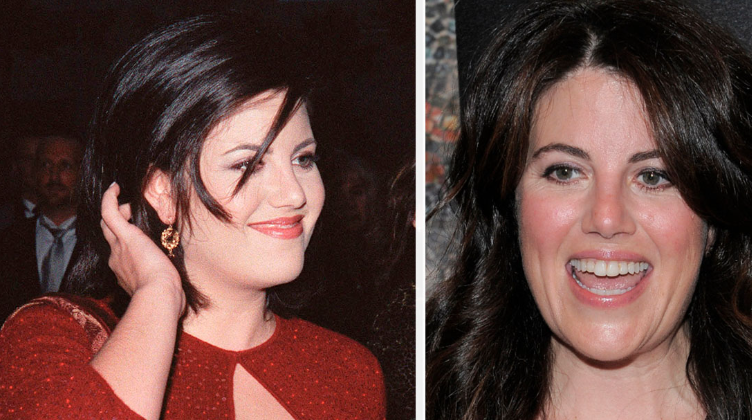
For three decades, American history has etched Monica Lewinsky’s name, but now, at 51, she is reclaiming her story in her own words. On Elizabeth Day’s podcast How To Fail, the former White House intern reflected on her high-profile romance with then-President Bill Clinton, which not only shook Washington but nearly destroyed her life.
Lewinsky was just 22 when the scandal erupted. Clinton, 49, was the world’s most powerful man. The relationship grabbed headlines, resulted in an impeachment, and unleashed a tidal wave of public shame, primarily directed at her. The documentary reveals whether or not Monica Lewinsky loved Bill Clinton. The emotional realities of the situation confront Monica for the first time in years.
“It was a 22- to 24-year-old young woman’s love,” according to her.
“I believe there was some limerence there, among other things, but it was how I viewed it at the time.” I believe it was also a misuse of authority.
When asked about the harmful narrative presented by the White House following the affair, Lewinsky did not mince words.
“My very first job out of college was working in the White House,” she pointed out.
“I don’t think that’s the kind of trajectory that someone thinks, then 10 or 12 years later, that person’s not going to be able to get hired.”
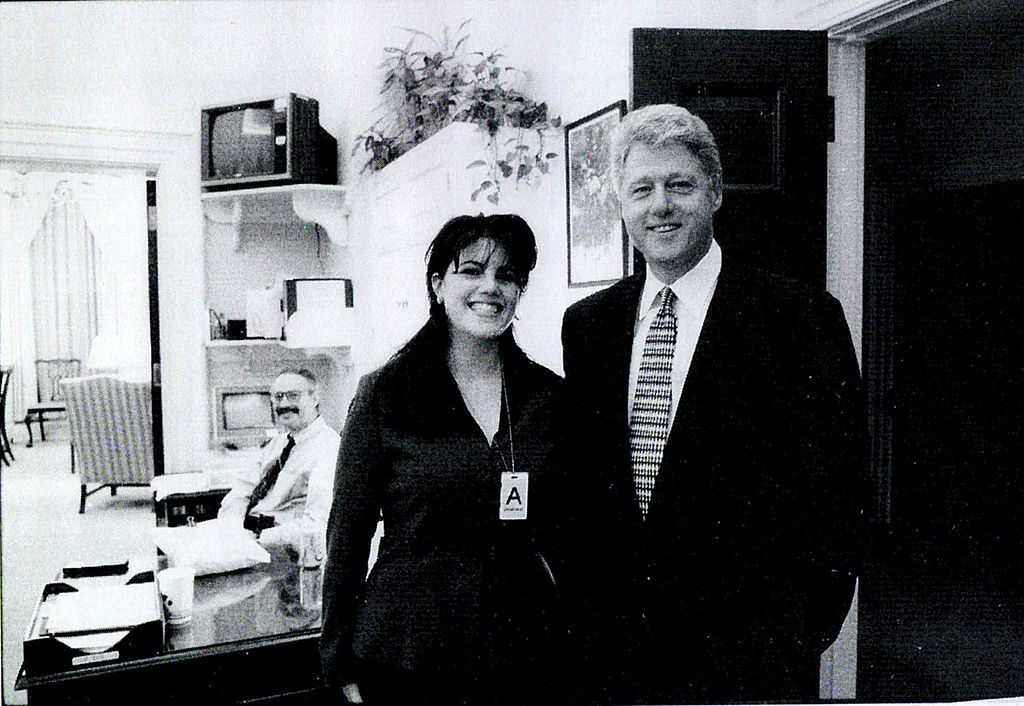
After the incident was revealed, Lewinsky said that the Clinton administration created a humiliating image of her, labeling her with the outmoded and derogatory term “bimbo.”
“I was not a stupid bimbo. I was misrepresented, and it was difficult for me to live with that.”
She went on to say that much of the pushback came from women, although the story was “crafted and put out by the White House.”
“Many women picked up that mantle,” she told me.
Following the incident, Clinton originally denied the affair, but on August 17, 1998, he openly stated he was “solely and completely responsible” for the connection.
She became the subject of moc*kery. Lewinsky has already spoken up about the terrible toll the media circus had on her. Reporters pursued her and moc*ked her, and she plunged into deep despair.
“I love and appreciate who I am now, but I think for so many different reasons, I would’ve liked a more normal life,” she told the audience. “I would’ve liked to have had a more normal trajectory.”
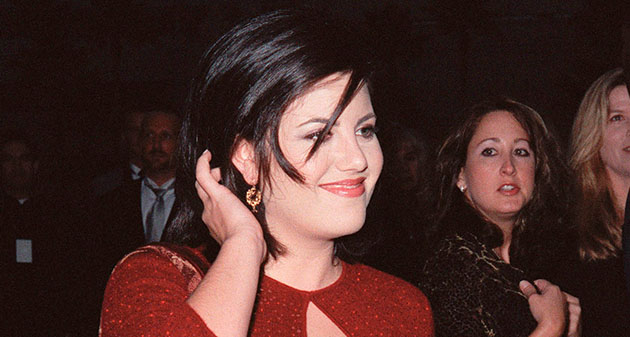
“There was so much collateral damage for women of my generation to watch a young woman to be pilloried on the world stage, to be torn apart for my sexuality, for my mistakes, for my everything.”
Three decades later, Monica Lewinsky isn’t looking for sympathy. She wants people to listen and perceive her as more than just a footnote in someone else’s legacy.
Monica Lewinsky’s candid honesty also makes us wonder: Have we truly learned anything? In an age when public shaming has only become louder and quicker, is society any more tolerant of young women caught in the crossfire of strong men and media frenzy? Or are we still making the same mistakes—just with different hashtags?