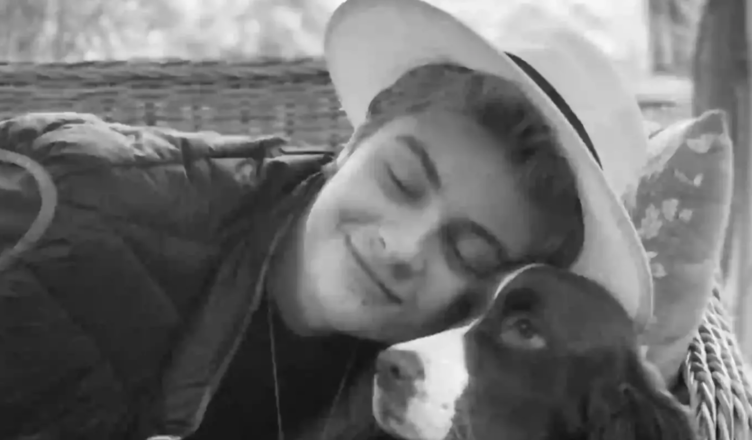
Prince Frederik of Luxembourg passed away at the age of 22 owing to a rare hereditary disease.
The son of Prince Robert of Luxembourg and Princess Julie of Nassau died on March 1 after being diagnosed with a rare POLG Mitochondrial illness at the age of 14.
His father revealed his son’s death on the POLG Foundation website last Friday (7 March).
Robert, the organization’s founder, stated, “It is with a heavy heart that my wife and I would like to inform you of the passing of our son, The POLG Foundation Founder and Creative Director, Frederik.”

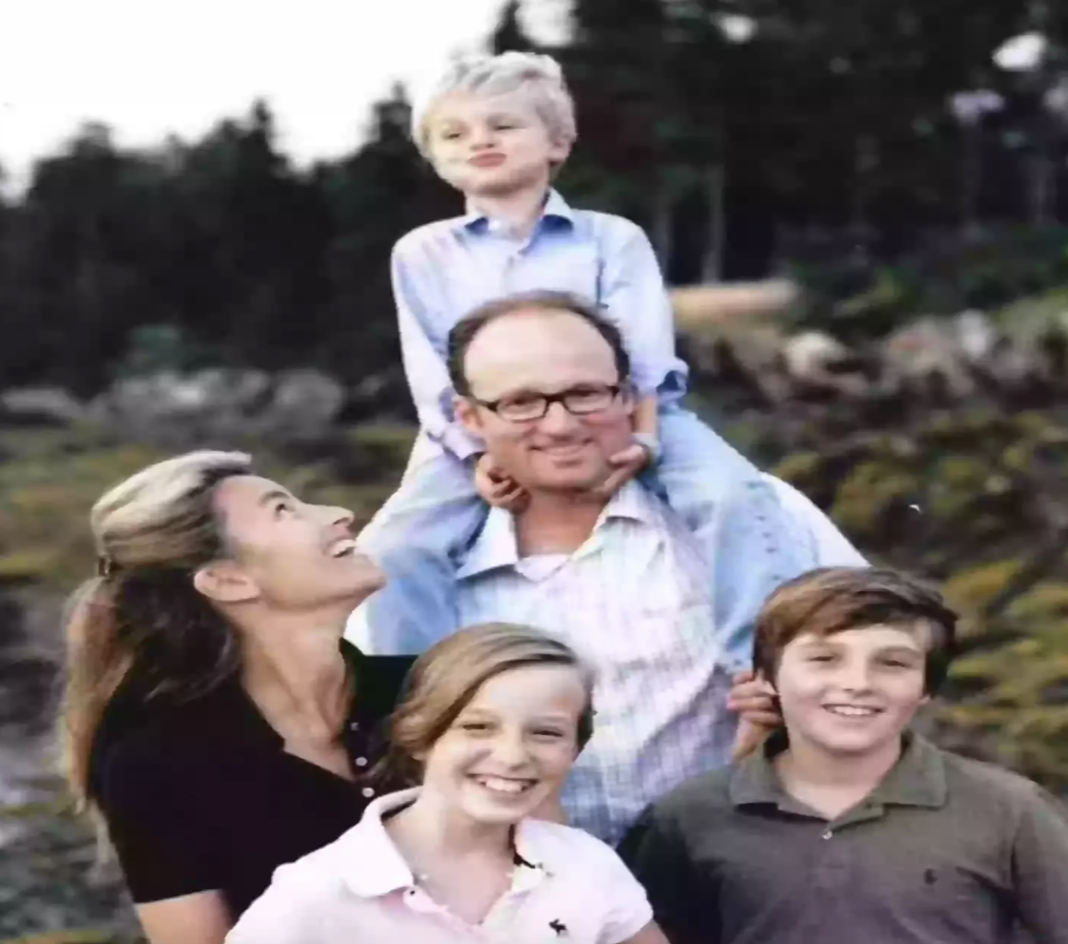
“Frederik found the strength and the courage to say goodbye to each of us in turn—his brother, Alexander; his sister, Charlotte; me; his three cousins, Charly, Louis, and Donall; his brother-in-law, Mansour; and finally, his Aunt Charlotte and Uncle Mark.”
What is POLG disease?
According to the charity, the hereditary condition ‘robs the body’s cells of energy’ and causes ‘progressive multiple organ malfunction and failure’.
“One might compare it to having a faulty battery that never fully recharges and is in a constant state of depletion,” he said.
“POLG research could affect everything from Parkinson’s to cancer.”
Prince Frederik ‘had scarcely been able to talk for several days’.
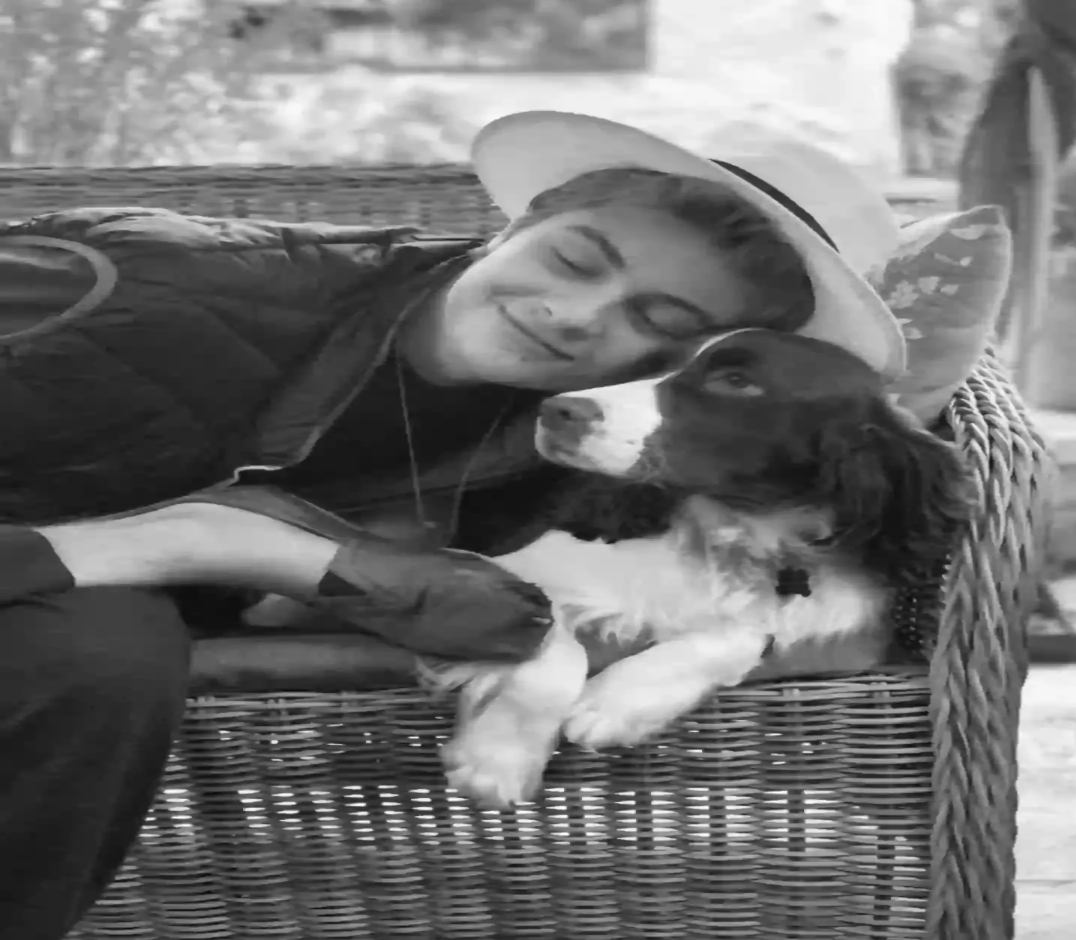
“After gifting each of us with our farewells – some kind, some wise, some instructive – in true Frederik fashion, he left us collectively with a final long-standing family joke,” says the father.
“Even in his final moments, his humour and boundless compassion compelled him to leave us with one last laugh….to cheer us up.”
“So the clarity of these statements surprised me as much as the gravity of the situation.
“The answer was very easy, and he had heard it oh so many times…. but at this time, he needed reassurance that he had contributed all that he possibly could in his short and beautiful existence and that he could now finally move on.”
According to Robert, ‘300 million individuals like Frederik globally’ suffer from POLG.
“These diseases are usually hard to recognise even by physicians, and patients’ families may never know what they are suffering from as they may only be identified very late in their progression,” he told me.
“Frederik was diagnosed with POLG at the age of 14, when his symptoms became more obvious and his condition progressed more rapidly.
“Because POLG disease causes such a wide range of symptoms and affects so many different organ systems, it is very difficult to diagnose and has no treatments much less a cure.”