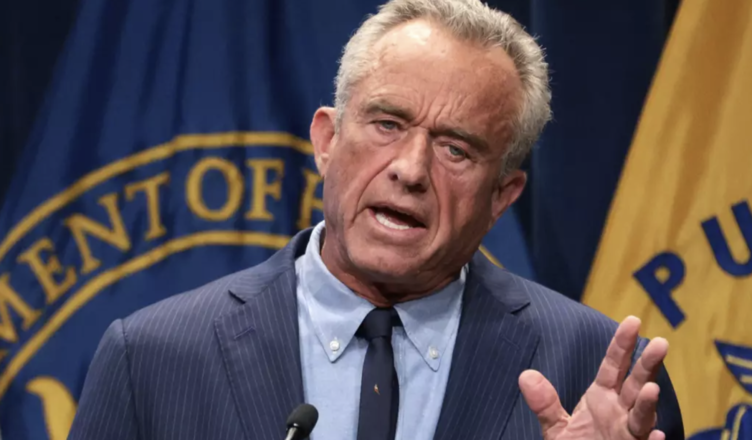
Robert F. Kennedy Jr. has faced criticism for his efforts to investigate autism by collecting private medical data and establishing a registry to follow Americans with the disorder.
The Mayo Clinic defines autism as a ‘condition related to brain development’ that can manifest differently depending on the individual, but RFK Jr., the secretary of the Department of Health and Human Services, has suggested the condition is preventable and even claimed there is an ‘autism epidemic’ at play.
On April 17, at a Cabinet meeting at the White House, Kennedy stated, “We’ve launched a massive testing and research effort that will involve hundreds of scientists from around the world.”
In September, we will know what is causing the autism pandemic and will be able to eliminate those exposures.”
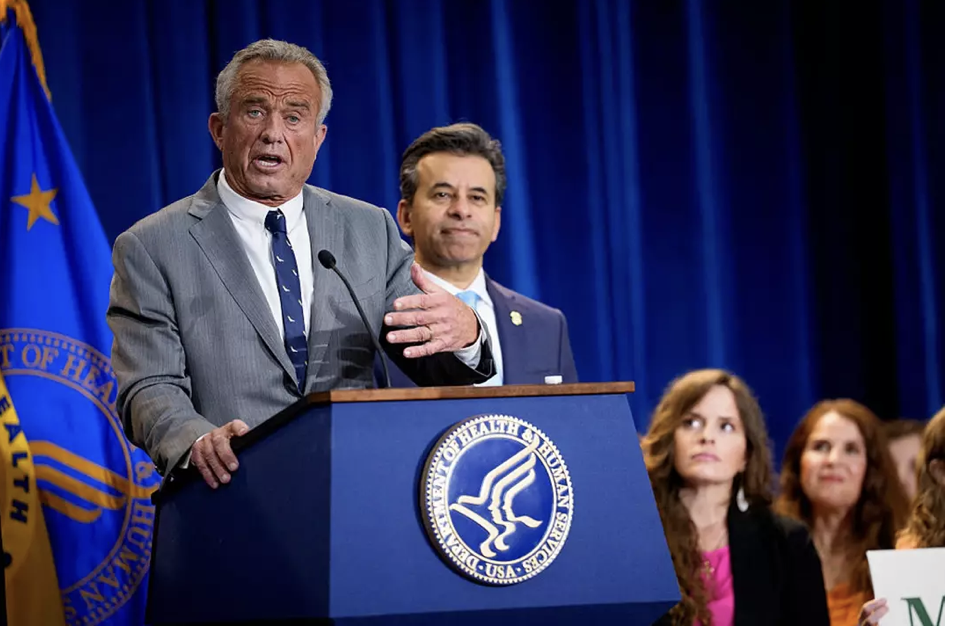
As part of the study, the National Institutes of Health (NIH) announced on Monday (April 21) that it is collecting private medical records from a number of federal and commercial databases, allowing researchers chosen for Kennedy’s study to examine ‘comprehensive’ patient data with ‘broad coverage’ of the US population.
“The idea behind the platform is that existing data resources are often fragmented and difficult to obtain,” NIH Director Dr. Jay Bhattacharya told CBS News. “The NIH will frequently pay multiple times for the same data resource. Even data resources from the federal government are difficult to access.”
Medication information from drugstore chains will be included, as will lab tests and genetics data from patients treated by the Department of Veterans Affairs and Indian Health Service, claims from commercial insurers, and data from smartwatches and activity trackers.
The NIH is also in discussions with the Centers for Medicare and Medicaid Services to widen the agreements that regulate access to their data.
According to Bhattacharya, the researchers reviewing the records would include 10 or 20 outside groups recruited ‘via usual NIH protocols.’ The teams will have access to the confidential medical data.
Bhattacharya stated that they would be unable to download it and promised state-of-the-art secrecy safeguards.’
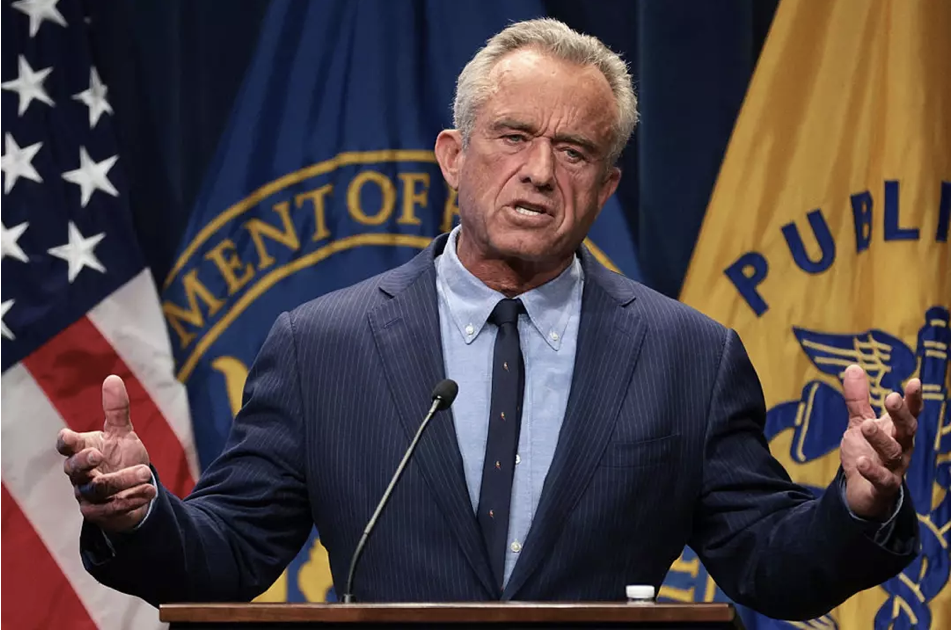
Along with the data research, the NIH will establish a new illness registry to follow Americans with autism.
Bhattacharya stated that the goal of this window into real-time health monitoring’ was to give ‘a strong and secure computational data platform for chronic illness and autism research,’ but groups for persons with autism have criticized the proposal.
One Twitter user, who described herself as a mother of a kid with autism,’ stated unequivocally that she did not ‘approve’ of the NIH acquiring medical information for the study.
She described the concept as ‘terrifying,’ writing, “As a mother of an autistic child, I do not approve of this. My son’s medical records should remain private. We need more financing for initiatives that assist our children, not “research” that doesn’t”.
Another person remarked, “I don’t agree to this. This isn’t okay.”
According to Bhattacharya, the NIH plans to release the study’s findings on a ‘quick timeframe.’