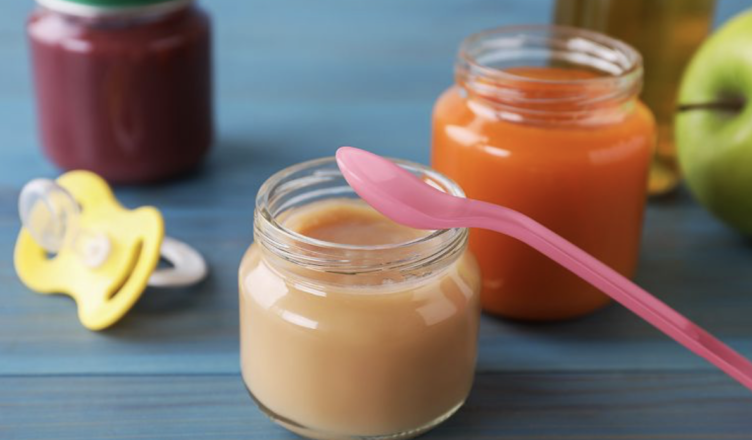
Several health agencies around the United States are urging residents to avoid purchasing baby food products supplied by a major store.
Last week, health agencies in Maryland, Kentucky, and other states stated that around 25,600 units of Good & Gather Baby Pea, Zucchini, Kale, and Thyme Vegetable Puree, which is distributed and sold nationally at Target stores, had been recalled.
Fruselva USA of Miami initiated the recall because health authorities and the United States Food and Drug Administration (FDA) found “elevated levels of lead” in the goods.
According to the Mayo Clinic, even little amounts of lead can cause health problems in children as they grow older. Children may experience problems with brain development, resulting in “irreversible damage.” According to the clinic, excessive levels of lead can cause “damage to the kidneys and nervous system in both children and adults.”
The FDA identified the implicated items as those with lot numbers 4169 and 4167, which had best-by dates of December 9, 2025, and December 7, 2025, respectively. According to ABC News, the recalled baby food was promoted to babies aged 6 months and up.
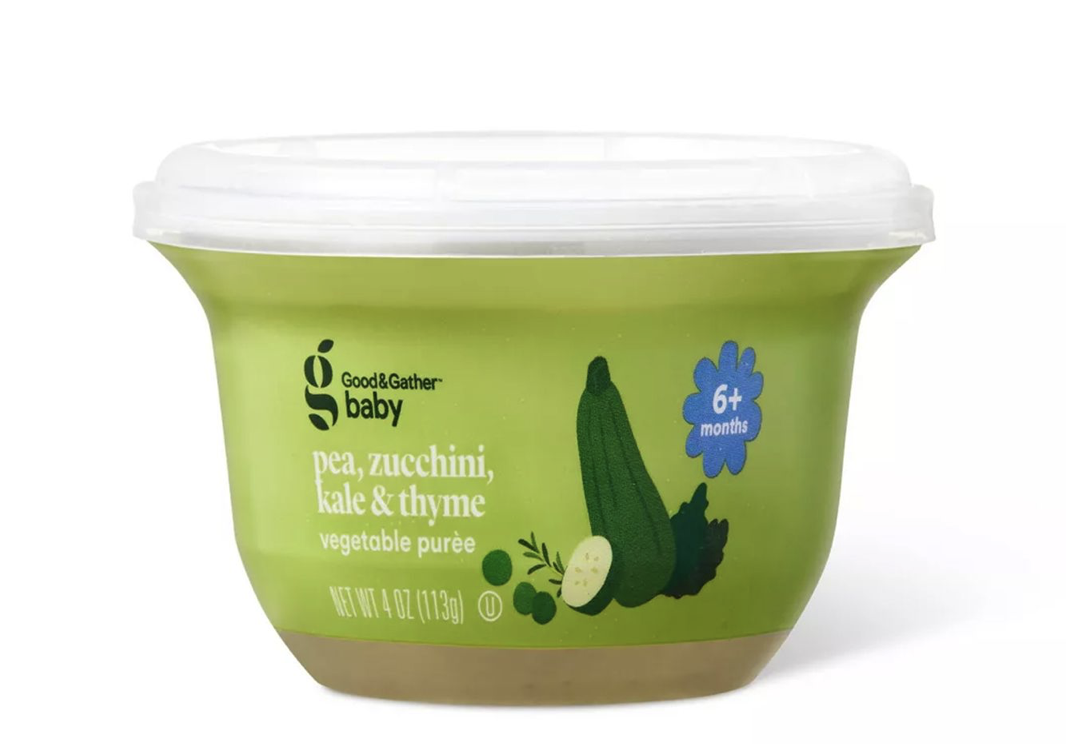
“Consumers and businesses should not use, sell, or distribute the recalled baby food and are urged to check their inventories for the affected lot numbers and best-by dates,” stated the Food and Drug Administration (FDA).
According to the FDA, the recall began on Wednesday, March 12, and is still underway. It is designated as a Class II recall, which means “a low risk of serious health consequences.” However, the FDA advises that if ingested, “temporary or reversible effects may occur.”
Target did not immediately reply to PEOPLE’s request for information on the recall.
A Target representative told ABC News, “We’re committed to providing safe, high-quality products for our guests.” We expect our vendors to follow all applicable food safety requirements and federal, state, and local legislation.”
“This recall involved a limited amount of product, which we took immediate action to remove from our shelves,” according to a spokeswoman.
This comes months after the FDA widened an apple juice recall due to worries about dangerous arsenic levels. According to the agency, 133,500 cases of apple juice were sold in 27 states, Washington, D.C., and Puerto Rico.
According to a statement on Refresco’s website, the voluntary recall is being conducted out of “abundance of caution,” since previously manufactured goods from their supplier contained inorganic arsenic levels that exceeded the FDA criteria published last summer.
“At this time, there are no reported incidents caused by these products,” stated the spokesperson.