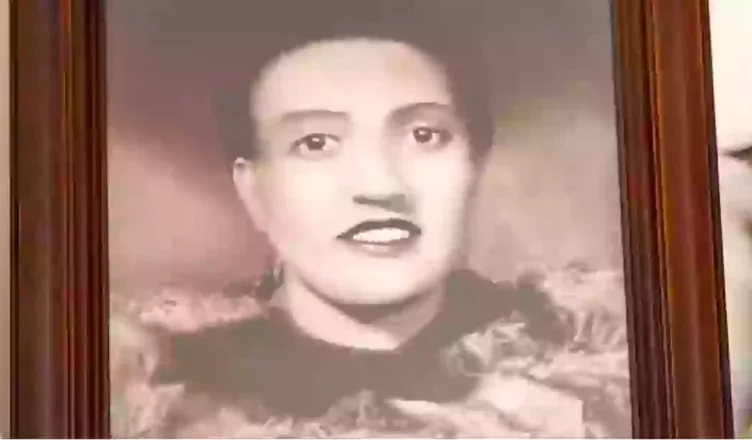
A US woman’s cells were collected without her consent, paving the way for a radical transformation of medical research in the coming years.
In 1951, Henrietta Lacks, an African-American mother of five, went to The Johns Hopkins Hospital with vaginal bleeding. Gynecologist Dr. Howard Jones discovered a huge, cancerous tumor on her cervix.
According to the Johns Hopkins website, her medical records reveal she began receiving radium treatments for cervical cancer since it was the greatest medical treatment available to heal her.
However, once her radium rods were removed, something unexpected occurred during her examination: her cervical cells were collected without her permission.
According to the website, “A sample of her cancer cells obtained during a biopsy was sent to Dr. George Gey’s nearby tissue lab.”
“For years, Dr. Gey, a prominent cancer and virus researcher, had been collecting cells from all patients—regardless of their race or socioeconomic status—who came to The Johns Hopkins Hospital with cervical cancer, but each sample quickly died in Dr. Gey’s lab.”

However, they discovered that Lacks’ cells multiplied every 20 to 24 hours, unlike any other cells the doctor had ever seen.
They saw the potential of Lacks’ cells in the field of research and gave them the nickname HeLa cells.
They were first employed to examine the effects of ‘toxins, medications, hormones, and viruses on the proliferation of cancer cells without experimenting on humans,’ and they have since been used to evaluate the effects of radiation and poisons.
Her cells are reported to have contributed significantly to the development of the polio vaccine, as well as advances in HIV, cancer, and infertility therapies.
Unfortunately, what made her cells unusual was what eventually killed her, and the mother died on October 4, 1951, at the age of 31.
However, her family discovered what had happened to her and her cells decades later, and they have been battling for justice ever since.
Johns Hopkins revealed it had reviewed our interactions with Henrietta Lacks and the Lacks family over more than 50 years’ and admitted it ‘could have—and should have—done more to inform and work with members of Henrietta Lacks’ family out of respect for them, their privacy, and their personal interests.’
In 2023, the BBC claimed that the family signed an agreement with a biotech business that exploited her stolen cells.’
The terms of the settlement with Massachusetts-based Thermo Fisher Scientific Inc. have not been disclosed, although both parties are claimed to be ‘pleased’ with the result.
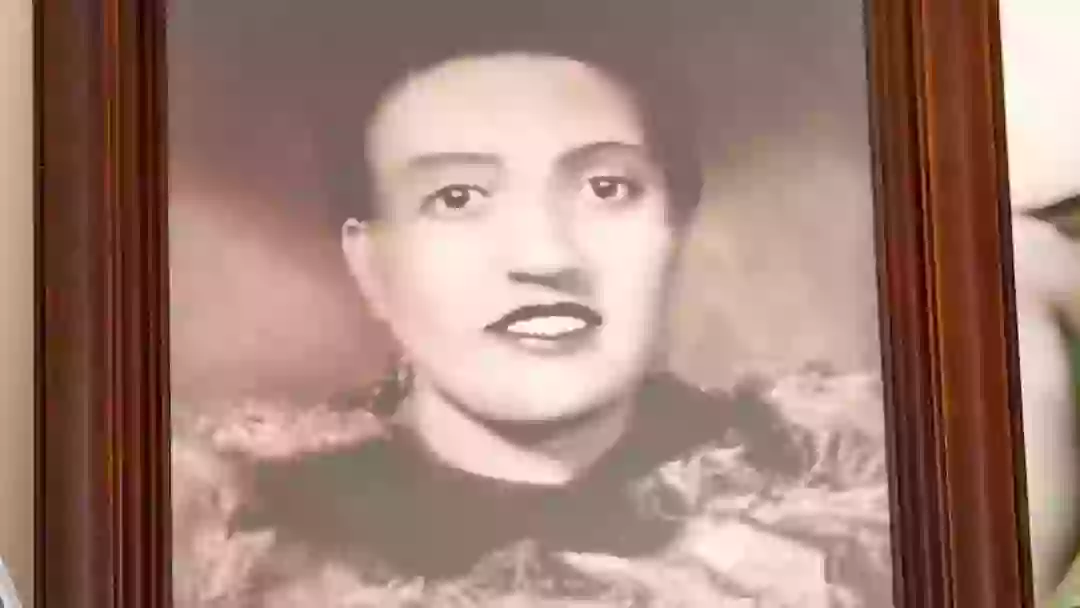
However, human rights lawyer Ben Crump told the site that the surgery to extract her cells had left her in anguish near the end of her life.
He stated, “The exploitation of Henrietta Lacks represents the unfortunately common struggle experienced by Black people throughout history,” according to the lawsuit that resulted in Monday’s settlement.
“Too often, the history of medical experimentation in the United States has been the history of medical racism.”
In 2021, the World Health Organization organized an event to recognize the numerous scientific discoveries made possible by Lacks’ cells.
“What happened to Henrietta was wrong,” declared WHO Director-General Tedros Adhanom Ghebreyesus.
Henrietta Lacks was exploited. “She is one of many women of color whose bodies have been abused by science,” he stated.
“She put her confidence in the healthcare system so that she might be treated. However, the system removed something from her without her knowledge or permission.
The hospital recently hosted a ribbon-cutting ceremony for the Henrietta Lacks structure, a new multifunctional building on the Johns Hopkins East Baltimore campus.